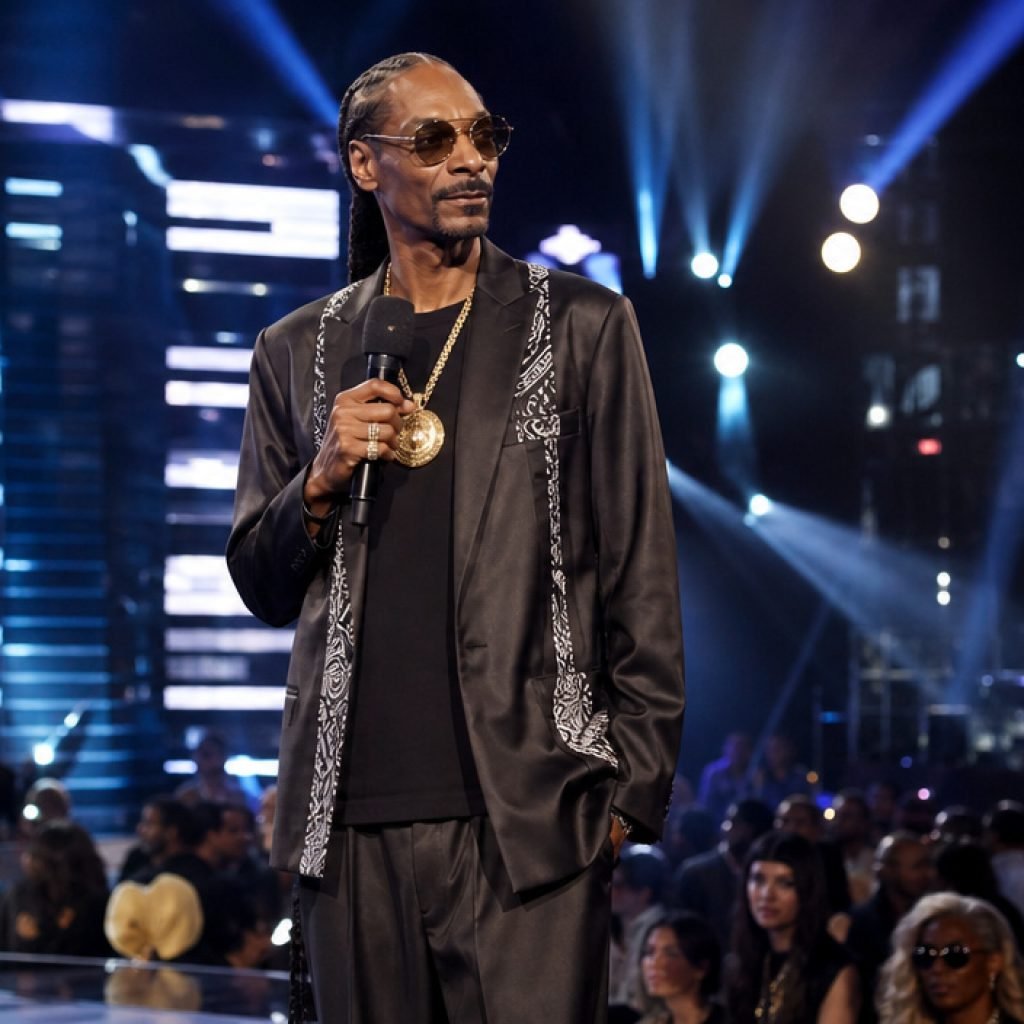
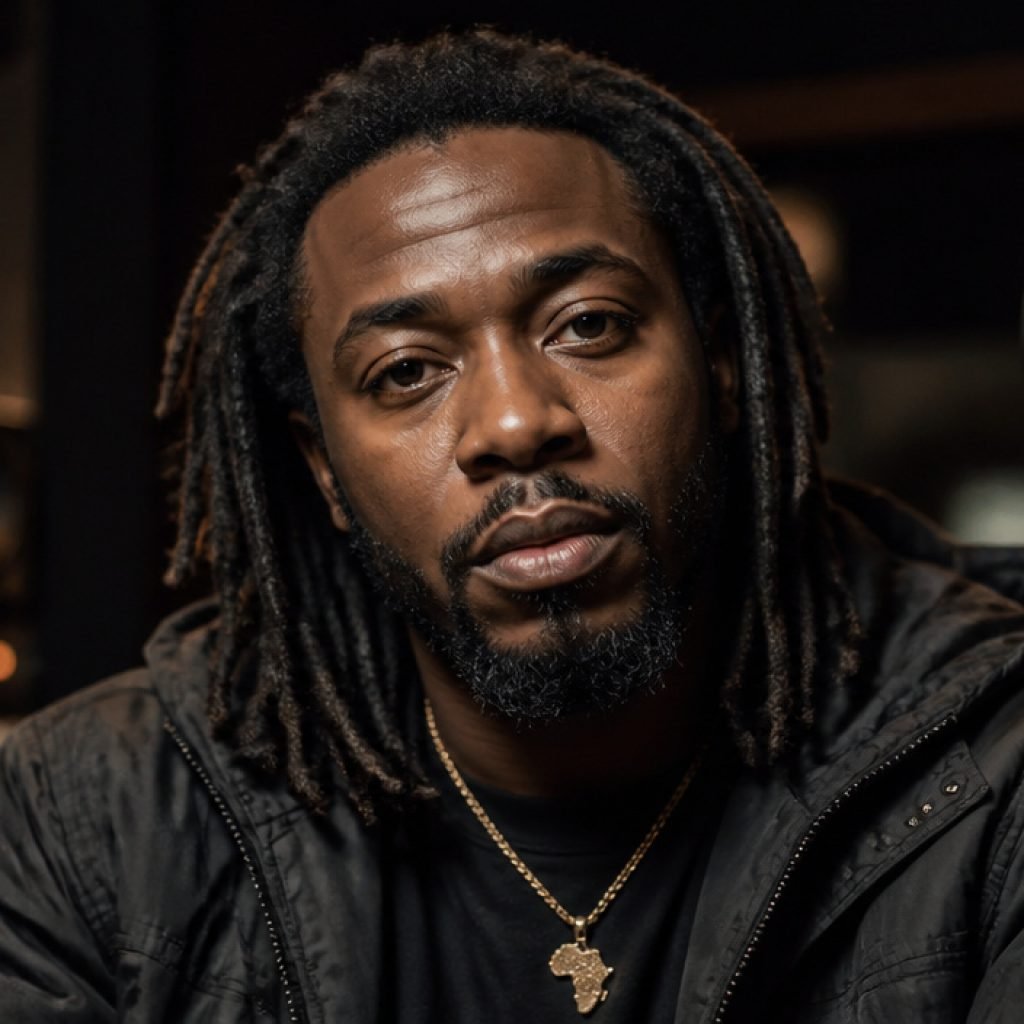
A sharp division has emerged in the hip hop music world, with the controversial statements of both Blueface and 21 Savage fueling a significant discourse. Rapper 21 Savage sparked a major conversation when he declared “F**k the streets.” This came after his new album release. Now, Blueface has fired back forcefully, directly challenging 21 Savage’s sentiment by emphatically stating, “F**k the industry!” This Blueface 21 Savage music news has divided many artists and fans alike, initiating a deep dive into the nature of authenticity and artistic evolution.
The Genesis of 21 Savage’s “F**k the Streets” Sentiment
21 Savage recently dropped his album “WHAT HAPPENED TO THE STREETS?”. The album explores themes of loss and change. Following its release, 21 Savage shared his views, explaining that “the streets” represented trauma for him. He suggested that the parts of street life causing sleepless nights should be rejected. Young Thug also voiced agreement with this “F**k the streets” message. This sentiment gained traction online, with several other artists joining the chorus and sparking the initial Blueface 21 Savage debate.
Blueface’s “F**k the Industry” Counter-Attack
Blueface, recently out of jail, voiced strong opposition to 21 Savage’s stance. He made his stance clear on social media, declaring, “I love the streets.” Blueface believes rappers are abandoning their origins, which he feels is contradictory to their careers, as their success often stems from these environments. Blueface specifically targeted 21 Savage, questioning why artists would disown their roots and suggesting this trend might be for industry gains. His powerful Blueface reaction questioned this shift: “I never thought I’d see the day n****s saying f**k the streets for a 21 Savage feature.” His response shifted focus to broader music industry pressure and the core of the Blueface 21 Savage clash.
The Wider Hip Hop Debate: Streets vs. Industry
This clash highlights a significant divide within the hip hop industry, often framed as a streets vs. industry debate. Boosie Badazz also criticized the “F**k the streets” movement, arguing that streets shape an artist’s mindset and hustle. Boosie stated that rappers should stop rapping about the streets if they disown them. Fivio Foreign echoed similar sentiments, believing the streets are a key support system for many artists’ success. Others, like 6ix9ine, questioned the sincerity of these statements, pointing out past boasts of street validation. The core of this hip hop debate lies in perspective: Is it a genuine move past trauma, or is it an attempt to shed accountability? Many fans and artists feel these origins are crucial to their identity and music, making the Blueface 21 Savage dynamic so compelling.
“Street Credibility” in Modern Hip Hop and the Blueface 21 Savage Impact
This ongoing discussion brings the concept of “street credibility” into sharp focus. Hip hop has historically valued authenticity tied to lived experiences. However, the industry’s evolution presents new challenges. Some argue that distancing from street origins is a sign of growth and maturity. Others see it as a loss of genuine connection. Blueface’s reaction suggests a rejection of what he perceives as industry-driven shifts, implying that artists are being pressured to disavow their past for mainstream acceptance. This news underscores the complex relationship between an artist’s reality and their public persona in the music business, particularly in the context of the Blueface 21 Savage commentary. It questions what truly defines rapper authenticity in contemporary hip hop.
Conclusion: Blueface vs. 21 Savage on Identity and Evolution
The debate between Blueface and 21 Savage reveals a philosophical split in hip hop, pitting personal growth against foundational identity. The “F**k the streets” sentiment, as expressed by 21 Savage, sparks conversation about trauma and evolution. Blueface’s “F**k the industry” response targets perceived external pressures and champions the importance of roots, directly addressing the Blueface 21 Savage conflict. This hip hop news continues to fuel discussions on authenticity and how artists navigate their past in the evolving music landscape. The division between maintaining street credibility and embracing change, as exemplified by the Blueface 21 Savage exchange, shows no signs of immediate resolution.