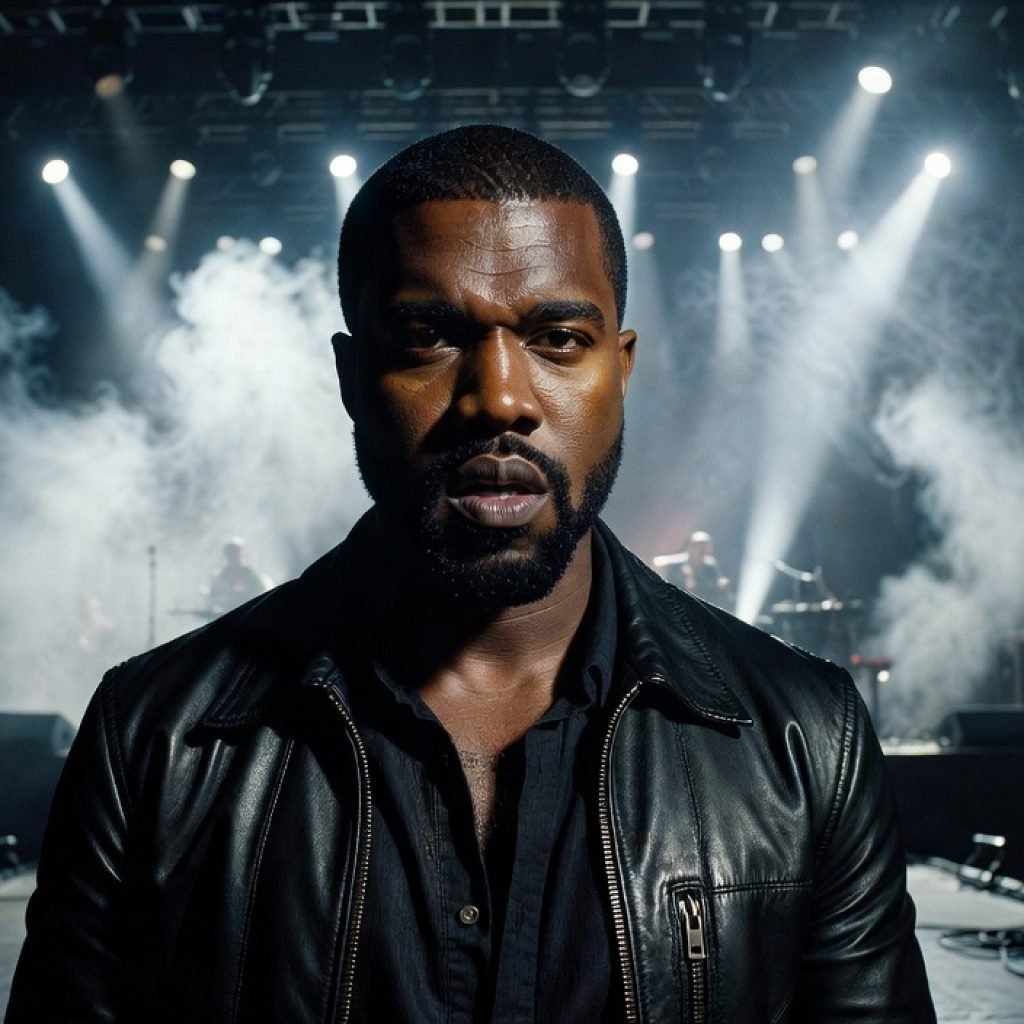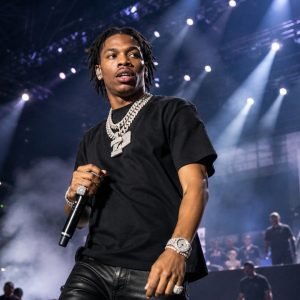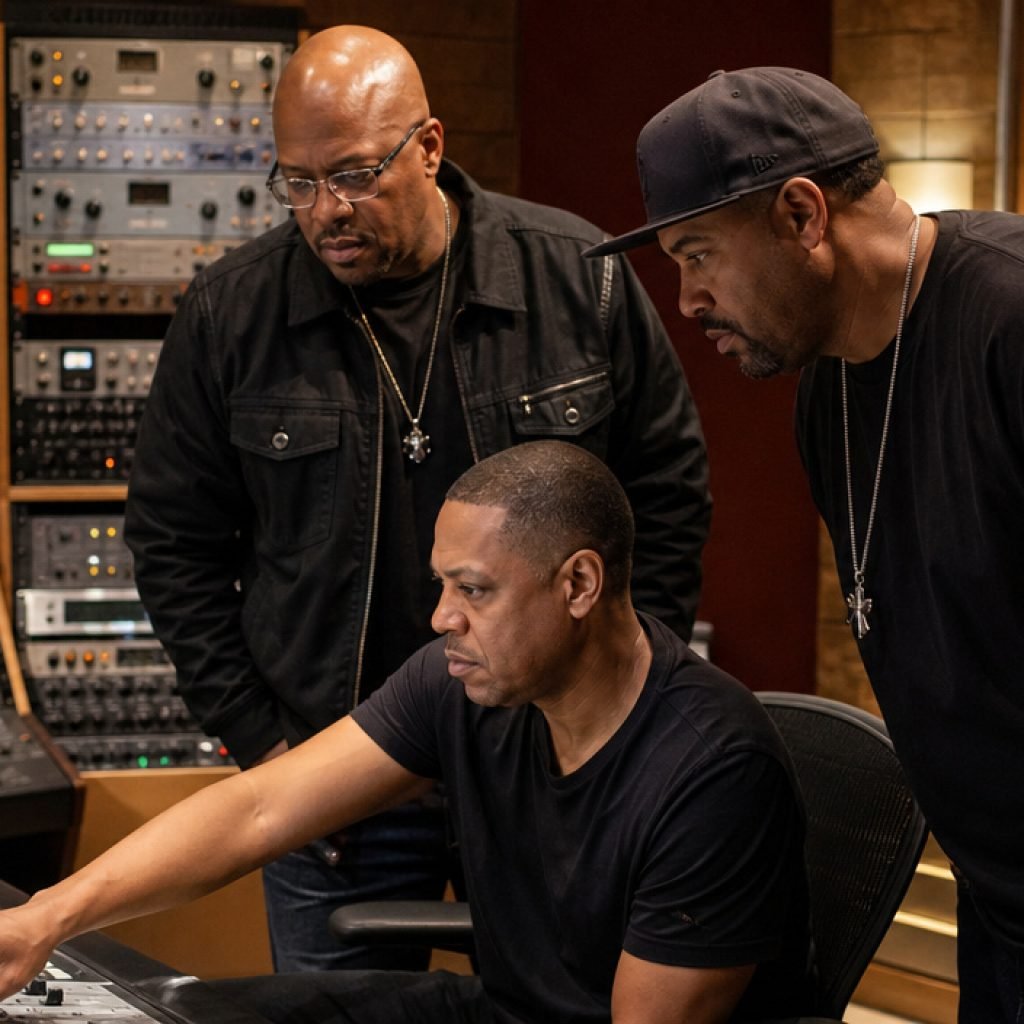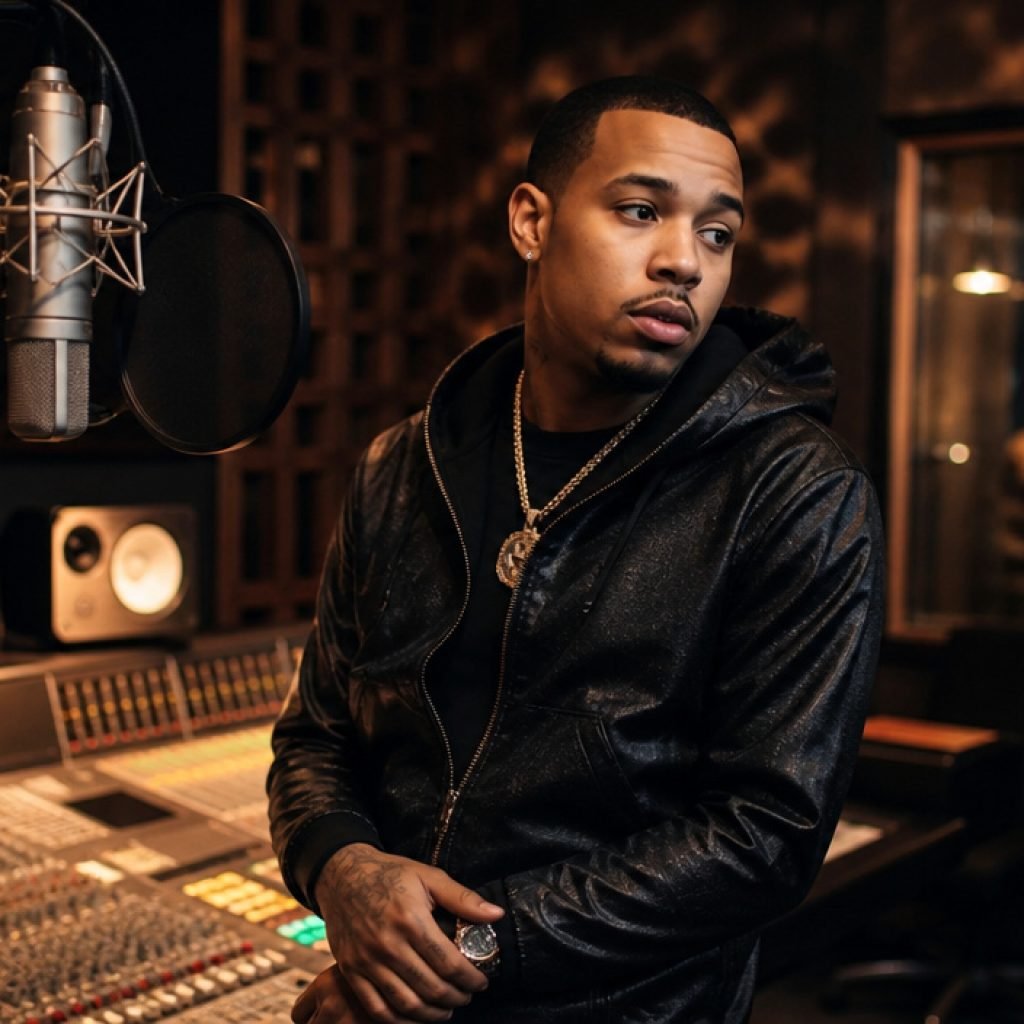
Method Man is taking a stand against what he describes as “overzealous” and unprofessional promoters following a turbulent series of shows during the Wu-Tang Clan’s recent Australian tour. The legendary rapper, known for his directness and authenticity, did not mince words when addressing the logistical frustrations that plagued the group’s appearances, highlighting a growing disconnect between high-profile touring artists and the entities responsible for executing their live experiences.
The Anatomy of the Tour Backlash
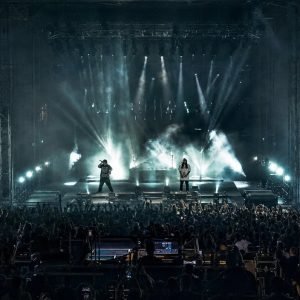
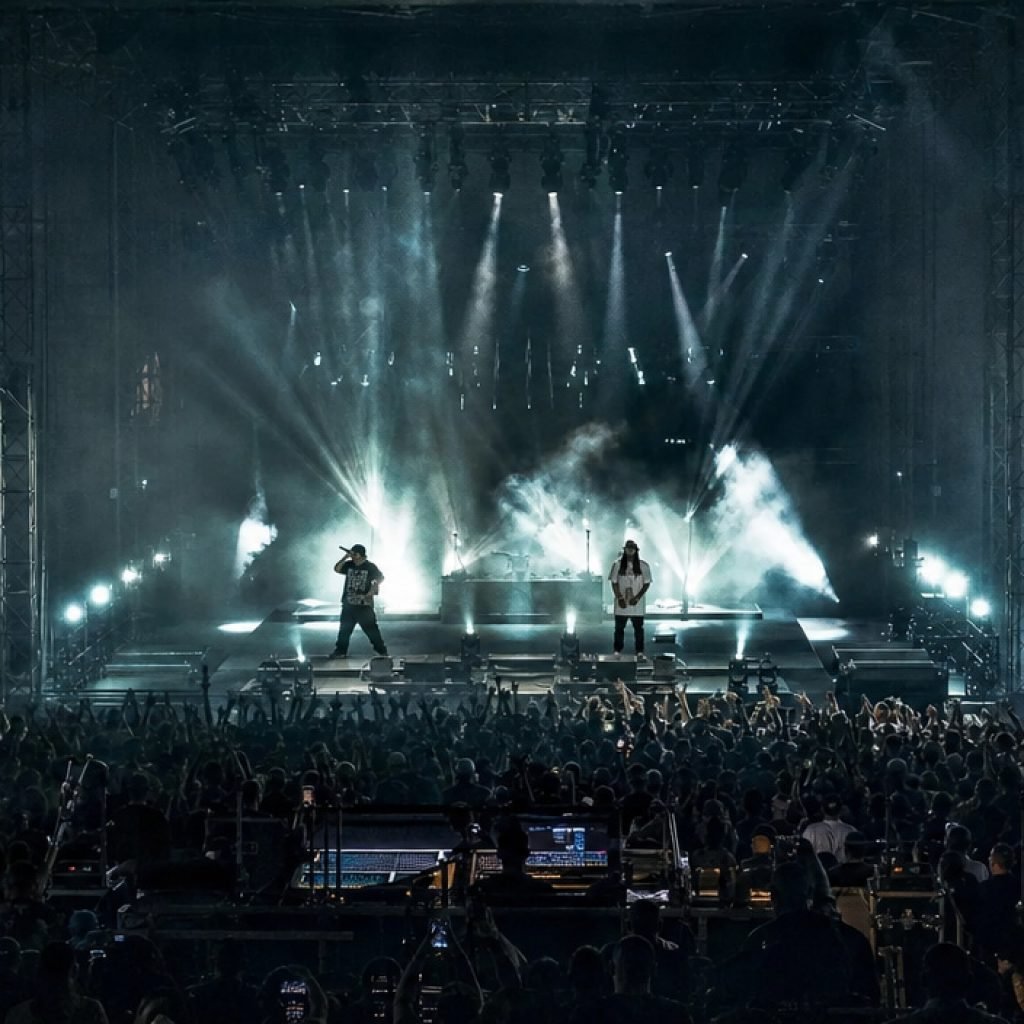
The friction reportedly stems from a combination of poor crowd management, logistical oversights, and scheduling pressures that impacted the band’s ability to deliver the standard of performance fans expect. As the Wu-Tang Clan traveled across Australia, reports of disorganized entry processes and restricted stage access began to surface on social media. Method Man, in particular, felt compelled to address the situation directly, characterizing the behavior of certain promoters as “overzealous”—a term suggesting that those in charge may have prioritized aggressive ticketing or venue capacity over the actual quality of the artist’s set and the safety of the audience.
This incident is not an isolated one in the modern touring landscape. Post-pandemic, artists have frequently voiced concerns about the “new normal” of live events, where rising production costs and the push for maximum revenue often lead to corner-cutting. For an act as iconic as the Wu-Tang Clan, the expectations for a high-production, high-energy show are immense. When promoters fail to meet the baseline requirements for sound, security, and stage management, the artist’s reputation becomes the immediate collateral damage.
Accountability in the Touring Industry
Method Man’s public critique shines a light on a systemic issue within the live music industry: the power imbalance between artists and local tour organizers. While international artists bring the star power and the audience, they are often reliant on local partners who handle the boots-on-the-ground logistics. When these partnerships go sour, the artist is left to manage the fallout on stage while fans, unaware of the behind-the-scenes failures, blame the performers.
By speaking out, Method Man is setting a precedent for artist accountability. He is essentially shifting the narrative, reminding fans that the rapper they see on stage is often working within a framework constructed by promoters, and when that framework fails, the artist is not responsible for the structural collapse. This “call-out” culture within the industry is increasingly being used as a tool for artists to protect their brand and their fan base. If a promoter cannot guarantee a professional environment, they risk being blacklisted by major acts who are no longer willing to tolerate unprofessionalism.
The Future of International Touring
The fallout from the Australian tour serves as a case study for future international bookings. Promoters in major markets are being put on notice that high-level transparency and organizational competence are non-negotiable. As the global demand for live hip-hop continues to soar, the margin for error is shrinking. Artists, backed by their management teams, are demanding greater control over the venue experience, from security protocols to sound checks.
Method Man’s stance is a reminder that being a “legend” isn’t just about the music; it’s about maintaining the integrity of the performance. If the infrastructure does not support the art, the art suffers. Moving forward, fans can expect more artists to follow Method Man’s lead, demanding higher standards from the entities that bring the music to the people. While the Wu-Tang Clan continues to be a touring powerhouse, this episode marks a definitive moment where the group has drawn a line in the sand against mismanagement in the live sector, ensuring that the legacy of their live shows remains untarnished by the actions of those who operate behind the scenes.