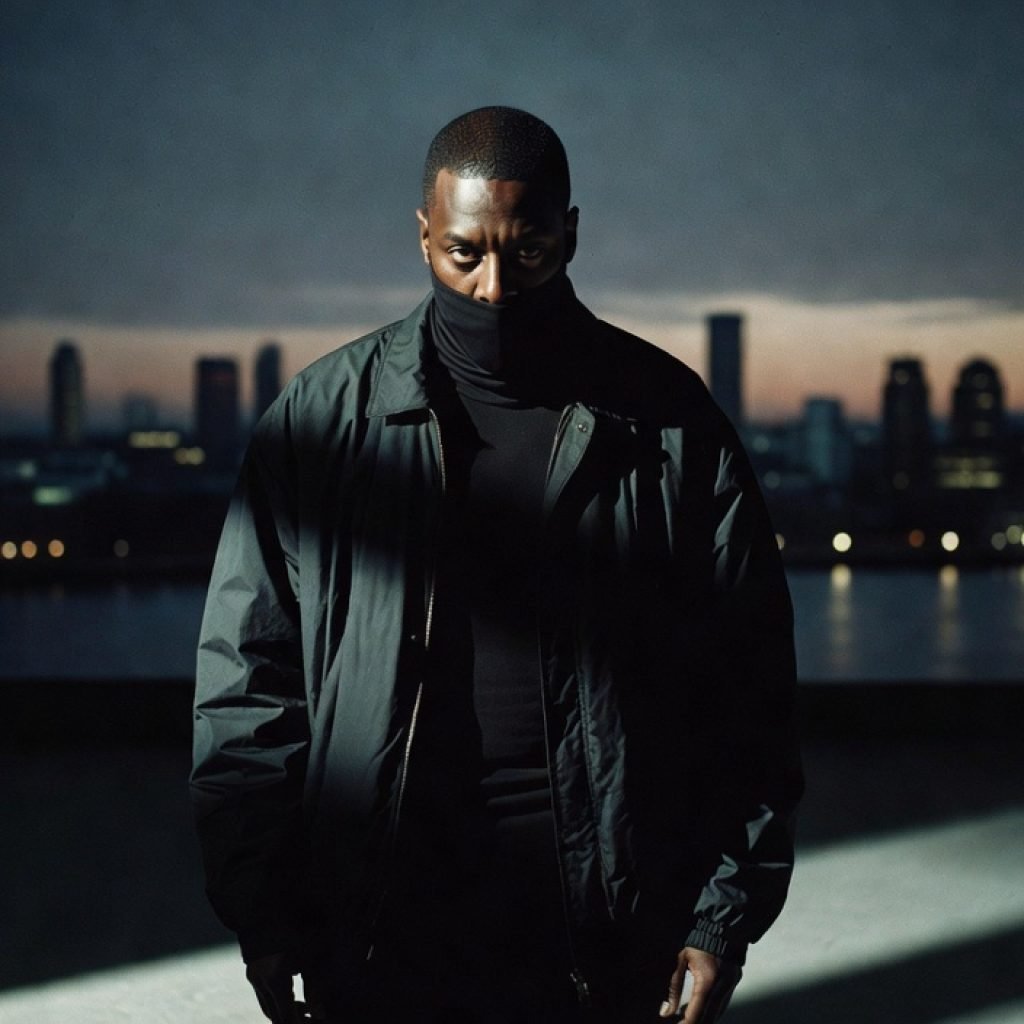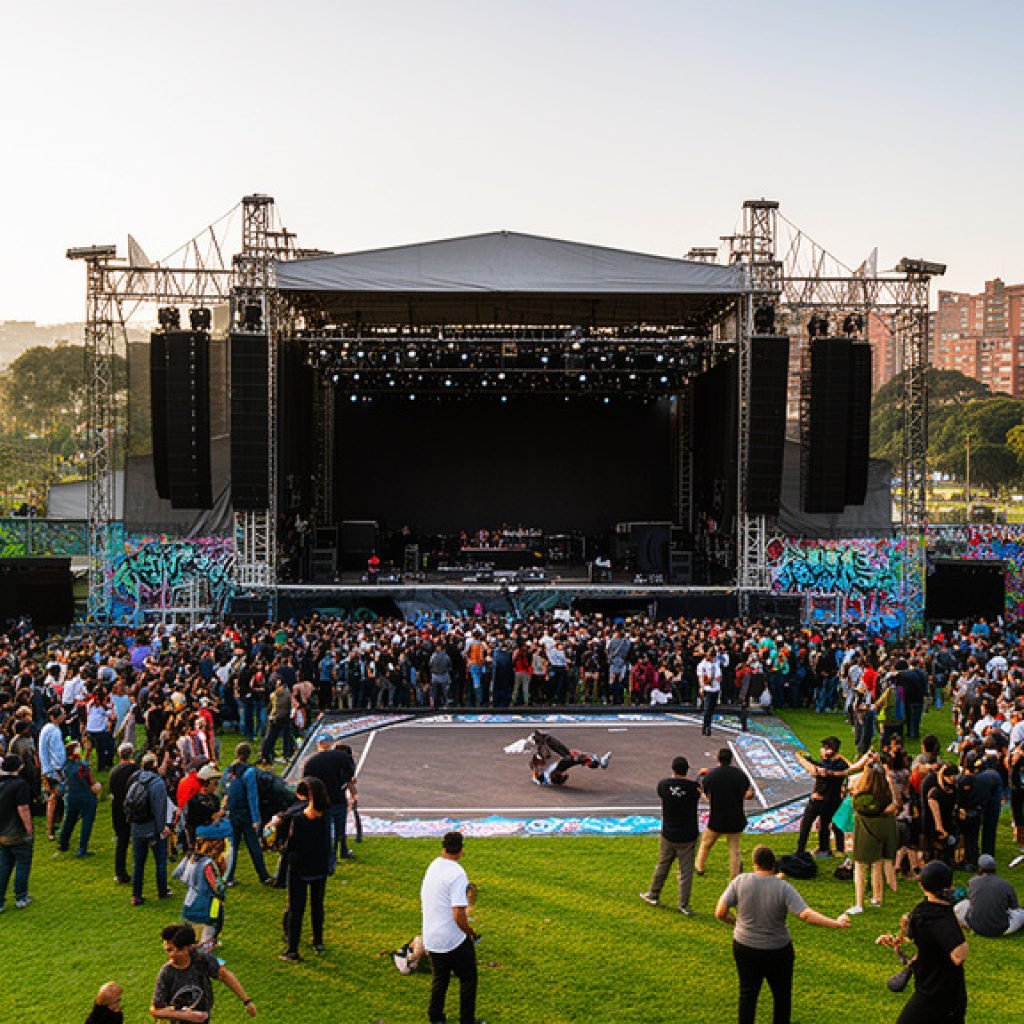
In an industry often crowded by ephemeral trends and artificial aesthetics, Makati-based rapper Waiian is anchoring his career on a singular, unwavering principle: radical authenticity. As he steps into the spotlight as one of the standout artists in the Spotify RADAR class of 2026, the artist—born Pablo Miguel Waiian Santos—is not just making music; he is refining the art of the honest narrative. For Waiian, the act of “keeping it real” is not merely a genre trope or a lyrical boast, but a deliberate creative strategy that has resonated deeply with a new generation of Filipino listeners hungry for substance over style.
Key Highlights
- Spotify RADAR Recognition: Waiian has officially been named to the Spotify RADAR Philippines class of 2026, marking a significant milestone in his professional trajectory.
- Authenticity as an Asset: By prioritizing vulnerable, intention-driven songwriting over surface-level industry trends, he has carved a niche that challenges the current “aesthetic-first” culture of the music business.
- The Makati Connection: His music serves as a sonic documentation of life in Makati, balancing the gritty reality of urban living with the introspective, “goofy” charm that defines his unique brand.
- Lyrical Superpower: From his early days of penning verses for a crush in 2017 to his current status as a label founder (LIAB Studios), Waiian’s evolution highlights the transition from localized storytelling to national influence.
The Anatomy of an Authentic Artist
Waiian’s ascent is not a product of calculated marketing schemes or viral soundbites; it is the result of a long-gestating commitment to his own truth. When he discusses his creative process, there is a distinct lack of pretension. He recalls his early foray into rap not through the lens of fame, but through the lens of discovery. His “superpower,” as he has described it in interviews, was the realization that words—when chosen with intention—could evoke genuine, raw emotion in others. This realization, born from a high school writing exercise where he successfully moved a listener to tears, became the foundation of his career.
Defining the ‘Makati Sound’
To understand Waiian is to understand the geography of his inspiration. Makati, a city defined by its stark contrasts—gleaming skyscrapers overlooking dense, complex residential neighborhoods—provides the perfect backdrop for his music. His lyrics often oscillate between the celebratory and the contemplative, mirroring the rhythm of the city itself. Whether he is dropping verses about e-bike rides through local streets or grappling with the pressures of the music industry, his settings are never abstract. They are grounded, specific, and palpably Filipino. This hyper-locality is what makes his music travel; by being so specific to his own experience, he achieves a universal relatability that broader, generic songwriting often fails to capture.
The Industry Versus the Individual
In the era of the “short-form video algorithm,” many artists face the temptation to manufacture their personas for engagement. Waiian operates in direct opposition to this. In a recent dialogue regarding the industry’s obsession with “aesthetic and senseless content,” he emphasized the necessity of sticking to one’s guns. This defiance is not just contrarian; it is essential for long-term sustainability. By building LIAB Studios and focusing on artistic independence, Waiian is signaling to his peers that the most valuable commodity an artist possesses is their individual voice. His work suggests that if the music is anchored in lived experience—love, frustration, humor, and ambition—the audience will inevitably follow.
Mapping the Future
As a 2026 RADAR artist, Waiian is at a crossroads where independent spirit meets mainstream platforming. The challenge for him, as with many “real-as-ever” artists, is to scale his reach without diluting the intimacy of his sound. However, his track record suggests he is well-equipped to handle this transition. By continuing to pair sharp-witted commentary with melodic, nocturnal trap beats, he maintains the balance between intellectual engagement and sheer listenability. The future of Philippine hip-hop, if Waiian is any indicator, is one that prizes the storyteller over the spectacle.
FAQ: People Also Ask
1. What is the significance of Waiian’s inclusion in Spotify RADAR 2026?
Spotify RADAR is a premier program designed to spotlight emerging artists on the verge of a breakthrough. For Waiian, this recognition acts as a bridge, introducing his “raw and real” brand of hip-hop to a wider, international audience, validating his approach in a competitive market.
2. How does Waiian’s label, LIAB Studios, contribute to his artistic independence?
LIAB Studios provides Waiian with the creative autonomy to produce and curate his music without the pressures of external corporate mandates. It functions as a hub for his creative vision, allowing him to maintain the “authentic” quality that defines his work.
3. Why do critics often describe Waiian’s lyrics as ‘introspective’?
Waiian often moves away from typical “braggadocio” rap tropes to explore themes of mental health, personal insecurity, and the complexities of human relationships. His ability to articulate these “soft” emotions while maintaining a hip-hop flow is what sets his lyrical style apart from his contemporaries.
4. Is Waiian’s music exclusively for the Philippine market?
While his content is deeply rooted in his Makati upbringing, the themes he explores—ambition, love, the struggle for authenticity—are universal. His technical proficiency and production quality make his sound highly exportable, contributing to the growing global interest in Southeast Asian hip-hop.