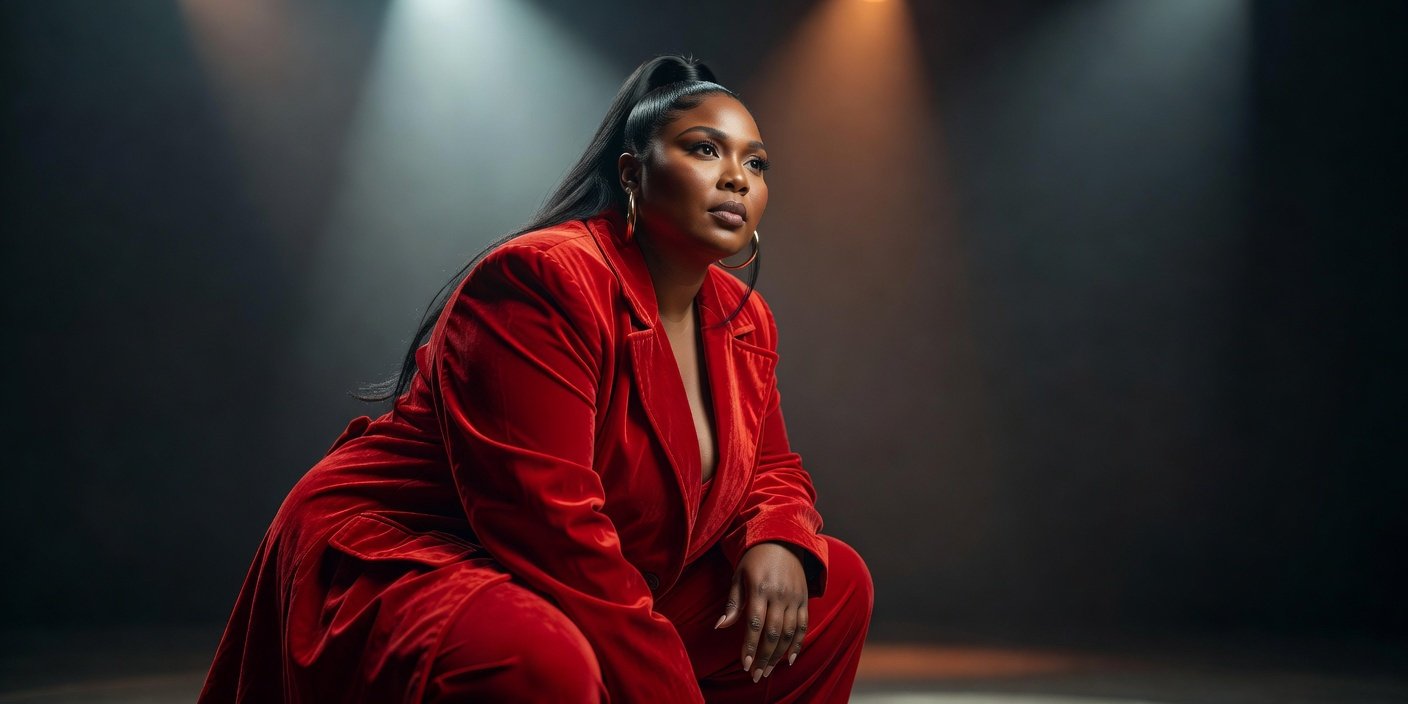
In an interview published on July 11, 2026, multifaceted entertainer Lizzo directly confronted her critics, stating that her very identity has positioned her as a perpetual target for negativity. “I’m a fat, black, happy girl – they were always going to try to tear me down,” Lizzo declared, articulating a long-held awareness of the scrutiny she faces. The Grammy-winning artist elaborated on her personal philosophy, explaining how she has cultivated the ability to transform what others might perceive as weaknesses or differences into her most potent “superpower.” This resilience, however, comes amidst a broader reflection on the often-overwhelming nature of fame, which she feels frequently eclipses her genuine artistic contributions. “It’s a challenge when the noise around you, the perception of you, becomes louder than the music itself,” she confided.
Identity as an Unshakeable Superpower
Lizzo’s assertion that her inherent characteristics – being fat, Black, and happy – are viewed as reasons for others to “tear her down” highlights a prevalent societal tendency to target individuals who defy conventional norms. However, she reframes this anticipated adversity not as a vulnerability, but as a source of inner strength. This perspective is crucial to her public persona and artistic output, allowing her to connect with a vast audience that also navigates societal pressures and prejudices. By embracing and celebrating these aspects of herself, Lizzo has built a powerful brand that resonates deeply, turning potential criticisms into a foundation for empowerment and a testament to self-acceptance in a world that often demands conformity.
The Double-Edged Sword of Fame and Artistry
Beyond the personal commentary on her identity, Lizzo also shared her frustrations regarding the pervasive influence of fame on her career. She articulated how the intense spotlight of celebrity can, at times, detract from the substance of her work. The public’s fascination with her persona, lifestyle, and controversies can overshadow the meticulous craft and emotional depth embedded within her music. This constant battle for her art to be seen and heard above the din of celebrity gossip and public opinion is a significant theme in her recent reflections. “My art is honest. It’s who I am. But sometimes, it feels like people are more interested in the spectacle than the sound,” she noted, underscoring the delicate balance she must strike.
‘Real Talk’: An Unflinching Musical Mirror
Discussing her latest musical project, Lizzo revealed that the album, tentatively titled “Real Talk” (a placeholder name for this article, as no specific album title was provided in the source data), serves as a direct and unembelished reflection of both her current state of mind and the broader world. A significant departure from her previous works, “Real Talk” deliberately eschews a neatly resolved or overtly optimistic outlook. Lizzo explained that this intentional shift was to provide a more authentic portrayal of contemporary struggles and complexities. “This album doesn’t have all the answers. It’s not about pretending everything is perfect or going to be okay,” she stated. “It’s about acknowledging the messiness, the uncertainty, and finding power within that reality.” This raw honesty signals a new, more introspective phase in her artistic journey, inviting listeners into a space of shared vulnerability rather than providing easy escapes.
Historical Context of Celebrity Scrutiny
Lizzo’s experience is not unique; throughout history, entertainers, particularly women and artists from marginalized communities, have faced intense public scrutiny and criticism. From Billie Holiday being targeted for her activism and personal life to modern icons facing a constant barrage of online commentary, the pressure to conform or face ostracization is a recurring narrative. Lizzo’s outspokenness and her ability to leverage her platform to address these issues contribute to an ongoing conversation about accountability in public discourse and the evolving dynamics of fame in the digital age.
The Shifting Landscape of Musical Narratives
The trend Lizzo describes in her latest album—moving away from purely optimistic narratives towards more complex emotional landscapes—reflects a broader shift in contemporary music. Audiences and artists alike are increasingly seeking authenticity, which often means exploring themes of struggle, doubt, and imperfect resolutions. This evolution signals a maturing music industry and a public that is perhaps more receptive to nuanced emotional expression, moving beyond a demand for simple feel-good anthems to embrace music that mirrors the multifaceted nature of life.
FAQ: People Also Ask
Q1: What did Lizzo say about the criticism she faces?
Lizzo stated that she always expected negative attention due to her identity as a “fat, black, happy girl,” viewing it as something critics would “always try to tear me down” for. She has learned to turn these perceived differences into a “superpower.”
Q2: How does Lizzo feel fame impacts her art?
She expressed that the challenges of fame often overshadow her artistic work, making it difficult for her music to be recognized above the public’s focus on her persona and controversies.
Q3: What is unique about Lizzo’s latest album?
Unlike her previous albums, Lizzo’s latest work is described as an honest reflection of herself and the current world, deliberately not offering a resolved or optimistic outlook on struggles, but rather acknowledging their complexity.
Q4: Who is Lizzo?
Lizzo is a Grammy Award-winning American singer, rapper, songwriter, and flutist known for her empowering anthems, vibrant performances, and advocacy for self-love and body positivity.