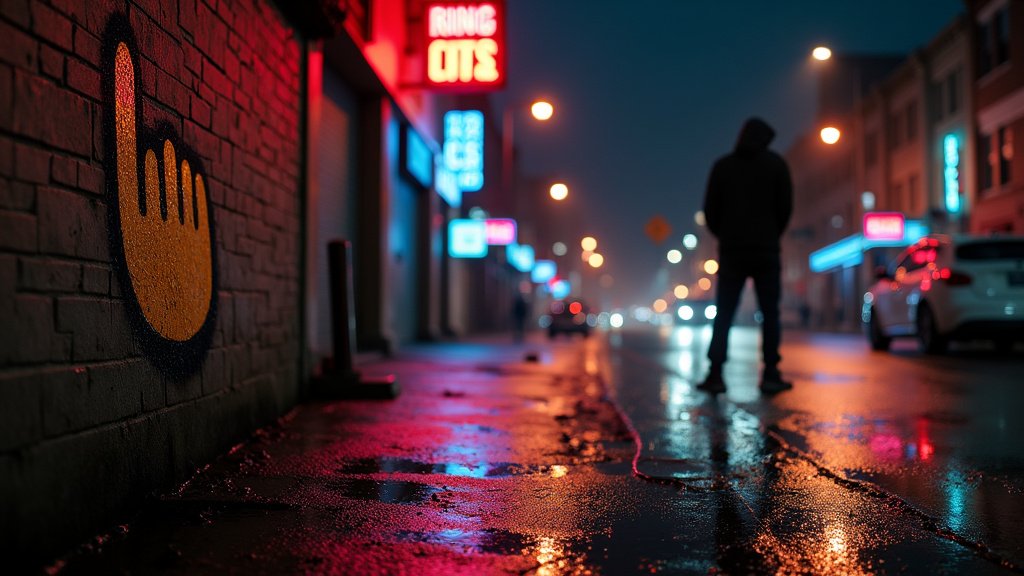
Atlanta, GA – The Future Atlanta Hip Hop landscape is undergoing a profound transformation. Rapper Future sent a blunt message on December 28, 2025. He tweeted a middle finger emoji. The sentiment clearly stated he was ready to move on from 2025. This declaration arrives during a seismic shift in Atlanta’s hip-hop scene. The music industry is grappling with the “streets” narrative. It’s a complex debate with deep roots in the Future Atlanta Hip Hop narrative.
The “F the Streets” Movement and Future Atlanta Hip Hop
Leading this shift is a prominent discussion around abandoning the glorification of street life. Rapper 21 Savage spearheaded a movement. He publicly declared “F the Streets.” This stance sparked immediate and intense debate within the hip-hop community. It questions the authenticity and impact of artists who built careers on street narratives. Many artists are now voicing similar sentiments. Young Thug, G Herbo, YFN Lucci, and Pooh Shiesty have all echoed this message. They are moving away from glorifying street culture. This signifies a significant evolution in hip-hop music, impacting the Future Atlanta Hip Hop scene.
21 Savage clarified his position. He stated he means the “street mentality.” This includes violence, jail time, and shaming personal growth. He emphasizes survival, financial literacy, and well-being. Many fans see this as growth. Others view it as a betrayal. Tekashi 6ix9ine, known for his own controversies, has mocked this rhetoric. The core question remains: does this sentiment translate into their music? Is it genuine change or calculated marketing in the Future Atlanta Hip Hop sphere?
YSL RICO Trial’s Impact on Future Atlanta Hip Hop
The YSL RICO trial has profoundly influenced this debate. Young Thug, whose real name is Jeffery Williams, faced serious charges. Prosecutors alleged he led YSL as a criminal enterprise. Gunna also faced indictment. He eventually took an Alford plea. This decision led to accusations of snitching from peers. The trial itself was a lengthy and complex legal battle. It involved numerous plea deals and some acquittals. The case’s outcome has intensified discussions about loyalty and the streets narrative debate. It also highlights the real-world consequences of street narratives. Many experts consider the entire YSL case a loss for all involved, casting a long shadow over Future Atlanta Hip Hop.
This legal turmoil has undoubtedly fueled the desire for change. Artists are re-evaluating their public personas. They are facing the stark realities tied to street life. The industry news cycles have been dominated by these events. They create a backdrop for Future’s cryptic message, shaping the Future Atlanta Hip Hop narrative.
Navigating Artist Dynamics and Past Tensions in Future Atlanta Hip Hop
Future himself has a history of complex relationships within the industry. He engaged in a notable beef with Drake in 2024. Diss tracks emerged from their collaborative album. There were rumors of reconciliation attempts. Young Thug even called for unity between Drake and Future. This suggests a desire for peace among some titans of the genre. Future also had a past spat with 21 Savage. However, Savage is now actively engaging in the “F the Streets” movement conversation. His outreach indicates a complex web of respect and dialogue. The involvement of artists like Latto adds another layer. She has past collaborations and associations with both Future and 21 Savage. Her position in any developing drama is complicated. One report even mentions an Atlanta stripper clashing with both Latto and Future. These intertwined histories create a tense environment for the Future Atlanta Hip Hop artists.
The Evolving Soundscape of Future Atlanta Hip Hop
Hip-hop has always been a powerful form of storytelling. It has evolved significantly from its origins. The genre now embraces more diverse narratives. These include personal growth and social commentary. This shift is particularly evident in Atlanta’s hip hop scene. Artists are moving beyond solely glorifying street life. They are focusing on messages of ambition and well-being. This evolution is also shaped by technology. Streaming platforms and AI tools influence music discovery and creation. Hip-hop continues its dominance in the music industry. It remains a vital genre. Its ability to reflect real-life stories connects deeply with listeners. The industry sees a continuous influx of new artists. They push the boundaries of rap music. This dynamic landscape encourages artists to adapt their messages, influencing the Future Atlanta Hip Hop sound.
Future’s statement reflects this broader trend. His desire to move on from 2025 suggests a weariness. It might stem from the ongoing controversies and the music industry reckoning. It could also signify a personal evolution. The Atlanta hip-hop scene is clearly at a crossroads. The debate over “streets” versus growth is reshaping its future. The industry watches as these narratives continue to unfold within Future Atlanta Hip Hop.