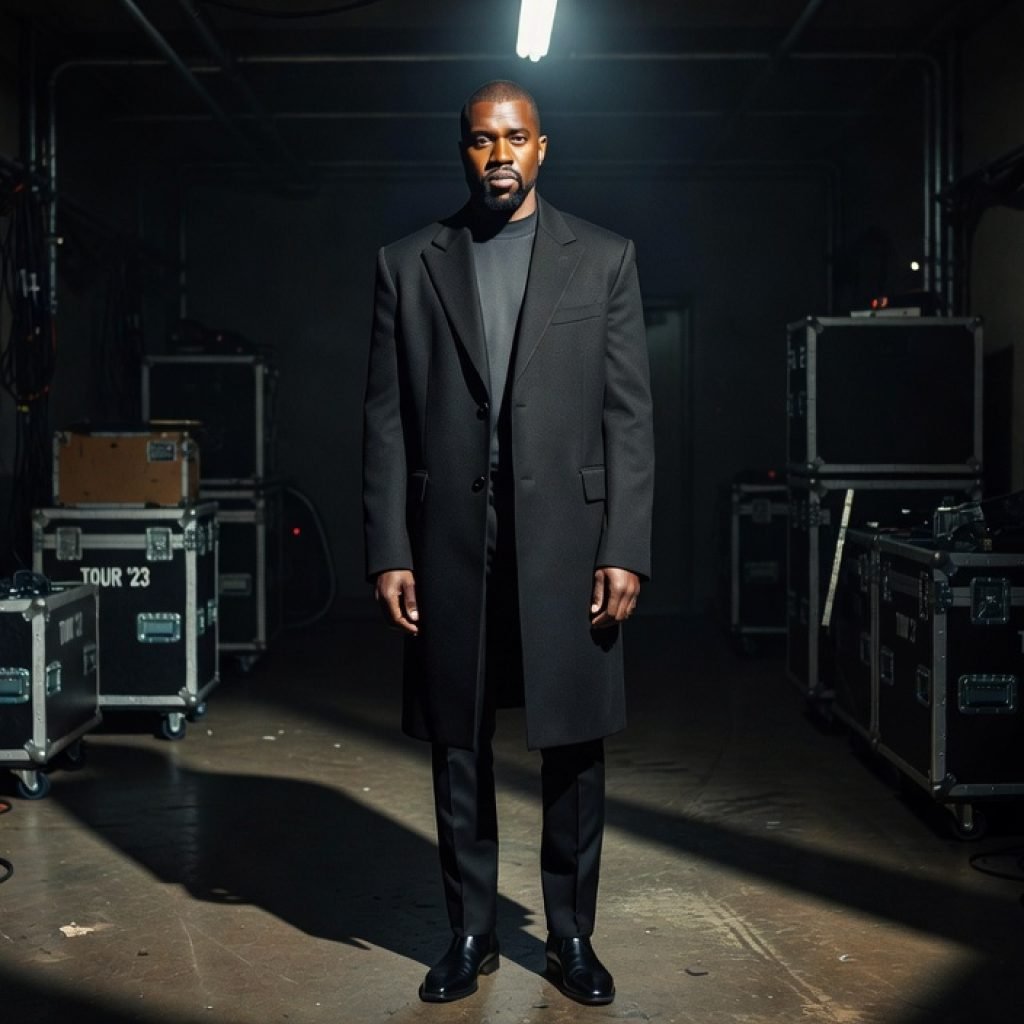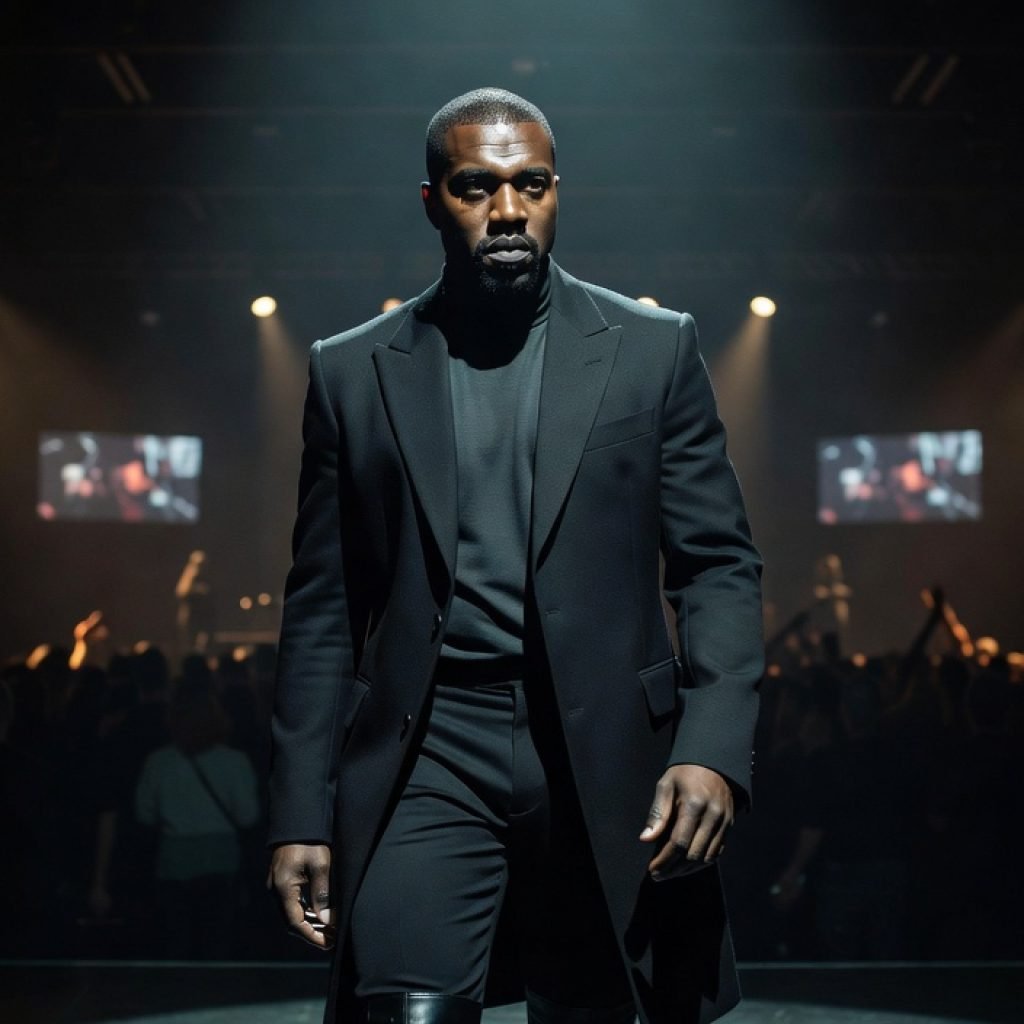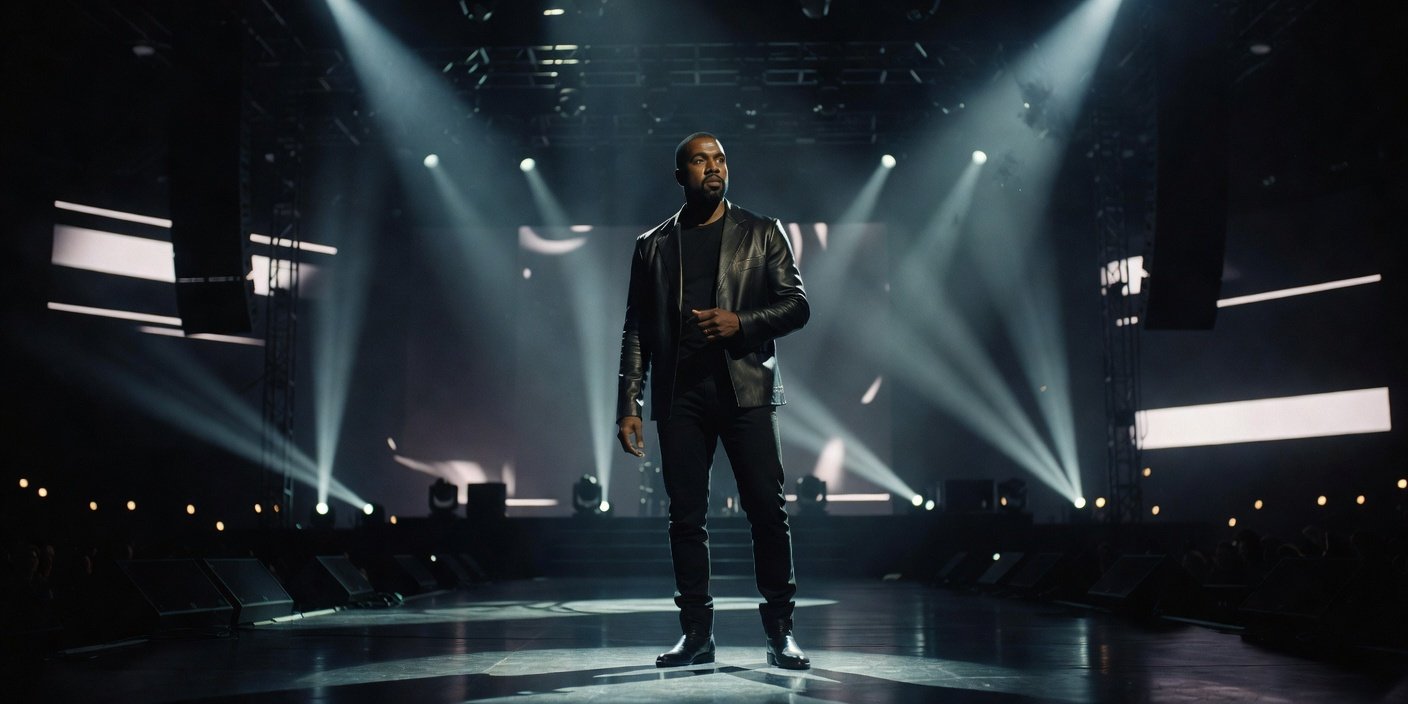
Kanye West’s return to the live stage has proven financially seismic, with reports indicating his recent comeback shows generated a staggering $33 million, reaffirming his enduring commercial power despite persistent public controversy. The figures, which have stunned industry analysts, underscore the intense demand for live experiences involving one of hip-hop’s most polarizing yet influential figures. By leveraging his massive global following and executing a high-intensity promotional strategy, West has demonstrated that his brand remains a potent revenue generator.
- Two recent high-profile comeback performances reportedly grossed a combined $33 million.
- The massive haul highlights the resilience of West’s commercial appeal among dedicated fanbases.
- Ticket sales and associated merchandise revenue contributed significantly to the record-breaking figures.
- Industry experts point to the scarcity of live West performances as a key driver for the high ticket pricing and secondary market demand.
The Commercial Force of West’s Live Comeback
Analyzing the Revenue Streams
The $33 million figure represents a confluence of factors, primarily driven by premium ticket pricing and unprecedented merchandise sales. In the modern music economy, where touring is the primary income stream for major artists, West’s ability to command such a high price point illustrates a sophisticated understanding of supply and demand. By limiting the number of shows, he effectively drove up the valuation of each seat, creating an environment where dedicated supporters felt compelled to secure access regardless of cost. Furthermore, the integration of exclusive, event-specific merchandise served as a high-margin secondary revenue source, a strategy that has become a hallmark of his business operations.
The Impact of Controversy on Brand Value
For years, observers have questioned whether West’s controversial public statements would ultimately erode his commercial viability. This recent financial data suggests a complex reality: while institutional partnerships and corporate endorsements may have been severed, his core audience remains largely undeterred. This phenomenon, often observed with legacy artists, suggests that the perceived authenticity—however provocative—actually intensifies engagement among a specific segment of the population. This financial validation provides West with significant leverage, allowing him to bypass traditional industry gatekeepers and operate on his own terms, effectively insulating his business model from mainstream media pressures.
Market Outlook and Future Touring
The sheer scale of this revenue will undoubtedly shift conversations within the concert promotion industry. Promoters and venue operators, once perhaps hesitant to partner with the artist due to reputational risks, will be forced to weigh those concerns against the undeniable economic incentive presented by such robust ticket sales. As West continues to navigate his career, the success of these shows sets a precedent for his future endeavors. If this trajectory holds, it is likely that we will see further high-ticket, high-exclusivity performances, potentially moving away from traditional multi-city tours in favor of strategic, global pop-up spectacles that maximize revenue while minimizing logistical overhead.
FAQ: People Also Ask
How did Kanye West manage to generate $33 million in just two shows?
This total was achieved through a combination of high-demand, premium-priced ticket tiers and exceptionally high conversion rates for event-exclusive merchandise, capitalizing on the scarcity of the performances.
Does this financial success signal a complete comeback for Kanye West?
While commercially successful, this indicates a strong financial recovery rather than a broader cultural or corporate rehabilitation. West maintains a massive, dedicated audience that continues to drive his economic success independently of traditional media approval.
Will this influence future ticket prices for major hip-hop artists?
It is likely to embolden artists with similar cultural cachet to experiment with higher price points and more exclusive, limited-run performance models to maximize revenue efficiency.