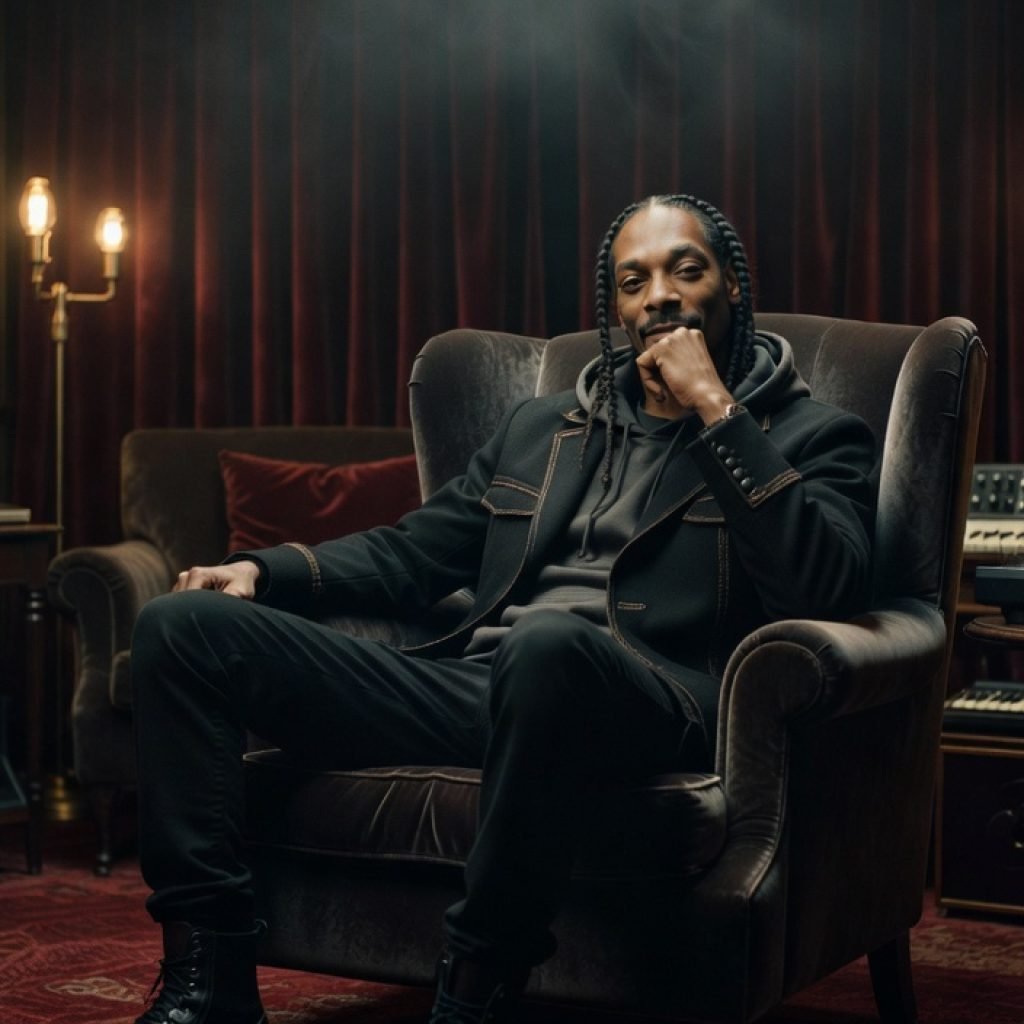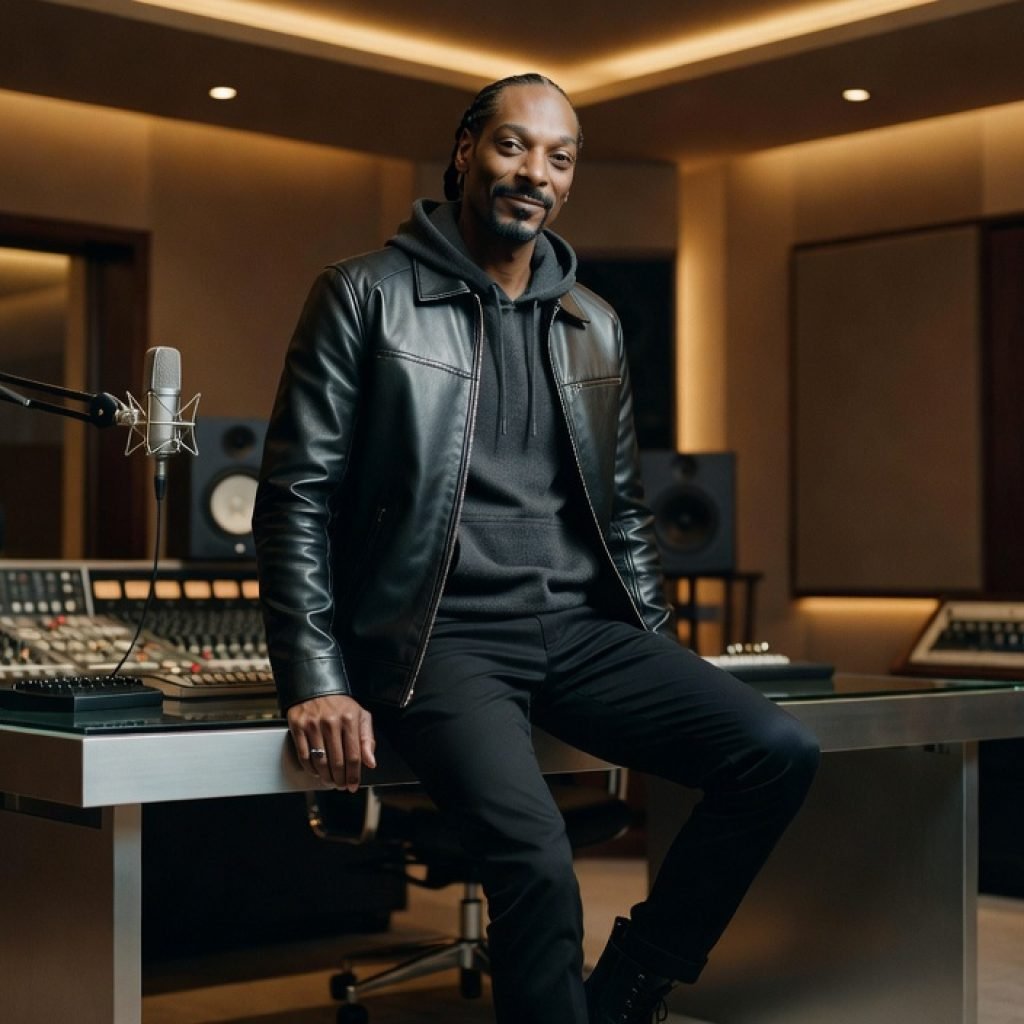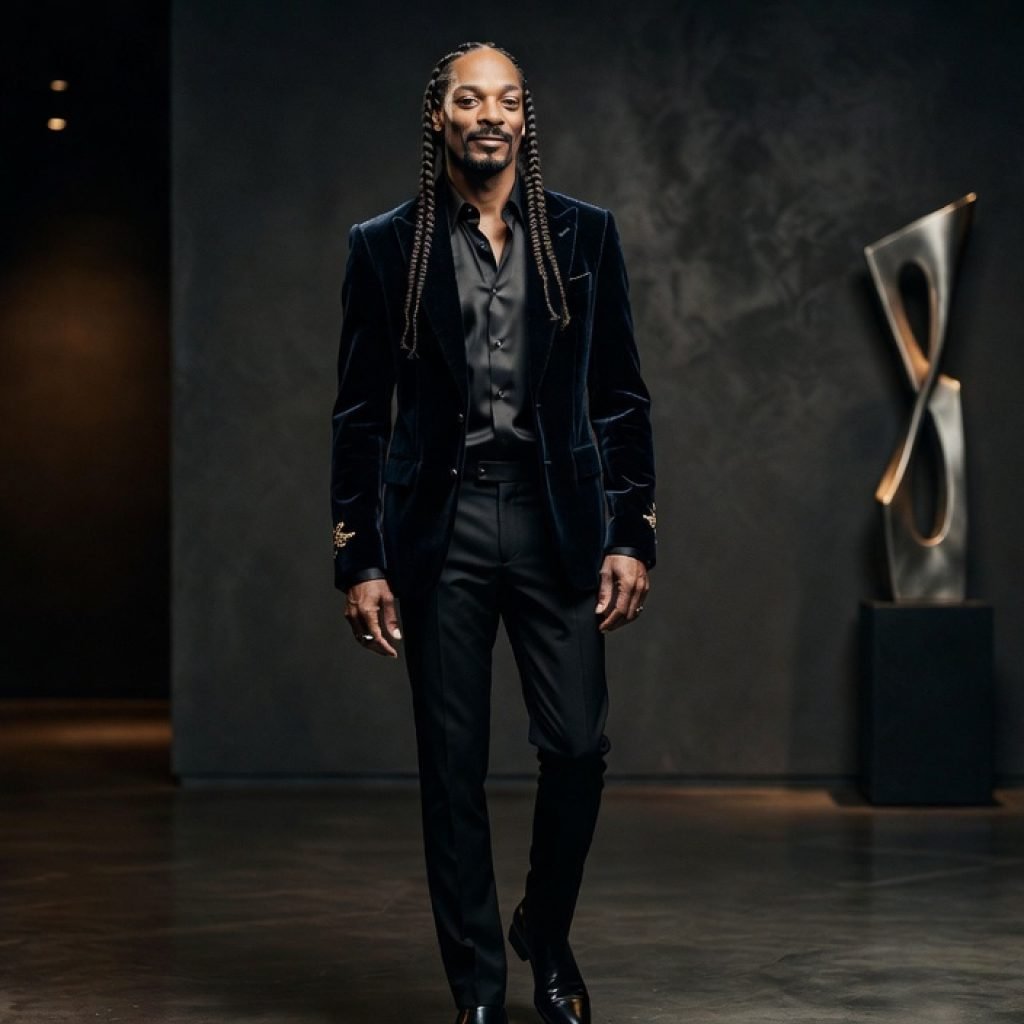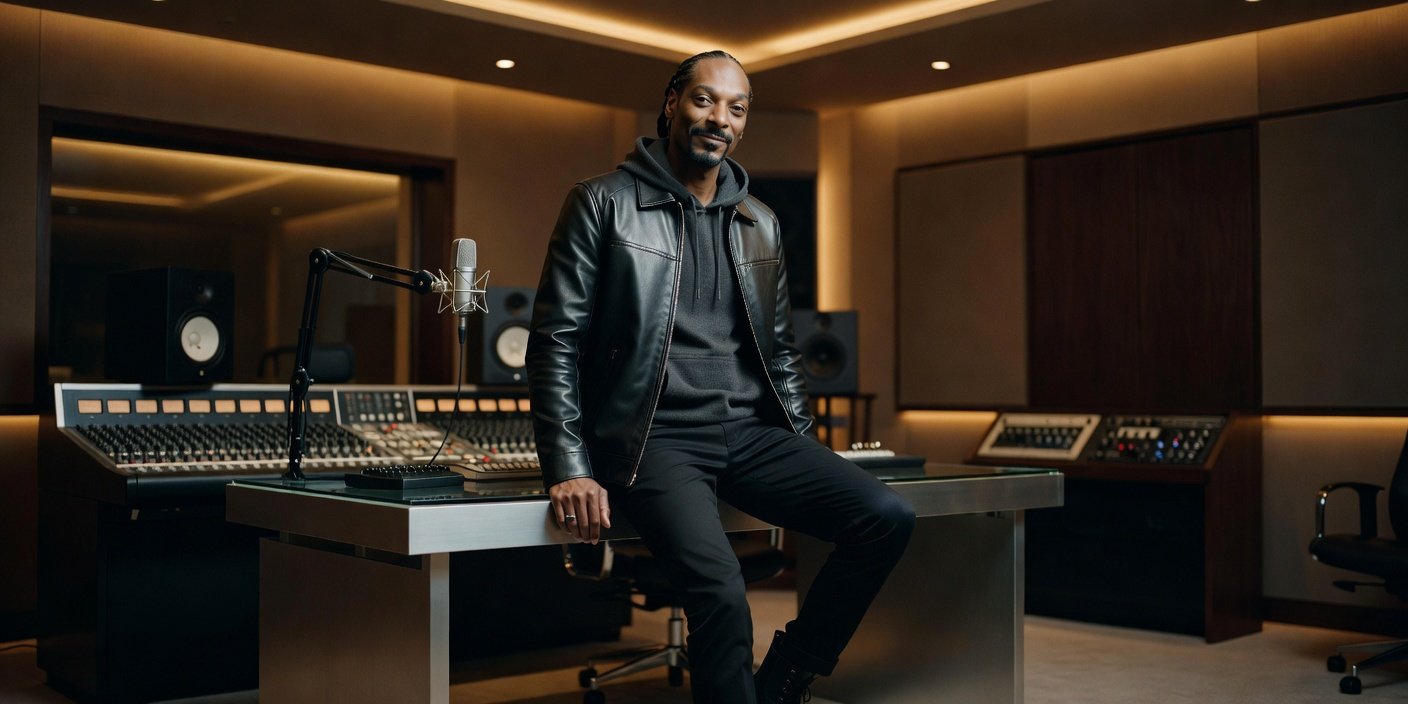
Snoop Dogg has officially returned to the forefront of the music industry with the release of his 22nd solo studio album, 10 Til’ Midnight, a project that functions as both a celebration of West Coast heritage and a defiant statement of creative independence. Dropping via his own Death Row Records in partnership with gamma, the 14-track project arrives as a testament to the rapper’s unparalleled longevity, arriving just in time to solidify his status as the primary architect of his own artistic narrative. By blending the gritty, authentic spirit of early 90s G-Funk with the high-fidelity production standards of 2026, Snoop Dogg has crafted a record that resonates with both his original fan base and a new generation of listeners, proving once again that his influence remains an immovable pillar of hip-hop culture.
Key Highlights
- Release Milestone: 10 Til’ Midnight marks Snoop Dogg’s 22nd solo studio album, solidifying his standing as one of the most prolific artists in hip-hop history.
- Production Powerhouse: The album features high-profile production credits from Swizz Beatz, Pharrell Williams, and Snoop himself, bridging the gap between classic West Coast bounce and modern avant-garde rap.
- Death Row Autonomy: Released through the resurrected Death Row Records, the project underscores Snoop’s successful transition from artist to mogul, leveraging full creative and business control.
- Lyrical Depth: The album’s thematic core focuses on personal growth, reflection on his career trajectory, and the realities of maintaining success in a rapidly evolving music landscape.
The West Coast Renaissance: Snoop Dogg’s ’10 Til’ Midnight’
The release of 10 Til’ Midnight is not merely a collection of songs; it is a cultural artifact that situates Snoop Dogg at the intersection of rap history and modern industry disruption. In an era where many legacy acts struggle to maintain relevance, Snoop has navigated the shifting tides of the streaming economy by prioritizing quality over volume, despite the impressive scale of his discography. The album acts as a spiritual successor to his earlier work, yet it feels entirely distinct, characterized by a refined maturity that only three decades of experience can provide.
The Death Row Rebirth and Industry Autonomy
For decades, Death Row Records was a label synonymous with controversy, danger, and the absolute peak of the West Coast sound. Under Suge Knight, the label was a crucible of creativity and turbulence. When Snoop Dogg acquired the label, many wondered if it would become a mere nostalgia act. 10 Til’ Midnight proves that the label is now a viable, modern business vehicle. By releasing this project through Death Row in partnership with gamma, Snoop has bypassed the traditional gatekeepers that often restrict artists of his tenure. This independence allows for the distinct, uncompromised sound found on the album—there are no label mandates forcing a radio-friendly pop crossover here; instead, the music feels raw, focused, and deeply personal.
This shift in business structure is arguably as important as the music itself. By controlling the masters and the distribution channel, Snoop is demonstrating a blueprint for legacy artists. He is no longer asking for a seat at the table; he has built the table. This autonomy permeates every track, giving the album a cohesive sonic identity that feels like a singular vision rather than a collaborative hodgepodge.
Artistic Evolution and Production Dynamics
One of the most striking aspects of 10 Til’ Midnight is its sonic landscape. The collaboration with Swizz Beatz, known for his explosive and percussion-heavy production style, alongside the sleek, melodic sensibilities of Pharrell Williams, creates a fascinating tension. Snoop Dogg acts as the calm anchor amidst this production variety. His flow, often described as conversational, has evolved into a rhythmic, almost spoken-word delivery that prioritizes clarity and wisdom over the hyper-speed lyricism that dominates modern trap music.
Tracks on the album oscillate between aggressive, bass-heavy anthems that call back to the Chronic-era sound and introspective, mid-tempo records that allow for storytelling. This balance is critical. It avoids the pitfall of sounding outdated—a common trap for artists with as much history as Snoop—while refusing to succumb to the homogenization of modern streaming playlists. The production team, which also includes stalwarts like Nottz and MyGuyMars, has clearly been instructed to push boundaries, resulting in a soundscape that feels both nostalgic and futuristic.
Defining a Legacy: The 22-Album Marathon
To release 22 solo studio albums is a feat that very few artists in any genre have achieved. It requires an extraordinary level of work ethic and an ability to adapt without losing one’s core identity. Where other artists have faded, pivoted to different industries, or been crushed by the changing trends of the industry, Snoop Dogg has remained the constant. He has become a brand unto himself—a pop culture fixture whose face is as recognizable as his voice.
This album serves as a reflection on that journey. Throughout the lyrics, there is a recurring focus on survival and triumph. Snoop is not just rapping about street life anymore; he is rapping about the complexities of leadership, the burden of being a figurehead for a movement, and the relentless pursuit of excellence. He addresses the critics who thought he was ‘done’ years ago, silencing them not with angry outbursts, but with the undeniable quality of the work. 10 Til’ Midnight is not just a victory lap; it is a reaffirmation of purpose. It suggests that even after all this time, the mission is not complete—there are still stories to tell, and there is still culture to shape.
Secondary Angles: The Future of the Legacy Act
1. The Business Model Shift: How Snoop’s acquisition of Death Row and partnership with gamma sets a new precedent for legacy artists reclaiming their catalogues and future output.
2. Cultural Ubiquity: Analyzing how Snoop’s presence in television, commercials, and tech ventures creates a feedback loop that boosts his music consumption, effectively creating a self-sustaining marketing engine.
3. The Sonic Evolution of G-Funk: A deep dive into how 10 Til’ Midnight deconstructs and reconstructs the G-Funk genre for the 2026 listener, proving that the ‘West Coast sound’ is a timeless aesthetic rather than a dated sub-genre.
FAQ: People Also Ask
Q: Is 10 Til’ Midnight Snoop Dogg’s final album?
A: While Snoop Dogg has hinted at retirement in the past, the release of his 22nd studio album proves he is still very much active and evolving creatively. There has been no official word on this being his final project.
Q: Where can I stream 10 Til’ Midnight?
A: The album is available on all major streaming platforms, including Spotify, Apple Music, and Tidal, as well as digital purchase options via the official Death Row Records channels.
Q: Who produced 10 Til’ Midnight?
A: The project features a diverse production lineup, including Swizz Beatz, Pharrell Williams, Nottz, Rick Rock, Soopafly, MyGuyMars, and Snoop Dogg himself.
Q: How does this album connect to Snoop’s legacy with Death Row Records?
A: Since Snoop Dogg now owns Death Row Records, this album serves as a symbolic and literal reclaiming of his roots, merging the label’s storied past with his current status as an independent business mogul.