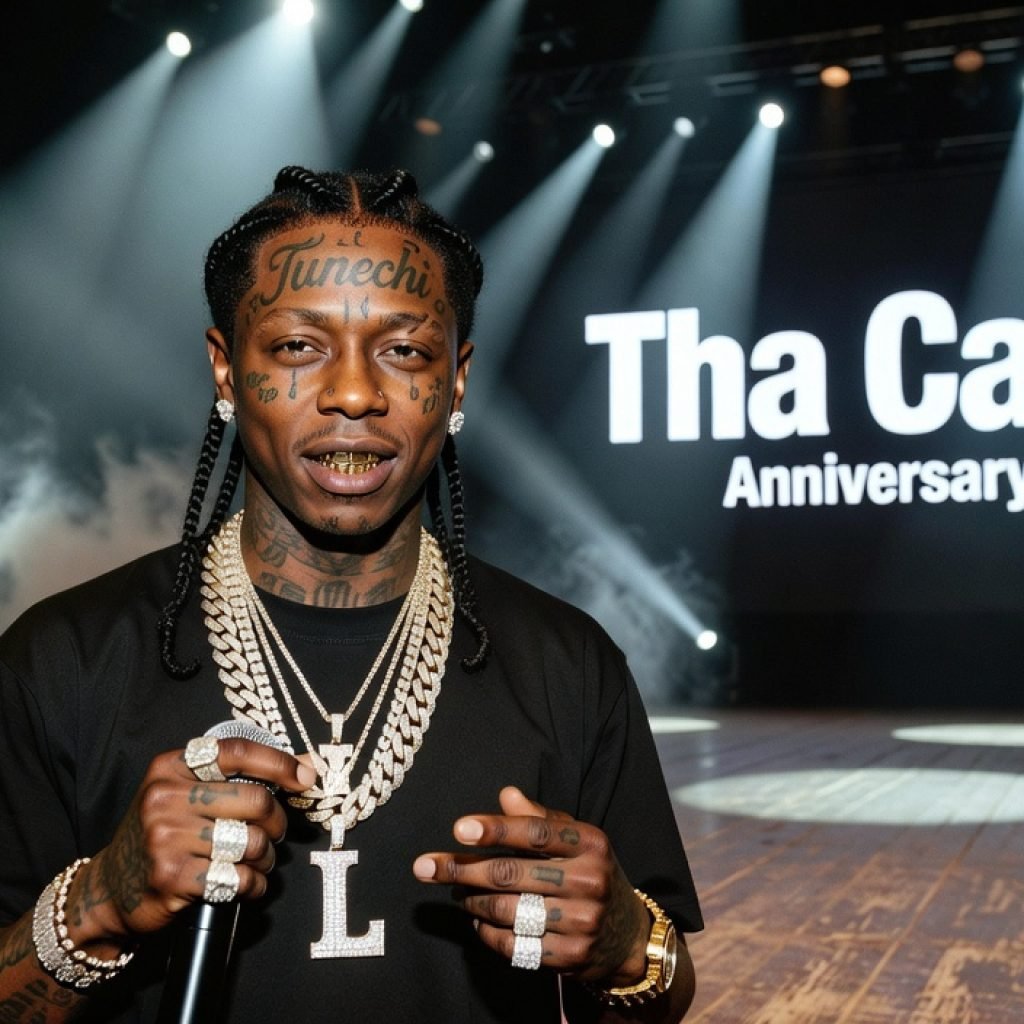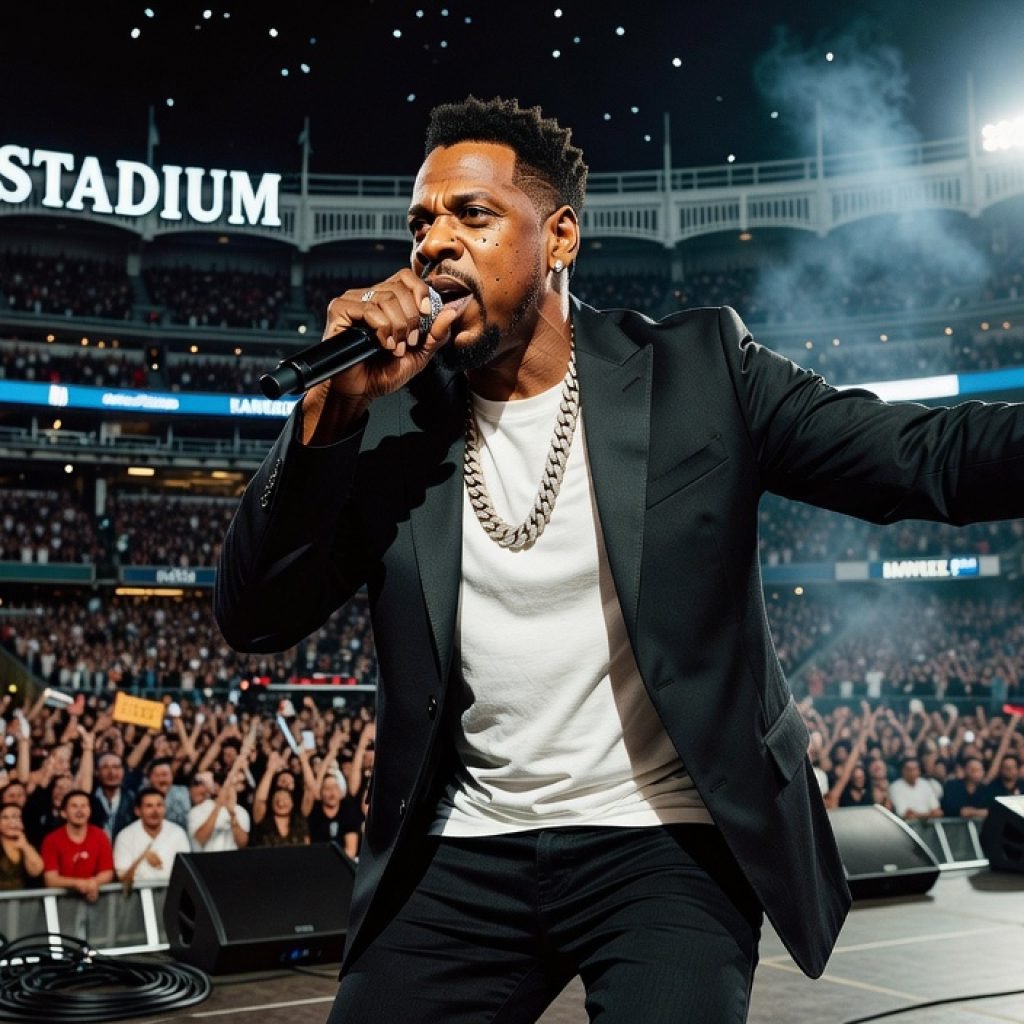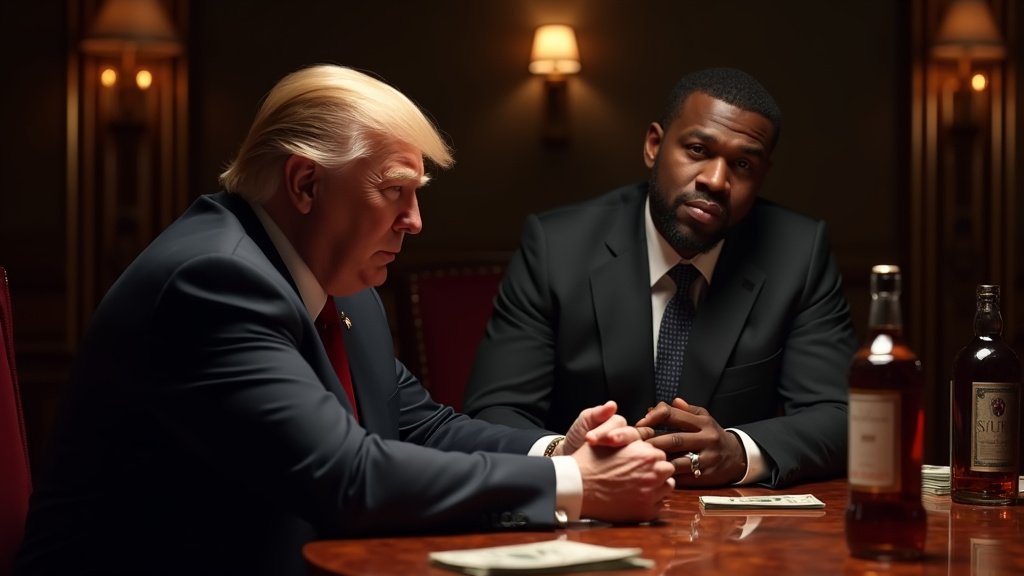
Donald Trump Jr. recently praised rapper 50 Cent’s intense “hater energy,” a sentiment he shared via a Trump Jr. Instagram post that quickly gained attention. 50 Cent then reposted the message, sparking an online debate centered on selective outrage in the hip-hop community. This exchange fuels questions about why similar criticism isn’t directed at figures like Trump Jr. himself, especially given the ongoing discussions surrounding the Sean “Diddy” Combs documentary and the broader context of hip hop politics. The initial Trump Jr. 50 Cent interaction has undeniably stirred the pot, drawing parallels to other controversies.
The Diddy Documentary Controversy and the Trump Jr. 50 Cent Connection
The Netflix docuseries “Sean Combs: The Reckoning” debuted on December 2, 2025, and rapidly became a significant cultural talking point. The series delves into Sean “Diddy” Combs’ rise, his controversies, and his recent legal troubles. Notably, the documentary is executive produced by 50 Cent, who has a long-standing rivalry with Combs. This connection adds another layer to the public discourse, especially when contrasted with the recent Trump Jr. 50 Cent interaction, which some view through the lens of selective outrage. The film revisits Combs’ career and allegations against him, utilizing archival material and new testimony to offer a comprehensive view. Despite achieving high viewership and ranking among Netflix’s top shows, Combs’ legal team has denounced the series as a “shameful hit piece,” claiming unauthorized footage use. The Diddy documentary controversy provides a significant backdrop for understanding the dynamics of public perception in hip hop.
50 Cent’s Long-Standing Feud with Diddy and Its Relation to Trump Jr. 50 Cent
The public rivalry between 50 Cent and Sean “Diddy” Combs spans nearly two decades, originating in 2006 with 50 Cent’s diss track “The Bomb.” This beef has involved accusations, business rivalries (particularly concerning vodka brands), and ongoing public commentary from 50 Cent. His production of the Netflix documentary on Combs, framed as a pursuit of accountability, further intensifies this long 50 Cent Diddy feud. This history of public confrontation and criticism from 50 Cent makes his recent interaction with Donald Trump Jr. even more noteworthy, prompting discussions about the motivations behind public statements and the potential for alliances within the celebrity and hip hop spheres, especially when considering the Trump Jr. 50 Cent dynamic.
Trump Jr.’s Praise and 50 Cent’s Response: The Trump Jr. 50 Cent Exchange
Donald Trump Jr. ignited the recent stir by posting a meme about 50 Cent, which read, “50 Cent makes me realize I’m not hating to my full potential.” Trump Jr. humorously added that he needed to “step up my game.” 50 Cent, embracing the commentary, reposted this on Instagram with the caption, “Yes, let’s make 2026 great. I’m in the gym getting ready now! LOL.” This specific Trump Jr. 50 Cent exchange quickly gained traction online, eliciting mixed reactions from fans who appreciated 50 Cent’s aggressive style but also questioned the political implications. The directness of this interaction, highlighting the Trump Jr. 50 Cent connection, brought these broader issues of selective outrage to the forefront.
The Nicki Minaj Parallel: Selective Outrage in Hip Hop Politics?
The online discussion surrounding the Trump Jr. 50 Cent post quickly pivoted to comparisons with Nicki Minaj. Minaj has faced significant backlash for her political stances, including past praise for Donald Trump and controversial comments regarding transgender youth that echoed Republican talking points. Many fans observed a stark difference in public reaction, questioning why Trump Jr.’s post with 50 Cent didn’t elicit similar widespread outrage. Users pointed out the disparity, asking, “Where’s the outrage for him or y’all only care when it’s Nicki Minaj?” and noting, “It’s been over 2 hours and nobody hasn’t said anything!” This highlights the perceived selective outrage hip hop artists face, particularly when contrasting responses to Minaj’s political engagements with the more muted reaction to the Trump Jr. 50 Cent interaction. The Nicki Minaj backlash serves as a benchmark for scrutiny.
Fans Compare Reactions to Trump Jr. and 50 Cent vs. Nicki Minaj
Fans debated the concept of selective outrage within the hip-hop space, referencing 50 Cent’s history of public support for Donald Trump, including congratulating him after the 2024 election. This historical context, combined with the recent Trump Jr. 50 Cent interaction, led some users to express disappointment, feeling that the label of “smearing Nicki” was being applied unevenly. The comparison drawn by fans emphasizes a perceived double standard in how artists’ political statements and associations are received and scrutinized. This scrutiny, or lack thereof, is a key element in understanding the discourse surrounding hip hop politics and the differing receptions of artists like 50 Cent and Nicki Minaj when they engage with the political landscape.
Broader Implications for Hip Hop and Politics: The Trump Jr. 50 Cent Case Study
This incident, particularly the Trump Jr. 50 Cent exchange, underscores the intricate relationship between hip-hop and politics. While hip-hop has a rich history of social commentary, artists’ political alignments can prove divisive. Nicki Minaj’s journey illustrates this, shifting from policy condemnation to aligning with conservative figures, alienating some fans while attracting others, and becoming an unexpected figure for certain political movements. The contrast with the reaction to 50 Cent and Trump Jr. is significant, raising questions about fairness and who faces scrutiny. This dynamic is a continuous theme within the music industry and hip hop politics.
The Culture of “Hater Energy” and the Trump Jr. 50 Cent Commentary
50 Cent is widely recognized for his signature “hater energy,” frequently utilizing social media for trolling and criticism – a distinct part of his public persona. His long-standing confrontation with Diddy, and his production of the documentary about Combs, are prime examples that fuel this narrative. Trump Jr.’s praise validates this persona, yet it also draws attention to potential political alignments. The debate sparked by the Trump Jr. 50 Cent commentary centers on how fans and media interpret these actions, questioning whether this energy is genuine or performative within the broader context of hip hop politics.
Artists Navigating Political Waters: The Trump Jr. 50 Cent Dynamic
Many artists carefully navigate the complex waters of political engagement. While some embrace activism, others avoid it to maintain broad appeal. Nicki Minaj’s experiences demonstrate the inherent risks; her political evolution has drawn both criticism and support from various groups. The contrast with the reception of the Trump Jr. 50 Cent interaction is notable, prompting discussions about fairness and the differential scrutiny artists face. This ongoing dynamic continues to shape perceptions within the music industry and the realm of hip hop politics.
Conclusion: Trump Jr. 50 Cent and the Shifting Landscape of Celebrity and Politics
The exchange between Donald Trump Jr. and 50 Cent, particularly concerning the Trump Jr. 50 Cent interaction, highlights persistent tensions within art, politics, and celebrity culture. The debate over selective outrage hip hop artists face continues, examining how the public perceives political statements from these figures. The Diddy documentary controversy provides a relevant backdrop, fueling discussions about accountability. This news cycle exemplifies the blurred lines between entertainment, personal lives, and political commentary. The hip-hop world is continually grappling with these complex issues, with fans closely observing and evaluating perceived double standards and artist responsibility in the intersection of hip hop politics.