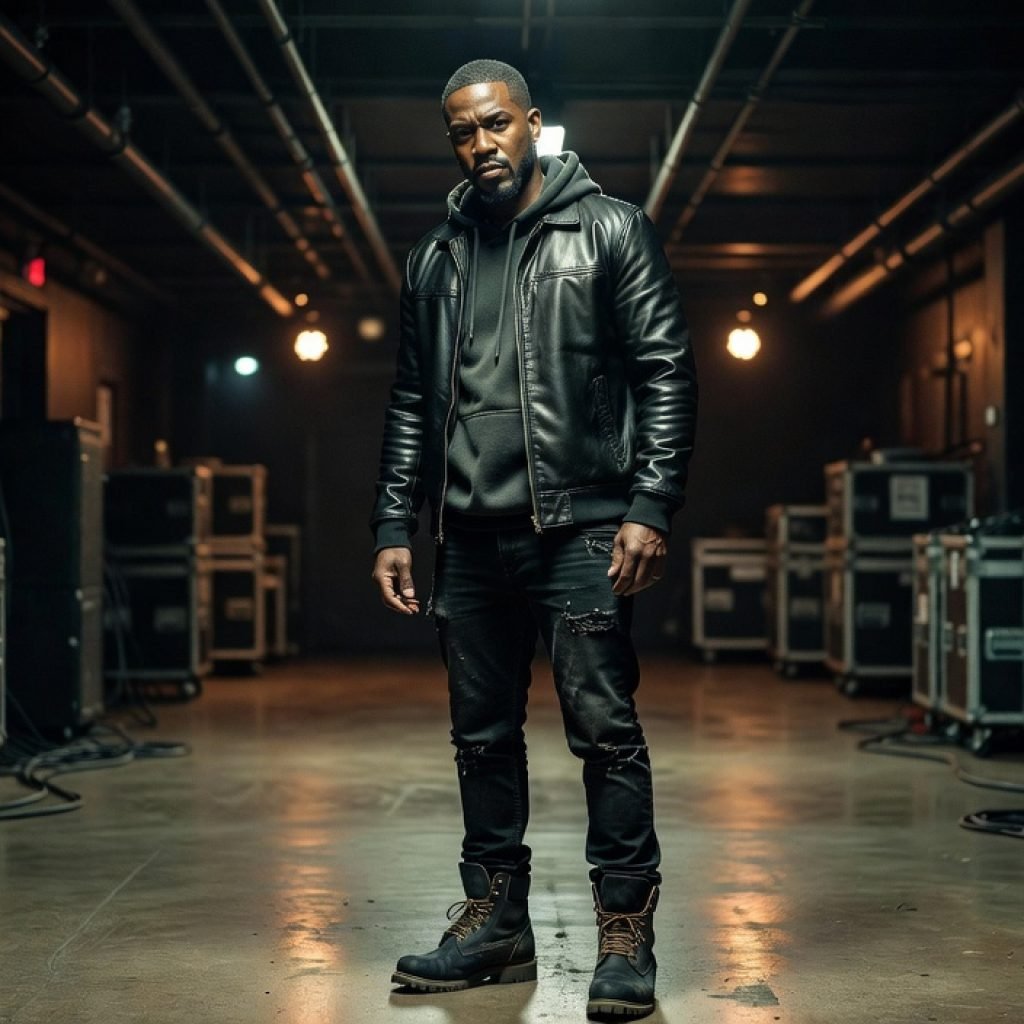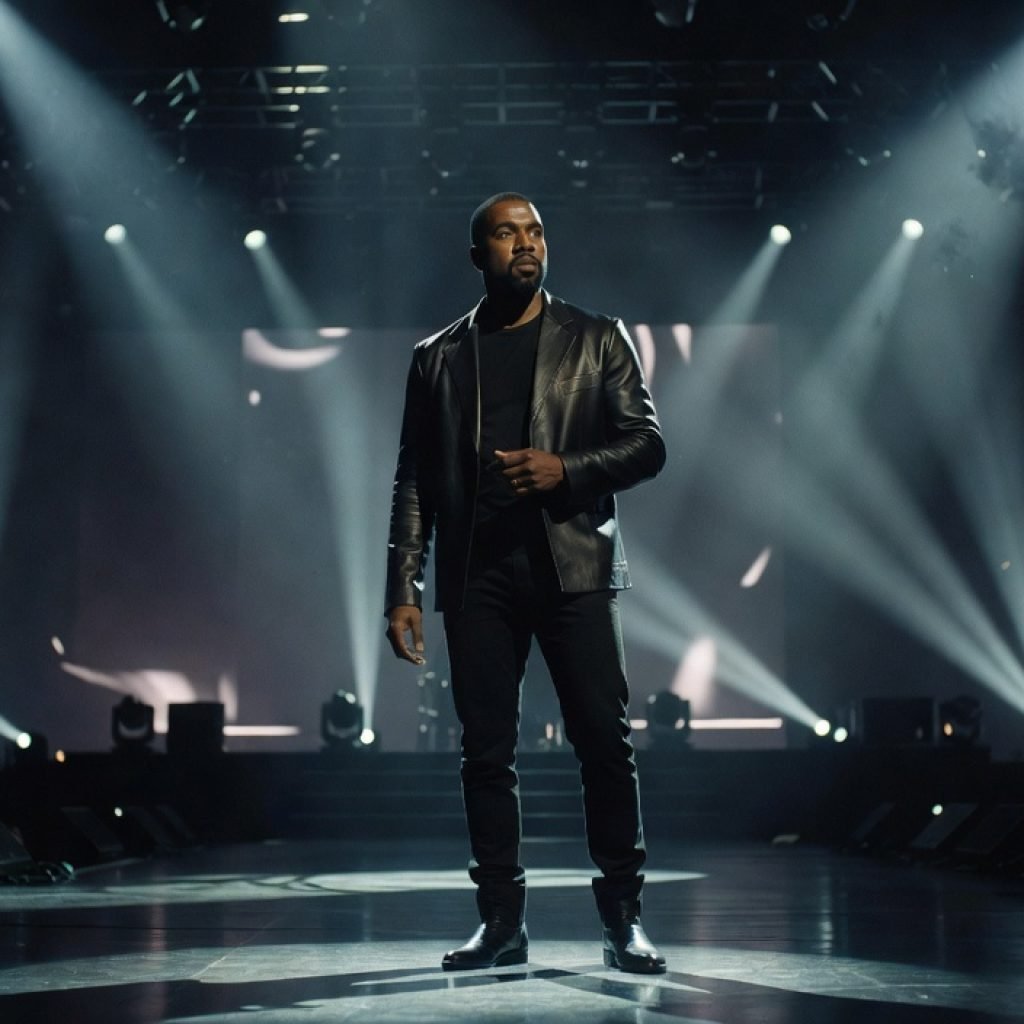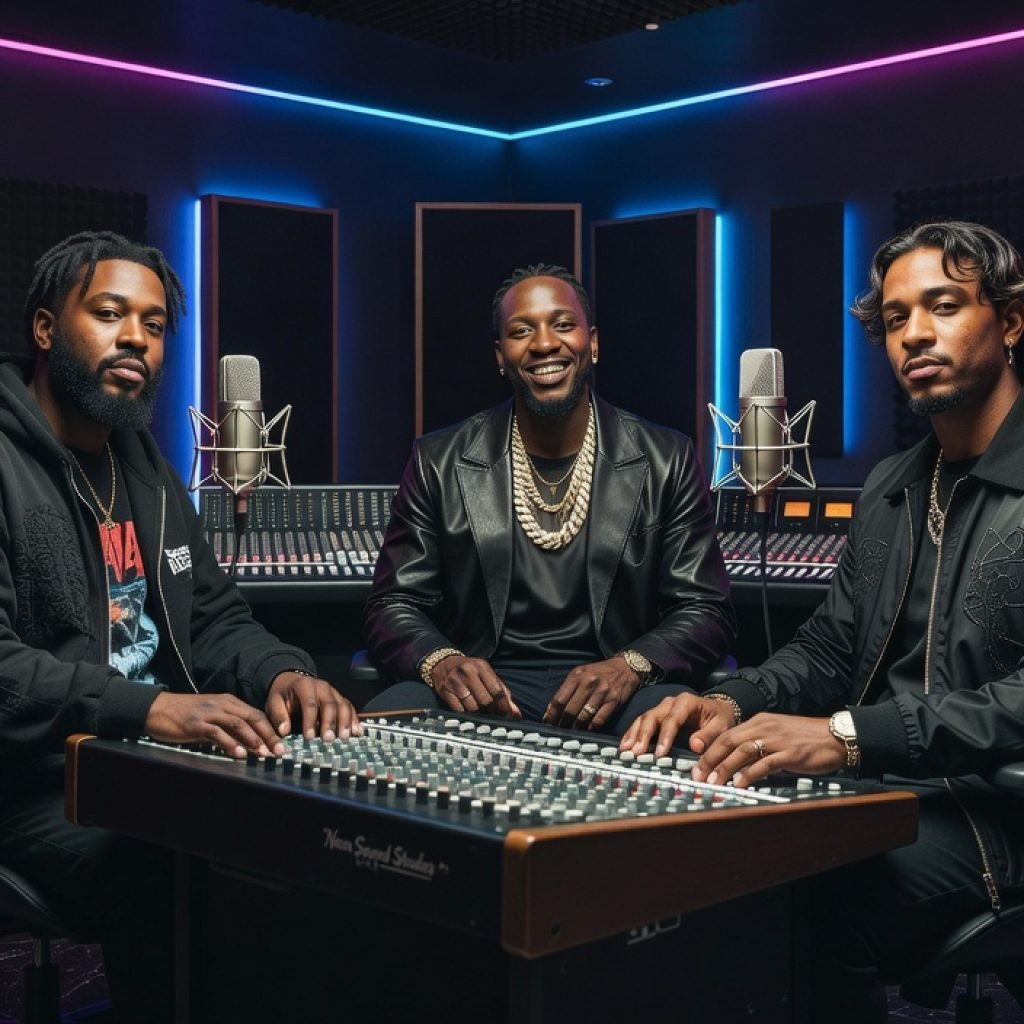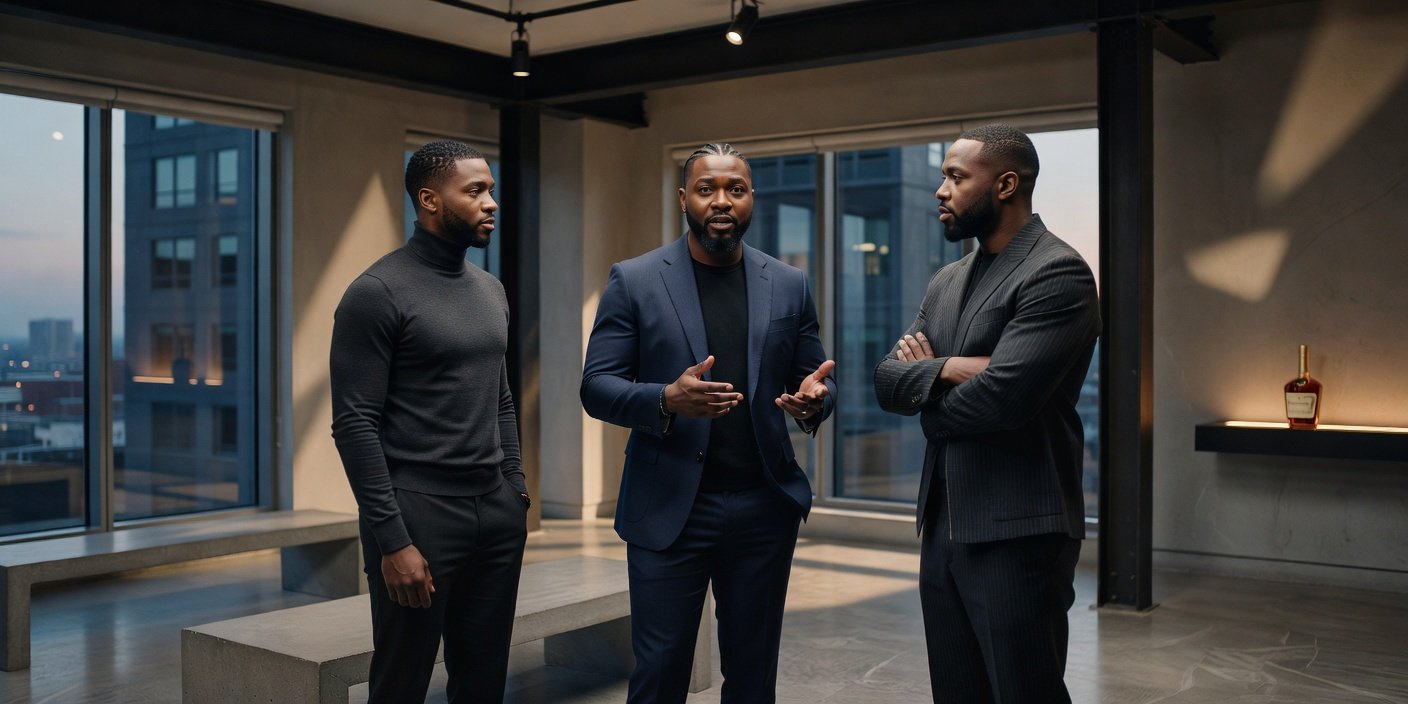
• Wale, Henny Yegezu, and Kazz Laidlaw unite to highlight the untapped potential of the DMV (D.C., Maryland, Virginia) music scene.
• The discussion focuses on infrastructure, community building, and bridging the gap between local talent and global industry standards.
• EQT is identified as a critical catalyst in providing the professional resources necessary for DMV artists to sustain long-term career growth.
The Strategic Blueprint for DMV Artistic Supremacy
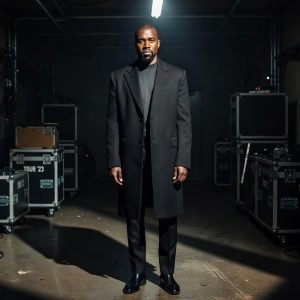
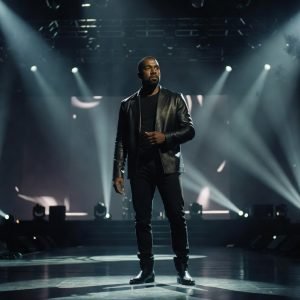
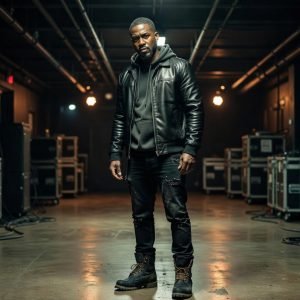
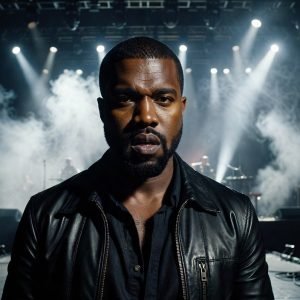
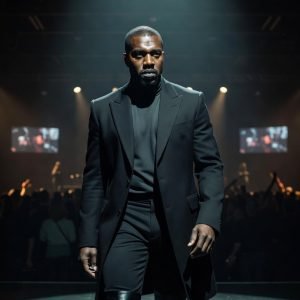
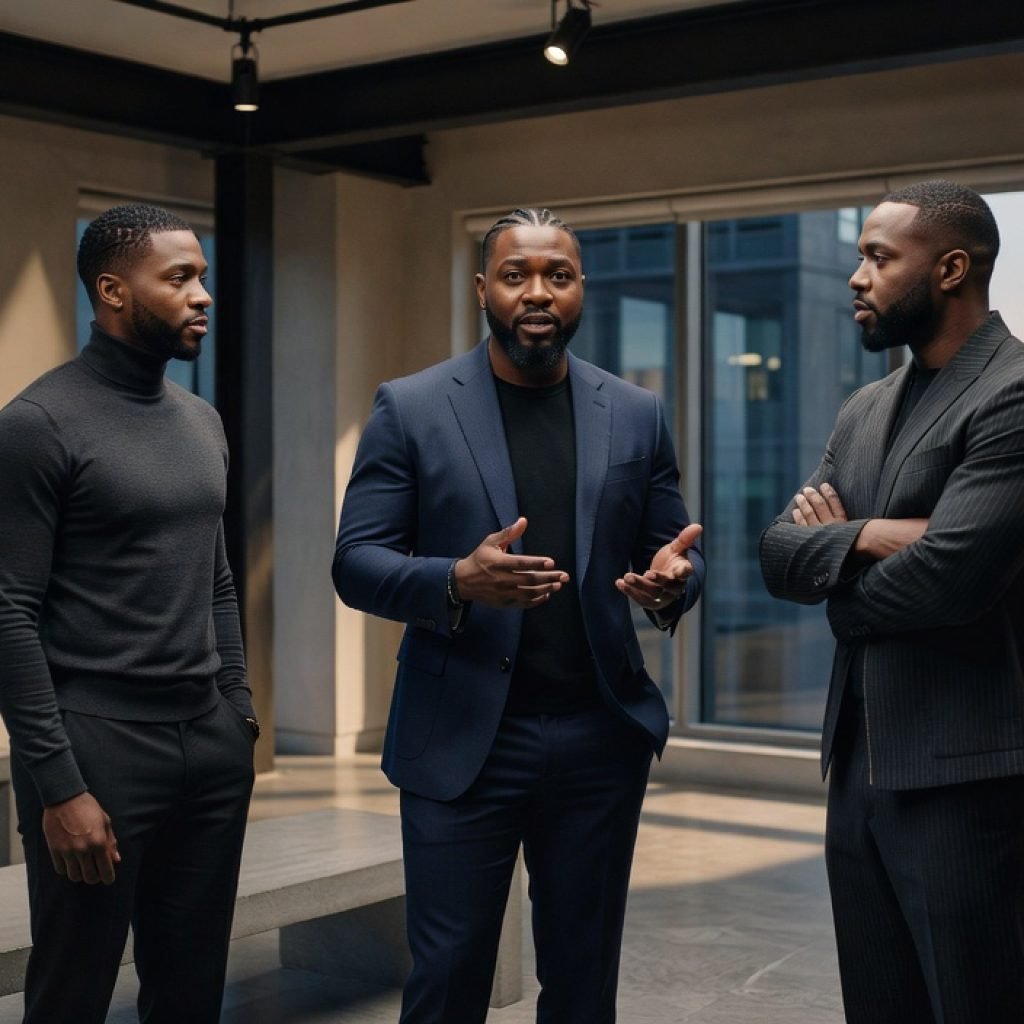
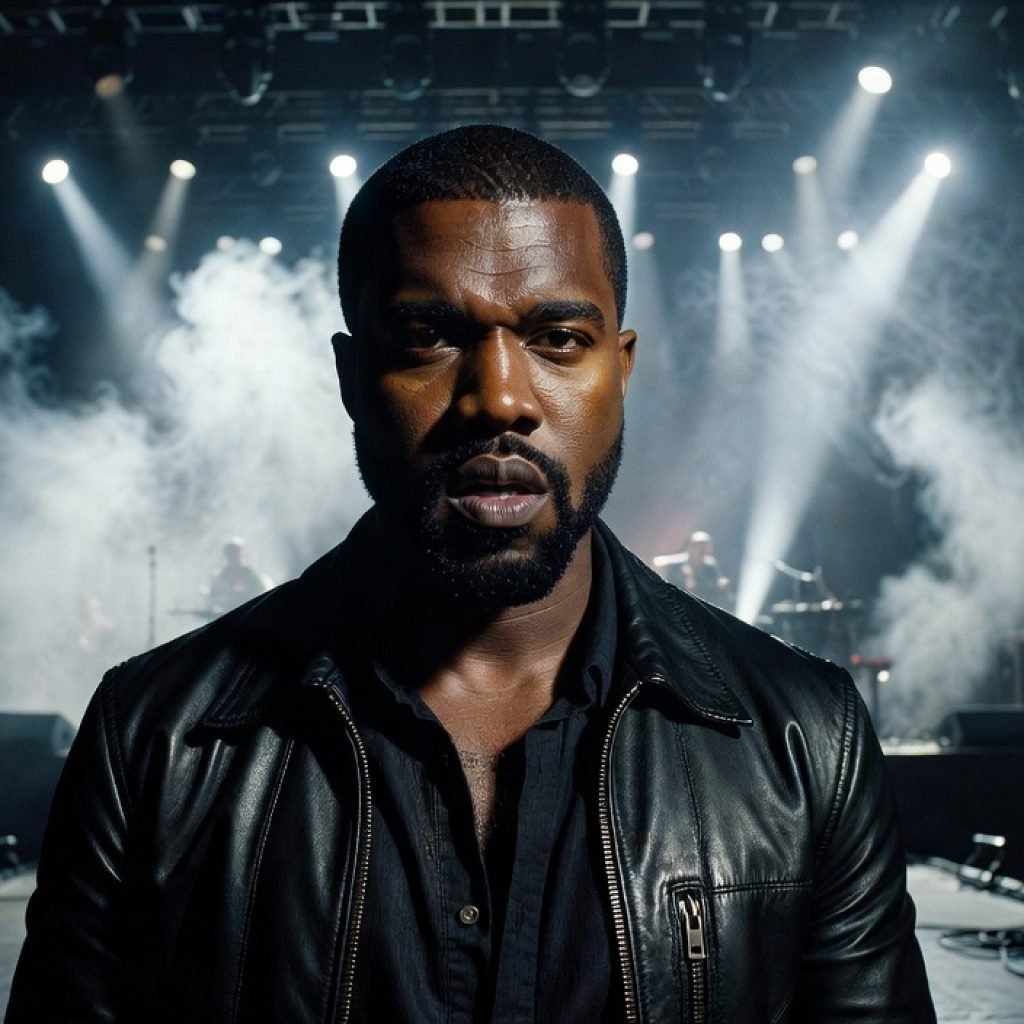
In a recent, high-level conversation, renowned rapper Wale sat down with EQT’s Henny Yegezu and Kazz Laidlaw to dissect the evolving landscape of DMV hip-hop culture. This gathering was more than a casual industry chat; it was a profound analysis of how the region—long known for its unique vernacular, aggressive go-go influence, and raw lyrical talent—is finally securing its rightful place at the forefront of the global hip-hop industry. The dialogue underscored a pivot from underground recognition to institutional power, emphasizing that the era of the DMV being an ‘untapped market’ is officially coming to a close.
Building Sustainable Infrastructure
The core of the conversation revolved around the necessity of infrastructure. For years, talent in the D.C., Maryland, and Virginia areas struggled with a lack of localized support systems that could shepherd artists from viral regional success to sustainable, multi-album international careers. Henny Yegezu and Kazz Laidlaw, through their work at EQT, articulated a vision where industry knowledge, management expertise, and A&R resources are no longer centralized strictly in New York, Los Angeles, or Atlanta.
Instead, they argued for a decentralized model that empowers DMV artists to stay rooted in their community while accessing high-level industry frameworks. Wale, who has navigated the challenges of being a pioneer from the area, provided essential context on the ‘outsider’ status that DMV artists have historically faced. He highlighted how the grit inherent in the DMV culture is a competitive advantage, provided it is supported by the professional machinery that EQT aims to facilitate.
Bridging Local Culture and Global Reach
Another critical pillar of the discussion was the challenge of translating the specific energy of the DMV—often hyper-local and deeply tied to neighborhood subcultures—into a product that resonates with global audiences without losing its authenticity. Kazz Laidlaw noted that the goal is not to ‘sanitize’ the sound or the culture to fit mainstream molds, but to educate the broader industry on the value of the DMV’s unique rhythmic sensibilities and lyrical prowess. By maintaining the cultural DNA of the region, these leaders believe they are creating a new blueprint for what regional hip-hop dominance looks like in the streaming era.
The collaboration between artists like Wale and visionaries like Yegezu and Laidlaw signifies a tightening of the ranks. They are moving away from the fractured approach that defined the region in the early 2010s. Now, there is a clear emphasis on mentorship and the transfer of knowledge from established veterans to the next generation of emerging artists. This cultural coalition is fostering an environment where collaboration is prioritized over competition, setting a foundation that ensures the DMV remains a permanent fixture in the global music conversation.
The Future of DMV Artistic Autonomy
As the discussion concluded, the participants looked toward the future with a sense of urgent optimism. The conversation shifted toward the role of ownership and independence, with Yegezu emphasizing that EQT is focused on ensuring artists understand the business leverage they possess. Wale reiterated that the cultural capital of the DMV is immense, and for too long, the artists were the only ones not fully capitalizing on that value. The consensus was clear: by aligning creative talent with rigorous business strategy, the DMV is not just pushing its culture to the forefront; it is redefining the industry standards for what a region can achieve when it organizes with purpose and professional intent.
FAQ: People Also Ask
Q: What does DMV stand for in the context of hip-hop?
A: DMV stands for the D.C., Maryland, and Virginia metropolitan area, which has a distinct hip-hop and go-go music scene.
Q: Why is EQT important to the DMV music scene?
A: EQT serves as an industry bridge, providing professional management, infrastructure, and strategic guidance to local artists to help them compete on a national and global scale.
Q: How has Wale contributed to the growth of DMV hip-hop?
A: Wale is considered a pioneer for the region, having broken through to national stardom while consistently highlighting the unique culture and talent inherent in the DMV throughout his lengthy career.