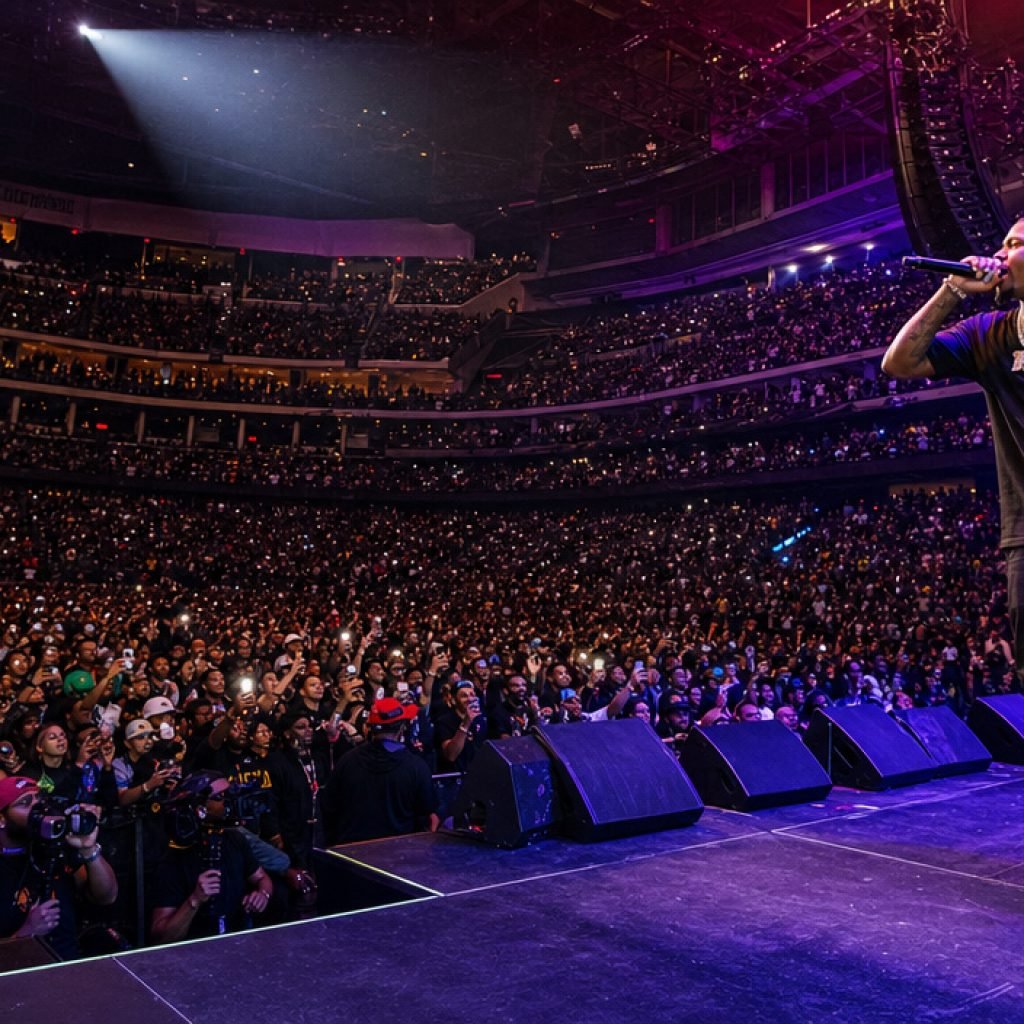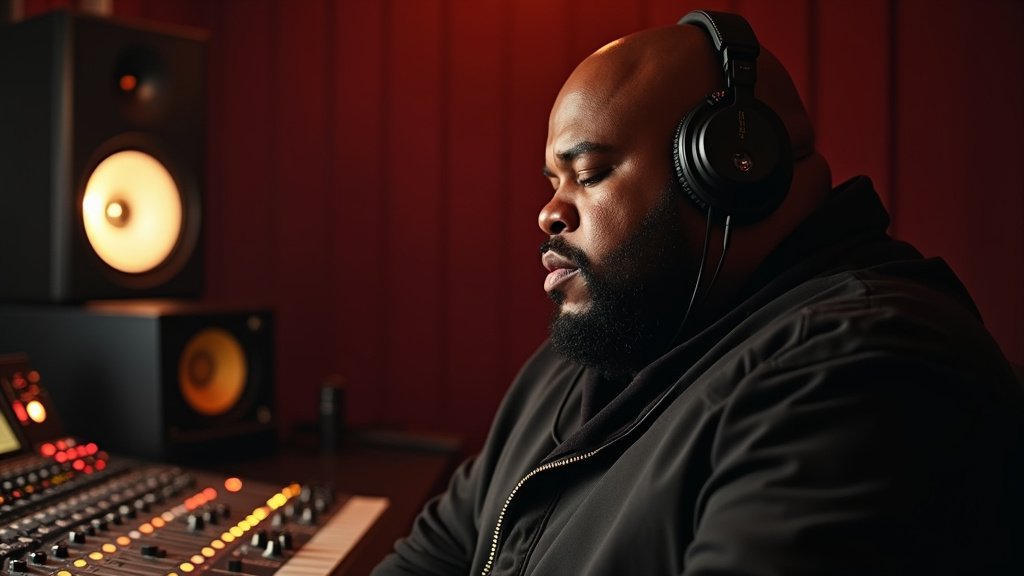
In a candid moment that has sparked widespread discussion within the hip-hop community, veteran rapper Fat Joe has admitted to a personal conflict: he can’t stop playing Gunna’s latest album, “The Last Wun,” despite a deep-seated personal code against perceived disloyalty.
Speaking on his “Joe and Jada with Jadakiss” podcast, Fat Joe revealed that he listened to Gunna’s entire new project during a flight. This admission came despite the ongoing controversy surrounding Gunna, who pleaded guilty to a racketeering charge in the YSL RICO case, leading many in the hip-hop world to label him a “snitch.” Jadakiss, his co-host, even pressed Joe on his enjoyment of the music from an artist he wouldn’t publicly endorse, highlighting the complex moral landscape artists and fans must navigate.
‘The Last Wun’ Dominates the Charts
Gunna’s “The Last Wun” has proven to be a commercial success, debuting at top positions on the music charts. The album landed at number 3 on the Billboard 200 and secured the number 1 spot on both the Top R&B/Hip-Hop Albums and Top Rap Albums charts. This chart performance underscores Gunna’s continued relevance and appeal to a broad audience, even as he faces scrutiny for his legal entanglements.
The “Disloyalty” Dilemma in Hip Hop
The core of Fat Joe’s internal debate lies in the concept of loyalty within the hip-hop culture, a value system he believes has been eroded. Gunna’s plea deal, which included admitting that YSL was both a music label and a gang, has been a focal point of criticism. Artists like Freddie Gibbs have openly condemned such actions, viewing them as betrayals of the street code. Fat Joe echoed this sentiment, stating that “Betrayal carries no second chances” and sharing a personal anecdote about a friend who informed on drug dealers, a transgression that permanently severed their relationship.
This sentiment is particularly poignant given the history of the YSL RICO case, which saw numerous associates of Young Thug indicted. Gunna’s decision to take an Alford plea, admitting guilt without asserting innocence, allowed for his release but drew sharp criticism from peers and fans who felt he compromised the culture’s unspoken rules. The debate often centers on whether Gunna “snitched” or simply made a strategic legal move, a distinction that remains heavily debated.
Fat Joe’s Internal Conflict: Artistry Versus Allegiance
Despite his strong stance on loyalty, Fat Joe found himself genuinely captivated by Gunna’s musical output on “The Last Wun.” He confessed to feeling “guilty listening to it,” acknowledging a conflict between his principles and his appreciation for the artistry. “Once I think you told, I’m done with you, no matter how good the music is,” Joe remarked, illustrating the depth of his conviction. Yet, his continued listening suggests a more nuanced perspective: that the power of music can, at times, transcend personal judgments about the artist’s conduct.
This internal struggle is emblematic of a larger conversation happening in the industry. Fans and critics often grapple with the question of separating the art from the artist. Can one appreciate the musical talent while condemning the artist’s actions or affiliations? Fat Joe’s experience highlights how deeply ingrained these moral considerations are for many in the hip-hop world, particularly for those who have lived by certain codes for decades.
Evolving Narratives and Hip Hop’s Future
Fat Joe and Jadakiss’s discussion also touched upon the broader cultural shift where perceived transgressions are sometimes overlooked in favor of commercial success or compelling artistry. The narrative around Gunna, for instance, shows a dichotomy: while some in the hip hop community ostracize him, his music continues to achieve critical and commercial acclaim, with fans embracing his latest work. This disconnect raises questions about the enduring relevance of traditional street codes in contemporary hip-hop.
Ultimately, Fat Joe’s candid admission serves as a powerful reminder of the complex ethical considerations that artists and fans face. While the concept of loyalty remains a cornerstone for many, the magnetic pull of impactful music continues to challenge and redefine these boundaries. The ongoing stories surrounding Gunna and the reactions from figures like Fat Joe underscore the dynamic and often contradictory nature of hip hop culture, where art, loyalty, and personal judgment frequently intersect.