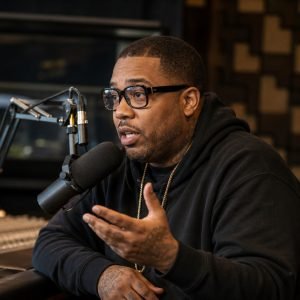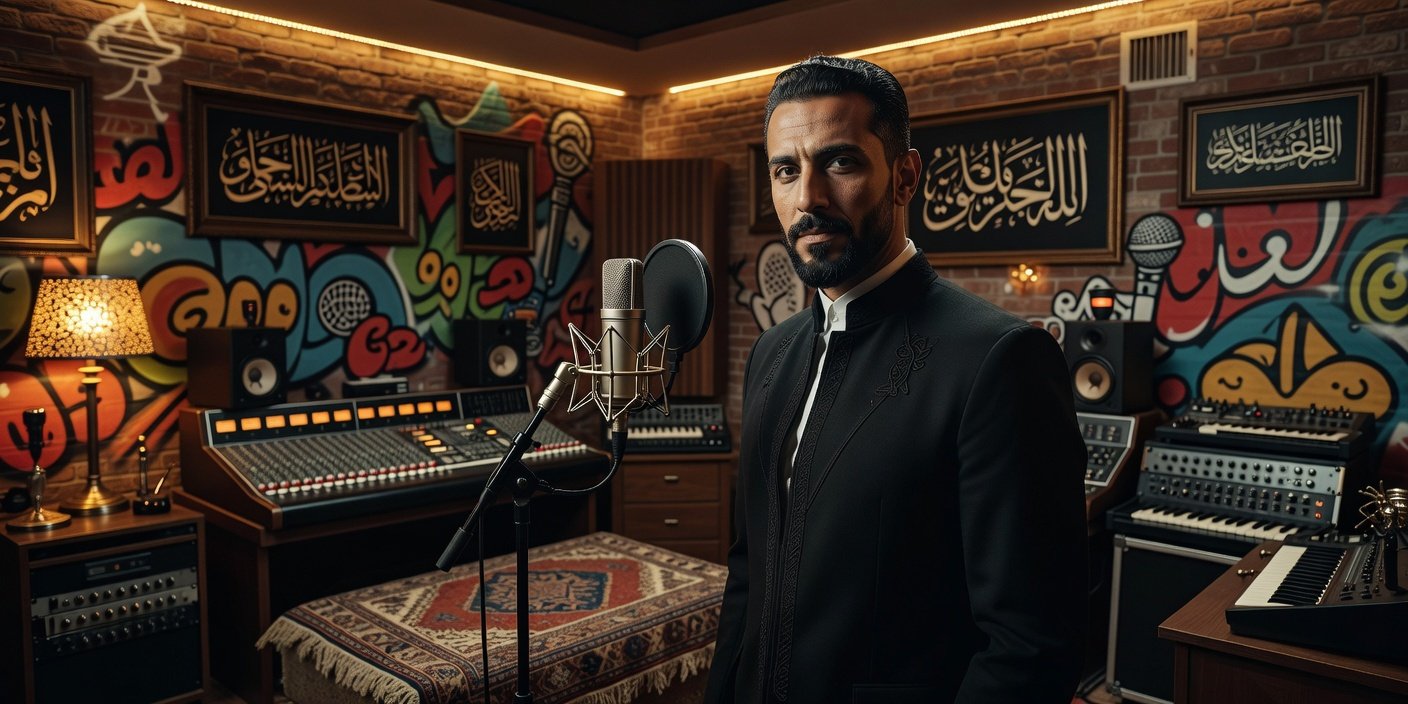
Yassin Alsalman, internationally recognized by his stage name Narcy, continues to stand as a pivotal figure in the global music scene, utilizing his platform as a rapper, academic, and multi-disciplinary artist to bridge the gap between the Arab world and Western consciousness. Born to Iraqi parents and raised across the UAE and Canada, his career is defined by a deep exploration of ‘third-culture’ identity. By weaving together the complex histories of the Iraqi diaspora with the raw energy of hip-hop, Narcy has transcended traditional musical boundaries to become an influential voice for cultural diversity and Arab representation in modern media.
The Intersection of Music and Academia
Narcy’s influence extends far beyond the recording booth. As a professor at Montreal’s Concordia University, he has gained significant attention for his innovative pedagogy, which treats hip-hop as a rigorous academic subject. His curricula, which have included deep dives into the artistry and social commentary of icons like Kendrick Lamar, challenge students to critically analyze social justice, immigration, and systemic inequality through the lens of modern lyricism. This academic pursuit is not separate from his creative output; rather, it is a continuation of the same mission to provide a nuanced understanding of the human condition in a globalized, often polarized world. By lecturing on these topics, he ensures that the next generation of creatives understands the profound social responsibility that comes with artistic expression.
Architect of the Arab Diaspora Narrative
For decades, mainstream narratives regarding the Arab world have been filtered through restrictive, often stereotypical lenses. Narcy has consistently rejected these tropes, positioning himself as a conduit for authentic storytelling. His music serves as a counter-narrative, utilizing traditional Iraqi rhythms and samples juxtaposed with modern electronic and hip-hop production to create a soundscape that feels both ancient and futuristic. In collaborations with artists like Yasiin Bey, Talib Kweli, and Mashrou’ Leila, he has navigated the complexities of being an immigrant in the West, exploring themes of belonging, the trauma of conflict, and the resilient beauty of a culture that thrives in the face of constant scrutiny. His work serves as a reminder that the Arab experience is not monolithic, but a vast, diverse tapestry of voices waiting to be heard.
Empowering the Next Generation
In his current trajectory, Narcy is focusing his energies on mentoring and platforming emerging talent, particularly from Iraq and the broader Middle East. He views his role as an ‘OG’ or elder statesman of the scene as a responsibility to clear the path for younger artists who are utilizing the internet as their primary vehicle for dissemination. By championing this new generation, he is helping to dismantle the barriers that have historically hindered regional artists from reaching global audiences. He remains a staunch advocate for diversity in the creative industries, arguing that the true value of festivals and cultural events lies in their ability to celebrate unique perspectives rather than demanding homogenization for mass consumption. As he continues to evolve, Narcy remains a testament to the idea that art, when rooted in integrity and a clear sense of identity, has the power to shift societal paradigms and foster genuine understanding across borders.