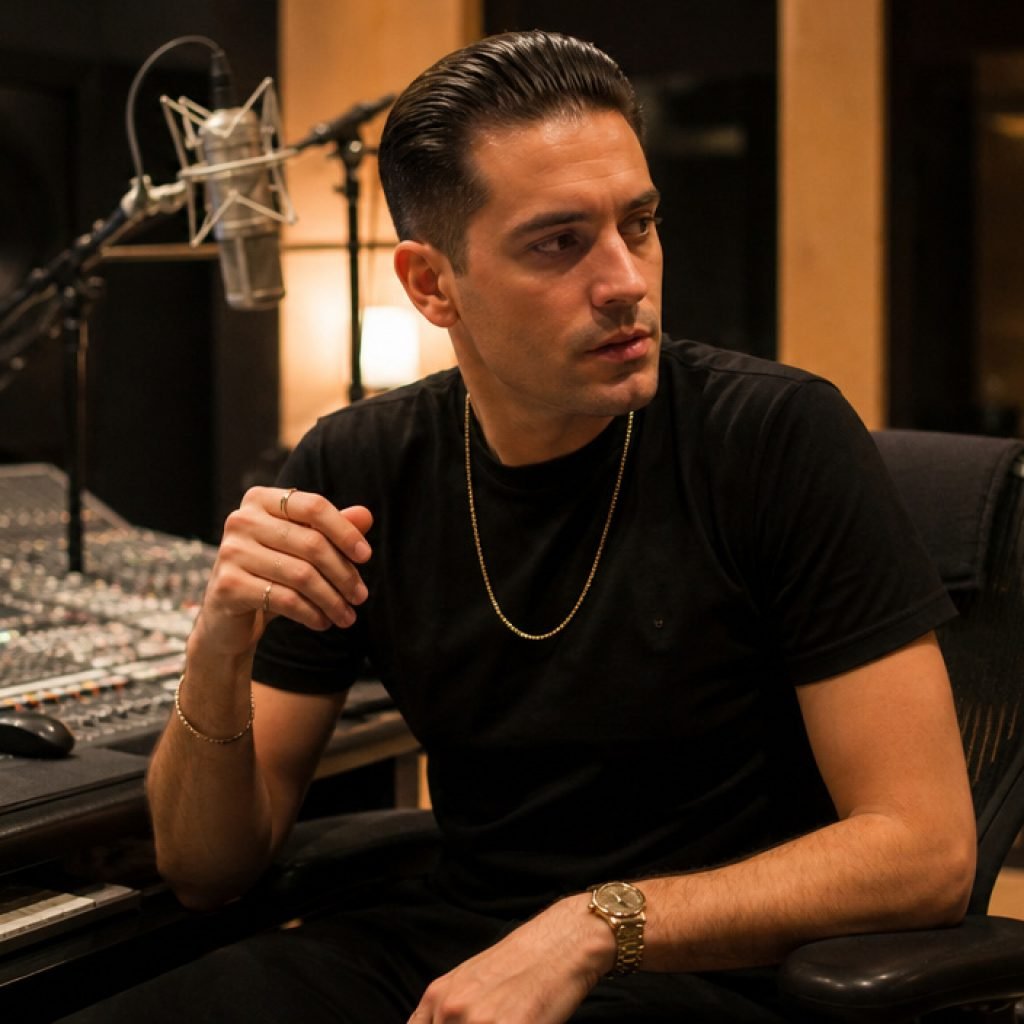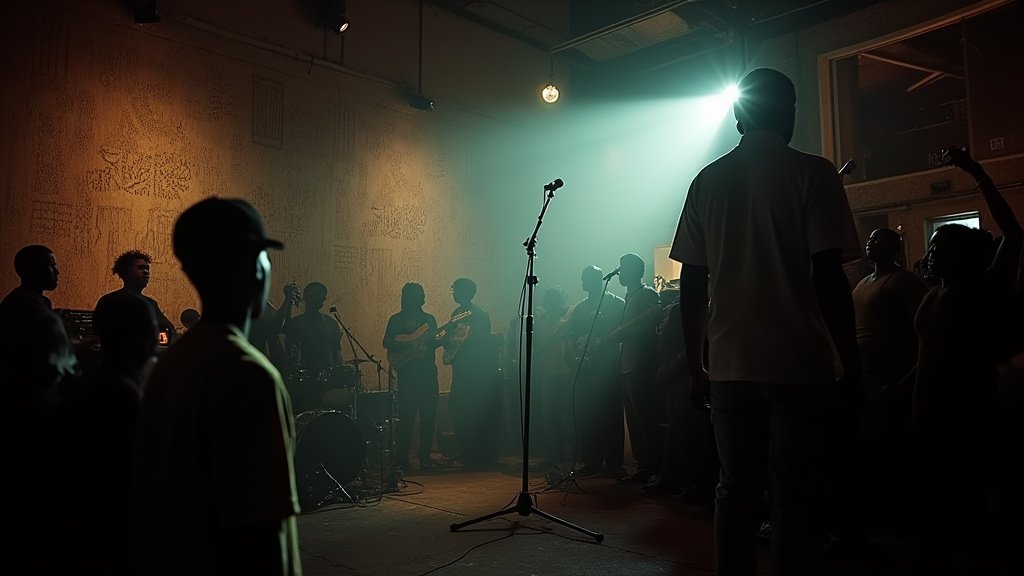
In the vibrant heart of Kigali, a new generation of artists is reshaping the city’s cultural landscape. Among them, a poet is emerging, using her lyrical prowess to navigate and contribute to the burgeoning rap evolution.
Key Highlights:
- A poet is gaining recognition for her unique contributions to Kigali’s evolving hip-hop scene.
- Her work blends traditional storytelling with modern rap sensibilities.
- The Rwandan hip-hop scene is experiencing a period of significant growth and innovation.
- Female artists are increasingly finding platforms to express themselves within the genre.
The Rhythmic Renaissance of Kigali
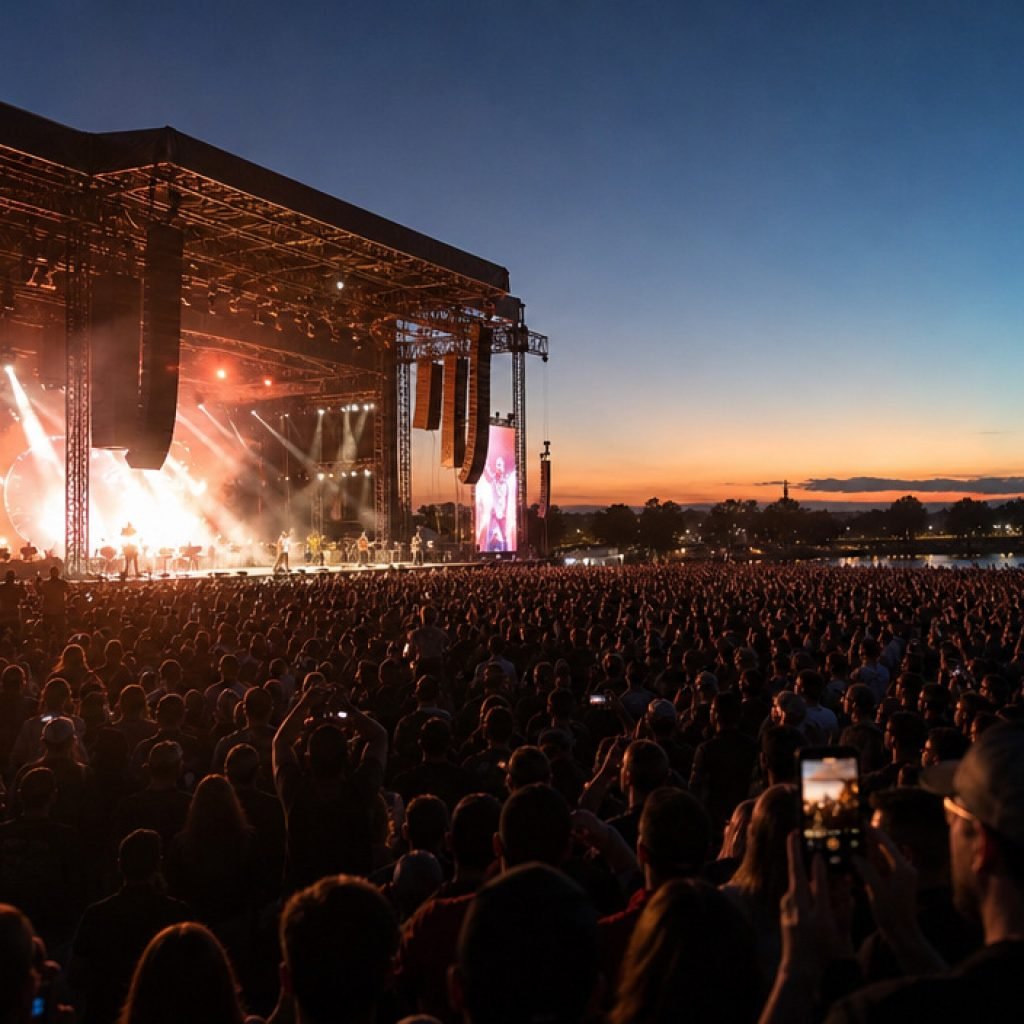
Kigali’s music scene is experiencing a dynamic shift, with hip-hop at its forefront. This evolution is not just about beats and rhymes; it’s a cultural phenomenon where storytelling, social commentary, and artistic expression converge. Amidst this creative explosion, a poet has emerged, carving out a distinct niche by infusing her lyrical artistry into the fabric of Kigali’s rap movement. Her journey reflects the broader story of a city embracing its contemporary cultural identity while honoring its heritage.
Bridging Worlds: Poetry Meets Hip-Hop
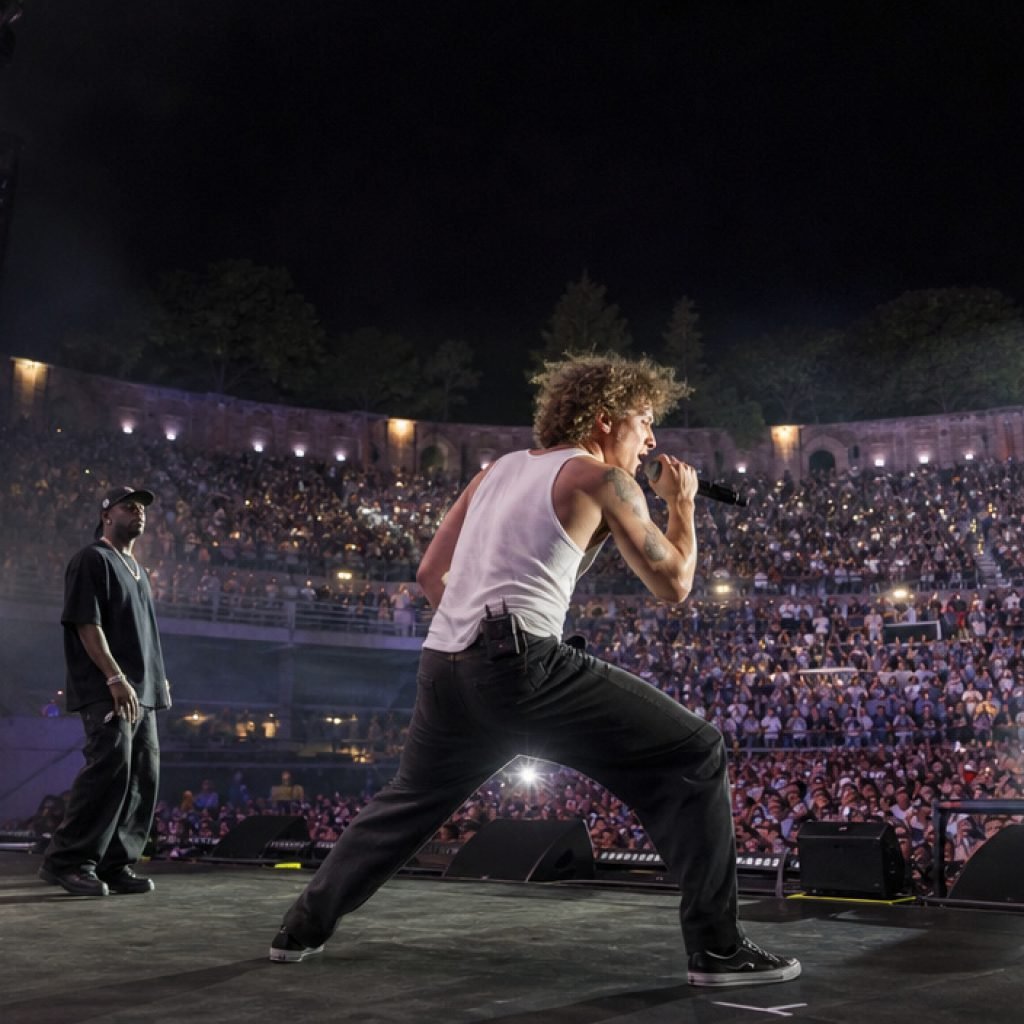
The poet, whose name is becoming synonymous with this new wave, doesn’t fit the typical rapper mold. Instead, she leverages the power of spoken word, weaving intricate narratives that resonate with the experiences of young Rwandans. Her performances, often characterized by raw emotion and sharp wit, captivate audiences and push the boundaries of traditional hip-hop. She draws inspiration from Rwandan oral traditions, infusing her verses with proverbs and historical allusions that add layers of depth. This unique approach has allowed her to connect with a diverse audience, from seasoned hip-hop heads to those new to the genre.
The Rise of Female Voices in Rwandan Hip-Hop
Historically, the hip-hop scene in many parts of Africa has been male-dominated. However, Kigali is witnessing a significant shift, with more women stepping into the spotlight. The poet in question is a prime example of this empowering trend. Her success serves as an inspiration to other aspiring female artists, encouraging them to use their voices and share their perspectives. The growing presence of women in Rwandan hip-hop is not only diversifying the soundscape but also enriching the lyrical content, bringing new themes and viewpoints to the forefront.
Cultural Context and Artistic Expression
The evolution of hip-hop in Kigali is deeply intertwined with Rwanda’s post-genocide recovery and development narrative. Music has become a vital tool for healing, reconciliation, and envisioning the future. Artists like this poet are using their platforms to address contemporary social issues, celebrate resilience, and foster a sense of national pride. The genre provides a safe space for dialogue and reflection, allowing the community to process complex emotions and aspirations through art. The government’s support for the arts and creative industries further bolsters this growth, creating an environment where artists can thrive and contribute to the nation’s cultural capital.
Collaborations and Cross-Pollination
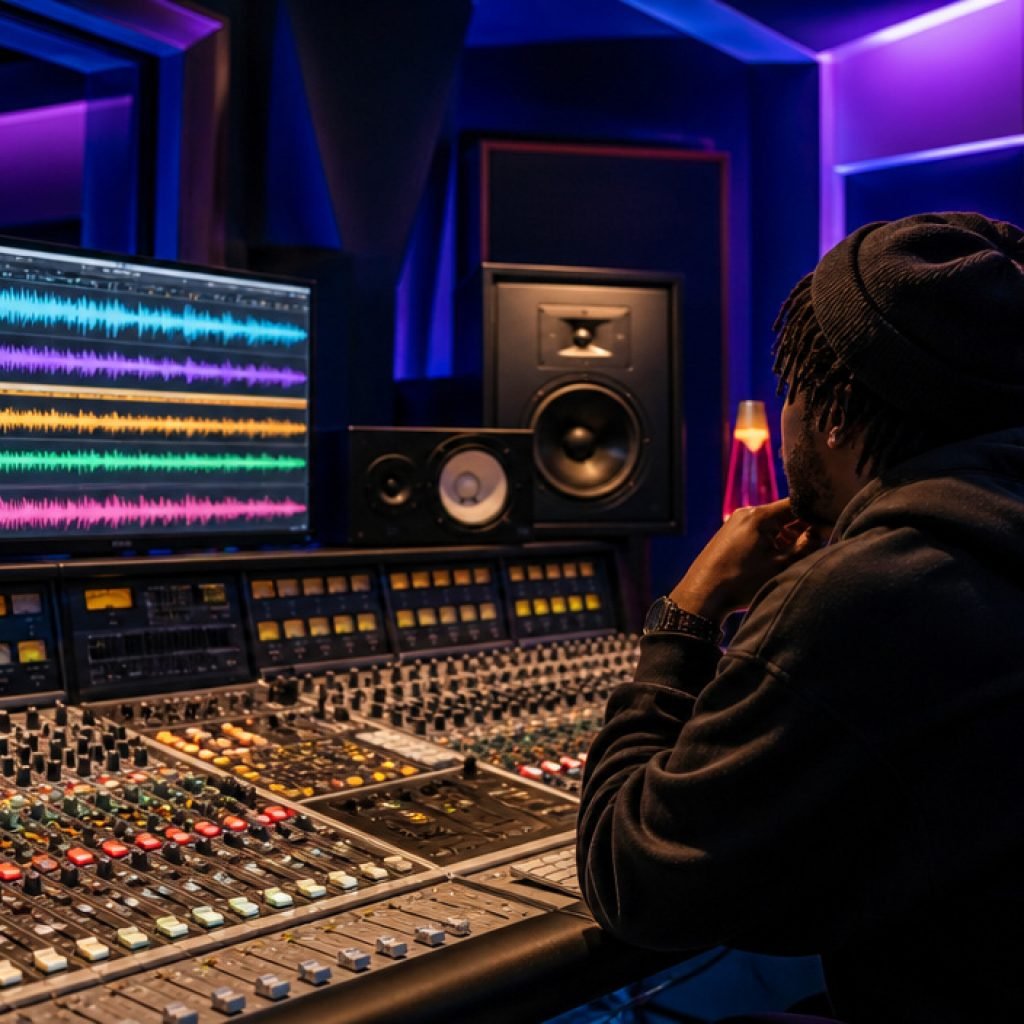
This poet’s influence extends beyond her solo performances. She is actively collaborating with local producers, DJs, and other MCs, contributing to a rich cross-pollination of ideas within the Kigali music scene. These collaborations are vital for pushing creative boundaries and introducing new sounds and styles to the audience. By working with established rappers and emerging producers, she helps to bridge generational gaps and stylistic differences, fostering a more cohesive and vibrant musical ecosystem. Her willingness to experiment with different musical arrangements and lyrical approaches further solidifies her position as an innovator.
The Future of Kigali’s Rap Evolution
The trajectory of Kigali’s rap scene is undeniably upward. With talents like this poet leading the charge, the genre is poised for even greater international recognition. The fusion of traditional Rwandan storytelling with contemporary hip-hop elements creates a unique sound that is both globally appealing and distinctly local. As more artists embrace this hybrid approach, Kigali is solidifying its reputation as a hub for innovative musical expression. The ongoing support from cultural institutions and a growing appreciation from audiences worldwide suggest a bright future for Rwandan hip-hop.
FAQ: People Also Ask
What is the current state of hip-hop in Kigali?
Kigali’s hip-hop scene is experiencing a vibrant evolution, marked by increasing diversity, lyrical depth, and a growing international profile. Artists are blending traditional Rwandan influences with global hip-hop trends, creating a unique and dynamic sound. Female artists are also gaining significant traction, contributing fresh perspectives and narratives.
How does poetry influence the rap scene in Kigali?
Poetry brings a strong narrative focus, lyrical complexity, and emotional depth to the rap scene. Poets who engage with hip-hop often enhance the storytelling aspect of songs, using intricate wordplay and rhythmic patterns that resonate with the cadence of rap music. This fusion can lead to more profound and thought-provoking lyrical content.
Are there many female rappers in Rwanda?
While historically male-dominated, the Rwandan hip-hop scene is witnessing a significant rise in female artists. These women are not only participating but are also leading innovative trends, challenging norms, and inspiring a new generation of musicians. Their presence is diversifying the genre and enriching its thematic scope.
What inspires Rwandan hip-hop artists?
Rwandan hip-hop artists draw inspiration from a wide array of sources, including personal experiences, Rwandan history and culture, social issues, and global music trends. The country’s journey of resilience and development often serves as a powerful theme, intertwined with themes of love, ambition, and social commentary.
How is Kigali promoting its arts and culture scene?
Kigali is actively promoting its arts and culture through various initiatives, including government support for creative industries, cultural festivals, and the establishment of arts centers. There’s a growing emphasis on nurturing local talent and showcasing Rwandan creativity on both national and international platforms.