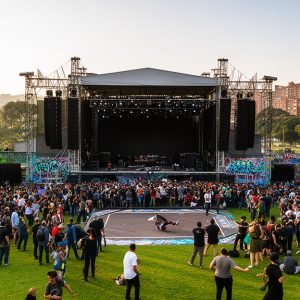
London’s Wireless Festival, one of the UK’s most high-profile annual music events, has been cancelled in its entirety following the government’s decision to block American rapper Ye, formerly known as Kanye West, from entering the country. The decision, delivered by the UK Home Office on April 7, 2026, effectively dismantled the three-day event just months before it was scheduled to take place at Finsbury Park. Festival organizers, Festival Republic, confirmed the cancellation shortly after the government’s intervention, citing the impossibility of proceeding with the headline act and the subsequent collapse of the event’s operational viability.
Key Highlights
- Visa Revocation: The UK Home Office withdrew Ye’s Electronic Travel Authorisation (ETA), stating his presence would not be “conducive to the public good.”
- Total Cancellation: Festival Republic confirmed the entire Wireless 2026 event is scrapped, with automatic refunds issued to all ticket holders.
- Political Pressure: Prime Minister Keir Starmer and other government officials publicly condemned the booking, citing Ye’s history of antisemitic comments and celebration of Nazism.
- Sponsor Exodus: Major sponsors including Diageo and Pepsi had already distanced themselves from the festival prior to the government’s official ban, citing reputational risks.
- Legal Threshold: The Home Office invoked its authority under immigration law to prevent entry based on past conduct that contradicts UK public values.
The Fallout of a Controversial Booking
The cancellation of Wireless Festival marks a watershed moment in the intersection of international music touring, government policy, and public accountability. When Festival Republic announced Ye as the three-day headliner on March 30, 2026, the reaction was immediate and polarized. While some proponents of artistic freedom argued for a separation of the artist from their personal controversies, a significant portion of the public, Jewish advocacy groups, and government ministers viewed the booking as a tacit endorsement of harmful ideologies. The rapid escalation from a headline announcement to a complete cancellation within a week highlights how fragile major festival logistics have become when intertwined with the personal brand of a volatile performer.
Government Intervention and the ‘Public Good’
At the heart of the crisis is the UK Home Office’s application of the ‘public good’ clause. This legal framework allows British authorities to deny entry to foreign nationals whose presence in the country is deemed detrimental to public safety, social cohesion, or the values of the nation. In this instance, the government scrutinized Ye’s track record of antisemitic statements, including past instances of praising figures associated with Nazism and releasing inflammatory media. By withdrawing his Electronic Travel Authorisation, the Home Office established that there is a clear, enforceable boundary between market-driven entertainment and the values the state wishes to project to its citizens.
Prime Minister Keir Starmer’s involvement was pivotal. His public stance—stating that Ye should “never have been invited” and emphasizing the government’s commitment to confronting antisemitism—signaled a shift in how British administrations might approach high-profile talent bookings in the future. This was not merely a administrative decision; it was a values-based intervention that effectively dictated the commercial viability of a private corporation’s event.
Economic and Logistical Ripple Effects
The economic ramifications for Festival Republic and its parent company, Live Nation, are substantial. Wireless is not just a concert; it is a massive logistical undertaking requiring coordinated efforts from security, local councils, logistics providers, and hospitality vendors. Once the decision was made to book Ye, the event’s ecosystem began to fracture. As soon as sponsors like Diageo and Pepsi pulled out, the financial model for the festival shifted from a potential profit center to a liability. The decision to cancel outright rather than scramble for replacement headliners suggests that the organizers realized the brand damage, combined with the lack of sponsorship funding, made a 2026 edition unsustainable.
Furthermore, this event serves as a warning to other promoters. Risk assessment now goes beyond artist availability and ticket sales projections; it must now account for the ‘political risk’ of an artist’s previous public statements. This creates a challenging environment for international touring, as artists with controversial personal histories may now find themselves effectively barred from major international stages, complicating global tour schedules and creating an uneven playing field in the music industry.
A Shift in Cultural Accountability
The cancellation also reflects a broader societal shift in how public spaces are managed. The argument that music festivals are neutral grounds for entertainment has been increasingly challenged. With the rise of digital platforms where artists can broadcast controversial views directly to fans, the barrier between an artist’s work and their personal life has largely eroded. The public, stakeholders, and now governments are treating the act of booking such performers as an implicit validation of their rhetoric. This creates a new ‘gatekeeping’ mechanism where public outcry, catalyzed by social media, can trigger direct governmental action, turning cultural controversies into diplomatic or administrative barriers.
Ultimately, the Wireless Festival 2026 case will likely be cited in future discussions regarding free speech versus public accountability. While proponents of free speech may worry about the precedent of government intervention in entertainment, the prevailing response from the UK political class and the general public suggests a clear priority: the protection of social cohesion and the firm rejection of hate speech, even at the cost of one of London’s most iconic summer music traditions.
FAQ: People Also Ask
1. Why was the Wireless Festival cancelled?
Wireless Festival was cancelled after the UK Home Office withdrew Ye’s Electronic Travel Authorisation (ETA), preventing him from entering the country to perform. As he was the primary headliner for all three days, organizers deemed it impossible to proceed with the event.
2. On what grounds was Ye denied entry to the UK?
The Home Office stated that Ye’s presence in the United Kingdom would not be “conducive to the public good.” This decision was based on his well-documented history of antisemitic comments and actions, which the government determined violated UK public values.
3. Will ticket holders get a refund?
Yes. Festival Republic, the event’s organizers, confirmed that all ticket holders are entitled to an automatic full refund as a result of the cancellation.
4. Did sponsors play a role in the cancellation?
Yes. Before the government issued the ban, several major sponsors, including Diageo and Pepsi, had already pulled their support for the festival due to the controversy surrounding the booking of the artist.