The streets of the Vieux Carré are vibrating with the unmistakable pulse of brass, blues, and jazz as the French Quarter Festival 2026 officially kicks off. Running from April 16 through April 19, this year’s installment of the iconic New Orleans tradition marks a significant evolution for the event, blending the city’s deep-rooted cultural heritage with modern infrastructure. With over 300 performances across 20 stages, the 2026 iteration is not just a return to form, but a strategic expansion that utilizes new riverfront locations and a streamlined digital-first experience. As locals and visitors flood the historic neighborhood, the city transforms into an open-air laboratory of sound, flavor, and community, proving once again that NOLA remains the undisputed capital of musical spontaneity. Whether you are catching the opening parade or streaming exclusive artist interviews on WWL+, the spirit of the city is undeniably on full display.
- Massive Musical Showcase: Over 300 performances across 20 stages featuring local legends like PJ Morton, Big Freedia, and Irma Thomas.
- Riverfront Expansion: A new site at Goldring Woldenberg Riverfront Park near Governor Nicholls Wharf offers more green space and expanded river views.
- Cashless Experience: The festival has fully transitioned to a cashless model, requiring credit, debit, or mobile payments at all food and beverage vendors.
- Diverse Programming: The return of the 5K Run and the introduction of the “After Dark” series keep the celebration going well into the night.
The New Orleans Rhythms: A 2026 Deep Dive
The Riverfront Renaissance
The 2026 French Quarter Festival is defined by its ambitious spatial growth. For decades, the festival has navigated the tight, historic confines of the French Quarter, but this year sees a deliberate move toward the Mississippi River. The opening of the Goldring Woldenberg Riverfront Park site near Governor Nicholls Wharf is a game-changer. This expansion provides a critical “breathing room” for the dense crowds that typically swarm Jackson Square and the riverfront. By integrating this new green space, organizers have not only added capacity but have improved the festival’s overall flow, creating new entry points near the French Market and the New Orleans Jazz Museum. This geographical shift allows attendees to experience the music against the backdrop of the river, providing a picturesque and slightly more spacious environment that complements the intimate, narrow street vibe that defines the heart of the festival.
Curating the Sound: From Legends to Fresh Faces
The programming philosophy for 2026 centers on the balance between “New Orleans Royalty” and emerging sonic narratives. The booking team has successfully curated a lineup that respects the past while inviting the future. Grammy Award-winning native son PJ Morton headlines the Abita Beer Stage, acting as a bridge between the classic rhythm and blues traditions of the city and the modern soul movement. Alongside him, stalwarts like Irma Thomas and the Rebirth Brass Band maintain the festival’s grounding, ensuring the “roots” of the city are well-represented. However, the inclusion of artists like Dawn Richard and the diverse range of DJs on the Louisiana Fish Fry Stage reflects an effort to court younger generations and highlight the evolution of New Orleans hip-hop and bounce music. This year’s lineup is a deliberate attempt to tell a complete story of New Orleans music—one that isn’t frozen in the past but is constantly re-contextualizing itself.
A Culinary Tapestry of the Quarter
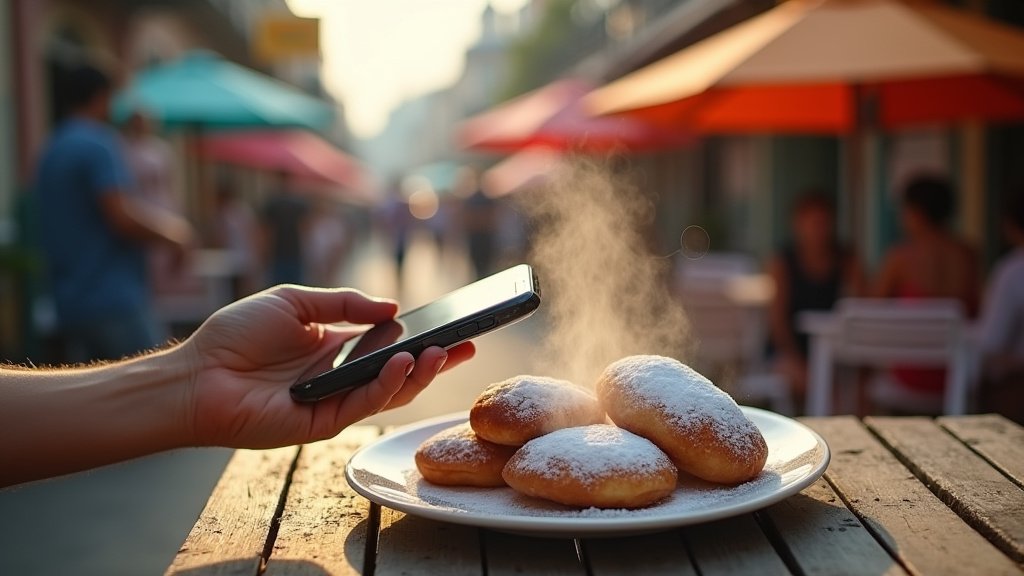
It is impossible to separate the French Quarter Festival from its culinary identity. The 2026 food lineup is perhaps the most ambitious in the festival’s history. Moving beyond simple concessions, the organizers have leaned into the diversity of the city’s palate. From the ubiquitous, crispy beignets that define a NOLA morning to the complex, slow-cooked Creole stews that require hours of preparation, the food offerings function as a historical survey of the region. Notable vendors like Jacques-Imos Cafe and Tujague’s Restaurant bring decades of history to the festival, serving high-end comfort food in a street-fair setting. The challenge for 2026 has been maintaining that authentic, “mom-and-pop” feel while operating within the confines of the new cashless vendor system. Surprisingly, this has streamlined service, allowing attendees to spend less time waiting in lines and more time moving between the stages.
The Digital Transformation: Cashless and Connected
Perhaps the most practical adjustment for 2026 is the full pivot to a cashless ecosystem. For a festival that prides itself on being “free” (in terms of admission), the logistical burden of handling physical currency for over 50 food vendors and multiple beverage stations was becoming a bottleneck. The 2026 shift to digital payments, mobile wallets, and credit cards has been integrated into the festival app, which has been overhauled for this year. The app is no longer just a schedule viewer; it is a hub for navigation, providing real-time updates on crowd density and stage changes. This digital layer acts as a nervous system for the event, helping the city manage the logistical hurdles of hosting thousands of people in a district not originally designed for modern mass-gathering logistics.
Beyond the Stages: The “After Dark” Experience
The festival has long been criticized (or perhaps, unfairly labeled) as a daylight-only event. The 2026 “After Dark” series is a direct response to the desire for the celebration to continue past the 8 p.m. stage closures. By partnering with local music clubs and independent venues, the festival has effectively extended its footprint across the city, encouraging attendees to pour out of the French Quarter and into the wider cultural ecosystem of the Marigny and Treme neighborhoods. This initiative not only benefits the local music economy but also disperses the crowd, preventing the post-festival bottleneck that can occur when the gates close. It turns the festival from a four-day event into a four-day cultural takeover of the city.
FAQ: People Also Ask
What are the official hours for the 2026 French Quarter Festival?
Most festival stages are open daily from 11 a.m. to 8 p.m. However, the festival has a progressive opening, with select stages opening on Thursday and the full slate of 20 stages operational by the weekend.
Is the festival really free to attend?
Yes, the French Quarter Festival remains the nation’s largest free music festival. There is no admission fee for any of the stages or public performances throughout the weekend.
What does the “cashless” policy mean for food vendors?
All food and beverage vendors will only accept digital payments, including credit cards, debit cards, and mobile payment platforms like Apple Pay or Google Pay. Cash will not be accepted at these points of sale, so attendees should prepare accordingly.
What happens if it rains during the festival?
The French Quarter Festival typically proceeds “rain or shine.” In the event of extreme weather, updates will be posted via the official FQF app and social media channels. The new riverfront green space is equipped to handle standard spring weather conditions, though attendees are encouraged to dress appropriately.