Adrian Younge has officially returned to the forefront of modern music with his self-titled magnum opus, ‘Younge.’ Released as a defining statement of his career, the album serves as a masterclass in orchestral hip-hop, bridging the gap between high-art composition and the gritty, soulful cadence of classic boom-bap. By centering the project on a concept of ‘ancient, futuristic, and inevitable’ soundscapes, Younge is not merely releasing a new collection of tracks; he is establishing a new blueprint for how producers and composers can interact with the legacy of recorded sound.
Key Highlights
- Magnum Opus: Adrian Younge’s self-titled album, ‘Younge,’ represents a career-defining synthesis of his work in production and orchestral arrangement.
- Orchestral Hip-Hop Evolution: The project moves beyond traditional sampling, opting for fully realized, modular compositions that anticipate reinterpretation.
- Signature Sound: Recorded with his signature analog-first philosophy, the album avoids modern digital clutter to maintain a cinematic, 1970s-inspired warmth.
- Lead Single: The project is anchored by the atmospheric single ‘Portschute,’ which highlights the album’s experimental rhythmic structure.
The Architecture of ‘Younge’: A Sonic Manifesto
In an era where music is often consumed in fragmented, bite-sized loops, Adrian Younge has consistently championed the ‘album’ as a cohesive world. With his new self-titled release, Younge, he cements his status as a polymath of modern music. The project is being hailed as his most ambitious effort to date, acting as a bridge between the collaborative spirit of his Jazz Is Dead label and the singular vision he honed on projects like Something About April.
Breaking the Sample Loop
For decades, hip-hop production has relied heavily on the practice of digging through crates to find the perfect four-bar loop. Younge’s approach flips this dynamic on its head. Instead of sampling the past, he composes music designed to be sampled by the future. The arrangements on Younge are deliberately constructed to be modular, providing producers with isolated, high-fidelity movements that feel like lost library music from a bygone era. By writing from the perspective of a producer, he anticipates the needs of modern beat-makers, creating a self-sustaining ecosystem of sound that honors the history of the art form while pushing its boundaries into the future.
The Analog Aesthetic
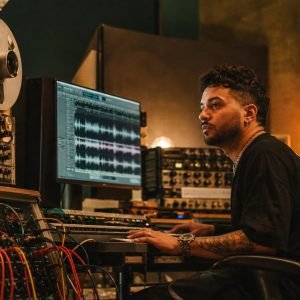
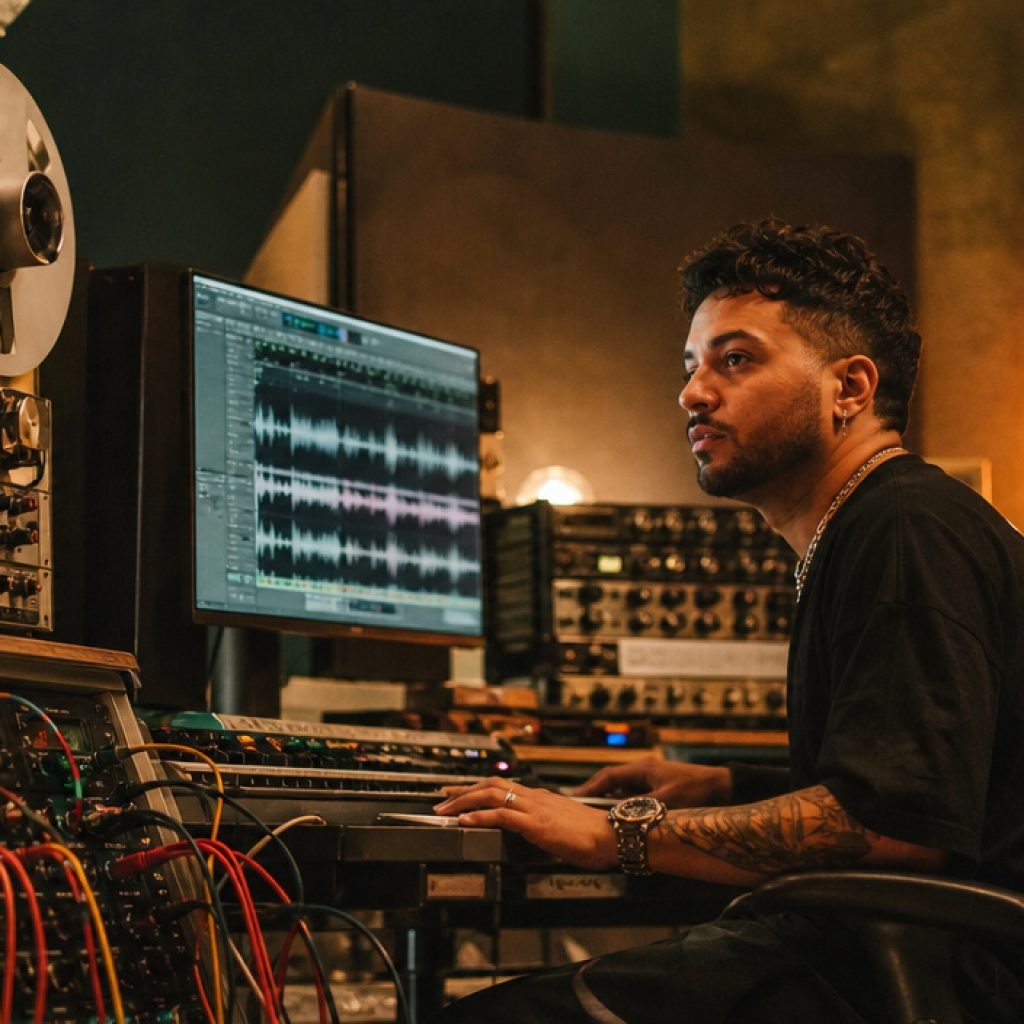
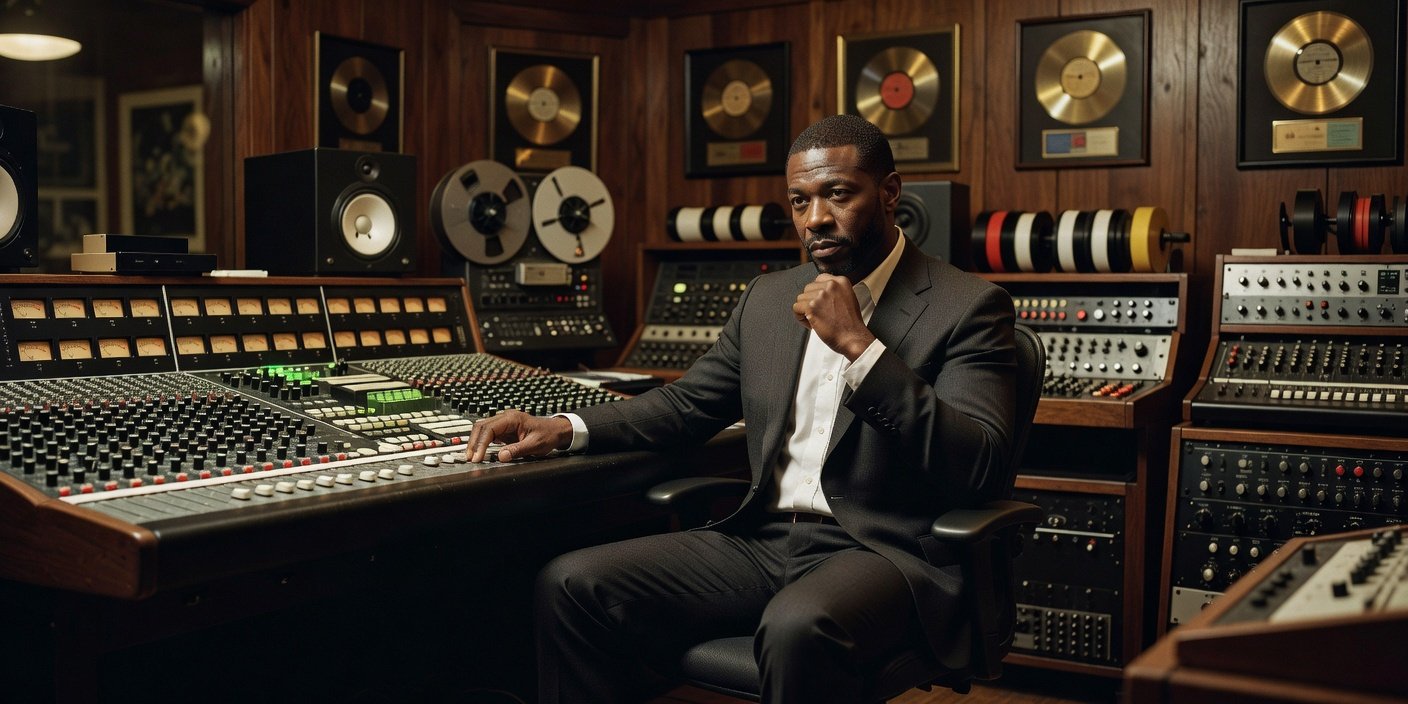
True to form, the sonic texture of Younge is defined by its rigorous adherence to analog recording techniques. In a digital-first world, Younge continues to lean into the hiss, the warmth, and the organic imperfections of tape and tube amplification. This aesthetic choice is not just nostalgic; it is functional. It creates a ‘room tone’ that anchors the listener, making the orchestral swells and sharp, punchy drums feel grounded in a physical space. The tracks are spacious, allowing individual instruments—from the monophonic synthesizers to the kinetic bass lines—to breathe and resonate with a clarity that modern mastering often obliterates.
A Collaborative Legacy
While Younge is a solo-billed project, it carries the DNA of his long-standing creative partnerships. His work with luminaries like Ali Shaheed Muhammad and his constant curation of legends through the Jazz Is Dead banner have sharpened his ability to weave disparate musical threads into a unified tapestry. This new record captures the essence of that collective experience, condensing the wisdom gained from years of collaborative exploration into a solo work that feels like a culmination of a decade of intense study and output.
FAQ: People Also Ask
1. What is the core concept behind Adrian Younge’s new album ‘Younge’?
‘Younge’ is positioned as a magnum opus that seeks to redefine orchestral hip-hop. It serves as both an homage to 1970s soundtrack production and a futuristic blueprint for how producers can create original music that feels like a classic, sample-ready ‘lost’ record.
2. How does this album differ from his ‘Jazz Is Dead’ series?
While the Jazz Is Dead series focuses on collaborating with legendary jazz musicians, the Younge album is a solo-led project. It shifts the focus from curatorial collaboration to a singular, cohesive compositional vision, serving as a personal statement of his own artistic identity.
3. Can listeners expect the same ‘analog’ sound in this release?
Yes. Adrian Younge has maintained his strict adherence to recording without modern digital clutter. The album is defined by its warm, cinematic texture, utilizing analog equipment to capture an authentic, vintage-inspired sound profile.
4. Where can I listen to the new album?
‘Younge’ is available on all major streaming platforms, with the lead single ‘Portschute’ currently serving as the introductory entry point to the album’s soundscape.