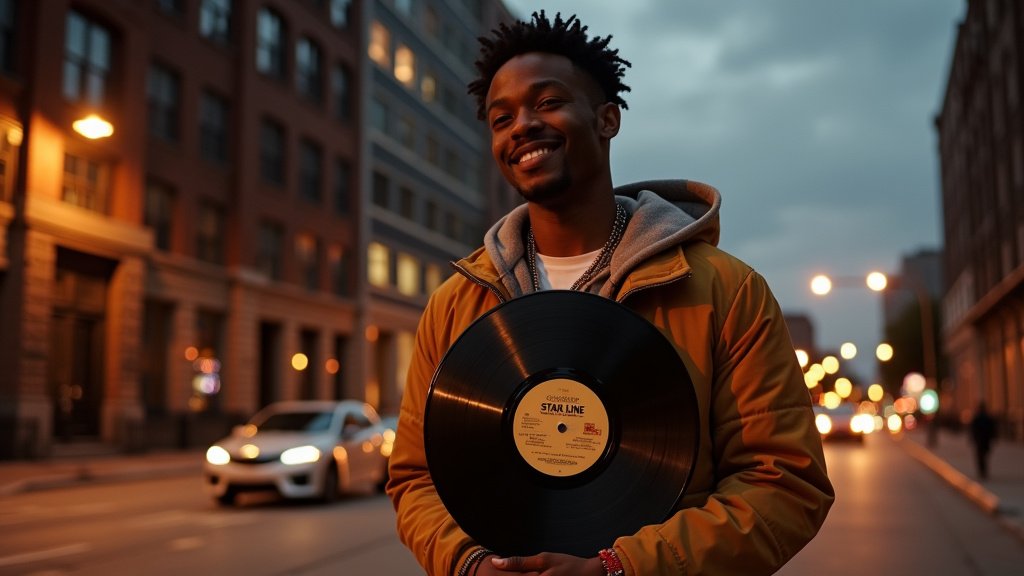
Chance the Rapper has returned with his highly anticipated second studio album, “Star Line,” released on August 15, 2025. This independent project marks a significant artistic evolution for the Grammy-winning artist, signaling a period of reclamation and reconnection with his craft, heritage, and the city of Chicago. Following the mixed reception of his 2019 debut album, “The Big Day,” Chance has channeled his experiences, travels, and personal growth into “Star Line,” a work critics are hailing as a return to form and a maturation of his sound.
A Journey of Transformation and Reconnection
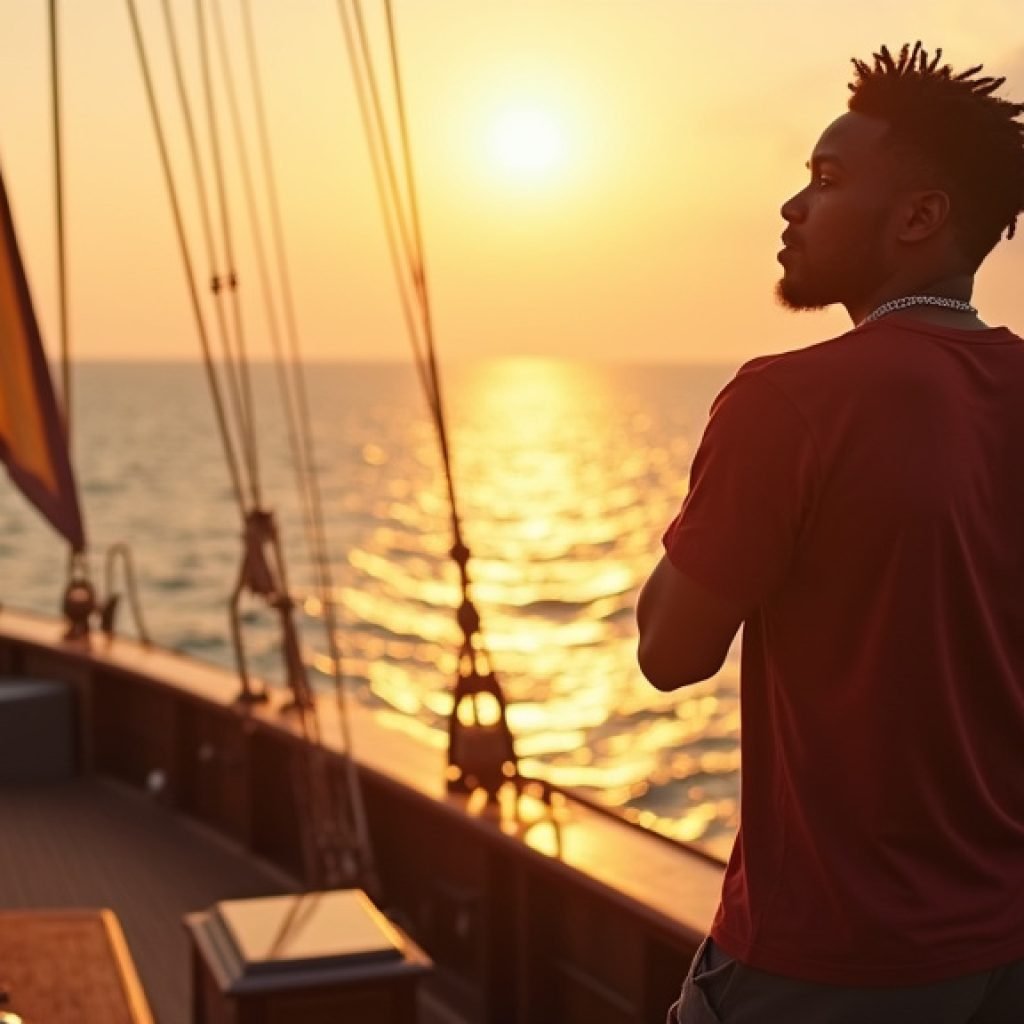
“Star Line” is described by Chance himself as his “most raw and honest project yet,” a deeply personal collection that reflects intricate storytelling and life lessons learned over the past six years. This journey of transformation began with extensive international travels, including impactful trips to Ghana and Jamaica, which infused the album with diverse sonic influences and a broader understanding of his heritage. The album’s title itself is a nod to Marcus Garvey’s historic Black Star Line, a shipping company symbolizing unity and pride within the Black diaspora, a concept that deeply resonates with the album’s themes of connection and legacy.
Chance has been open about the challenges following “The Big Day,” admitting that its reception left him “doubtful” about his creative output. However, a transformative trip to Ghana, accompanied by fellow Chicago rapper Vic Mensa, provided renewed artistic inspiration. He found parallels between the liberation struggles of African nations and the realities faced in Chicago’s South and West sides, further shaping his perspective and approach to songwriting.
Themes of Resilience, Identity, and Legacy
The album delves into profound themes, including Black resilience, cultural identity, racial inequality, and cannabis justice. Tracks like “No More Old Men” explore tender childhood memories in Chicago juxtaposed with a sobering reflection on the life expectancy for Black men in America. “The Negro Problem” offers a stark look at systemic issues confronting Black Americans, referencing modern disparities in healthcare, particularly the risks faced by Black mothers during childbirth. The frenetic track “Drapetomania” reclaims a historical pseudoscience term, flipping it into an anthem of liberation and a call to action against oppressive systems.
Chance’s lyrical prowess is on full display, with many critics noting his intricate writing and poetic delivery. He aims to bridge the gap between nostalgia for his earlier work and innovative artistic expression, urging listeners to embrace his evolution rather than clinging to past eras. “Star Line” is seen as a testament to his resilience, a sonic autobiography that transforms past struggles into creative strength.
A Grounded Approach to Promotion and Community
In a deliberate move away from the detached reception of “The Big Day,” Chance has embraced a grassroots marketing campaign for “Star Line,” reminiscent of his early mixtape days. He has been actively engaging with his Chicago fan base by distributing physical CDs, sometimes signed, and mobilizing street teams in various neighborhoods. This strategy underscores his desire to foster authentic connections and highlights his pride in his origins and the community that supported his rise.
Chance’s commitment to authenticity is evident in his creative process, stating, “I really tried my hardest to just never let anybody control what my pen is doing.” This independent spirit is central to “Star Line,” an album that reflects his global journey, artistic and spiritual growth, and a deep dive into the history that connects us all. It is a culmination of his experiences, unfiltered and presented as a vessel for his story.
A Landmark Statement in Hip Hop
“Star Line” features a diverse roster of collaborators, including Lil Wayne, Smino, Vic Mensa, Jamila Woods, BJ the Chicago Kid, Jay Electronica, and Jazmine Sullivan, among others. The production is handled by a mix of long-time collaborators and innovative producers, adding layers of sonic depth. The album’s artwork, designed by Brandon Breaux, continues his visual collaboration with Chance, dating back to “10 Day” and “Acid Rap.”
Upon its release, “Star Line” received generally positive reviews from critics who praised its thoughtful storytelling, mature perspective, and cohesive sound. It debuted at number 22 on the US Billboard 200 chart, marking a commercially successful return. More than just a musical release, “Star Line” is being recognized as a cultural milestone, cementing Chance the Rapper’s status as one of his generation’s most essential storytellers and a significant voice in hip hop music. The album is celebrated for its blend of personal reflection, cultural reverence, and groundbreaking artistic vision, making it a compelling addition to his esteemed catalog.