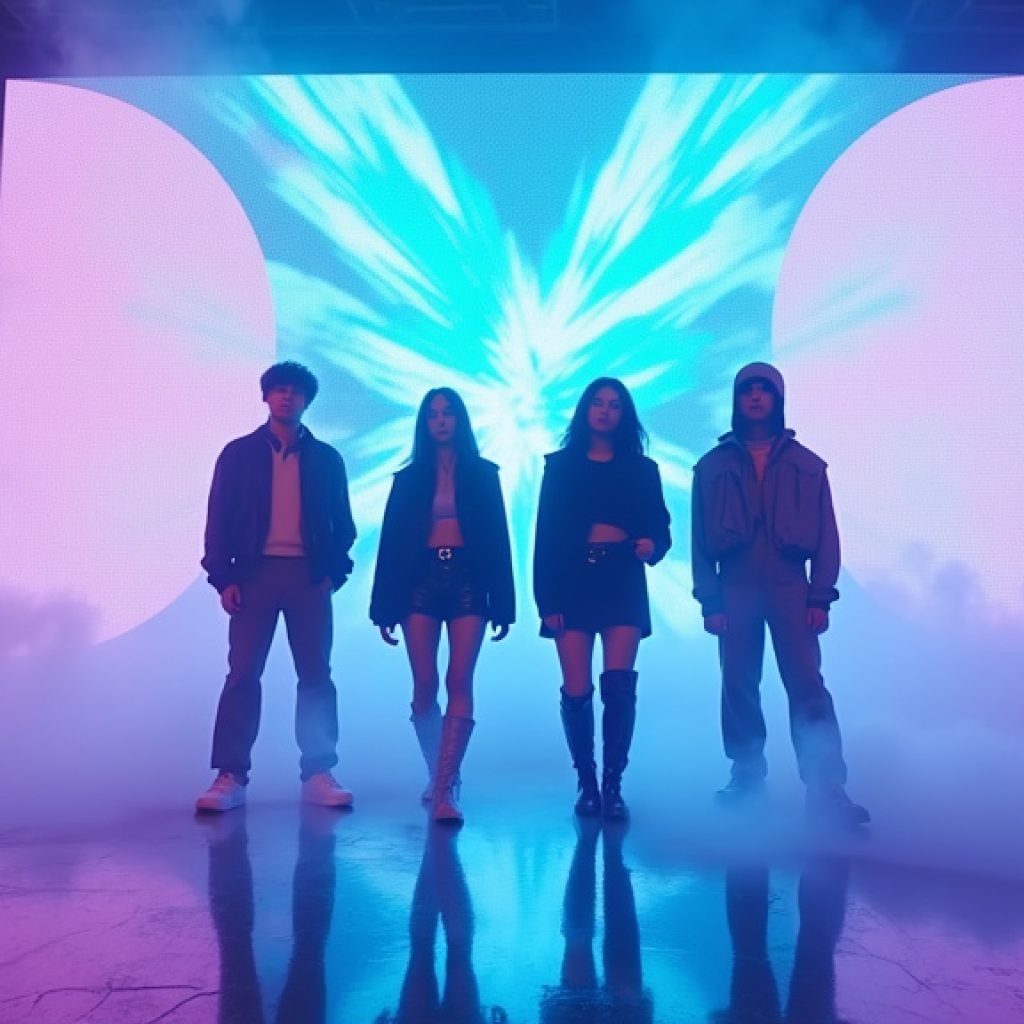
Hip-hop is making a powerful comeback in South Korea. It is regaining mainstream visibility. This resurgence is happening both within and outside the K-pop industry. New K-pop groups are placing hip-hop sounds at their forefront. Major debuts like Cortis and Allday Project highlight this trend. They feature hip-hop music and aesthetics. This marks a significant shift. It moves away from recent lighter, pop-focused concepts.
The return of “Show Me The Money” for its 12th season is crucial. This rap competition show has a long history. It is credited with increasing interest in hip-hop. The show aims to reinvigorate the genre. Season 12 features record-breaking numbers of applicants. It also includes expanded global auditions. Around 36,000 hopefuls applied. Producers aim to showcase true hip-hop. They want to overcome stereotypes. Jay Park notes genre lines are blurring in K-pop. He says hip-hop’s public appeal dipped. This was due to stereotypes like “acting tough.” The show seeks to reconnect hip-hop with the public. It wants to break through television screens. It aims to reach hearts with great music. Great music is a key point for producers. They are proud of the eight producers. These are exceptional artists committed to shoots.
Hip Hop’s Deep Roots in K-Pop History
Hip-hop is not new to Korea. It has been an integral part of K-pop’s DNA for decades. First-generation acts led the way. Seo Taiji and Boys heavily used 1990s hip-hop music and fashion. They helped modernize the music scene. They pioneered rap in Korean popular music. Their experimentation with fusion sounds was groundbreaking. This group won top awards. Their albums sold millions. They inspired a generation of artists. Second-generation icons also embraced hip-hop. Big Bang used hip-hop and R&B as pillars. Their music blended genres. T.O.P was an underground rapper. He later became an idol. Even BTS leaned heavily into hip-hop. This was true musically and thematically in their early years. SM Entertainment’s early K-pop groups took inspiration from Black American artists. This fusion laid the groundwork for K-pop’s sound. Even hip-hop’s origins in Korea trace back to the 1980s. US military bases introduced the culture. Nightclubs became early hubs. This exchange blended American hip-hop with Korean elements.
The Evolving Soundscape
For years, hip-hop remained influential in K-pop. However, its disruptive edge often diluted. It became fleeting rap verses. It merged into polished pop hybrids. Many newer groups between 2023 and 2025 favored easy-listening pop. They used lighter concepts. Youthful visuals were common. Assertive hip-hop edges were less frequent. Groups like BoyNextDoor and NCT Wish fit this trend. However, the latest arrivals are reversing this. They are placing hip-hop sounds at the front. This shift is evident in their music. It’s also clear in their visual identities. Artists like Cortis are billed as “young creative crews.” Allday Project centers its identity around hip-hop. LNGSHOT is also deeply rooted in hip-hop. This new wave of groups re-centers the genre’s core elements. They bring back its energetic and assertive spirit.
Challenges and Controversies in the Revival
This hip-hop revival brings old tensions to the surface. Debates continue regarding culture versus commodity. Inspiration versus appropriation is a major point. Revival versus repetition also sparks discussion. Critics argue K-pop’s engagement with hip-hop often lacks understanding. It sometimes lacks respect for origins. Recent controversies highlight these issues. Allday Project’s Tarzzan faced allegations. This included wearing hairstyles like cornrows and box braids. LNGSHOT also drew criticism for pre-debut images. The group Kiss of Life faced backlash for a hip-hop livestream. These incidents raise questions. They question what constitutes appropriation. Some fans see imagery as insensitive caricatures. The search for authenticity is a recurring theme. Korean hip-hop often faces a division. Mainstream K-pop idols are seen differently. Underground hip-hop artists are often viewed as more authentic. Jay Park acknowledges this stereotype problem. He aims for the program to show true hip-hop. The industry faces a complex challenge. It must balance global influence with cultural respect. This requires deeper understanding and awareness.
The Future of Korean Hip Hop
Hip-hop’s resurgence is more than a trend. It reflects the genre’s enduring appeal. It shows its adaptable nature. New artists are pushing boundaries. They are blending styles. They are also addressing past controversies. “Show Me The Money” provides a platform. It can highlight artists who respect the genre’s roots. It can also showcase innovation. The music industry is watching. This revival could reshape K-pop’s sonic landscape. It could also strengthen the independent hip-hop scene. The flow of hip-hop music in Korea continues to evolve. It is finding new energy. It is re-establishing its influential voice. This new wave promises a dynamic future. It will likely bring more diverse sounds. It may also foster greater cultural dialogue. The hip-hop music scene is vibrant. Its impact on the Korean industry grows. This news signals a significant moment. It is a testament to hip-hop’s lasting power.