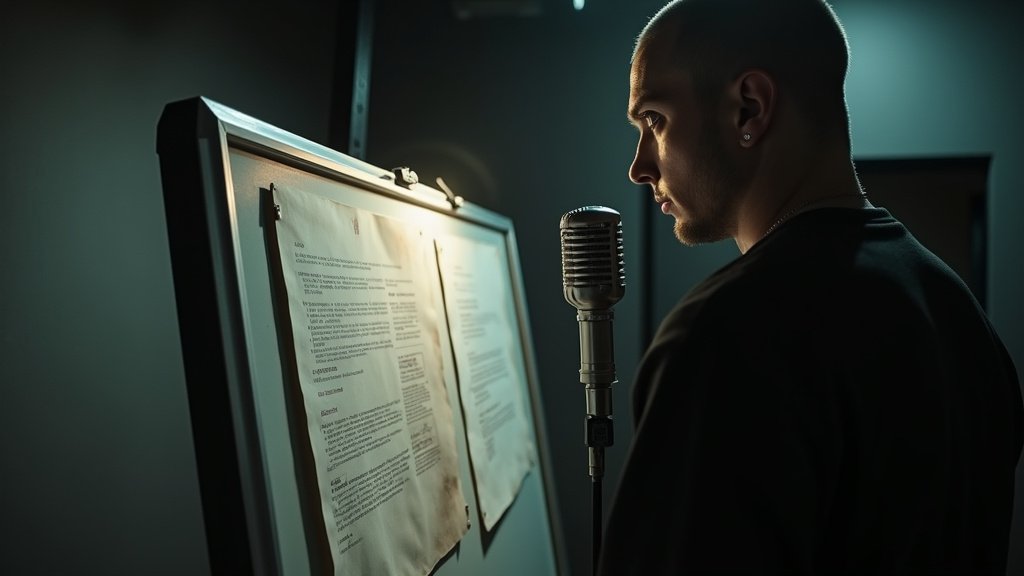
Global hip hop icon Eminem, born Marshall Mathers, has initiated legal action against a Sydney-based beachwear company, “Swim Shady,” alleging trademark infringement of his iconic alter ego, “Slim Shady.” This prominent Slim Shady lawsuit highlights the ongoing efforts by major artists to protect their established brands and intellectual property in an increasingly crowded marketplace.
The Legal Accusation: Slim Shady’s Identity Under Threat in Slim Shady Lawsuit
At the heart of the legal dispute is the assertion that the name “Swim Shady” creates an “undeniable link” to Eminem’s globally recognized pseudonym, “Slim Shady.” Eminem’s legal team argues that the Australian company’s use of a name so similar to his own – a persona deeply ingrained in his music and public image since the late 1990s – constitutes Eminem trademark infringement. The “Swim Shady” brand, which officially launched in December 2024, offers a range of beach-related products, including swim bags, towels, shorts, and its flagship product, the “Swim Shady” beach umbrella. This is a significant Slim Shady lawsuit.
While specific court filings detailing the full extent of Eminem’s claims were not immediately available, the core argument revolves around the potential for consumer confusion and brand dilution. This legal maneuver underscores the meticulousness with which artists in the music industry, particularly those with highly distinctive personal brands like Eminem, guard their intellectual property. The success of the Slim Shady lawsuit could set a precedent.
Unpacking the ‘Swim Shady’ Brand Amidst Eminem’s Slim Shady Lawsuit
The “Swim Shady” company was founded by Jeremy Scott, a former sponsorship manager for the South Sydney Rabbitohs, and his partner, Elizabeth Afrakoff. Their entrepreneurial journey began approximately four years prior to the lawsuit, stemming from a frustrating beach experience in 2021 involving poorly designed beach umbrellas. They aimed to create innovative, practical, and stylish beach accessories designed for ease of use and portability, unaware of the impending Slim Shady lawsuit.
Since its inception, “Swim Shady” has experienced significant growth, expanding to 50 retailers across Australia and securing international distribution in South Africa. The brand has also pursued trademark protection through the Madrid Protocol, indicating its ambition for global reach. The founders have expressed disbelief and bewilderment at finding themselves in a legal battle with an international superstar, emphasizing that they followed standard procedures to establish and approve their business name, not anticipating an Eminem trademark infringement claim in this Slim Shady lawsuit.
Eminem’s Longstanding Association with Slim Shady and the Current Lawsuit
The “Slim Shady” persona is more than just a stage name for Marshall Mathers; it is an integral part of his artistic identity, first introduced on his major label debut album, The Slim Shady LP, in 1999. This alter ego has been central to many of his most famous songs, including “My Name Is” and “The Real Slim Shady,” becoming synonymous with his provocative and often controversial lyrical style. Eminem has actively protected this brand, holding registered trademarks for “Slim Shady,” “Shady,” and “Shady Limited” in various categories, including entertainment services, sound recordings, and apparel, for decades. The rapper’s legal team points out that while Eminem held Australian trademarks for “Shady” and “Shady Limited,” he filed an application to trademark “Slim Shady” in Australia only a month after “Swim Shady” was launched, escalating the Slim Shady lawsuit.
A Pattern of Legal Action: Beyond the Beachwear and the Slim Shady Lawsuit
This lawsuit against “Swim Shady” is not an isolated incident for Eminem. He has a well-documented history of vigorously defending his intellectual property rights and engaging in legal battles related to his rap persona legal issues. Earlier this year, his publishing company, Eight Mile Style, filed a substantial copyright infringement lawsuit against Meta Platforms, alleging that the tech giant distributed over 243 of his songs without proper licensing across its platforms like Facebook, Instagram, and WhatsApp, seeking damages up to $109 million. This illustrates a broader commitment to celebrity brand protection.
Furthermore, in 2017, Eminem was victorious in a copyright infringement case against the New Zealand National Party, which was found to have breached copyright by using his hit song “Lose Yourself” in election advertisements, resulting in a substantial payout. More recently, in 2023, his legal team opposed the trademark application for “Reasonably Shady,” a podcast by reality television stars Gizelle Bryant and Robyn Dixon, arguing it was confusingly similar to his established “Shady” marks. These actions illustrate a consistent strategy by Eminem and his representatives to safeguard his brand’s integrity across different media and business sectors, a crucial aspect of managing an alter ego trademark.
The Stakes: Protecting a Brand Empire in the Slim Shady Lawsuit
The legal battle between Eminem and “Swim Shady” highlights the complexities of trademark law, particularly when a well-established, famous mark encounters a new entrant. Eminem’s claim likely hinges on demonstrating that consumers are likely to be confused into believing that “Swim Shady” is affiliated with, sponsored by, or endorsed by him. The fact that the “Slim Shady” mark is registered for apparel, and “Swim Shady” sells apparel, strengthens this argument in the context of this Slim Shady lawsuit.
For “Swim Shady,” the challenge lies in proving that their brand name is distinct enough, or that the products are sufficiently different, to avoid confusion, or that they followed all appropriate legal channels for trademark registration and are not infringing. The founders’ insistence on following proper procedures and their surprise at the legal action suggest a belief that their brand is legitimate and not a direct case of Eminem trademark infringement. However, even with proper registration processes, a powerful existing trademark can present significant legal hurdles in a Slim Shady lawsuit.
Conclusion
The “Swim Shady” lawsuit is another chapter in the ongoing narrative of artists protecting their brand identity. As a prominent figure in the music industry, Eminem’s “Slim Shady” persona is a valuable asset that he has consistently sought to protect. The outcome of this Slim Shady lawsuit, whether through settlement or court ruling, will have implications not only for “Swim Shady” and its future operations but also for other small businesses navigating the complex landscape of intellectual property and celebrity brands. The intersection of sports business, music industry news, and trademark law continues to generate significant attention, emphasizing the critical role of branding in today’s commercial world, especially concerning intellectual property law and the protection of unique personas like the Swim Shady brand.