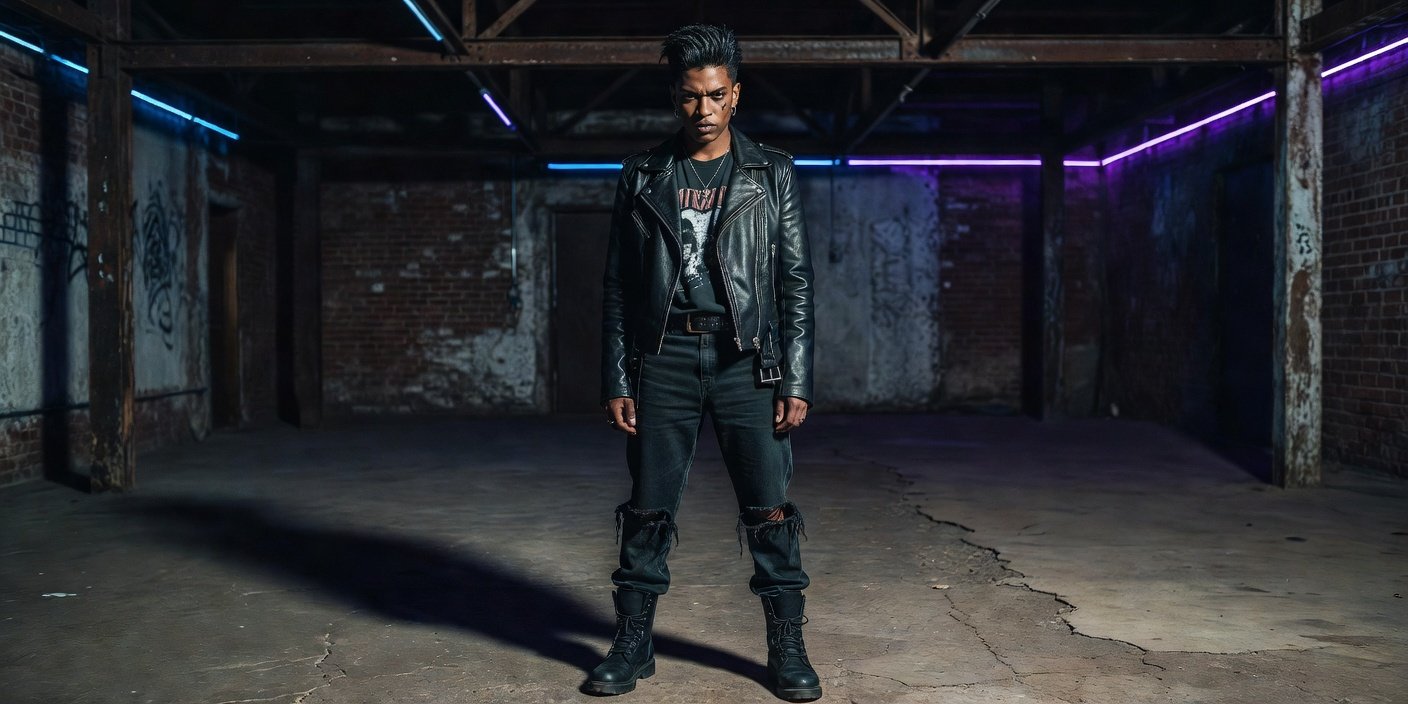
Correction: Recent reports circulating online have mistakenly attributed the viral diss track to the former Winner member, Mino. It is, in fact, independent artist Minoy who has released the track targeting rapper Woo Won-jae, sparking widespread speculation and industry chatter as of April 20, 2026.
Key Highlights
- The Track Drop: Minoy released a video on her personal YouTube channel titled “May This Be the Second and Last,” featuring direct lyrical jabs aimed at Woo Won-jae.
- Escalating Tension: The song follows her earlier release, “May This Be the First and Last,” which previously touched on controversies surrounding her former agency, AOMG.
- Specific Allegations: The track includes scathing lyrics questioning Woo Won-jae’s artistic integrity, personal hygiene, and professional behavior, complete with abrasive sound effects.
History of Collaboration: The duo previously shared chemistry on the 2022 variety show Yori Jori Season 3*, leaving fans shocked by the sudden turn toward public confrontation.
The Unfolding Conflict: Behind the Viral Diss
The South Korean music industry has been set ablaze by the latest release from singer Minoy. In a move that has left fans and industry insiders reeling, Minoy utilized her official YouTube channel to broadcast a biting diss track explicitly targeting Woo Won-jae. This development arrives amid a volatile period for the artist, who has recently been navigating a public fallout with her former agency, AOMG, as well as broader scrutiny regarding advertising controversies that have dogged her career in recent months.
Deconstructing the Lyrical Attack
The track, released on April 19, 2026, is far from subtle. From the opening moments, Minoy sets an confrontational tone. She addresses Woo Won-jae by name, limiting the scope of her response by stating, “Wonjae, the lyrics are exactly this long. I’ll show you just this much.” The brevity of the song does not diminish its impact; rather, it highlights the sharp, surgical nature of her criticisms.
One of the most talked-about lines involves a direct challenge to Woo Won-jae’s professional choices. Minoy references the concept of “textbooks,” asking, “What kind of textbook is this?” before moving into more personal, cutting insults. She questions whether he is “grabbing the rotten rope,” an idiom suggesting poor decision-making or aligning with the wrong alliances. The lyrics go further, touching on hygiene and professional opportunism—subjects rarely broached with such visceral hostility in the public sphere. Perhaps most striking is the inclusion of a toilet flushing sound effect at the track’s conclusion, an auditory signal of contempt that has already become the subject of intense social media debate.
The Context: From Chemistry to Confrontation
To understand the magnitude of this feud, one must look at the established history between the two. In 2022, Minoy and Woo Won-jae appeared together on Yori Jori Season 3, a YouTube variety program known for its candid atmosphere. The chemistry between the two was palpable and widely praised; they exhibited a playful, almost flirtatious dynamic that even fueled dating rumors among the fanbase.
This history makes the current vitriol particularly jarring. Observers are questioning whether the personal relationship has permanently fractured or if this is a calculated maneuver within the high-stakes world of hip-hop posturing. For long-time fans who invested in their previous dynamic, the shift is disorienting. It raises fundamental questions about the authenticity of variety show personas and the realities of interpersonal conflicts within the competitive K-hip-hop scene.
The Wider Industry Ripple Effect
Minoy’s decision to air her grievances publicly is part of a larger trend in the industry where artists are increasingly bypassing traditional PR channels to speak directly to their audience. By utilizing her YouTube platform, Minoy maintains complete control over the narrative, creating a sense of urgency and raw transparency. However, this strategy carries significant risks. In the highly scrutinized world of K-pop and Korean hip-hop, public feuds can lead to reputational damage that persists long after the trend cycle shifts.
This incident also invites comparison to the “Control” verse era in the United States, where high-profile rappers publicly challenged their peers to elevate the competitive bar. While Korean hip-hop has historically been more reserved, recent years have seen a surge in aggressive, direct disses. Whether Minoy’s actions are viewed as a necessary reclamation of her narrative or a self-destructive outburst remains to be seen. The mention of AOMG in the context of her earlier release suggests that this is not merely a spat between two musicians, but potentially a broader statement on the structural challenges artists face within the agency system.
Analytical Perspectives on Artist Autonomy
When we analyze this situation from a secondary perspective, we must consider the immense pressure placed on artists in South Korea. The “idol rapper” versus “underground rapper” dichotomy has long been a point of contention, and recent events suggest that labels are failing to mediate these tensions before they boil over into public forums. The mention of “grabbing the rotten rope” serves as a metaphor for the desperation felt by many artists who feel they have limited options for professional growth.
Furthermore, the “economic impact” of such drama cannot be ignored. While controversial, these tracks generate immense traffic and engagement on digital platforms. The algorithms favor conflict, ensuring that Minoy’s video will likely secure high view counts and dominate social media discussions for days to come. The industry is evolving into a space where “clout” is often measured in controversy, and Minoy has mastered the art of keeping herself at the center of the conversation.
Looking ahead, we can predict that this will put significant pressure on AOMG and other associated parties to clarify their stances. If Woo Won-jae chooses to respond, it could trigger a prolonged exchange, further fueling the current trend of diss-heavy discourse. Conversely, silence from his camp might be interpreted by some as a tacit admission or an act of professional maturity, though in the aggressive world of hip-hop, the latter is rarely the favored path.
FAQ: People Also Ask
Q: Did the former Winner member Mino release this diss track?
A: No. There is no evidence that the former Winner member, Mino, released a diss track targeting Woo Won-jae. The confusion stems from the similarity in names between the male rapper ‘Mino’ and the female singer ‘Minoy’, who is the artist actually responsible for the release.
Q: Why did Minoy release a diss track against Woo Won-jae?
A: The specific catalyst for the song appears to be linked to personal grievances and a feeling of professional betrayal. In the track, Minoy criticizes Woo Won-jae’s professional choices and implies a history of negative interactions, though she has not provided a detailed timeline of events outside of the song’s lyrics.
Q: What has been the reaction to the song?
A: The reaction has been polarized. Some fans have supported Minoy’s right to express her frustrations publicly, while others have expressed disappointment at the aggressive nature of the attack, particularly given the pair’s history of friendly collaboration on variety shows.
Q: Is there any connection to Minoy’s former agency, AOMG?
A: Yes. The track follows a previous song in which Minoy criticized the management environment at AOMG. This suggests the current conflict with Woo Won-jae may be part of a larger, ongoing narrative regarding her experiences in the industry.