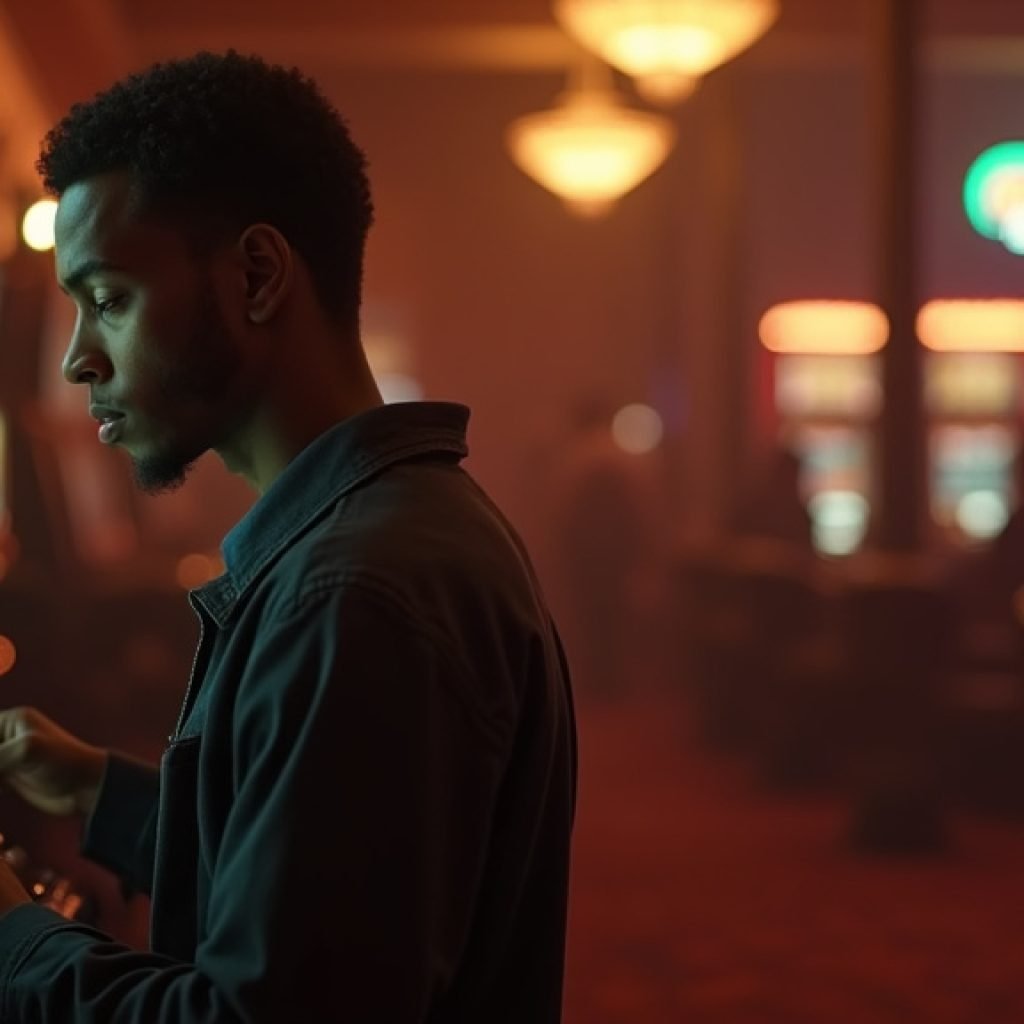
Portland, Oregon, a city often celebrated for its unique culture and independent spirit, might not immediately spring to mind as a powerhouse in the hip-hop world. Despite a rich history of creativity and a resilient community, the city’s hip-hop scene has often struggled to achieve the widespread recognition enjoyed by its counterparts in larger metropolises. This phenomenon is explored in “Beyond The Beats,” a documentary that delves into the past, present, and future of Portland’s vibrant yet often overlooked hip-hop narrative. The story of Portland hip-hop is one of passion, perseverance, and persistent challenges.
The Genesis of Portland’s Sound
Hip-hop’s arrival in Portland in the 1980s was intrinsically tied to the city’s historic Black neighborhoods in Northeast Portland. Mirroring the broader cultural movement born from urban hardship and artistic expression, Portland’s early scene thrived on the foundational elements: MCing, DJing, breakdancing, and graffiti art. Park jams in places like Peninsula Park and Irving Park served as crucial early gathering spots, fostering a sense of community and providing stages for burgeoning talent. Rap battling and home recordings became common avenues for artists to hone their skills and share their music. Early radio shows, such as “The King Crewsade” on KBOO, played a vital role in disseminating the burgeoning sound and connecting artists with a local audience.
Pioneering Voices and Cultural Pillars
During the 1980s and 1990s, Portland cultivated its own distinct hip-hop identity. Groups like The U-Krew emerged as significant figures, achieving major record deals and bringing national attention to the local scene. This quintet, originally known as The Untouchable Krew, blended hip-hop with R&B and New Jack Swing, scoring hits like “If You Were Mine” in 1990. Their journey, from winning local rap battles to signing with Enigma Records, exemplified the potential for success. Other key artists who shaped the era included Cool Nutz, often hailed as the godfather of Portland rap for his prolific output and community involvement, and Vursatyl (of Lifesavas), a long-time fixture in the scene. These artists, alongside DJs, b-boys, and graffiti artists, formed the backbone of Portland’s hip-hop culture, laying down the groundwork for future generations.
The Struggle for Space: Discrimination and Venue Closures
Despite the burgeoning talent and creative energy, Portland’s hip-hop scene faced significant hurdles, most notably a lack of support from the city’s established music venues. Reports indicate that local nightclubs and performance spaces were often reluctant to book hip-hop acts, citing racial and musical discrimination. This exclusionary environment made it difficult for artists to gain consistent performance opportunities and build a following. The situation was exacerbated by a wave of venue closures that devastated the local music infrastructure. Beloved spots like Blue Monk, Berbati’s, and Satyricon – venues that, while varied in genre, had provided crucial platforms for live music – shut their doors, further stifling the growth of the hip-hop community. A particularly contentious incident at the Blue Monk in 2014, where police presence and alleged overcrowding claims led to the premature end of a show headlined by battle rapper Illmaculate, highlighted the friction and mistrust between the hip-hop community and local authorities. Illmaculate’s subsequent statement, refusing to perform in the city due to the targeting of Black culture, underscored the depth of these challenges. These closures and incidents created a difficult landscape for artists trying to establish themselves and grow audiences.
Systemic Hurdles and Community Dynamics
Beyond the lack of venue support, broader societal factors contributed to Portland’s hip-hop scene remaining somewhat underground. As one of the nation’s historically least diverse major cities, with a founding history that actively excluded Black people, Portland grappled with ingrained racism and gentrification. These factors could have limited the organic growth and integration of Black artistic expressions like hip-hop. Some accounts suggest that even within the community, dynamics such as jealousy or cliquishness may have played a role in hindering collaboration and broader appeal. Furthermore, the inherent limitations of a smaller market compared to hubs like New York or Los Angeles meant that ambitious artists often felt compelled to relocate to find greater opportunities and industry connections, a path taken by artists like Aminé, whose national success, while celebrated, also sparked debate about whether it truly represented the grassroots Portland scene or a departure from it.
A Resilient Present and an Evolving Future
Despite the obstacles, Portland’s hip-hop scene has demonstrated remarkable resilience. In recent years, there has been a discernible effort to revitalize the culture through various channels. Social media has become a powerful tool for artists to promote their work and connect with fans, bypassing some traditional gatekeepers. The establishment of “Portland Hip-Hop Day” and showcases like “The Thesis” have provided vital platforms for local talent. Documentaries like “Beyond The Beats” serve to archive and illuminate the scene’s history, connecting pioneers with new generations and advocating for its continued growth. While challenges related to venue accessibility and systemic biases persist, the dedication of Portland’s artists and advocates ensures that the hip-hop story in the Rose City continues to be told, evolving and finding new ways to thrive. The city’s hip-hop culture remains a testament to the enduring power of music to articulate community identity and drive calls for growth and change, proving that even without the top-tier national spotlight, powerful stories are being made and shared.