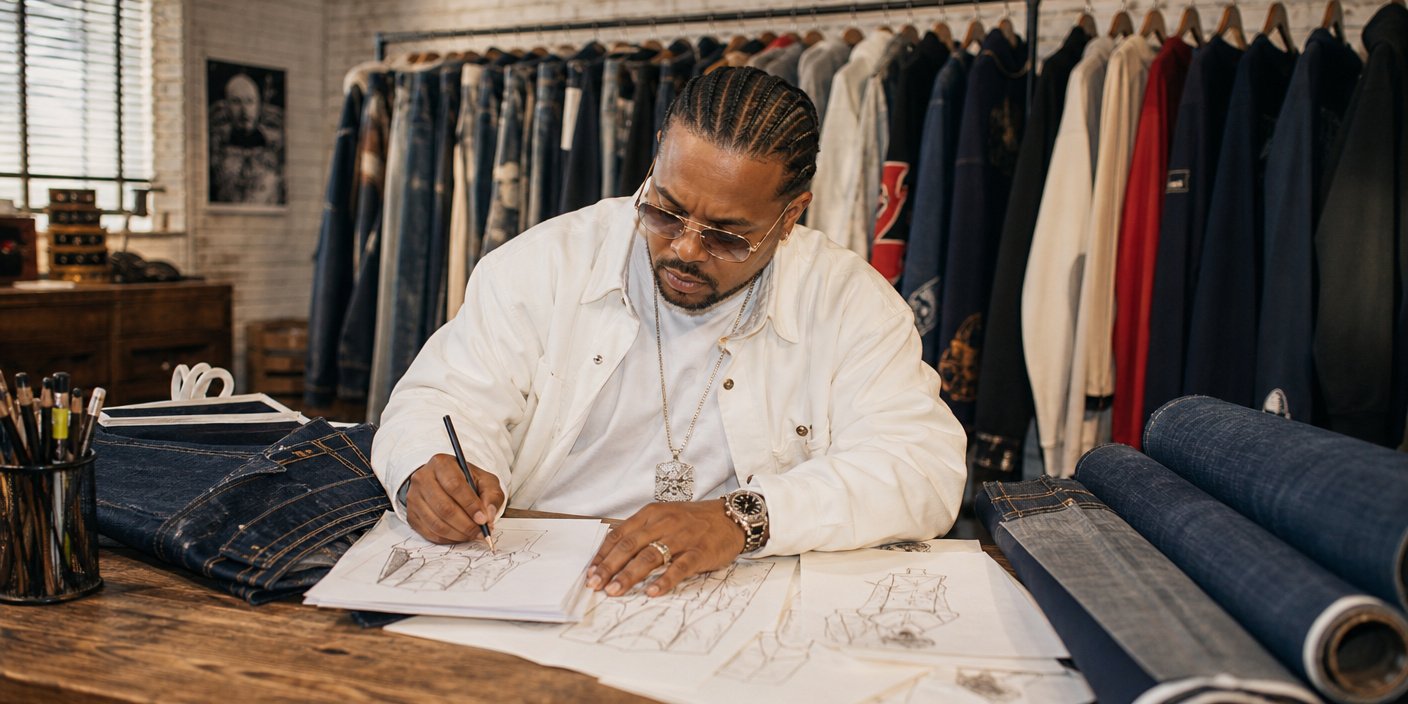
In the crowded landscape of 1990s fashion, one name stood above the rest, bridging the gap between Brooklyn street culture and the global stage: Karl Kani. Born Carl Williams, the designer who would later adopt the moniker ‘Karl Kani’—a direct question posed to himself: ‘Can I do this?’—did more than just manufacture clothing. He constructed an identity for a generation. By dressing the architects of hip-hop royalty, from Tupac Shakur to Aaliyah, Kani didn’t just capitalize on a trend; he codified the visual language of a movement that was reshaping American culture.
Key Highlights
- The Origin Story: Carl Williams launched the brand in 1989, starting from his roots in Brooklyn with a vision to translate the energy of the streets into premium apparel.
- Cultural Impact: Kani is widely credited as the ‘Godfather of Hip-Hop Fashion,’ serving as a primary clothier for icons including The Notorious B.I.G., Tupac Shakur, and Diddy during their meteoric rise.
- Economic Dominance: By 1996, at the height of his influence, the Karl Kani brand reportedly generated approximately $65 million in annual sales, cementing its status as a major player in the global retail market.
- Legacy of Authenticity: Unlike competitors who approached the urban market from the outside, Kani’s designs were born from the lifestyle, ensuring a level of authenticity that remains relevant in modern fashion circles.
The Blueprint of Hip-Hop Couture
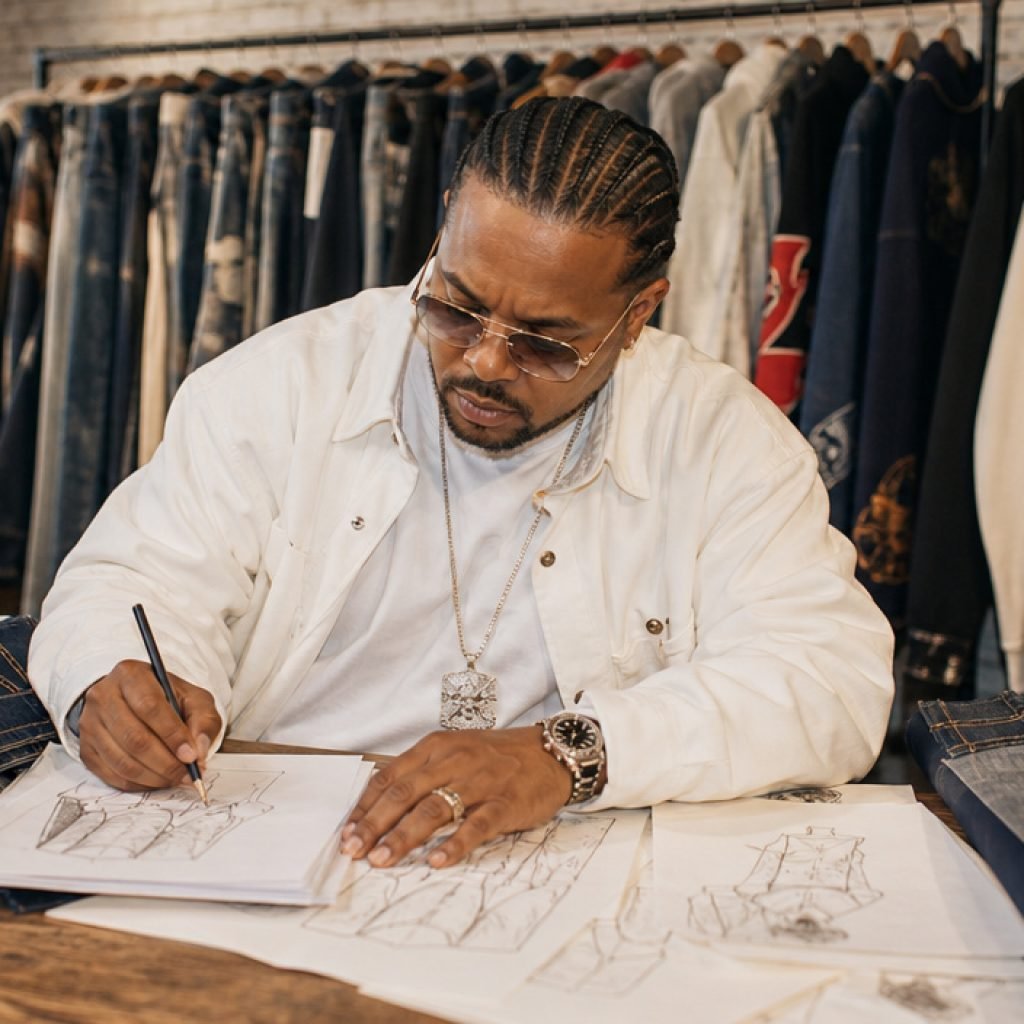
The story of Karl Kani is not merely one of fashion; it is a case study in cultural sovereignty. In the late 1980s, the fashion industry was largely detached from the nuance of hip-hop culture. Designers viewed streetwear as a secondary market, an afterthought to be relegated to discount bins or low-tier retail. Carl Williams saw the void differently. He understood that hip-hop artists were the new cultural influencers, and they lacked a brand that spoke their language—literally and aesthetically. His debut in 1989 was a gamble on his own conviction, using his meager savings to create designs that were baggy, bold, and unapologetically ‘street.’
Scaling the Brand: From Brooklyn to the White House
By the mid-1990s, the brand’s trajectory was vertical. Kani was not just selling hoodies and jeans; he was selling membership into an exclusive club. His pivotal move to put the logo front-and-center on high-quality fabric transformed clothing into a badge of status. This was the birth of ‘logomania’ within the urban demographic.
Perhaps the most significant milestone in his professional career—and a testament to his brand’s massive influence—occurred when Kani became one of the first Black designers to be invited to the White House. This wasn’t just a PR stunt; it was a societal acknowledgment that hip-hop culture had moved from the fringes of American society to the very center of its political and economic establishment. The sheer scalability of his business model allowed him to compete with major sportswear conglomerates, proving that urban fashion was not a niche trend but a robust economic sector.
The Human Element: Dressing the Icons
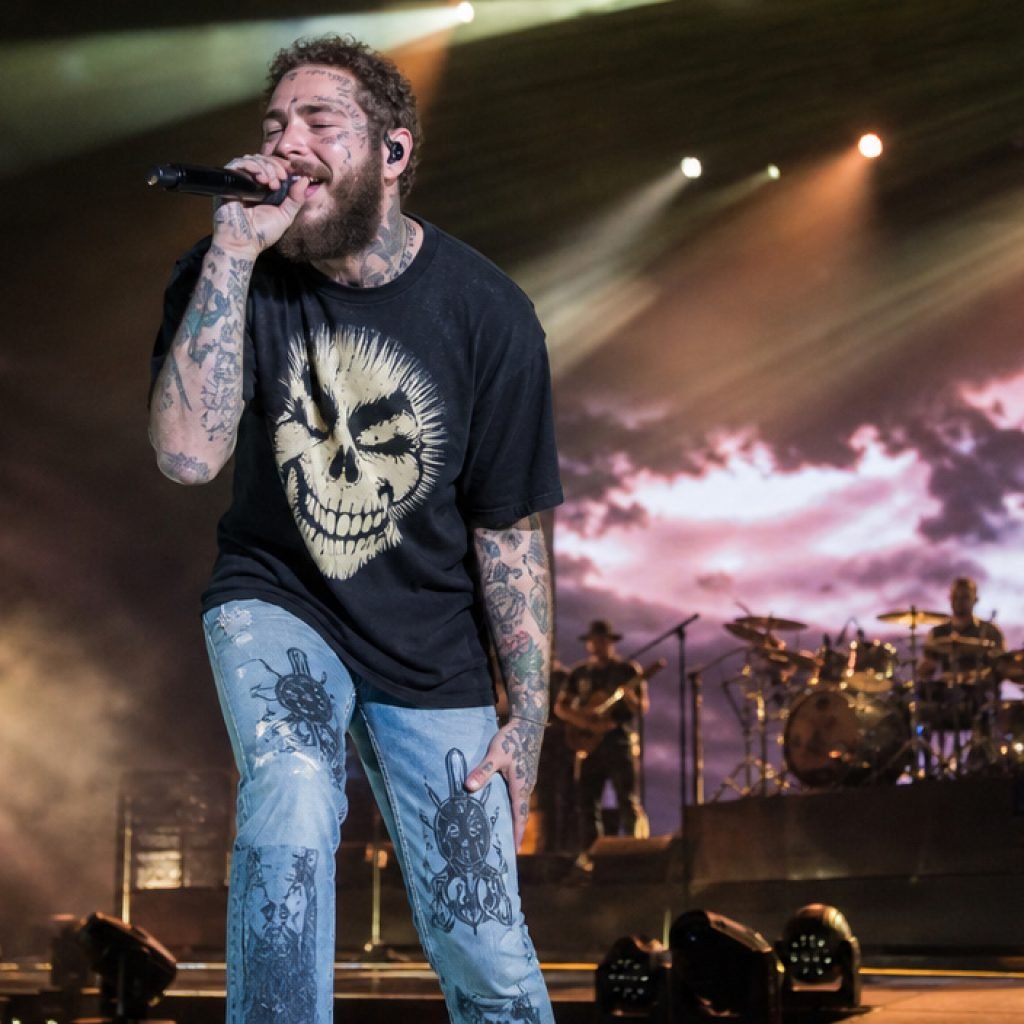
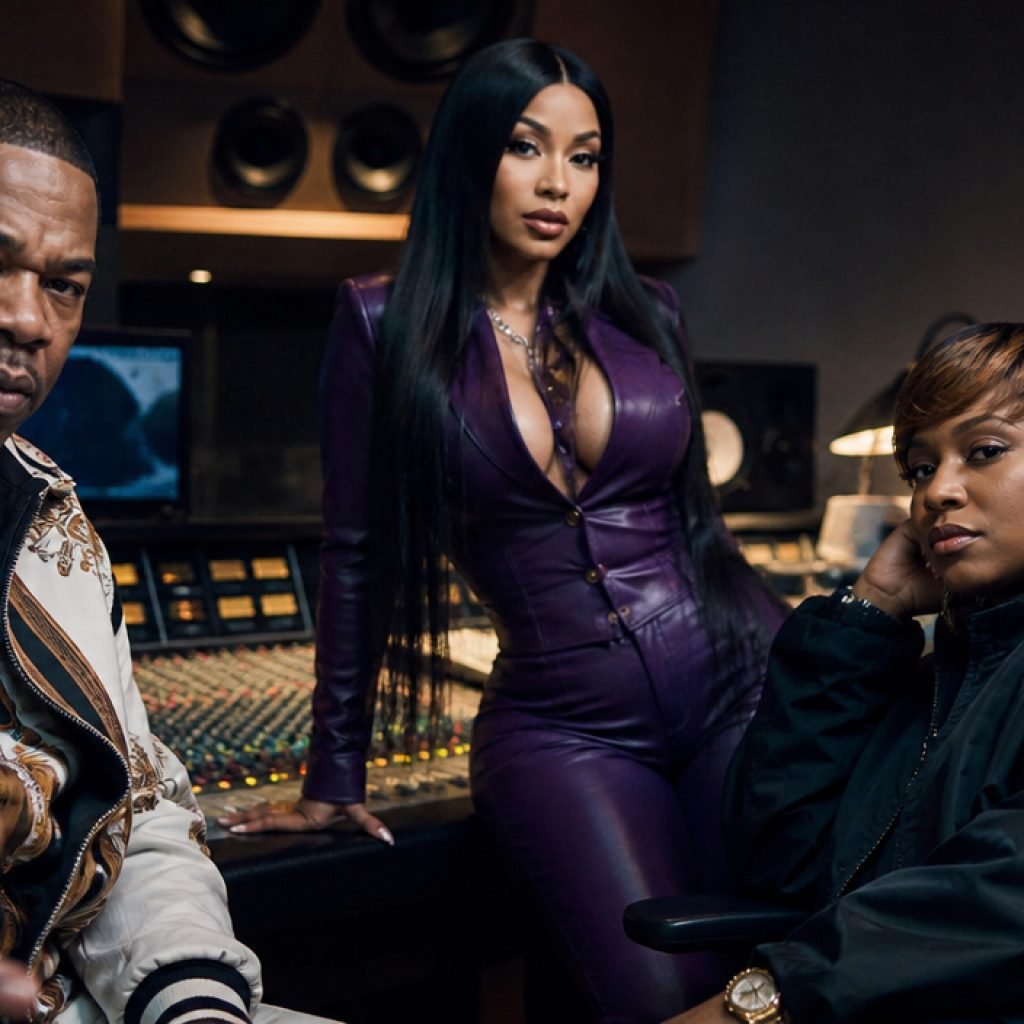
Kani’s genius lay in his proximity to the talent. He didn’t use focus groups to determine what was cool; he hung out in recording studios and backstage at concerts. When Tupac Shakur walked onto a stage wearing a Kani signature piece, it wasn’t a paid product placement in the modern sense; it was a genuine reflection of cultural kinship. Artists like Aaliyah and Snoop Dogg didn’t just wear the clothes; they became the brand’s living billboards. Kani understood that in the hip-hop ecosystem, the garment was an extension of the artist’s persona. If the artist was authentic, the clothing had to be too. This relationship-first business model created a level of brand loyalty that few companies in history have ever replicated.
Economic Shifts and the Evolution of the Aesthetic
Critics often underestimated the commercial durability of the Karl Kani brand, yet it survived where many others failed. As the market became saturated with competitors in the late 90s, Kani pivoted. He understood that to survive, the brand had to evolve without losing its foundational identity. This involved expanding the product range, exploring global distribution, and maintaining that ‘signature’ bagginess and logo placement that became synonymous with his success.
By analyzing the economic figures of the time, we see that Kani’s peak revenue in 1996 wasn’t a fluke—it was the result of a perfectly executed strategy that leveraged celebrity endorsement, consistent branding, and an unwavering commitment to the community that birthed the movement. Even as fashion moved toward the hyper-luxury streetwear seen today, the blueprint Kani created remains the foundational standard for every urban brand that has followed in his footsteps.
FAQ: People Also Ask
Q: What is Karl Kani’s real name?
A: Karl Kani’s real name is Carl Williams. He adopted the name ‘Karl Kani’ as a branding decision, born from the question ‘Can I do this?’ when he started his clothing line.
Q: Why is Karl Kani called the ‘Godfather of Hip-Hop Fashion’?
A: He earned this title by being the first designer to successfully blend high-quality streetwear with the aesthetics of hip-hop culture, making it a viable and dominant style in the 1990s.
Q: Is Karl Kani still relevant in modern fashion?
A: Yes, the brand has seen a resurgence in the 2020s, with a new generation of consumers embracing ‘vintage’ 90s streetwear, and the brand continuing to collaborate with current music and culture icons.
Q: Did Karl Kani dress Tupac Shakur?
A: Yes, Karl Kani was one of the primary designers who dressed Tupac Shakur, and their partnership helped cement the brand’s legendary status in hip-hop history.