Ye, the artist formerly known as Kanye West, delivered a monumental performance at Jakarta’s iconic Gelora Bung Karno Stadium, anchoring his latest international appearance with a high-concept production that captivated a crowd of 50,000. The event, which centered on a revolutionary globe-shaped stage design, served as a definitive showcase of his classic discography, proving that the demand for the artist’s foundational sound remains as potent as ever in Southeast Asia.
Key Highlights
- Massive Turnout: 50,000 fans packed the Gelora Bung Karno Stadium, signaling the continued global influence of the artist’s brand.
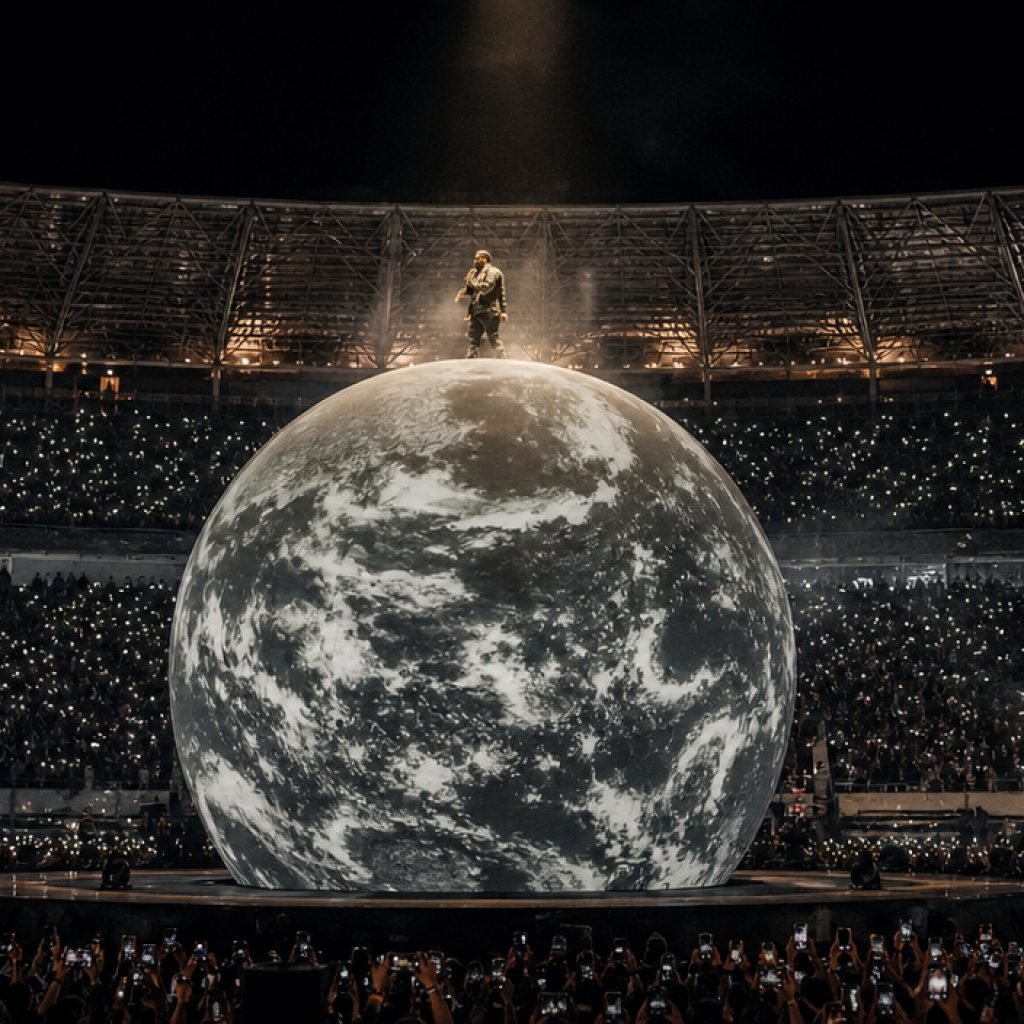
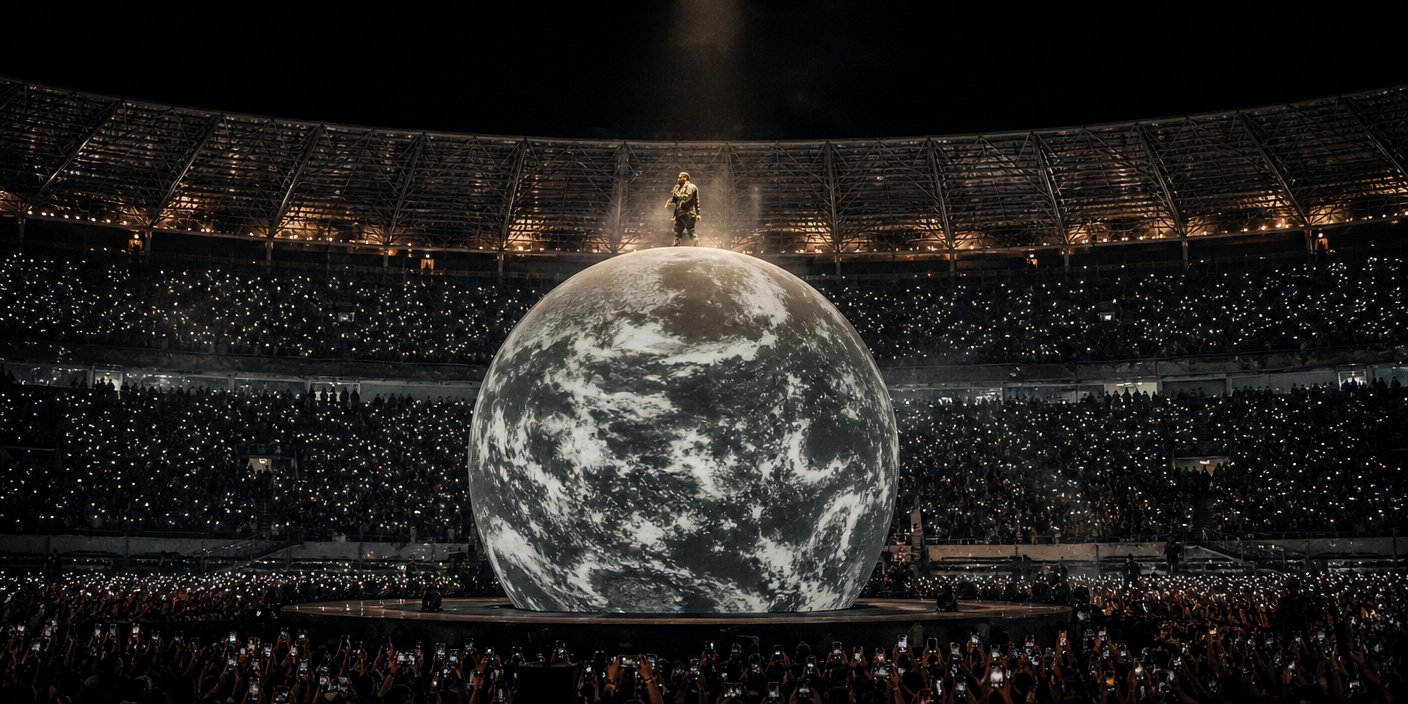
- Engineering Marvel: The centerpiece of the show was an innovative, globe-shaped stage that utilized advanced lighting and projection technology.
- Nostalgic Setlist: The performance prioritized ‘Old Kanye’ hits, leaning heavily into the tracks that defined his mid-2000s and early-2010s dominance.
- Strategic Market Entry: The Jakarta stop serves as a significant case study for how major international acts are increasingly targeting emerging Southeast Asian markets for high-production-value stadium tours.
The Anatomy of the Jakarta Spectacle: Engineering and Nostalgia
The concert at Gelora Bung Karno (GBK) was not merely a musical event; it was a masterclass in large-scale event logistics and artistic brand management. By opting for a globe-shaped stage, Ye’s production team created a focal point that transcended the standard concert format, turning the venue into an immersive experience rather than a traditional front-facing show. This choice effectively managed the acoustics and sightlines of the historic Indonesian stadium, which is known for its sheer scale but can be challenging for audio engineers.
The Globe Stage: A Structural Pivot
In modern stadium performances, visual real estate is the primary currency. The globe stage—an architectural feat involving multi-tiered platforms and integrated projection mapping—allowed the audience to feel connected to the artist despite the physical distance. The design minimized the ‘barrier’ effect often found in stadium shows, creating a 360-degree feel. For a stadium with the history and capacity of GBK, this design was not just aesthetic—it was functional, acting as a beacon of light that unified 50,000 disparate fans into a single, cohesive audience.
The ‘Old Kanye’ Resurgence
The setlist choices were surgical. By focusing on his ‘classic’ era—a period defined by the soul-sampling, gospel-infused, and electro-pop soundscapes of his early albums—Ye tapped into a deep well of nostalgia. For many in attendance, these songs represent a formative period in modern hip-hop culture. The delivery of these tracks was stripped of unnecessary modern embellishments, allowing the audience to engage with the raw, lyrical honesty that first made the artist a global household name. This curation strategy effectively mitigated the risks associated with introducing experimental new material to a market craving familiarity.
Cultural and Economic Ripples
The economic impact of a 50,000-person concert in Jakarta extends far beyond ticket sales. Major events of this caliber at GBK function as massive influxes into the local service economy. From hospitality and tourism to local security and logistics, the presence of an artist of this magnitude requires a highly coordinated effort from Indonesian event planners and municipal authorities. It reinforces Jakarta’s growing status as a premier destination for top-tier international acts, potentially opening the door for more frequent, high-budget tours in the region.
Secondary Angles: Future Implications
Looking forward, the success of this show raises questions about tour viability in Asia. Can other artists replicate this ‘globe’ format without compromising on quality? Furthermore, the emphasis on ‘Old Kanye’ tracks might signal a long-term shift in how heritage acts manage their setlists for international tours, prioritizing the greatest hits that resonate across cultural and language barriers over promoting current, polarizing releases. Finally, the technical logistics required for this specific stage design set a new benchmark for promoters in the region, suggesting that future stadium tours in Indonesia will need to match this level of sophisticated production to be considered ‘must-see’ events.
FAQ: People Also Ask
Q: What is the significance of the globe-shaped stage?
A: The globe-shaped stage design provided a 360-degree visual focus, allowing for improved audience engagement and sightlines within the massive Gelora Bung Karno Stadium. It acted as an immersive centerpiece rather than a traditional front-facing structure.
Q: Did Ye perform new music at the Jakarta show?
A: The performance was explicitly curated to highlight ‘Old Kanye’ hits, prioritizing fan-favorite songs from his classic discography over new or experimental material.
Q: How many people attended the concert?
A: The event drew a capacity crowd of 50,000 fans to the Gelora Bung Karno Stadium, demonstrating the artist’s continued high-demand status in the region.
Q: Why was this specific show significant for the Jakarta music scene?
A: Beyond the performance itself, it showcased the city’s ability to host complex, high-production international tours, potentially positioning Jakarta as a more frequent stop for global superstars in the future.