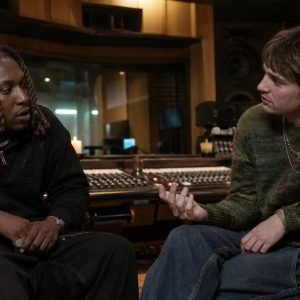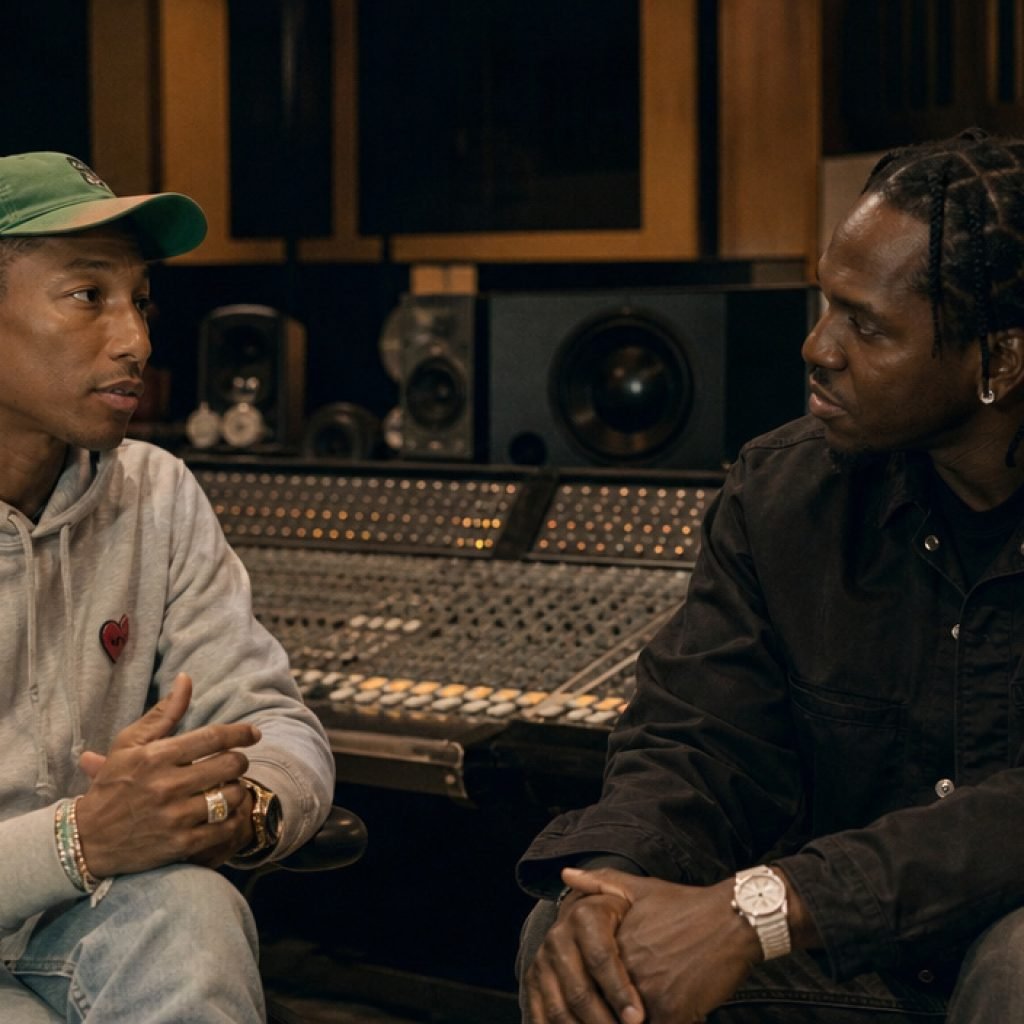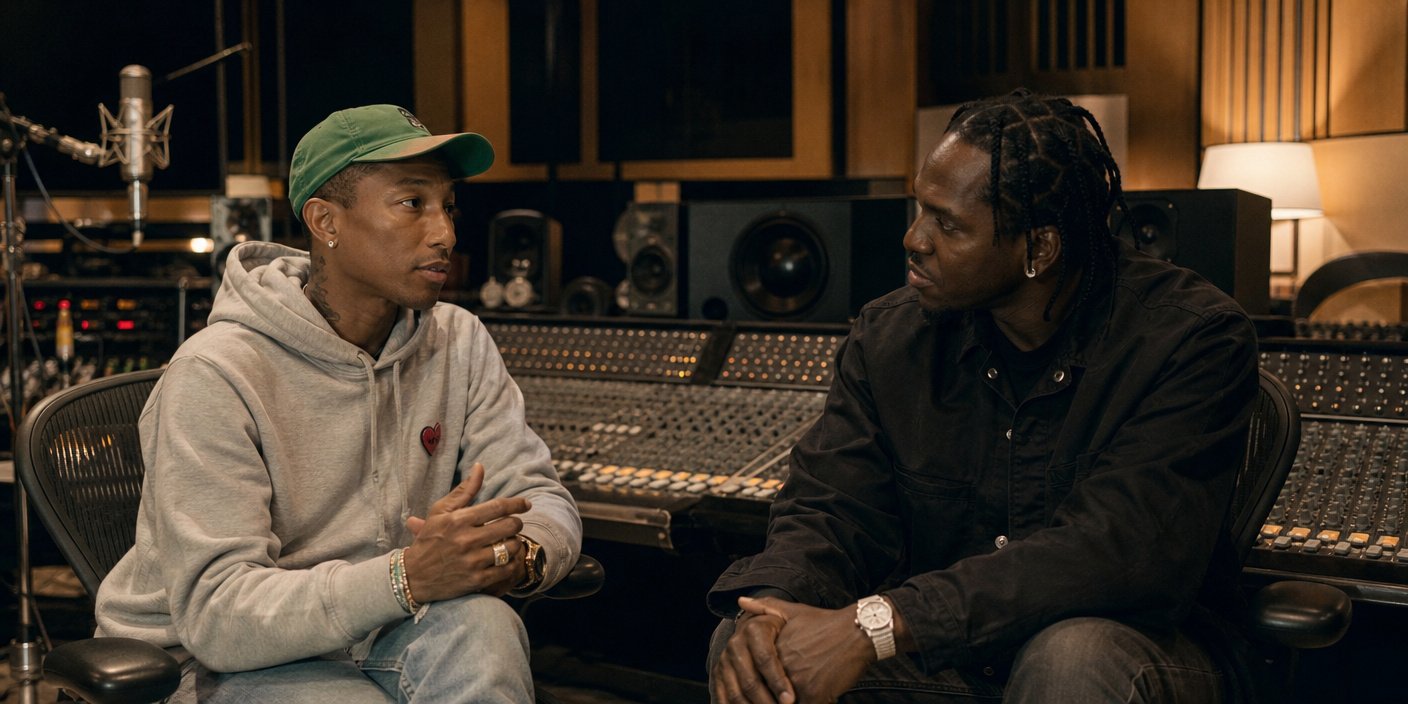
In the annals of modern hip-hop history, few creative relationships have proven as enduring, influential, or culturally significant as the bond between Pharrell Williams and Pusha T. Emerging from the Tidewater region of Virginia, their journey—from ambitious teenagers dreaming of chart-topping success to global cultural icons—is a testament to the power of artistic synergy. A recent exclusive feature in Vogue brings these heavyweights together for a mutual interview that serves as both a retrospective of their shared history and a meditation on their evolving creative partnership. This conversation peels back the layers of their decades-long brotherhood, shedding light on the early days in Virginia Beach, the formation of the legendary Clipse, and the distinct paths that led them to become vanguards of music, fashion, and business.
Key Highlights
- Virginia Roots: The foundational connection between Pharrell and Pusha T dates back to the early 1990s in Virginia Beach, where a burgeoning music scene served as the incubator for their distinct creative identities.
- The Neptunes Era: Their collaboration, particularly through the production work of The Neptunes (Pharrell Williams and Chad Hugo) for the rap duo Clipse, defined the sound of early 2000s hip-hop with sparse, rhythmic precision.
- Lyrical vs. Sonic Evolution: The discussion highlights the divergence and convergence of Pusha T’s unrelenting, gritty storytelling and Pharrell’s pop-culture-shifting production and melodic sensibilities.
- Shared Cultural Impact: Beyond music, the two have navigated parallel trajectories in fashion and lifestyle, influencing streetwear and luxury design through their respective creative lenses.
The Architects of the Virginia Sound
The story of Pharrell Williams and Pusha T cannot be told without understanding the unique geographic and cultural isolation of the Tidewater region in Virginia during the 1990s. While New York and Los Angeles dominated the mainstream rap discourse, Virginia Beach was developing an underground sound characterized by an experimental, almost futuristic sensibility. For Pharrell, this environment provided the creative freedom to ignore traditional hip-hop conventions. As part of The Neptunes, alongside Chad Hugo, Pharrell began to craft beats that utilized unconventional percussions and minimalist arrangements—a stark departure from the sample-heavy, orchestral sounds of the era.
Pusha T, along with his brother Gene ‘No Malice’ Thornton, formed the duo Clipse. Their synergy with The Neptunes was not merely a matter of convenience; it was a perfect sonic marriage. Pusha’s narrative-driven lyricism, which focused on the complexities of the drug trade delivered with a razor-sharp, nonchalant cadence, found its perfect canvas in Pharrell’s bouncy, distorted, and high-frequency productions. This partnership effectively put Virginia on the map, creating a distinct sonic blueprint that influenced a generation of producers and rappers alike. Tracks like ‘Grindin’’ were not just hits; they were seismic shifts in the rhythmic expectations of hip-hop, characterized by their infectious, percussive loop that demanded listener attention without relying on traditional melodic crutches.
From Clipse to Independent Icons
The trajectory of their careers, as discussed in the Vogue interview, reveals a period of significant evolution. Following the critical success of albums like Lord Willin’ (2002) and Hell Hath No Fury (2006), the path for both artists diverged, though their creative alignment remained intact. Pusha T’s pivot to a solo career under Kanye West’s G.O.O.D. Music label signaled a maturation of his brand—shifting from a duo narrative to becoming one of the most respected lyricists in the industry, known for his ‘luxury rap’ ethos and uncompromising honesty.
Conversely, Pharrell’s career path followed a trajectory of relentless expansion. He evolved from a producer to an artist, then to a cultural curator, and eventually to a high-fashion visionary. Despite these different outward expressions, both men remained anchored in their shared history. The Vogue interview serves as a reminder that this success was never inevitable; it was forged through early, late-night studio sessions where the pressure was high, and the resources were limited. This era of ‘struggle and creation’ established a work ethic that both have carried into their current status as multi-hyphenate moguls.
The Vogue Retrospective: Brotherhood Beyond Business
The essence of the Vogue interview is arguably less about the discography and more about the nature of their brotherhood. In an industry notoriously prone to shifting allegiances and transient friendships, Pharrell and Pusha T have maintained a consistent, foundational support system. They reflect on the ‘Virginia mentality’—a sense of humility mixed with an inherent drive to prove oneself. This bond is framed not just as a professional camaraderie but as a lifelong tether.
Their conversation touches on the idea of ‘the mirror effect.’ They have acted as professional mirrors for one another; as Pusha refined his lyrical delivery, Pharrell’s production became more complex, and as Pharrell expanded into the world of luxury design, Pusha solidified his position as a cultural authority in fashion-forward hip-hop. Their influence is symbiotic. They discuss the weight of their choices, the pressure of maintaining authenticity while navigating the shifting sands of global fame, and the conscious effort required to remain grounded in their roots while existing at the stratosphere of public life.
FAQ: People Also Ask
Q: How did Pharrell and Pusha T first meet?
A: The two met in Virginia Beach in the early 1990s. Their connection was solidified through their shared musical ambitions and the development of the ‘Virginia sound,’ which later saw them collaborating intensely on Clipse’s early records.
Q: What is the significance of the ‘Virginia Sound’ in hip-hop?
A: The ‘Virginia Sound,’ pioneered largely by The Neptunes, is known for its minimalist, rhythm-heavy, and experimental production style. It moved away from the traditional, sample-heavy hip-hop of the 1990s, influencing the sound of the 2000s and beyond.
Q: How has their relationship evolved since the early Clipse days?
A: While both have achieved massive solo success, their relationship has evolved into a long-term mentorship and creative partnership. They have supported each other through career transitions, from early production and rapping to their current roles as fashion influencers and global cultural icons.
Q: Why is their Vogue interview notable?
A: The interview is significant because it provides a rare, candid look into the personal brotherhood of two men who define modern hip-hop culture, focusing on their shared history rather than just their latest releases.