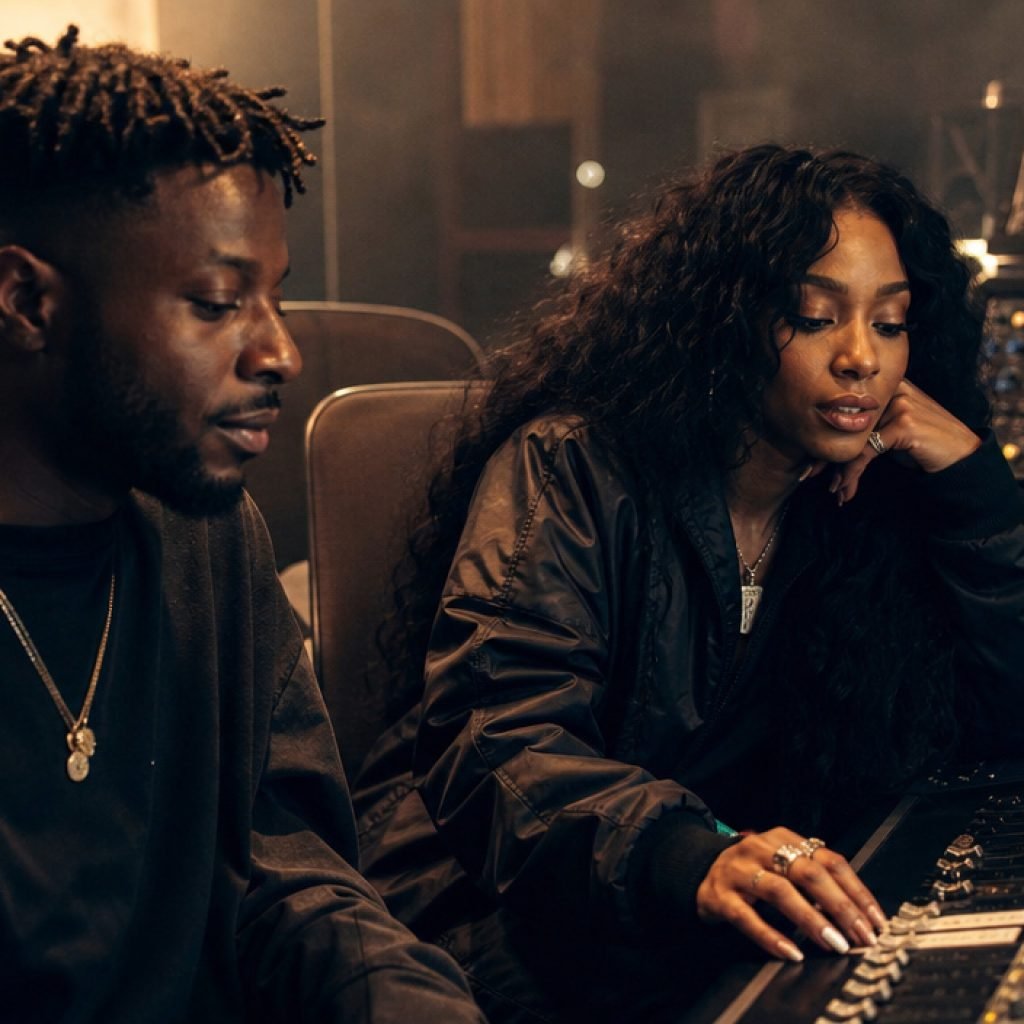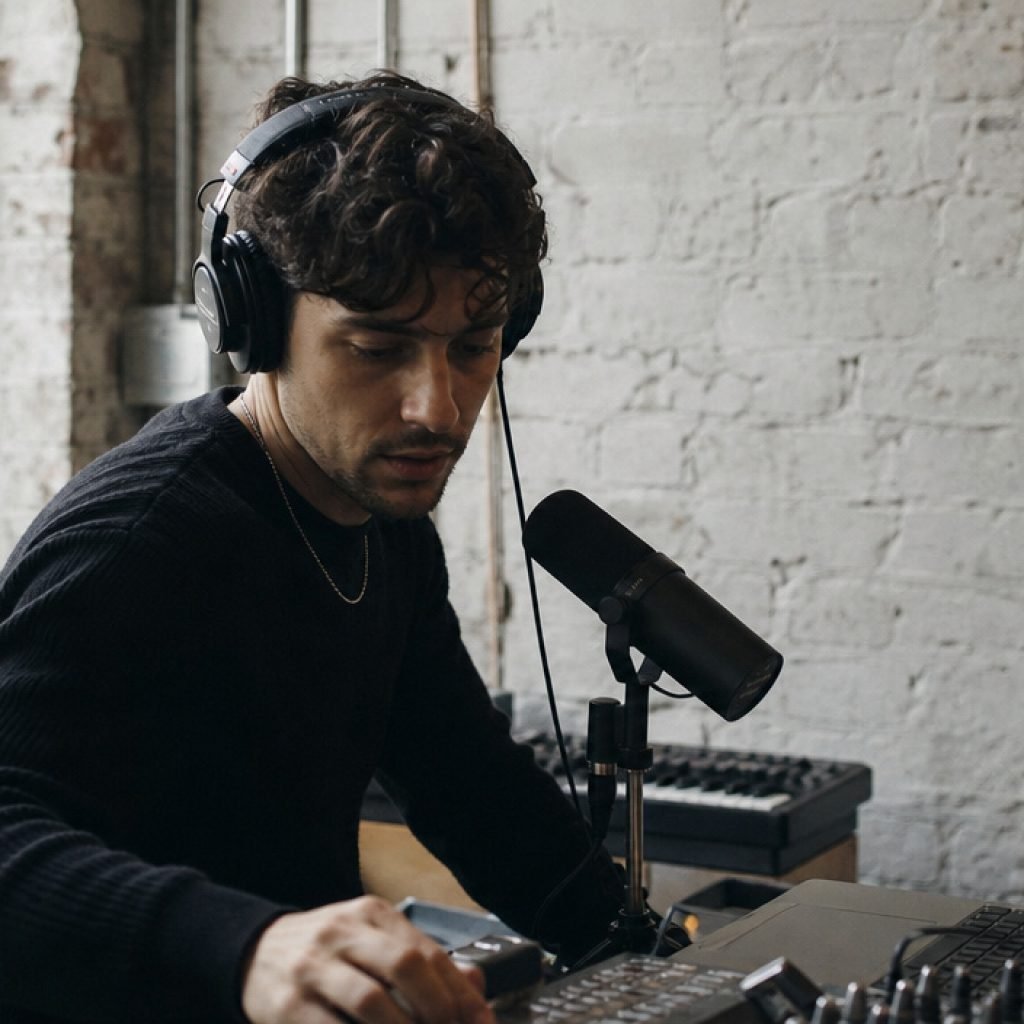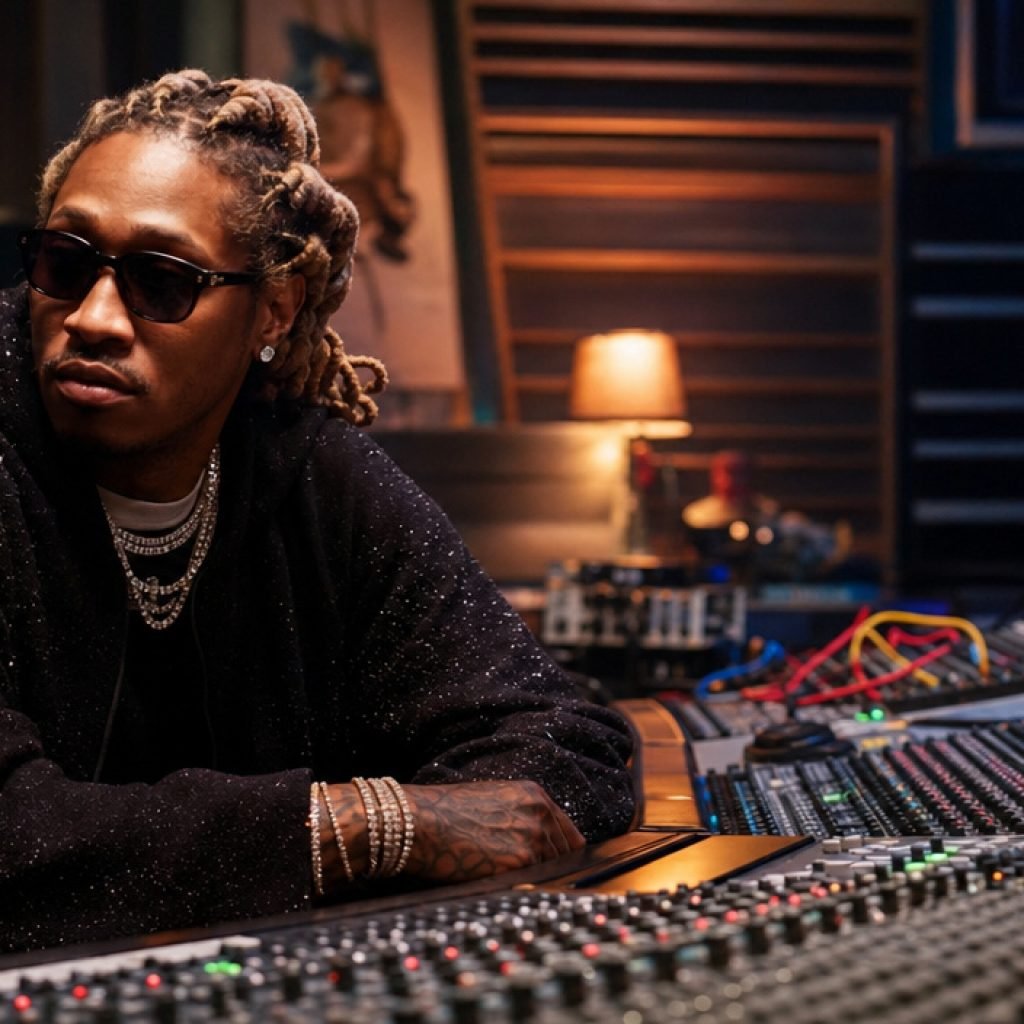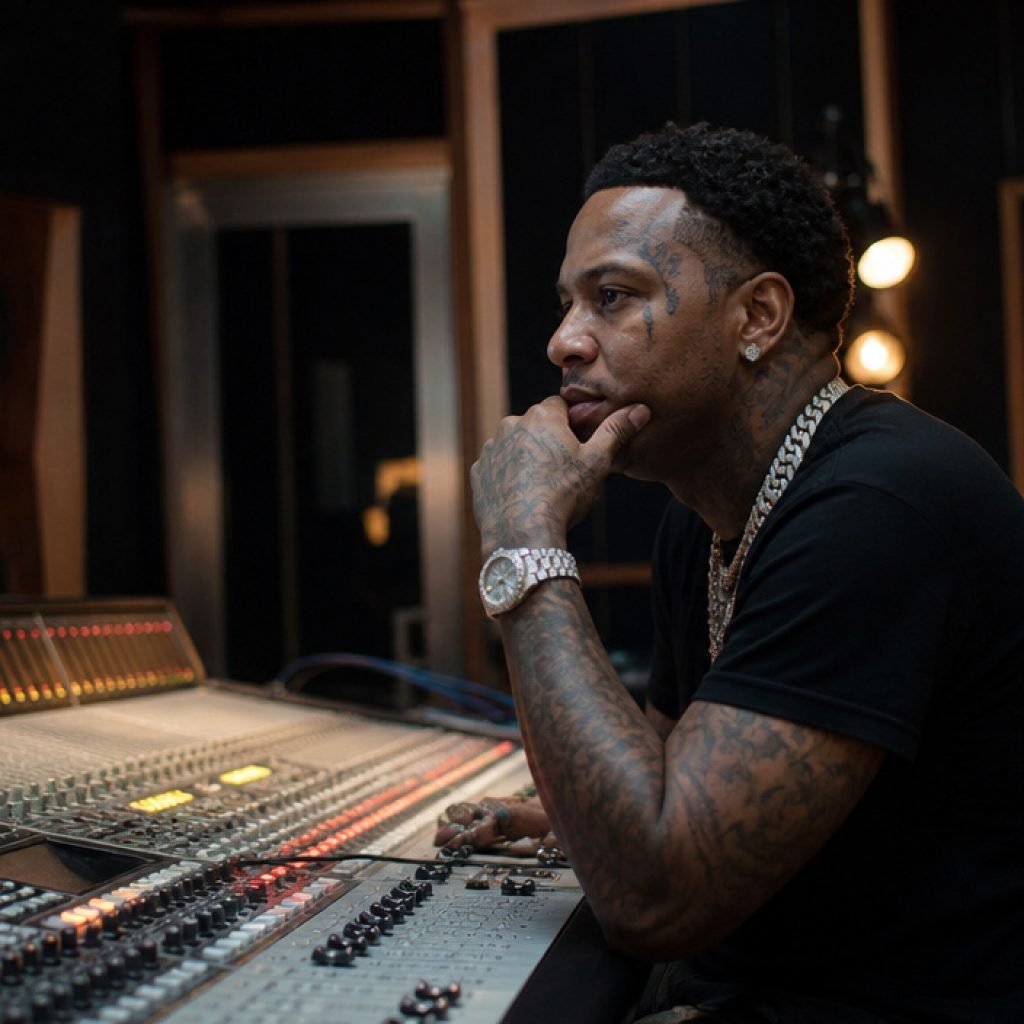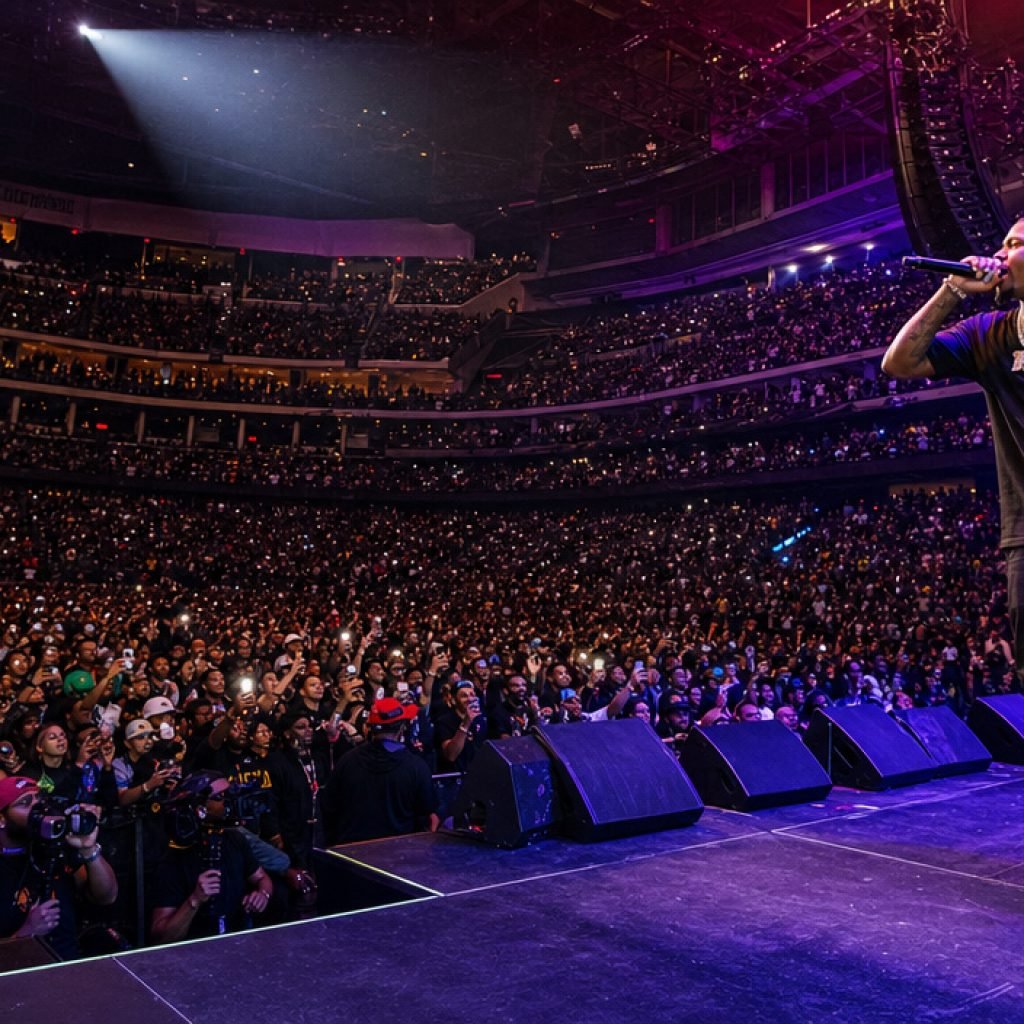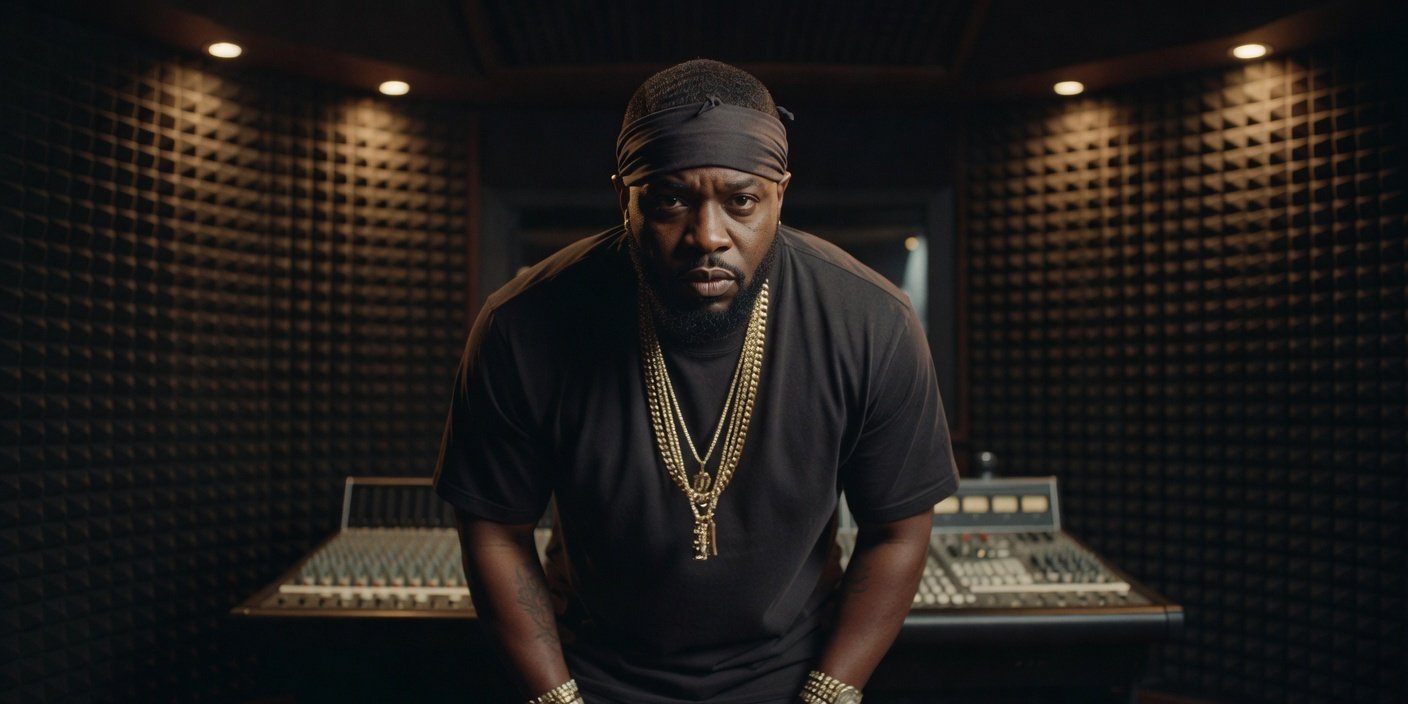
In a move that has sent ripples through the international hip-hop landscape, West Coast rap titan The Game has publicly co-signed the latest single from rising American rapper JP Keller and South African firebrand Lucasraps, titled “Can Never Be Me.” The endorsement, delivered via a concise yet impactful “Tapped in” comment on social media, has instantly vaulted the track—and the artists behind it—into the center of modern rap discourse. This unexpected stamp of approval from a multi-platinum, genre-defining artist like The Game highlights the growing connectivity between the U.S. and South African hip-hop scenes, creating a viral moment that is as much about the music as it is about the shifting power dynamics of digital-era A&R.
Key Highlights
- The Co-Sign Heard ‘Round the World: The Game’s Instagram comment on JP Keller’s promotional post for “Can Never Be Me” has served as a massive digital amplifier for the burgeoning collaboration.
- Cross-Continental Synergy: The track represents a strategic union between American rap aesthetics and the aggressive, high-energy flow that defines Lucasraps’ signature South African style.
- Industry Gatekeeping 2.0: This moment illustrates how established legends are now directly curating the next generation of talent through social media, bypassing traditional label discovery channels.
- Market Reception: While the co-sign has generated significant exposure, the song itself has sparked a polarized debate within the South African hip-hop community, with listeners divided on the track’s stylistic direction.
The Digital Endorsement: A New Frontier for Hip-Hop
The phenomenon of the “digital co-sign” has fundamentally altered the trajectory of independent artists. In the pre-internet era, an aspiring artist needed a local DJ, a mixtape host, or a radio programmer to champion their sound. Today, a single comment from an industry heavyweight like The Game can act as a catapult, instantly signaling to the global hip-hop audience that a track is worthy of their attention. When The Game, a figure synonymous with the West Coast’s golden era and a veteran of high-stakes industry politics, comments “Tapped in” on a post, he is essentially certifying the quality of the record to his millions of followers.
The Anatomy of the Collab
“Can Never Be Me” is more than just a song; it is a tactical collision of two distinct regional sounds. JP Keller brings a polished, rhythmic consistency to the table, typical of the modern American trap-influenced soundscape. In contrast, Lucasraps—a cornerstone of the contemporary South African rap scene—introduces a raw, gritty intensity that has become his calling card. The marriage of these two styles on the track is intentional, aiming to bridge the geographical gap that often separates North American and African hip-hop markets.
This isn’t merely about two artists hopping on a beat. It represents a deeper integration of the South African market—which has been exploding globally thanks to the rise of Amapiano and unique regional rap sub-genres—with the established U.S. mainstream. The Game’s participation, even if peripheral, acts as a bridge, legitimizing the South African sound for American listeners who may not yet be familiar with the depth of the Pretoria/Johannesburg scene.
The Socio-Economic Impact of Global Co-Signs
There is a profound economic implication to these types of endorsements. For artists like JP Keller and Lucasraps, the co-sign isn’t just about clout; it is about valuation. In an attention-based economy, a public nod from an elite rapper increases streaming numbers, booking fees, and perceived industry capital.
However, this comes with a double-edged sword. As we’ve seen with the reaction to “Can Never Be Me,” intense visibility brings intense scrutiny. The South African hip-hop community, known for its passionate and often critical fan base, has engaged in a heated debate regarding the single. Some listeners have praised the experimental crossover approach, while others have expressed skepticism, questioning whether the collaboration stays true to the gritty, authentic roots of the SA rap sound.
Historical Context: The Game as an Industry Kingmaker
To understand why this matters, one must look at The Game’s history as a champion of new talent. Throughout his career, he has often positioned himself as an arbiter of what constitutes “real” hip-hop. Whether he is feuding with titans or elevating the next generation, his presence is always a calculated performance. His history includes successful attempts to sign artists, mentorship roles, and, on the flip side, very public disagreements.
By lending his brand to JP Keller and Lucasraps, The Game is effectively adding them to his sphere of influence. This move fits into his broader strategy of remaining relevant in the modern era by constantly inserting himself into the new cycle of music production and critique. It forces the wider industry to take note of the artists he chooses to highlight, creating a self-fulfilling prophecy of success for the acts he endorses.
Future Predictions: What’s Next?
If the trajectory of “Can Never Be Me” continues to climb, we can expect to see more U.S.-SA collaborations of this nature. The barriers to entry for global collaboration have never been lower, thanks to high-speed file sharing and the ubiquity of social media. We are likely entering a period where regional isolationism in hip-hop becomes a thing of the past. Artists are no longer confined by their zip codes; they are playing in a borderless playground where a co-sign from Compton can spark a hit in Cape Town.
As for the artists themselves, the pressure is now on to capitalize on this momentary spotlight. A co-sign can get you in the room, but only a string of consistent releases can keep you there. Both JP Keller and Lucasraps now face the challenge of turning this viral curiosity into a sustainable career trajectory.
FAQ: People Also Ask
1. Why does The Game’s co-sign matter for JP Keller and Lucasraps?
It acts as an immediate credibility boost. For a mainstream audience that may not know these artists, The Game’s approval acts as a ‘seal of quality,’ encouraging fans to listen to the music simply because a legendary figure recognized it.
2. Is this the first time The Game has supported South African artists?
No. The Game has a long-standing interest in the South African music scene, notably having collaborated with South African heavyweight Cassper Nyovest in 2018. This latest move reinforces his established, decade-long engagement with the region’s rap market.
3. Why is the reaction to ‘Can Never Be Me’ so polarized?
Like many cross-continental hip-hop collaborations, the track balances different expectations. Some fans appreciate the fusion of styles, while others feel that the collaboration compromises the authentic ‘raw’ sound that South African listeners often expect from local legends like Lucasraps.
4. Does a social media comment equal a formal record deal?
Not necessarily. In this context, it appears to be an endorsement of the song rather than a formal signing to a label. It signals ‘support’ rather than ‘ownership,’ though it can certainly open doors for more formal business discussions in the future.