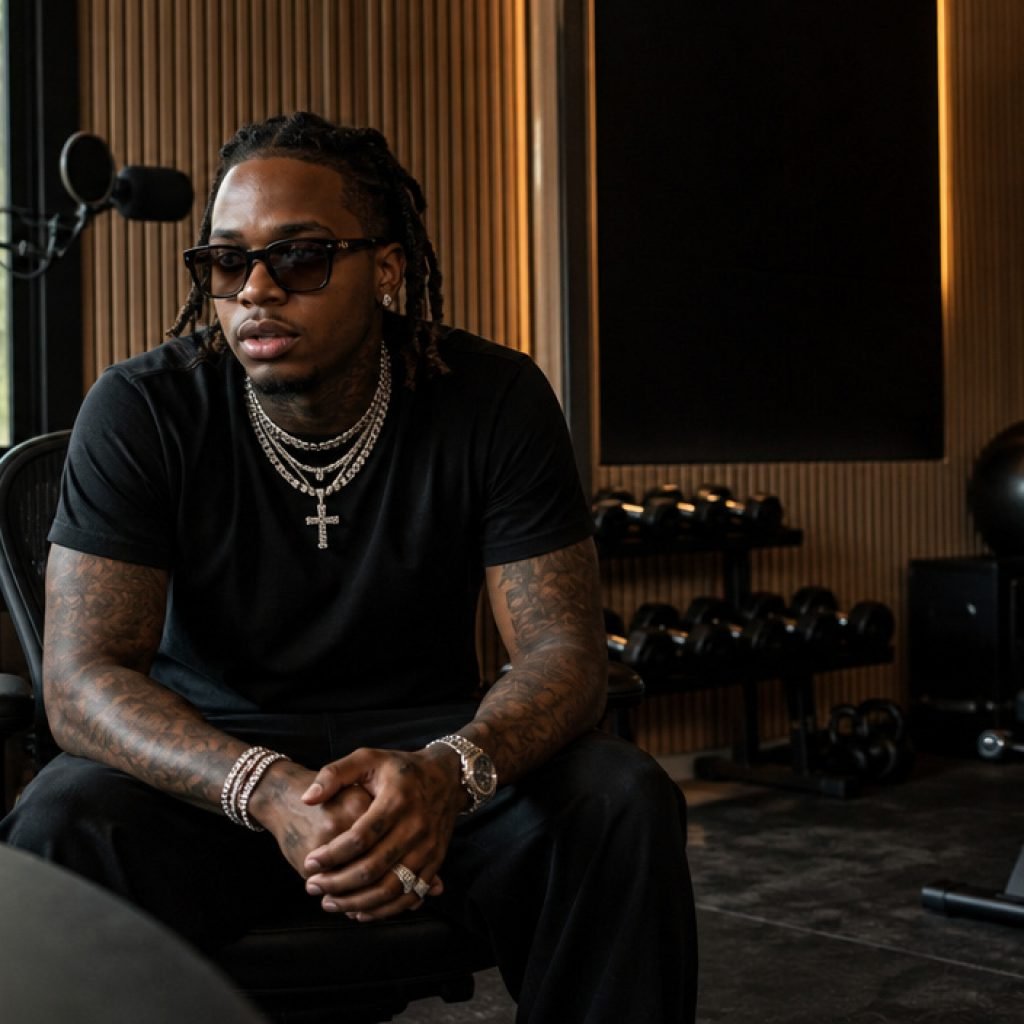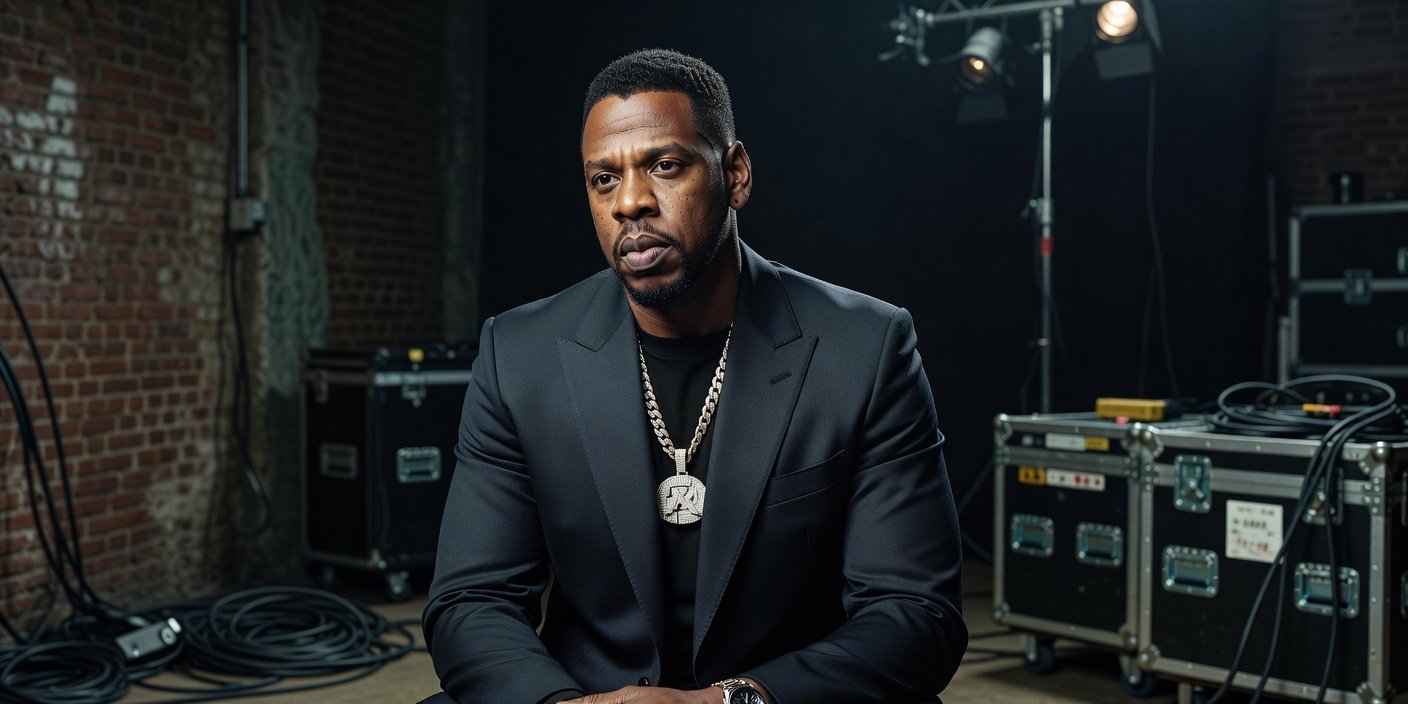
In a rare and candid interview with GQ, rap mogul Jay-Z expressed significant concern over the direction of hip-hop’s traditional battle culture, directly referencing the recent, highly publicized feud between Drake and Kendrick Lamar. The Brooklyn icon, who has navigated his own share of lyrical rivalries throughout his illustrious career, including a legendary beef with Nas, feels that the current landscape has become overly toxic, largely due to the pervasive influence of social media. Jay-Z articulated that while he appreciates the creative output and excitement generated by rap battles, the fallout from modern conflicts often extends far beyond the music itself, leading to damaging personal attacks and the unfortunate inclusion of artists’ families, including children. “It’s too far. It’s bringing people’s kids in it. I don’t like that,” Jay-Z stated, reflecting a sentiment that the intensity and personal nature of these clashes have escalated beyond what he considers healthy for the culture. He noted that in his experience, past rivalries remained more contained within the musical sphere, allowing artists to move on once the lyrical sparring concluded. However, the digital age, with its instant amplification and constant scrutiny, has transformed these encounters into something far more invasive and relentless, making it difficult for them to be easily put behind them.
The Evolving Landscape of Hip-Hop Rivalries
Jay-Z’s commentary highlights a significant shift in how rap battles are perceived and experienced. He suggests that while elements like DJing and breakdancing have seen their prominence wane in hip-hop, battling has remained a core pillar. However, he questions whether this pillar still serves a constructive purpose, especially given the heightened impact of social media. The rapper pointed out that the intense partisanship fostered online means that fans often take sides with extreme rigidity, leading to a pervasive negativity that can overshadow the artistry. “Now, people that like Kendrick hate Drake, no matter what he makes. It’s like an attack on his character,” Jay-Z observed, illustrating how these feuds can devolve into personal vendettas rather than purely artistic competitions. This transformation, he feels, makes it harder for disputes to remain focused on musical prowess and instead amplifies hostility, prolonging the negative consequences. Despite his criticisms, Jay-Z acknowledged the irony of his stance, given his own history of rap beefs, particularly his iconic rivalry with Nas. He attributed his current perspective to personal growth and a broader understanding of the consequences that such conflicts can have. “I realize it’s a bit hypocritical because of how many battles I’ve been in,” he admitted, but emphasized that maturity has led him to interpret these moments differently, considering their wider repercussions.
Beyond the Beef: Personal Battles and Legal Battles
The interview also delved into a more personal aspect of Jay-Z’s life as he discussed a challenging sexual assault lawsuit he faced. Describing it as one of the most difficult periods, he revealed the significant emotional toll it took on him and his family. Jay-Z was resolute in his decision not to settle the case, despite the potential for a simpler resolution. He explained that accepting a settlement would have conflicted with his principles, emphasizing the importance of standing firm against allegations he vehemently denies. This stance underscores his commitment to his integrity, even when facing intense public scrutiny and potential personal or financial costs. Furthermore, Jay-Z touched upon his role in selecting performers for the Super Bowl halftime show, noting his decision to book Kendrick Lamar in 2025 due to his exceptional year. He clarified that this choice was not an act of taking sides in the Drake-Kendrick feud but rather a recognition of Lamar’s artistic momentum at the time. Jay-Z expressed frustration at the way people tried to draw him into the conflict, stating, “They drag everybody in it, like everyone’s part of this conspiracy to undermine Drake, I guess. But, it’s like, what the fck? I’m fcking Jay-Z!”
FAQ: People Also Ask
Q: What did Jay-Z say about the Drake and Kendrick Lamar feud?
A: Jay-Z stated that the feud went “too far,” particularly by involving families and children, and expressed concern that social media amplifies these battles to a destructive degree.
Q: Does Jay-Z believe rap battles should still be part of hip-hop culture?
A: Jay-Z questions whether rap battling still serves a constructive purpose in hip-hop today, suggesting that the current environment, amplified by social media, makes them more damaging than beneficial.
Q: How has Jay-Z’s perspective on rap battles evolved?
A: Jay-Z acknowledges his own history with rap beefs, like his legendary feud with Nas, but states that personal growth has led him to view these conflicts differently, with a greater awareness of their wider, often negative, consequences.