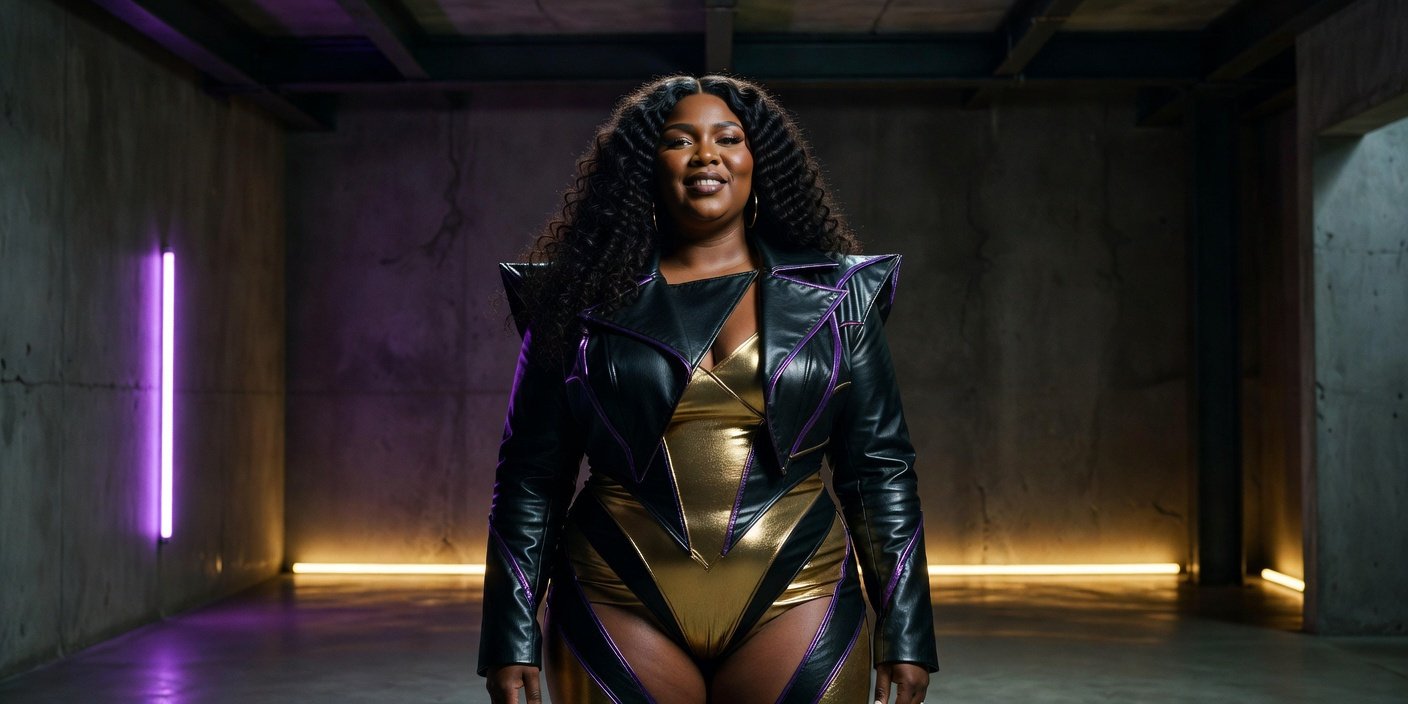
Lizzo has officially stepped back into her unapologetic, hip-hop-heavy bag, marking her most significant musical pivot in years with the release of her latest single, “Bitch.” Dropping today, May 1, 2026, the track serves as the title cut for her forthcoming fifth studio album—also titled Bitch—scheduled for release on June 5. By interpolating Meredith Brooks’ 1997 rock anthem of the same name, Lizzo is not just sampling a classic; she is setting the stage for a deliberate, high-octane cultural reclamation, signaling a shift that bridges her pop-chart dominance with the raw, rhythmic roots of her early career.
Key Highlights
New Album Incoming: Lizzo’s fifth studio album, Bitch*, is set to arrive on June 5, 2026.
- Single Release: The title track, “Bitch,” which interpolates the 1997 Meredith Brooks hit, is available for streaming now alongside a brand-new music video.
- Artistic Reclamation: The artist frames the title as a power move, reclaiming a word historically used to diminish women and transforming it into a badge of confidence.
- Multi-Hyphenate Momentum: Beyond the music, Lizzo continues her 2026 expansion into literature and film, with a children’s book and a biopic role as Sister Rosetta Tharpe on the horizon.
The Anatomy of a Reclamation
For nearly a decade, Lizzo has been synonymous with the phrase “100% that bitch,” a line from her diamond-certified breakout hit, “Truth Hurts,” that became a global mantra for self-love. With the release of her new single “Bitch,” the artist is officially moving from using the term as a punchline to weaponizing it as a title. This is not merely a stylistic choice; it is a calculated career pivot that sees Lizzo leaning into the hip-hop production and lyrical assertiveness that defined her early mixtape days, effectively pushing back against the pop-centric mold she has navigated since 2019.
Interpolation as Empowerment
The decision to interpolate Meredith Brooks’ “Bitch” is a masterclass in cross-genre bridging. By taking the angst-filled, guitar-heavy spirit of the 90s alt-rock hit and translating it into a modern, rhythm-driven hip-hop context, Lizzo is signaling a maturity in her artistry. She isn’t just writing songs; she is curating a soundscape that honors the lineage of women in music who have dared to be difficult, loud, and unapologetically present. In interviews surrounding the release, Lizzo noted the influence of Missy Elliott and Brooks, positioning her new album as a love letter to the women who paved the way for her own brash, colorful, and defiant brand of pop culture.
A New Sonic Era
The shift is visceral. Following the success of “Don’t Make Me Love U,” which offered a more vulnerable, introspective look at the artist’s psyche, “Bitch” feels like the inevitable counter-swing of the pendulum. The production is tighter, the bars are faster, and the confidence is palpable. Music critics have noted that this return to form is coming at a critical juncture in her career—a moment where she is no longer fighting for the spotlight but is instead shaping the narrative of what that spotlight should illuminate.
The 2026 Renaissance: More Than Just Music
While the music industry is focused on the June 5th album drop, Lizzo is simultaneously executing a massive expansion of her professional portfolio. Her 2026 trajectory is designed to prove that her talent extends far beyond the recording booth.
From Literary Debut to Biopic Lead
In September 2026, Lizzo will release her first children’s book, Lil Lizzo Meets Sasha B. Flootin’. The project is an extension of the brand of positivity she has cultivated throughout her career, introducing her signature flute and musical ethos to a younger generation. But perhaps more interestingly, she is stepping into the realm of prestige acting. She has been cast as the rock ‘n’ roll progenitor and gospel pioneer Sister Rosetta Tharpe in the upcoming Amazon MGM Studios biopic, Rosetta. Playing a figure as foundational as Tharpe suggests that Lizzo is serious about her acting credentials, aiming to be taken as a student of music history rather than just a pop star.
The Residency & The Road
This new era has been bolstered by a successful, sold-out run at the Blue Note Jazz Club in New York and Los Angeles earlier this year. These performances were not the stadium-sized spectacles fans might expect; they were intimate, jazz-infused explorations of her catalog that showcased her technical ability as a flautist and vocalist. This detour into jazz helped recalibrate her voice, giving her the vocal elasticity required for the rapping and melodic flows found on the new record. It was a “creative detox” that seems to have cleared the way for the harder, more aggressive hip-hop sounds present on Bitch.
Future Implications: The Impact of the ‘Bitch’ Era
As we look ahead to the summer of 2026, the question is not whether this era will be successful, but how it will change the trajectory of modern pop. Lizzo’s attempt to reclaim the word “bitch” is part of a larger conversation in the music industry regarding ownership of one’s identity. In an age of social media scrutiny and rapid-fire public discourse, taking control of one’s narrative—and the language used to describe it—is a tactical necessity. By front-loading her album with this title, she is preempting criticism and setting the terms of engagement.
If the single’s reception is any indication, the gamble is paying off. The track has already sparked viral discourse, not just about the song itself, but about the history of the word and the double standards that still exist for women in hip-hop. Whether or not the album achieves the same commercial ubiquity as her previous works, it is already serving its primary purpose: it has successfully returned the conversation to her music, her craft, and her voice, effectively drowning out the noise that has surrounded her in recent years. This is the Lizzo era that fans have been waiting for—a period marked not just by joy, but by defiance.
FAQ: People Also Ask
1. When is the new Lizzo album ‘Bitch’ coming out?
The album Bitch is scheduled to be released on June 5, 2026.
2. Does the new single ‘Bitch’ sample a specific song?
Yes, the title track “Bitch” interpolates the 1997 hit song “Bitch” by Meredith Brooks, reimagining the chorus for a modern hip-hop context.
3. Is Lizzo shifting away from pop music?
While Lizzo remains a pop artist at heart, this new era leans heavily into her hip-hop roots, showcasing a more aggressive and rhythmic production style compared to her previous radio-friendly hits.
4. What other projects is Lizzo working on in 2026?
Lizzo is diversifying her career significantly this year; she is publishing a children’s book titled Lil Lizzo Meets Sasha B. Flootin’ in September and starring as Sister Rosetta Tharpe in the upcoming biopic Rosetta.
5. Why did Lizzo name her album ‘Bitch’?
Lizzo has explained that naming the album is an act of reclaiming power. She views it as taking a label once used to diminish women and turning it into a declaration of confidence and unapologetic self-love, fitting for her current artistic evolution.