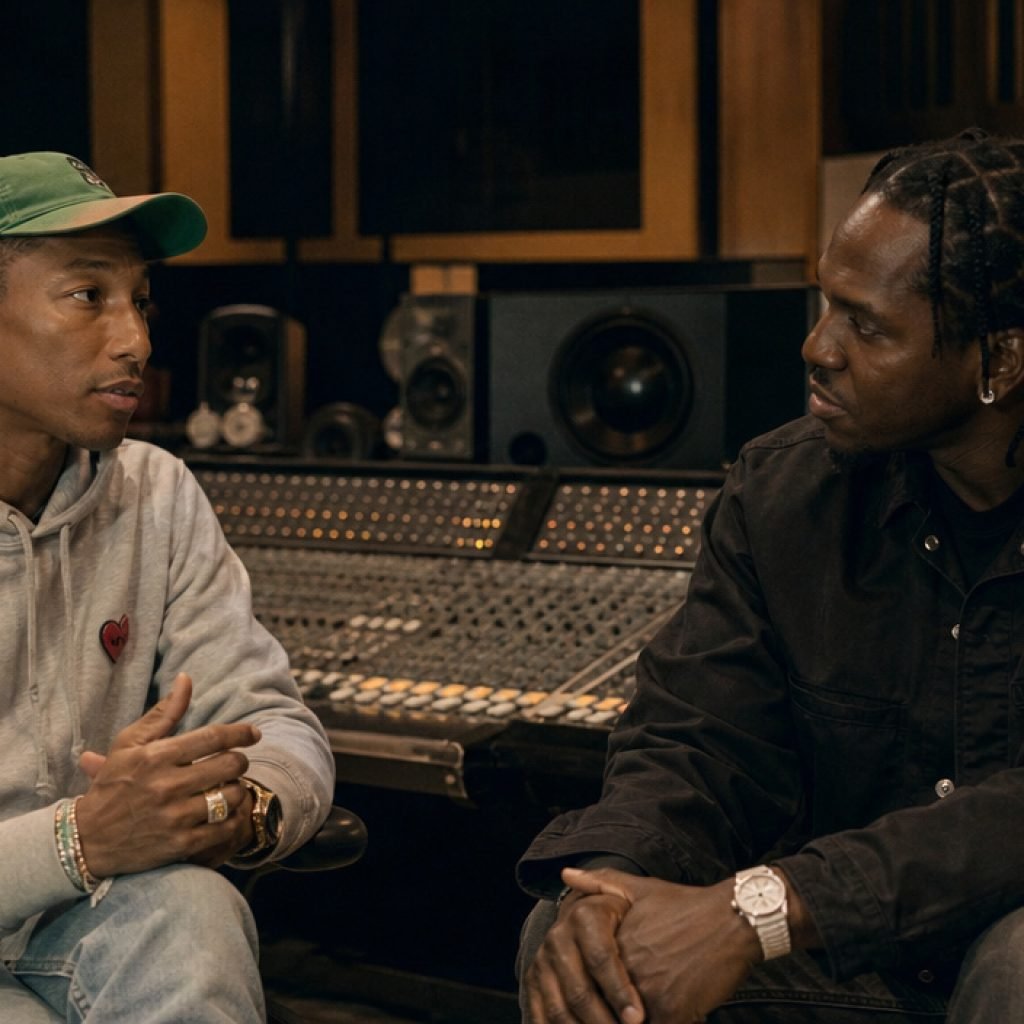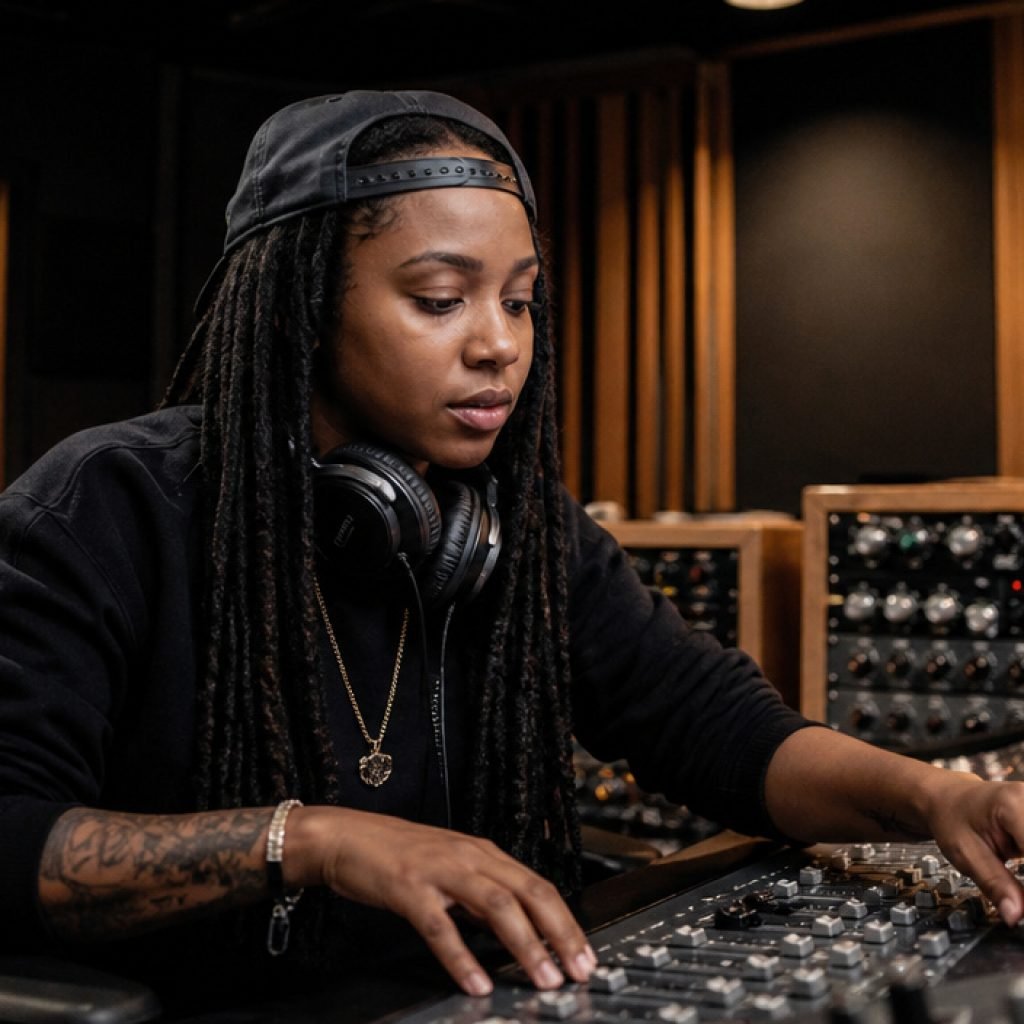
In the vibrant yet structurally strained landscape of the Welsh music scene, Sage Todz—born Eretoda Ogunbanwo—has emerged not just as a bilingual rap phenomenon, but as a crucial, pragmatic voice for the next generation of artists. As he readies himself for his upcoming appearance at FOCUS Wales, the Cardiff-based artist is articulating a vision that transcends his own chart success. He is finding power in the “in-between”: the liminal space between Welsh and English, the cultural intersection of his Nigerian-Essex heritage and Welsh upbringing, and, perhaps most critically, the economic void that sits between grassroots performance and arena-scale success.
The Cultural Duality of Identity
For many, the narrative surrounding Sage Todz often fixates on the novelty of a Black, Welsh-speaking rapper from an Essex background. While this is indeed a unique and compelling facet of his story, for Todz, it is simply his reality. The “in-between” is not a place of confusion for him; it is a source of profound strength and creative synthesis.
Growing up in Penygroes after moving from Essex at age seven, Todz was immersed in the Welsh language and culture, a move that would eventually define his musical identity. In a landscape that often demands artists choose a lane—either traditional Welsh-language folk or English-language urban pop—Todz thrives by refusing to curate his sound to fit into a pre-existing box. His music serves as a living document of his journey, a hybridity that forces the Welsh music scene to confront its own evolving demographics. He views his bilingualism not as a gimmick, but as an essential tool for communicating his reality, allowing him to connect with audiences who see themselves reflected in his layered, multifaceted experience.
Diagnosing the ‘Missing Middle’
While his artistic output remains a focal point, Todz’s recent discourse has shifted toward the structural failings of the Welsh music industry. During his work with the Cardiff youth organization Sound Progression, he has identified a critical bottleneck that he labels the “missing middle.”
In most thriving music ecosystems, there is a clear pipeline for development: grassroots venues foster early talent, mid-sized venues provide a proving ground for building a fanbase, and large-scale venues serve as the final destination for established stars. In Wales, Todz argues, this pipeline is fractured. The chasm between selling out a local grassroots venue and playing to the capacity of the Cardiff arena is essentially a cliff edge.
This structural deficit forces artists to navigate a difficult reality. Without mid-sized venues to bridge the gap, many artists find it impossible to scale their operations sustainably. This isn’t merely a lack of brick-and-mortar buildings; it is a symptom of a broader ecosystem that lacks the logistical support—transportation, late-night infrastructure, and booking networks—required for artists to grow. By shedding light on this “missing middle,” Todz is shifting from an artist to an advocate, demanding the industry rethink how it nurtures talent beyond the initial viral spark.
Advocacy and the Business of Art
Todz’s role as an artist manager at Sound Progression has given him a unique perspective on the fragility of a music career. He speaks openly about the “unglamorous but essential scaffolding” that most artists miss: royalty management, social media strategy, booking etiquette, and the nuances of PRS and PPL licensing.
He recounts his own early years, where his education was trial-by-fire, filled with Google searches and YouTube tutorials. He is determined to shorten that learning curve for the next cohort of Welsh talent. By bringing a business-first mentality to his advocacy, he is trying to professionalize the sector. His message is clear: creativity is not enough. Without a grasp of the business side, the artist is perpetually at the mercy of the industry rather than being a partner in it.
Resilience as a Creative Engine
It is impossible to discuss Todz’s trajectory without acknowledging the resilience he has had to cultivate. Having faced significant, well-documented instances of racism, including the targeting of his family home in Penygroes, he could have easily retreated from the public eye. Instead, he has channeled that pain into his music, using it as a vehicle for processing trauma rather than letting it define his limitations.
His approach to music—the desire to make “vibes” and enjoy the process—is a conscious choice to not be eternally anchored to heavy narratives. By allowing himself the freedom to create music that is fun and energetic, he is reclaiming his own joy. This, too, is a form of power: the refusal to let outside hate dictate the tone of one’s creative output.
Looking Toward FOCUS Wales
As the industry gathers for FOCUS Wales, the spotlight on Sage Todz is brighter than ever. However, the stakes have changed. He is no longer just the viral sensation of “Rownd a Rownd” or the collaborator behind the World Cup anthem “O HYD.” He is now a seasoned operator, a voice of reason, and a critical thinker regarding the future of Welsh music.
Whether he is discussing the importance of infrastructure, the necessity of government-level intervention, or simply the craft of blending Welsh drill with modern hip-hop, Todz remains a central figure. He is proof that the “in-between” is not where you get stuck—it is the vantage point from which you can see the entire landscape clearly, identifying the cracks, the potential, and the path forward.
FAQ: People Also Ask
Who is Sage Todz?
Sage Todz (Eretoda Ogunbanwo) is a Welsh-Nigerian rapper known for his bilingual (Welsh and English) drill and hip-hop music. He gained prominence with tracks like “Rownd a Rownd” and “O HYD,” and is recognized for his advocacy within the Welsh music industry.
What does Sage Todz mean by the ‘missing middle’?
The ‘missing middle’ refers to the structural gap in Wales’ music venue infrastructure. Artists can often sell out small grassroots venues, but there are few mid-sized spaces to help them scale before jumping to major arena-level venues, creating a difficult transition point for emerging talent.
What is FOCUS Wales?
FOCUS Wales is an annual international showcase festival held in Wrexham, Wales. It highlights the best of Welsh music talent, bringing together industry professionals, artists, and fans to discuss the future of the Welsh creative scene.
How does Sage Todz balance his Nigerian and Welsh identity?
Todz views his identity as multifaceted rather than binary. He embraces his roots in Essex, his Nigerian heritage, and his upbringing in Wales, finding that his diverse background informs his bilingual rap style and his unique perspective on cultural integration.