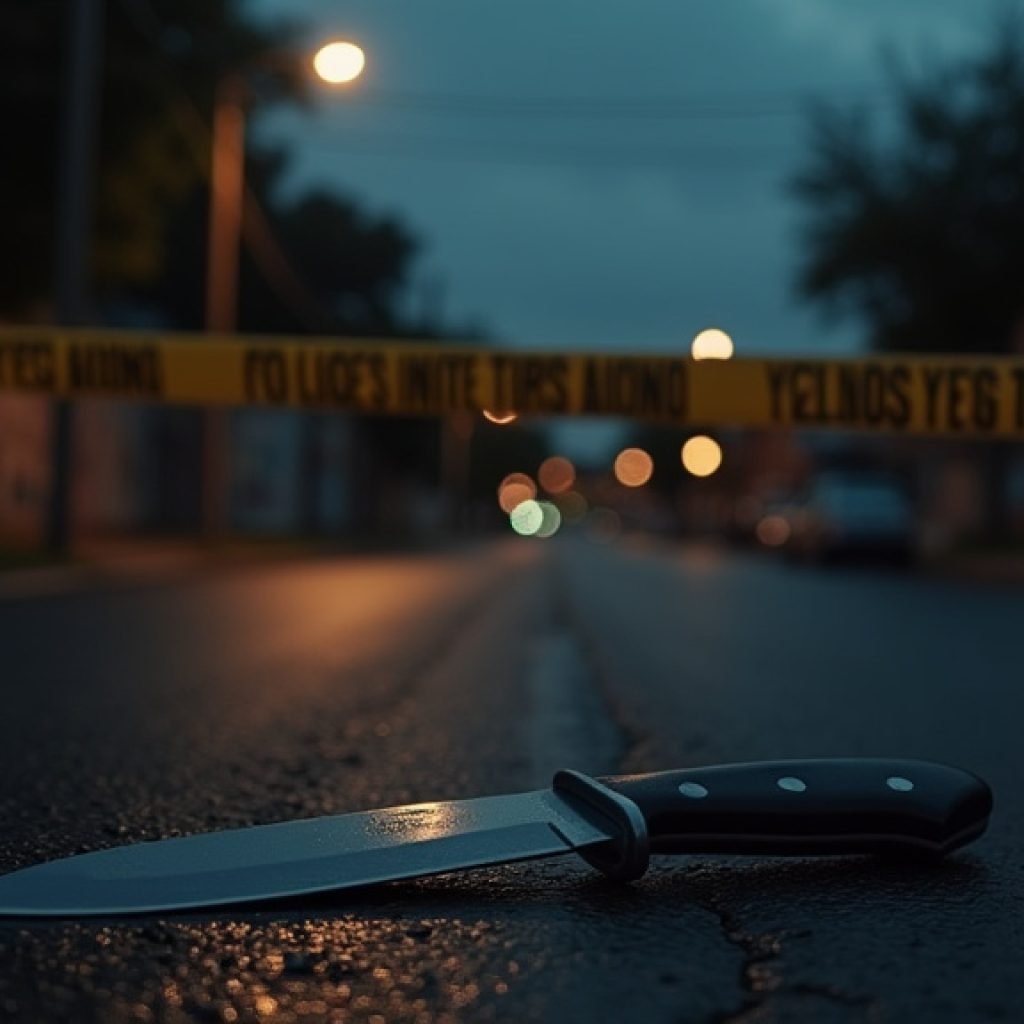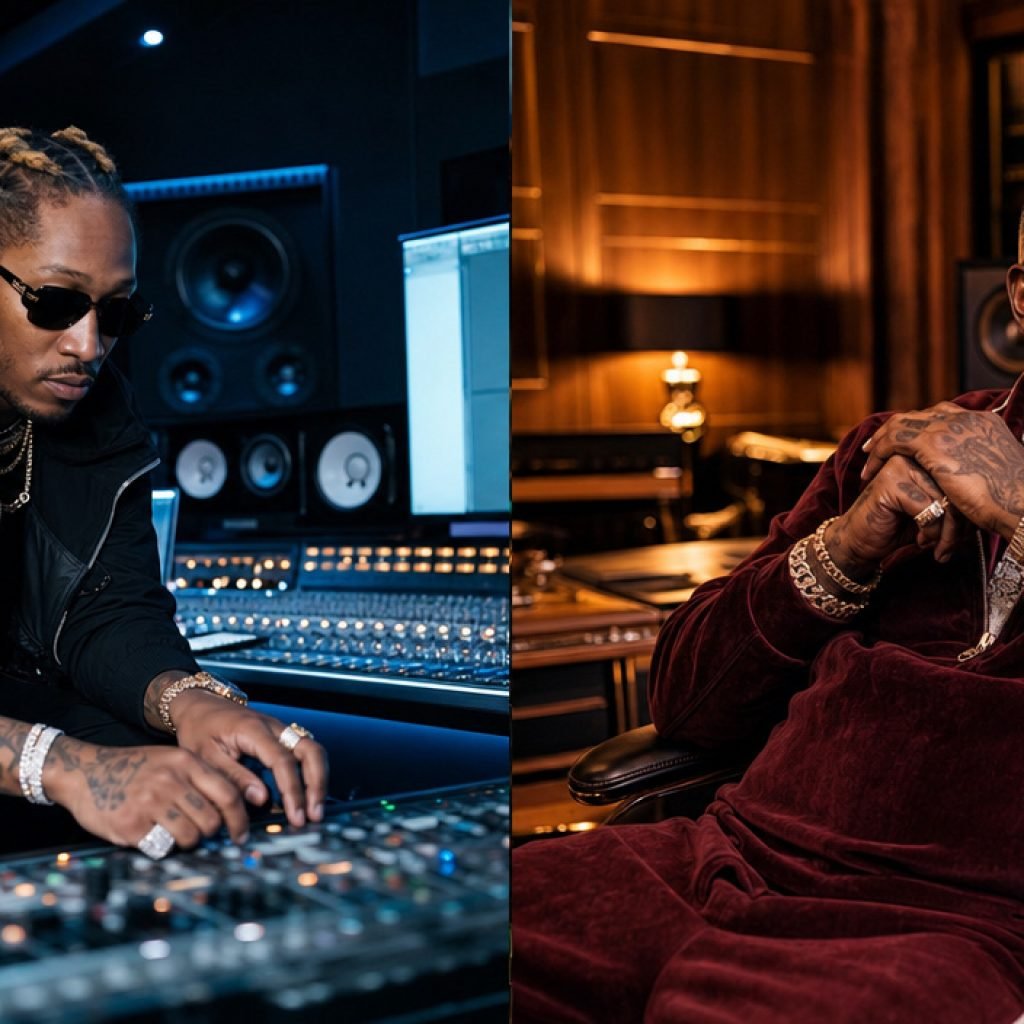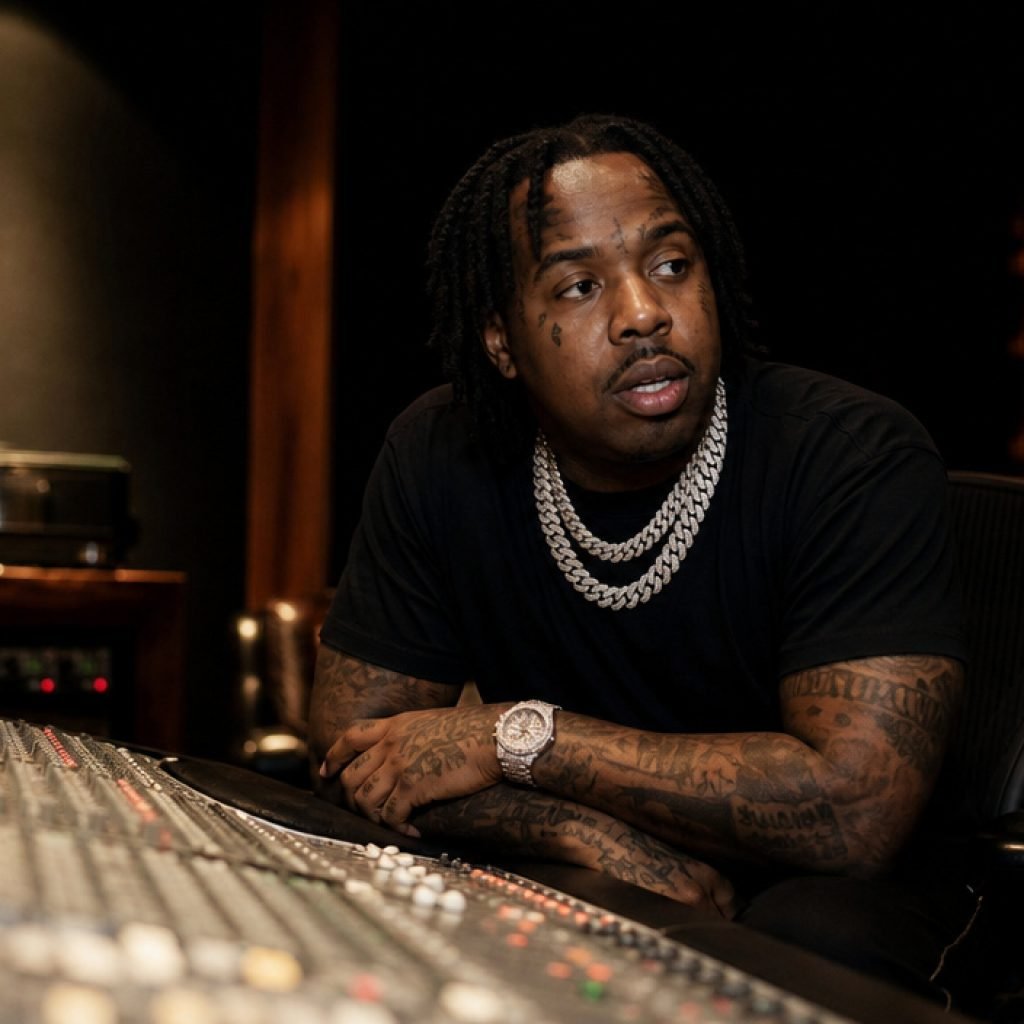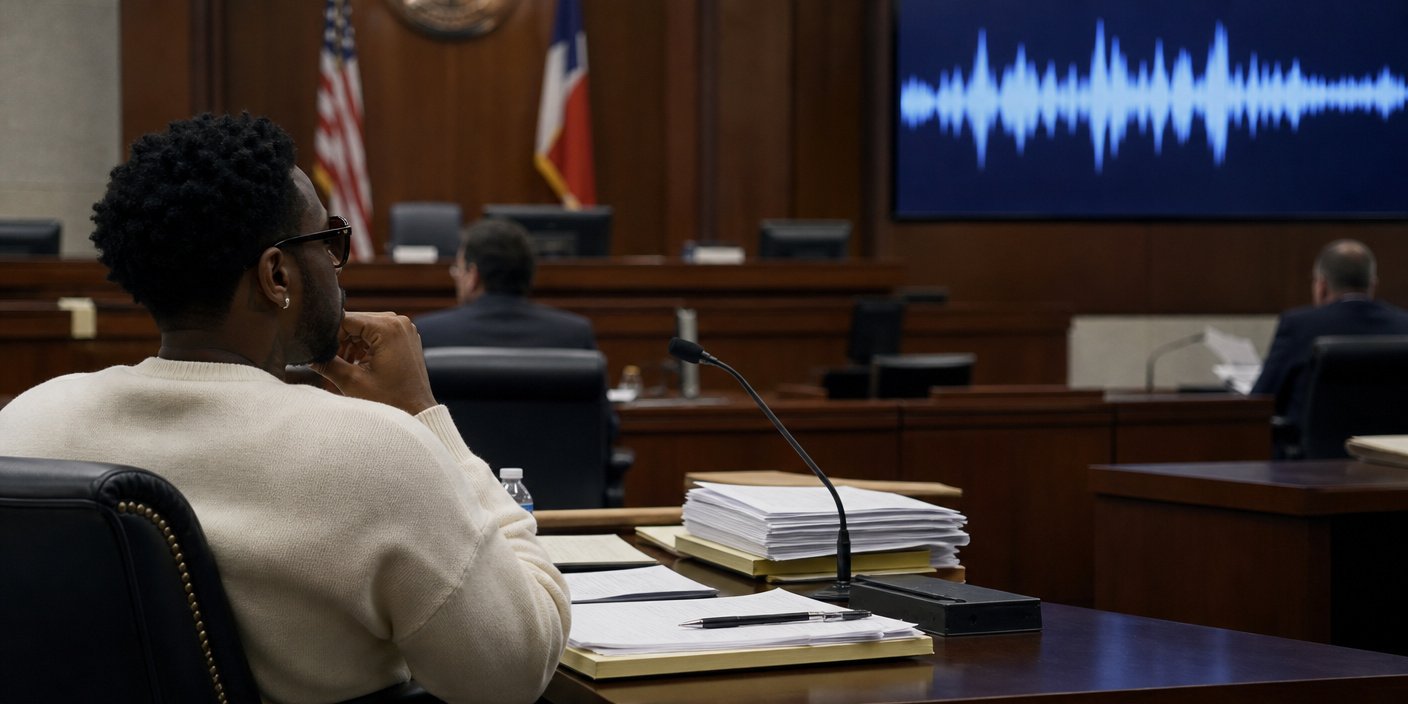
In a pivotal moment for both the hip-hop industry and the American legal system, a Dallas courtroom has become the epicenter of a controversial debate: can song lyrics be used as a confession? Prosecutors are currently leveraging the artistic output of rapper Yella Beezy, real name Deandre Conway, as key evidence in a murder-for-hire case involving the 2020 death of rival rapper MO3, born Melvin Noble. The move has reignited the national conversation regarding the admissibility of creative expression in criminal proceedings, testing the boundaries of the First Amendment and the nature of artistic storytelling.
The Prosecution’s Theory: Decoding the Lyrics
The case, which centers on the shooting of MO3 on a Dallas highway, has taken a turn into digital forensics. Detective Eric Barnes, a lead investigator on the case, provided testimony detailing the state’s argument that Yella Beezy’s lyrics were not merely rap metaphors, but rather indicators of a coordinated plan to facilitate violence against Noble. Prosecutors are arguing that the specific content of Beezy’s music, combined with his social media activity, establishes a tangible connection to the shooter.
According to the state, the lyrical content demonstrates an intent that goes beyond standard hip-hop bravado. In the courtroom, Detective Barnes outlined the alleged connections between Beezy and the shooter, suggesting that the rapper was not merely observing the local street conflict but actively incentivizing or directing it. This prosecutorial strategy relies on the interpretation of creative work as biographical fact, a method that has increasingly come under fire from civil liberties groups, artists, and legal scholars.
The Defense of Art: Constitutional Implications
Legal defense teams in cases involving rap lyrics often argue that such evidence is prejudicial and fundamentally misunderstood by juries. The primary argument against the state’s approach is that rap, like film or literature, is a form of hyper-dramatized storytelling. When prosecutors dissect bars for “intent,” they risk criminalizing a genre rooted in storytelling, social commentary, and, at times, exaggerated persona.
The debate hinges on whether the “Yella Beezy” persona and the “Deandre Conway” individual can be legally separated in a court of law. If the court accepts that lyrics serve as reliable evidence of criminal planning, it creates a precedent that could chill artistic expression across the industry. Critics argue that this places artists in a “no-win” scenario where they must either abandon the gritty, realistic themes that made the genre famous or risk providing the prosecution with a roadmap to a conviction.
The Precedent of Rap on Trial
This is not an isolated incident; it is part of a growing, systemic trend. Legislation, such as New York’s recent efforts to limit the use of rap lyrics in court, highlights the legislative branch’s recognition that this practice is constitutionally fraught. The core issue is the “probative value” versus the “prejudicial effect.” Jurors may struggle to distinguish between a rapper playing a character and a defendant describing a real-life crime.
In the MO3 case, the stakes are exceptionally high. Melvin Noble’s death sent shockwaves through the Dallas music scene, and the resulting trial carries massive weight for his family and the community. By anchoring their case partly on Beezy’s public persona and lyrical catalog, the prosecution is signaling that digital and creative output will be a primary pillar of criminal investigation moving forward.
The Role of Digital Forensic Investigation
Beyond the lyrics themselves, the case illustrates how modern homicide investigations rely heavily on the digital footprint. Detective Barnes’s testimony touched upon the interconnectivity of the individuals involved, emphasizing that lyrics are often just one piece of a much larger, fragmented puzzle of text messages, social media “likes,” and geo-located movements. In the modern era, the physical scene of the crime is only half the battle; the prosecution is essentially trying to prove that the “street war” played out on social media and on the microphone before it ever reached the pavement of the I-35E freeway.
Secondary Angles: Exploring the Impact
1. The Evolution of Homicide Investigation: This case marks a transition from physical evidence-based policing to a “behavioral-lyrical” forensic model. Law enforcement is now using social media and artistic output as primary investigative tools, which shifts the baseline for what constitutes “probable cause.”
2. The Economic Impact on Dallas Hip-Hop: The cloud of legal scrutiny hanging over the local scene affects the marketability and freedom of emerging artists. When the “scene” is viewed as a criminal enterprise by local authorities, it can impact everything from venue bookings to label investments.
3. Future Judicial Precedent: The outcome of this trial could establish a “Texas Standard” for how lyrics are handled in criminal court. If the prosecution successfully secures a conviction supported by lyrics, it could lead to an increase in similar “lyrical evidence” strategies across the South.
As the trial progresses, the focus will remain on whether these rhymes are a smoking gun or merely a smoke screen. The result will inevitably shape how the music industry views its own creative output and how the courts define the line between an artist’s imagination and a criminal’s intent.
FAQ: People Also Ask
Q: Are rap lyrics legally considered confessions?
A: Legally, they are treated as evidence like any other document or communication. However, their admissibility is frequently contested. Courts must decide if the lyrics are “probative” (proving a fact) or “prejudicial” (unfairly influencing the jury against the defendant).
Q: What is the specific legal challenge to using lyrics in court?
A: The main challenge is based on the First Amendment and the concept of “artistic license.” Defense attorneys argue that lyrics are fiction or hyperbole, and using them as evidence misrepresents the artistic process and misleads jurors who may not understand hip-hop culture.
Q: Is this a new trend in legal cases?
A: No, the use of rap lyrics as evidence has occurred for decades, but it has recently become a focal point of civil rights organizations. States like California have enacted legislation (the “Decriminalizing Artistic Expression Act”) to place stricter limits on when creative content can be used in trials.
Q: What was the significance of the MO3 case in Dallas?
A: Melvin Noble (MO3) was a prominent figure in the Dallas rap scene. His death on a public highway in November 2020 was a high-profile tragedy that brought significant attention to the ongoing conflicts within the local music community.