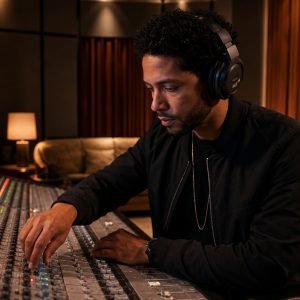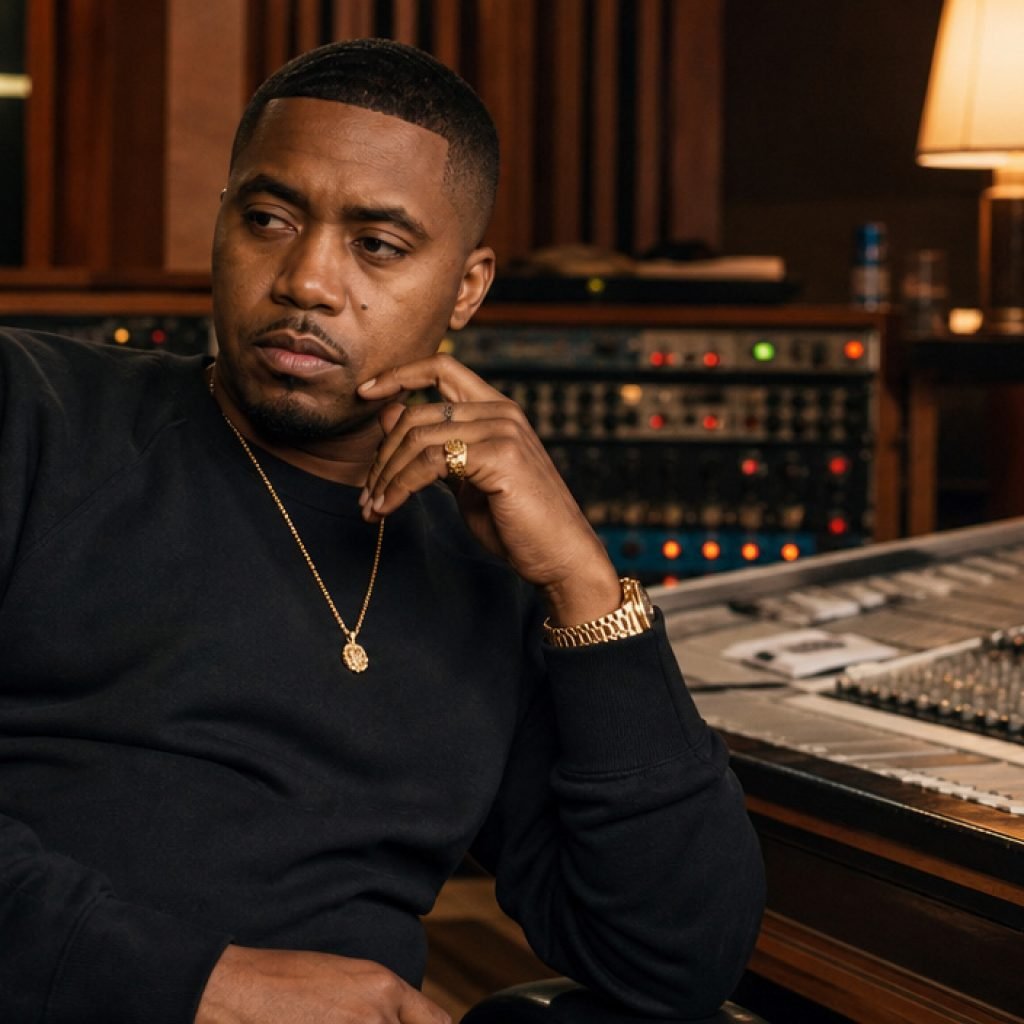
After an eight-year recording hiatus, Erik Schrody—better known to the world as Everlast—has returned to the studio. With his upcoming album, Embers to Ashes, the Grammy-winning multi-instrumentalist is not merely re-emerging; he is reinventing the intersection of hip-hop and Americana that he helped pioneer. Produced entirely by Southern rap luminary Yelawolf, the project promises to bridge the gap between the raw, storytelling grit of Everlast’s Whitey Ford Sings the Blues era and modern, atmospheric production.
Key Highlights
The Comeback: Everlast breaks an eight-year recording hiatus with his new studio album, Embers to Ashes*.
- Creative Catalyst: The project is produced by Yelawolf, fostering a creative partnership between two artists known for their genre-bending musical identities.
- Stylistic Evolution: The album continues Everlast’s signature hybrid of hip-hop rhythm and folk-rock lyricism, updated for a contemporary sonic landscape.
- Writing Process: The interview reveals a mature songwriting approach, focusing on personal introspection and narrative depth over traditional radio-centric structures.
The Sonic Renaissance: Why Everlast Chose Now
The landscape of American music has shifted dramatically in the eight years since Everlast last released a full-length studio project. Yet, the artist remains steadfast in his commitment to a sound that defies easy categorization. Speaking on the genesis of Embers to Ashes, it is clear that this was not a project born of industry pressure or contractual obligation, but rather a necessary creative purge. For an artist who transitioned from the chaotic, high-energy success of House of Pain’s “Jump Around” to the introspective, acoustic-driven melancholy of his solo career, the hiatus provided a rare commodity: perspective.
Everlast’s career has been defined by his refusal to stay in one lane. He was among the first major artists to successfully synthesize the boom-bap aesthetic of 90s New York hip-hop with the dusty, acoustic sensibilities of blues and folk. Embers to Ashes represents the next chapter in this narrative. The title itself suggests a process of burning away the old to make room for something new—a reflection on both his personal growth during his time away from the spotlight and the changing industry landscape.
The Yelawolf Connection
Central to the album’s identity is the partnership with Michael Wayne Atha, better known as Yelawolf. In modern hip-hop, few producers possess the genre-fluid sensibilities required to handle the complex, soulful arrangements that Everlast demands. Yelawolf, who has built his own career on a foundation of Southern rap injected with rock and country influences, proved to be the perfect foil for Everlast’s creative process.
“Working with Yelawolf wasn’t just about getting beats,” Everlast notes. “It was about finding a shared frequency.” Their collaboration is a meeting of the minds between two generations of genre-defiers. Yelawolf’s production style, often characterized by atmospheric, heavy-hitting drums and moody, guitar-heavy instrumentation, allows Everlast to lean into his vocal strengths. The production doesn’t just support the lyrics; it provides the thematic backdrop, creating a cohesive, almost cinematic experience that serves as the backbone for the album.
Evolving the Songwriting Process
For decades, Everlast’s songwriting process was often dictated by the need to balance his rock-leaning fanbase with his hip-hop roots. This time, the process felt more singular. He describes his approach to Embers to Ashes as “stream-of-consciousness storytelling.” Where previous records might have been meticulously structured to fit specific radio formats, this project prioritizes narrative flow.
“The writing process has changed because the life I’m writing about has changed,” he explains. “I’m not looking for the hook that will change the radio dial anymore. I’m looking for the line that hits me in the gut. If it hits me, it’s going to hit the listener.” This focus on emotional authenticity is the hallmark of the album. The songs are dense with life experience, dealing with themes of legacy, fatherhood, industry disillusionment, and the quiet beauty of aging in a business that often demands constant youth.
Genre Fluidity: Beyond the Labels
One of the most compelling aspects of Everlast’s legacy is how he successfully navigated the transition from being a rapper to being a singer-songwriter. With Embers to Ashes, he continues to blur these lines. The album incorporates elements of lo-fi production, raw acoustic guitar, and the storytelling cadence of a veteran emcee. It serves as a reminder that genres are often marketing constructs, whereas a song is an emotional transfer.
In the current climate, where artists like Post Malone or Jelly Roll have normalized the blending of rap and country/rock, it is important to remember that Everlast was paving this path long before it was commercially viable. Embers to Ashes feels like a reclaiming of that space, but with the added depth that only time and experience can provide. It is neither a “rap album” nor a “rock album”; it is simply an Everlast album, refined and amplified by the modern touches provided by his collaborator.
FAQ: People Also Ask
Q: What is the significance of the 8-year hiatus for Everlast?
A: The hiatus allowed Everlast to step away from the relentless cycle of touring and recording. This break allowed him to focus on his personal life and family, ultimately providing the life experiences and perspective that fuel the lyrical content of Embers to Ashes.
Q: How has Yelawolf influenced the sound of this new record?
A: Yelawolf provided a production style that complements Everlast’s hybrid genre approach. By integrating moody, atmospheric layers and modern production techniques with the acoustic elements Everlast is known for, Yelawolf helped create a fresh, contemporary sound that still respects Everlast’s musical roots.
Q: Is Embers to Ashes a return to his hip-hop roots or his folk-rock style?
A: It is both. The album is described as a synthesis of the two, continuing his career-long practice of blending rap delivery with bluesy, folk-inspired instrumentation. It aims to capture the emotional depth of his solo work with the rhythmic foundations of his early career.