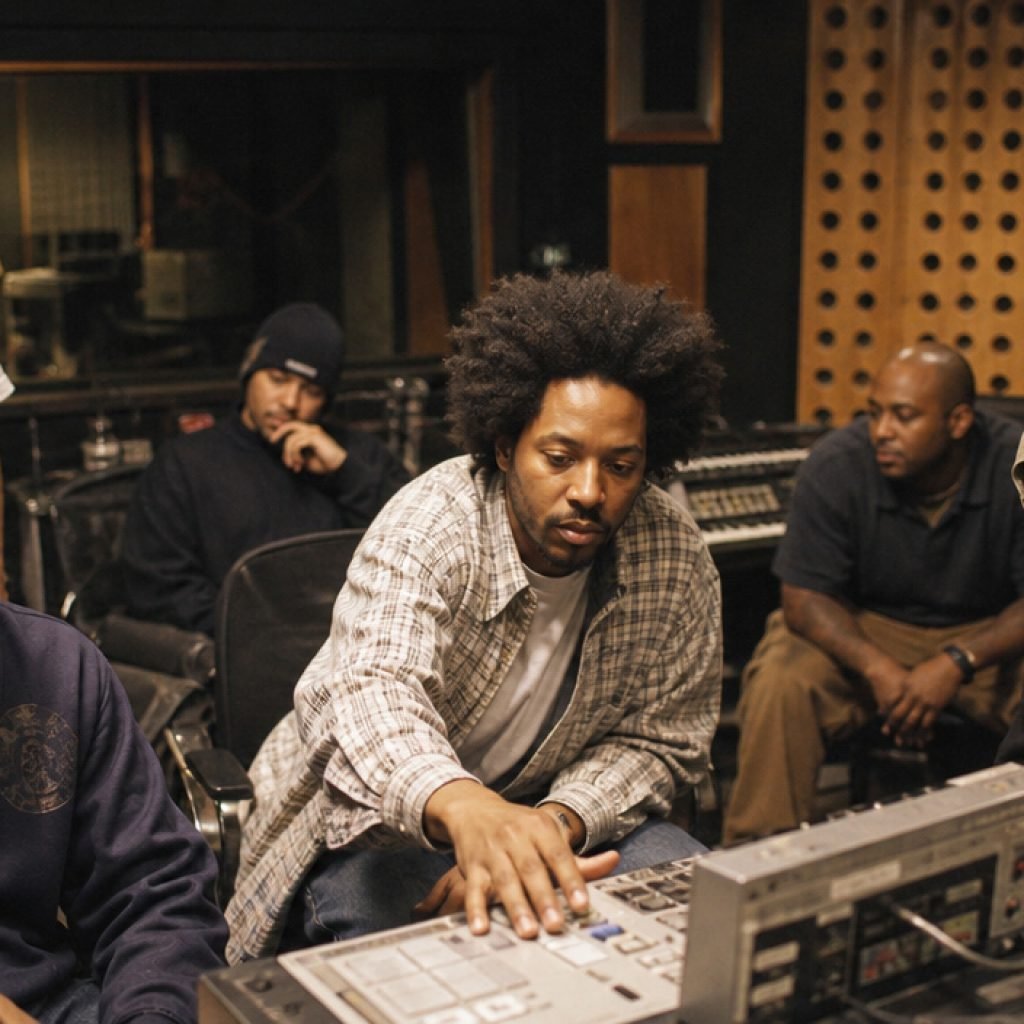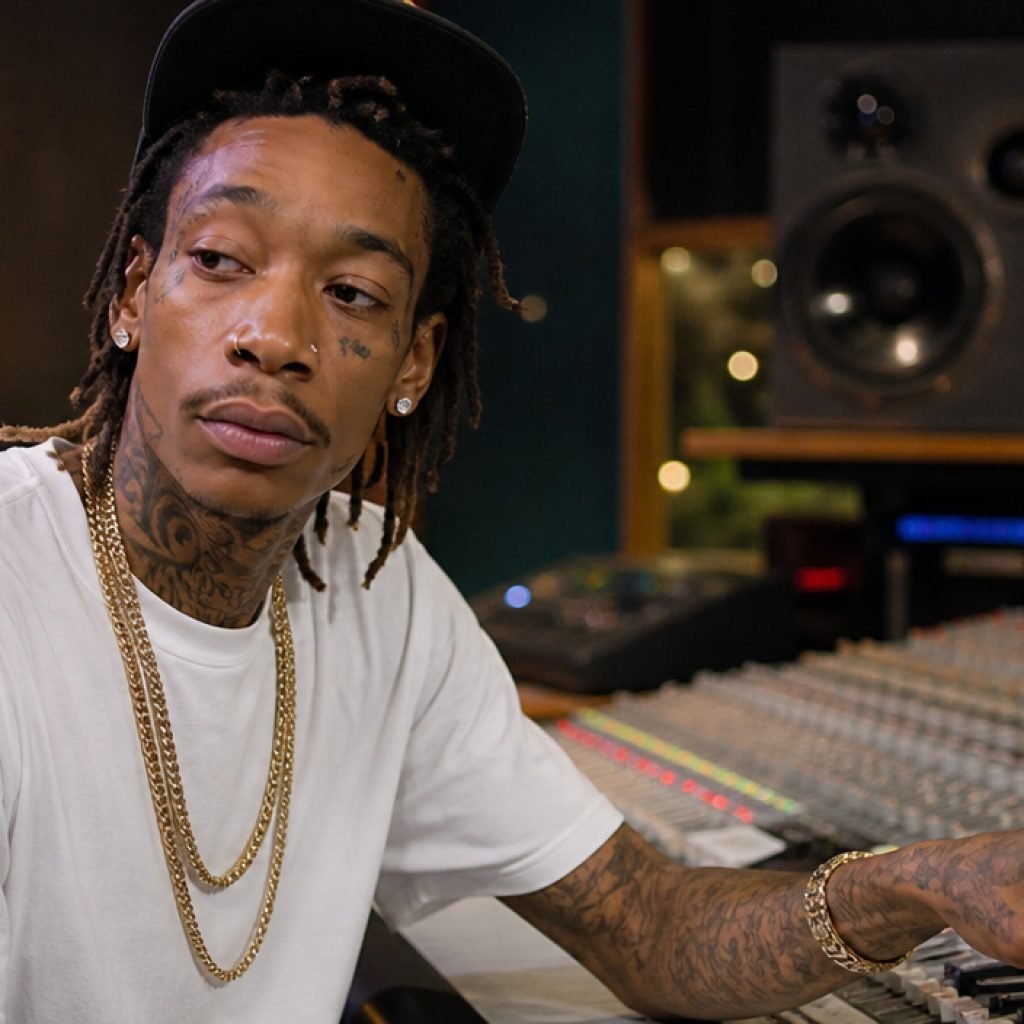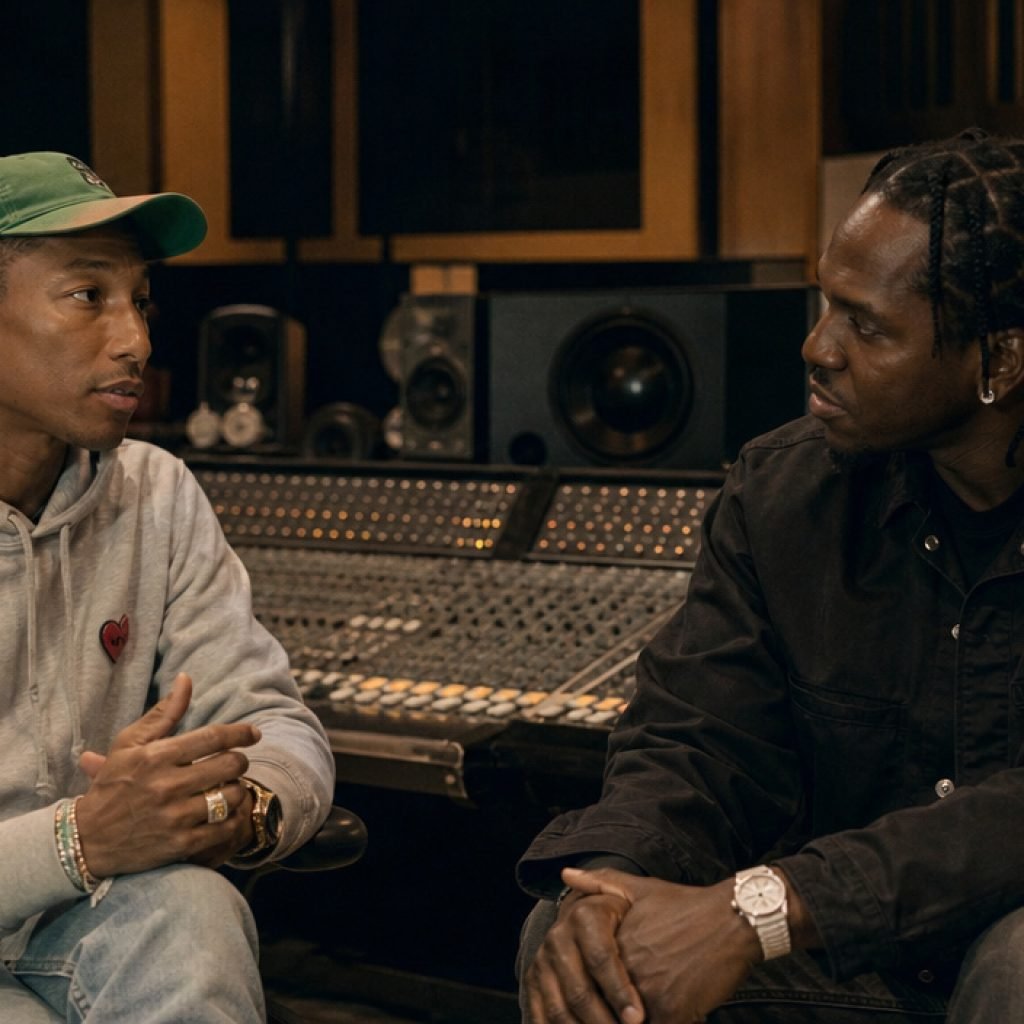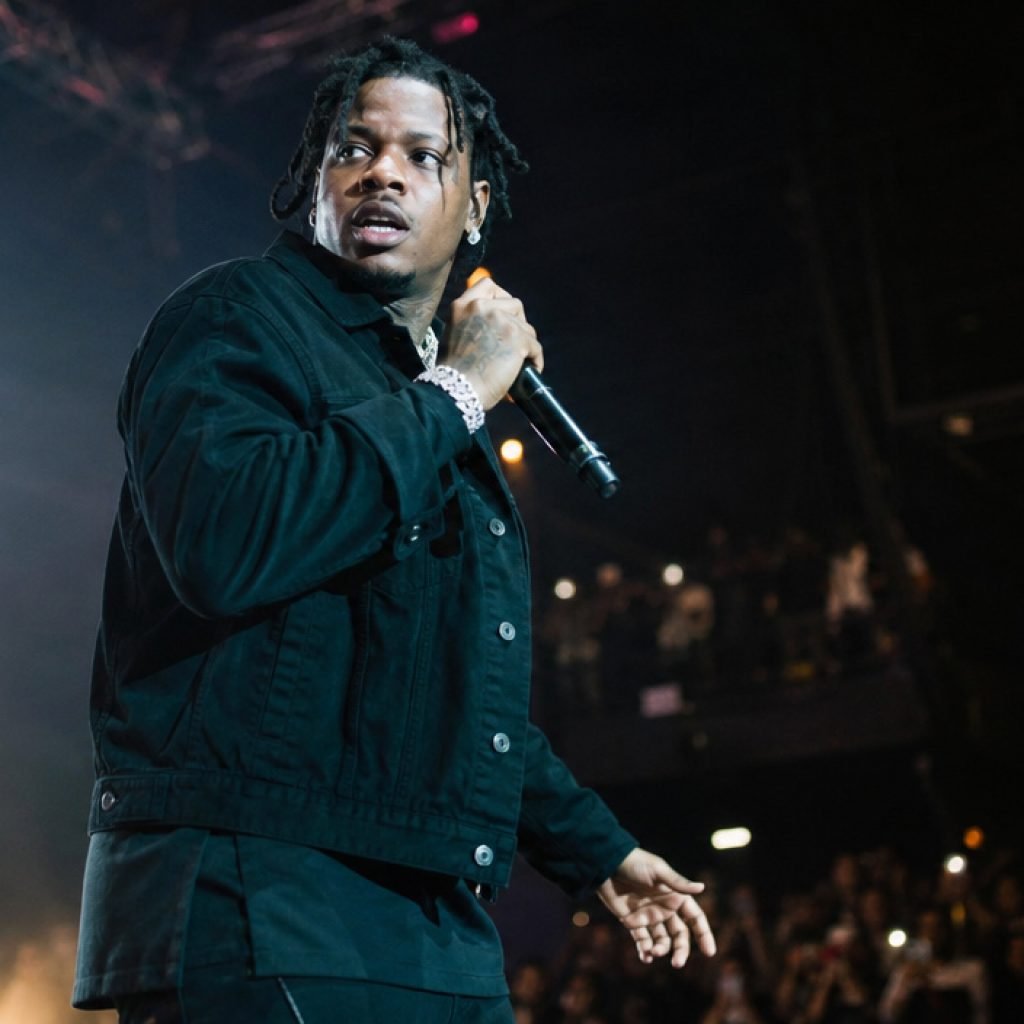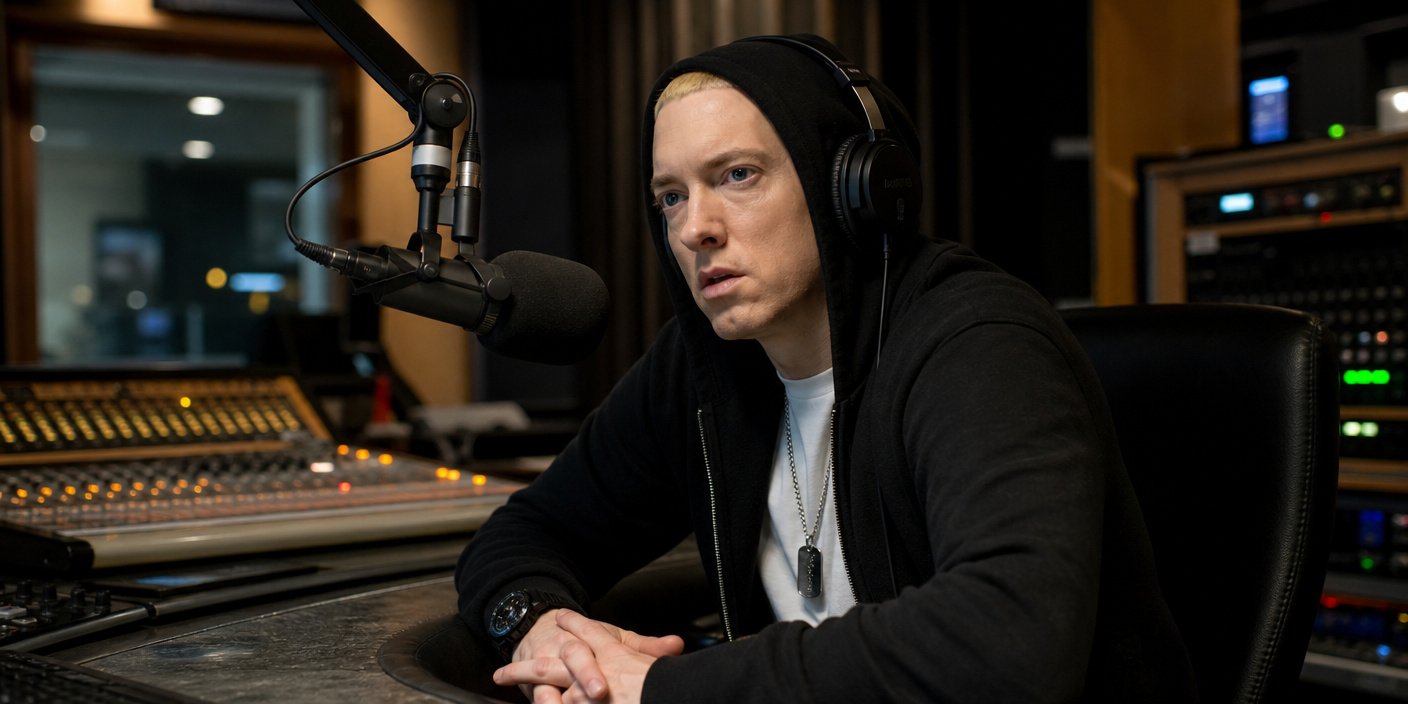
In a candid new interview on SiriusXM’s Shade 45, Eminem provided fans with a rare, introspective look at the lineage of hip-hop, positioning himself not as a destination, but as a link in a long chain of lyrical evolution. The Detroit icon, known for his technical precision and complex rhyme schemes, took the opportunity to analyze the very artists who served as his blueprint, specifically citing legends like LL COOL J and Rakim. As Marshall Mathers continues to navigate his third decade in the industry, this conversation serves as a masterclass on cultural preservation, highlighting how the ‘Real Slim Shady’ transformed from a hungry student of the game into the definitive standard that modern rappers now study in real-time.
Key Highlights
- Architects of Flow: Eminem credits LL COOL J’s swagger and Rakim’s rhythmic innovation as the foundational elements that shaped his own approach to songwriting.
- The Evolution of Study: The interview details the shift from listening to records on cassettes to the modern era where Eminem’s own discography is dissected by the next generation of MCs.
- Shade 45 as Cultural Hub: The platform remains a vital space for hip-hop discourse, allowing veteran artists to connect directly with the current generation without the filter of mainstream press.
- The ‘Eminem Standard’: Discussion surrounding how the technical bars and multi-syllabic rhyme patterns popularized by Eminem have become the baseline expectation for lyricism today.
From Pupil to Pioneer: Decoding Eminem’s Legacy
The conversation on Shade 45 offered more than just anecdotes; it provided a historical analysis of the rap game. Eminem, often scrutinized for his intense privacy, opened up about the days when he was a young fan, meticulously studying the cadences of the Golden Age. For those who grew up in the mid-90s, the mention of LL COOL J and Rakim is not merely a reference to old music; it is a nod to the specific structural innovations that allowed rap to become a complex literary art form.
The Golden Age Blueprint
When Eminem dissects the influence of Rakim, he is referring to the evolution of flow. Before Rakim, rap was largely rhythmic and punchy, often relying on simple A-B-A-B rhyme schemes. Rakim introduced the concept of the ‘internal rhyme’ and the ‘multisyllabic flow,’ which gave the rapper a level of musicality similar to jazz improvisation. Eminem noted in the interview that studying these patterns was not a hobby; it was an obsession. He viewed these artists as the architects of the craft, and his career has been a process of refining and accelerating those foundational techniques. By acknowledging LL COOL J’s impact, Eminem also pays tribute to the ‘persona’ of the rapper—the idea that the MC is not just a musician, but a cultural force with distinct attitude and star power.
The Economics of Longevity
One of the secondary angles explored in this discussion is the economic impact of the ‘Legacy Rapper.’ In an industry that often discards artists once they pass their prime, Eminem has managed to sustain a commercial juggernaut for over 25 years. This longevity is directly tied to his dedication to the craft he learned from his predecessors. By remaining a student of the game, Eminem has avoided the stagnation that plagues many of his contemporaries. His ability to adapt his style—from the horrorcore of the Slim Shady LP to the introspective lyricism of his recent works—is a direct result of his deep historical knowledge. He understands that in the music business, relevance is a commodity, and technical superiority is the only currency that does not devalue over time.
Generational Transmission
Perhaps the most fascinating aspect of the Shade 45 interview is the ‘Legacy Loop.’ Eminem is now in the position that LL COOL J and Rakim were in when Eminem was starting out. He spoke about the surreal nature of hearing younger artists emulate his flow or reference his older albums as their own ‘foundational texts.’ This creates a unique cultural feedback loop. The next generation of rappers is not just studying the art of rap; they are studying the art of Eminem. He acknowledged that this puts a certain responsibility on his shoulders to uphold the standard of lyricism that was passed down to him. It is a form of oral tradition, transferred from mentor to mentee, keeping the genre grounded in technical mastery rather than fleeting trends.
Future Predictions: The Tech-Era Rap
Looking ahead, Eminem hinted at the challenges facing the next generation of hip-hop, particularly regarding the ease of accessibility and the saturation of digital platforms. He expressed a belief that while technology has made it easier to record and release music, it has arguably made it harder to cultivate a signature style. The ‘curation’ of a career, which he learned from the legends of the 80s and 90s, requires a focus that modern, TikTok-driven metrics often discourage. He emphasized that the artists who will stand the test of time will be those who retreat from the noise, study the pioneers, and develop a technical identity that is uniquely their own.
FAQ: People Also Ask
Q: Why does Eminem reference LL COOL J and Rakim so often?
A: He cites them as the pioneers who invented the modern rhyme structures and flow patterns he uses. They represent the technical foundation of hip-hop lyricism.
Q: What is the significance of the Shade 45 interview?
A: Shade 45 is Eminem’s own SiriusXM channel. It serves as an unfiltered platform for him to discuss hip-hop history and industry issues directly with his fanbase, avoiding the limitations of mainstream media.
Q: How has Eminem influenced the next generation of rappers?
A: Through his popularized use of complex, multi-syllabic rhyme schemes and dense wordplay, he has set a high technical bar that modern artists are now expected to reach.
Q: Does Eminem consider himself the greatest of all time?
A: While he is often included in the conversation, he frequently diverts credit to the artists who came before him, emphasizing that he is part of a collaborative timeline of innovation.