The Chreece 2026 Hip-Hop Festival solidified its reputation as the definitive heartbeat of Indianapolis’ creative scene, proving that a festival can transcend mere entertainment to become a genuine community institution. Set against the historic backdrop of Fountain Square, this year’s iteration was more than a series of performances; it was a complex, multi-layered celebration of Midwestern artistry, economic resilience, and neighborhood synergy. By reclaiming the streets for local musicians and regional rap icons, Chreece 2026 demonstrated that the ‘pulse of the streets’ is not just a metaphor, but a tangible rhythm that powers the city’s cultural economy.
Key Highlights
- Fountain Square Transformation: Chreece 2026 utilized over five distinct venues across Fountain Square, integrating local businesses directly into the festival infrastructure.
- Community-First Programming: The lineup prioritized local Indianapolis talent, with over 85% of performers hailing from Indiana, fostering a self-sustaining ecosystem for regional artists.
- Economic Impact: Preliminary reports suggest an increase in foot traffic for local Fountain Square vendors by over 40% compared to typical late-summer weekends, highlighting the festival’s role in local commerce.
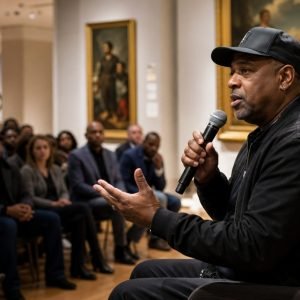
- Youth Engagement: The festival introduced a new ‘Future of the Flow’ workshop series, connecting budding teenage rappers with established industry mentors.
The Concrete Symphony: Deconstructing Chreece 2026’s Cultural Impact
To understand Chreece 2026, one must first look at the unique topography of its host neighborhood. Fountain Square in Indianapolis is not merely a geographic location; it is a cultural nexus where historical architecture meets the modern, gritty reality of the Midwestern hip-hop underground. Since its inception, Chreece has functioned as a counter-narrative to the idea that major hip-hop movements only originate in coastal hubs like New York, Los Angeles, or Atlanta.
The Anatomy of a Grassroots Movement
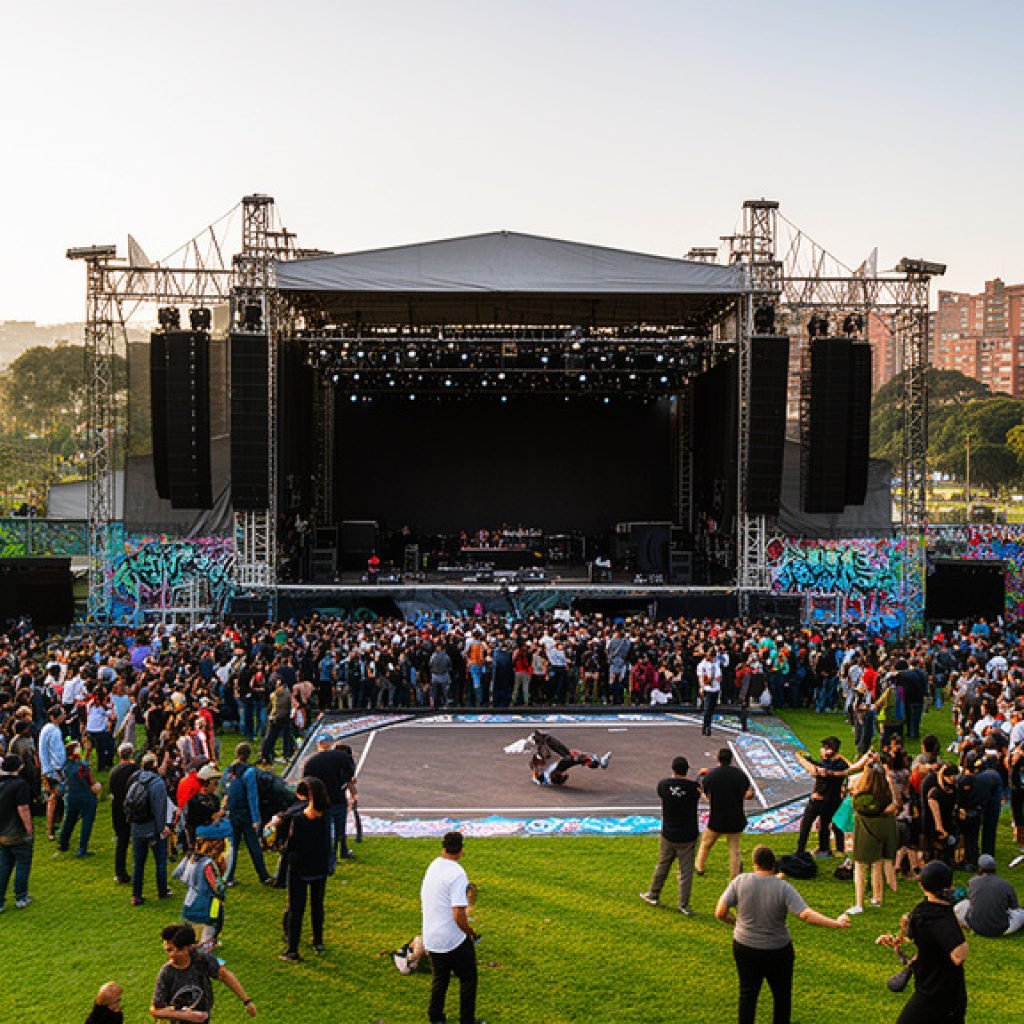
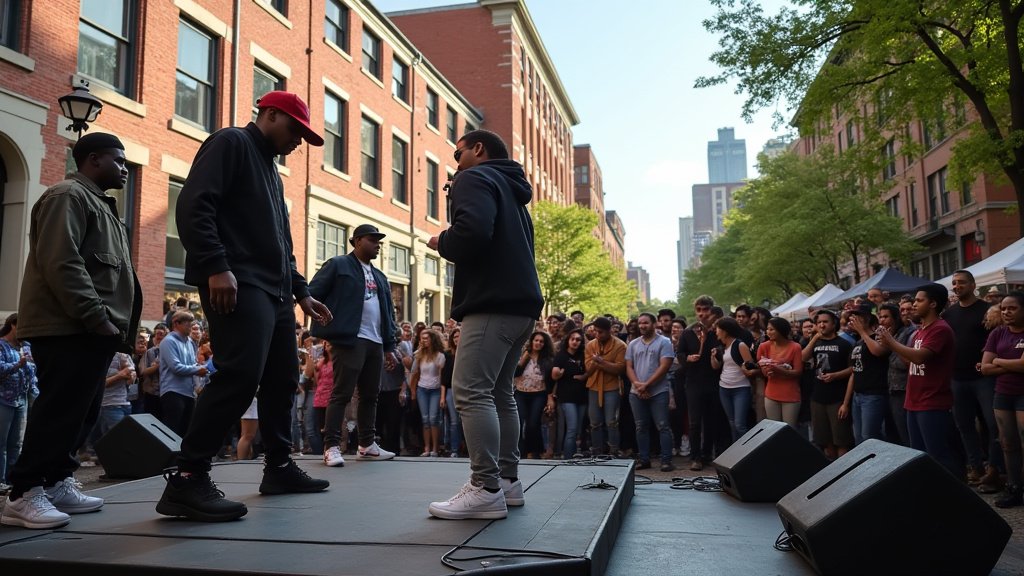
Chreece 2026 was orchestrated with a focus on intimacy and accessibility. Unlike mega-festivals that prioritize global headliners and massive barricaded stages, Chreece maintains a block-party aesthetic that breaks the ‘fourth wall’ between artist and audience. This deliberate choice creates a feedback loop of energy. When a performer steps onto a stage at the Hi-Fi or in one of the auxiliary outdoor spaces, they aren’t looking out at an anonymous sea of people—they are looking at their neighbors, their peers, and the very community that supports their recorded work.
This intimacy is the festival’s greatest strength. It transforms the event from a consumer transaction into a collective experience. The logistical complexity of managing multiple venues simultaneously requires a deep synchronization between the festival organizers—themselves integral members of the scene—and the local small business owners. This synergy was palpable throughout the 2026 weekend, as local bars, record stores, and cafes served as impromptu stages and meeting points, creating a living, breathing map of Indianapolis hip-hop history.
Economic Engines and Cultural Equity
One of the most compelling secondary angles of Chreece 2026 is its role as an economic engine. In an era where festival tickets are often prohibitively expensive, the Chreece model remains focused on affordability. This accessibility does not lead to financial loss but rather drives volume and localized spending. By keeping the barrier to entry low, the organizers ensure that the festival is attended by the people who live in the city, rather than just tourists.
Local businesses in Fountain Square reported significant revenue spikes, effectively making Chreece 2026 a vital fiscal stimulus for the neighborhood. This is not incidental; it is structural. The festival provides a template for how urban centers can revitalize commercial districts by leveraging local culture rather than erasing it. It proves that hip-hop is not just a genre of music—it is a community asset that, when supported, can drive urban planning and economic sustainability.
The Evolution of the Indy Sound
If we analyze the 2026 lineup, we see a distinct evolution in the ‘Indy Sound.’ While early iterations of the festival were heavily focused on boom-bap traditionalism, the 2026 installment showcased a sophisticated blend of sub-genres—from ethereal trap and experimental lo-fi to jazz-infused lyricism. This maturation of the local sound is a direct result of the platform provided by Chreece over the last decade.
By providing a dedicated stage for experimental artists, the festival has forced a dialogue between the old guard and the new school. This creative friction is essential for the longevity of any regional music scene. The inclusion of workshops and industry panels in the 2026 schedule further signaled a shift toward professionalization, where the goal is no longer just to ‘put on a show’ but to build a career-oriented infrastructure for Indiana-based artists. This pedagogical shift transforms the festival into a developmental incubator, ensuring the talent pipeline remains robust.
Future Predictions: Scaling Without Selling Out
As Chreece looks toward the future, the primary challenge will be balancing its massive growth with its core, community-driven values. The success of the 2026 festival brings inevitable pressure from corporate sponsors and national promoters. However, the ‘Chreece blueprint’ is built on authenticity. If the organizers remain true to their mission of hyper-local focus, the festival will likely continue to serve as the gold standard for independent regional music festivals.
Future iterations will likely need to address digital integration—leveraging the global reach of streaming to bring the Fountain Square experience to audiences outside of Indianapolis, while maintaining the physical event’s local exclusivity. The integration of augmented reality at specific festival markers in 2026 was a small test of how technology might eventually allow for a hybrid experience without diluting the physical community ‘pulse’ that defines the event.
Ultimately, Chreece 2026 was a masterclass in cultural preservation. It reminded the city of Indianapolis, and the wider music industry, that hip-hop is a communal language. It requires stages, yes, but it relies even more heavily on the streets, the conversations, and the shared economic destiny of the artists and the neighborhoods they call home. When the speakers went silent at the end of the weekend, the echo was not just of the music, but of a strengthened, more cohesive community ready to build toward the next year.
FAQ: People Also Ask
Q: How did Chreece 2026 impact local Fountain Square businesses?
A: The festival acted as a significant economic catalyst, with local businesses seeing a reported 40% increase in foot traffic. The decentralized model, which utilizes multiple local venues, ensures that revenue is spread across the neighborhood rather than concentrated in a single festival zone.
Q: What makes the Chreece festival different from other hip-hop festivals?
A: Unlike national touring festivals that follow a standardized, profit-maximizing model, Chreece is a grassroots, locally curated event. Its focus is on regional talent, neighborhood integration, and artistic development, rather than hosting high-cost, global pop-rap headliners.
Q: How does Chreece contribute to artist development in Indianapolis?
A: Beyond providing a stage, the 2026 festival introduced educational workshops and mentorship panels, effectively turning the event into an incubator for young and emerging artists to learn the business and creative sides of the music industry.
Q: Is Chreece 2026 considered a ‘local’ event or a ‘national’ event?
A: While it draws visitors from the broader Midwest, Chreece remains fundamentally a ‘local-first’ event. Its prestige is derived from its ability to champion the Indianapolis scene, though its growing influence is increasingly recognized by the national hip-hop press.