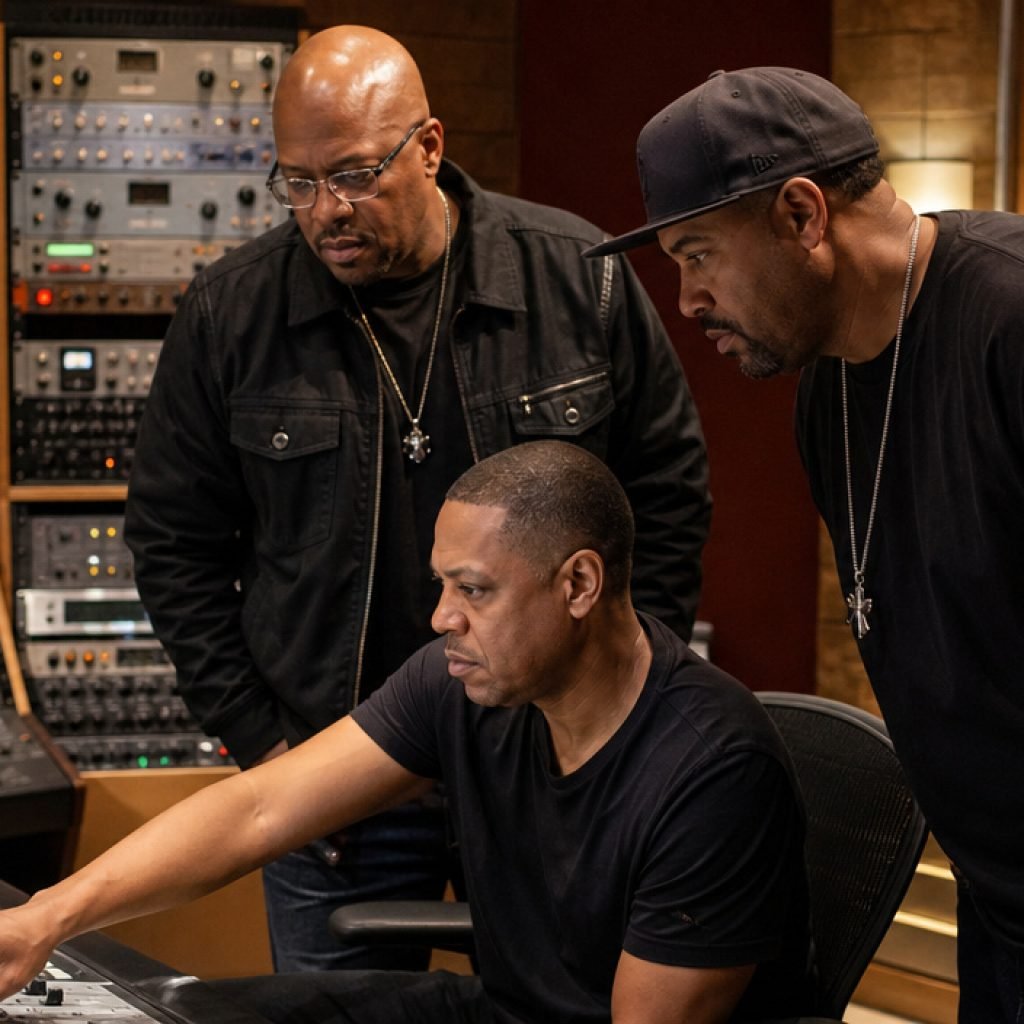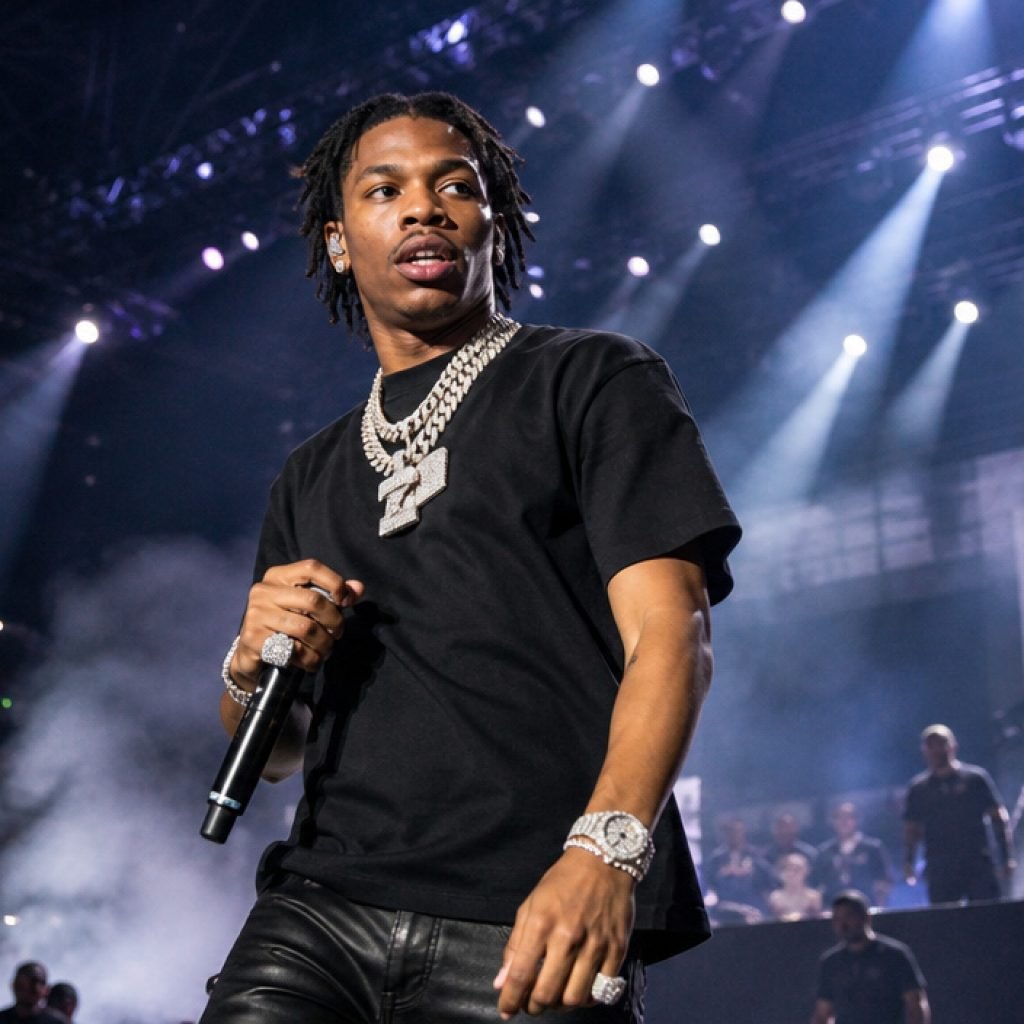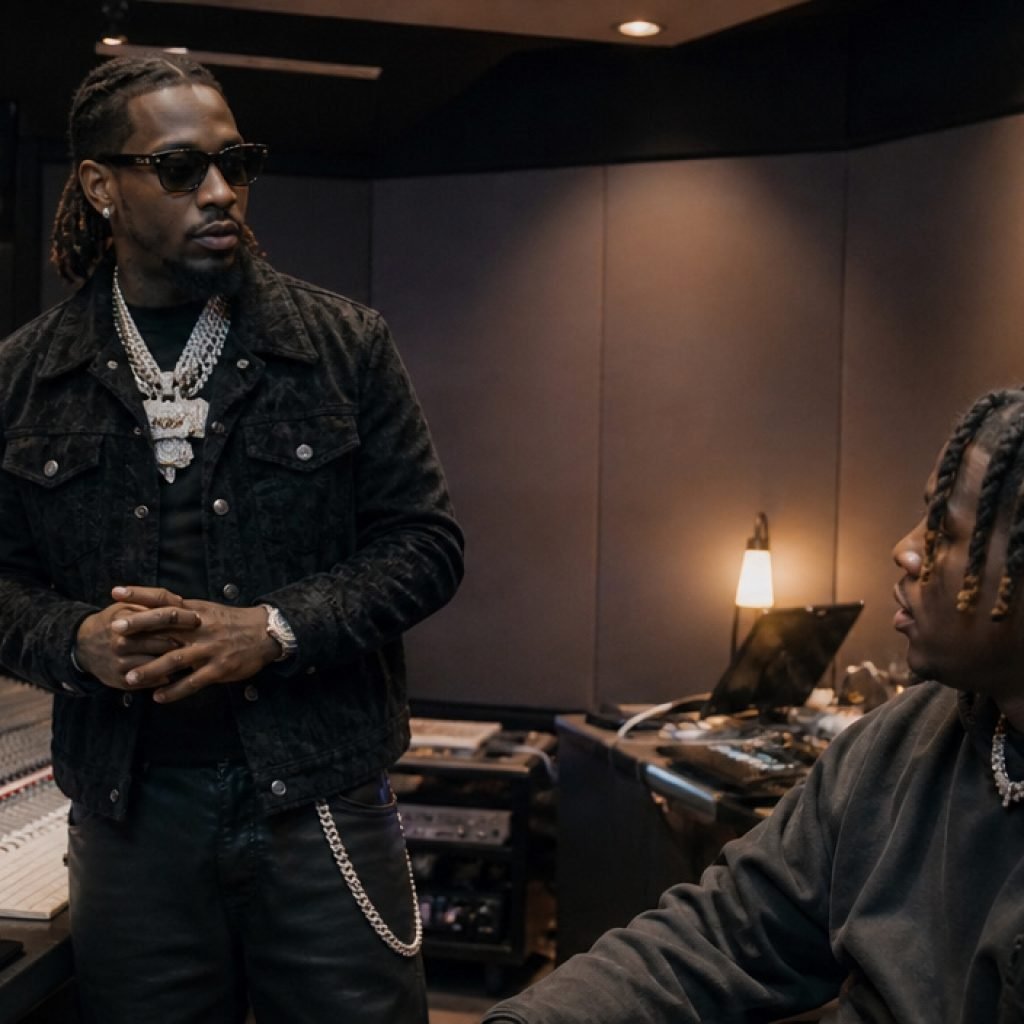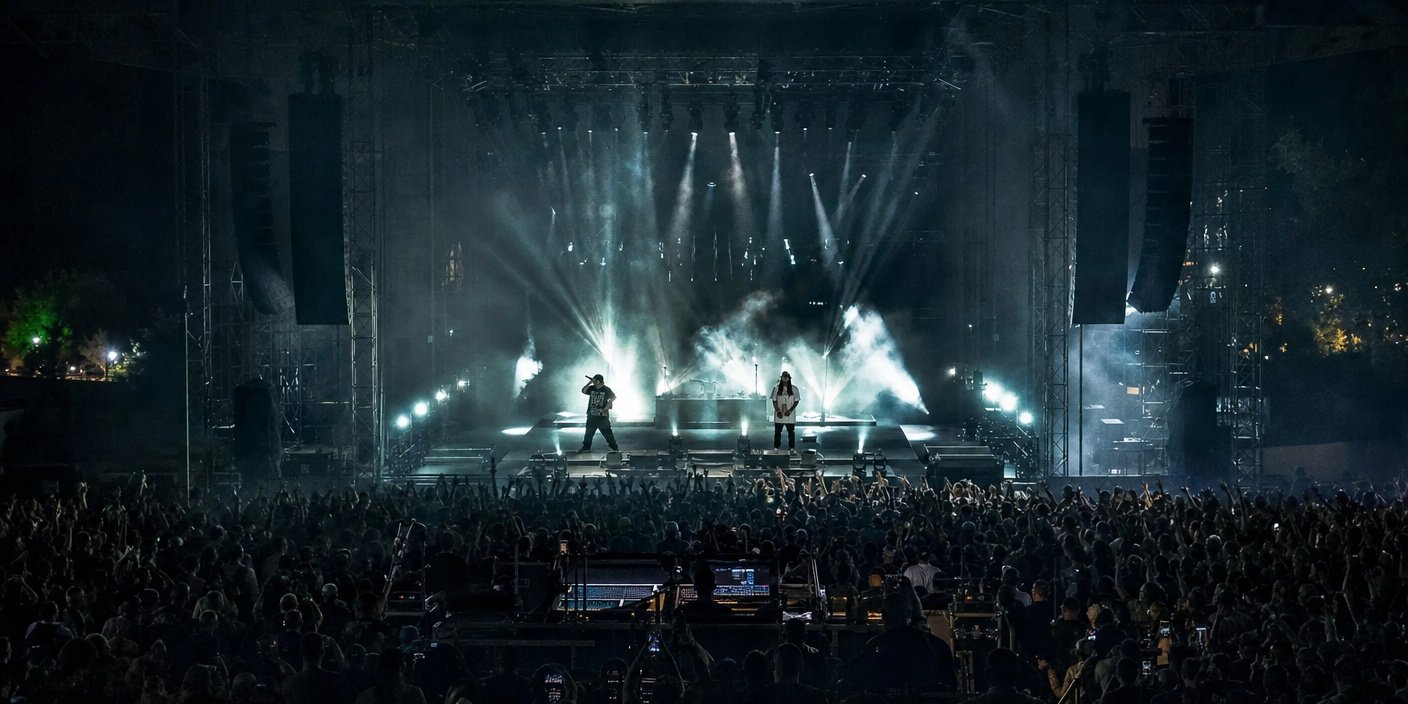
The rise of $uicideboy$—composed of cousins Ruby da Cherry and $crim—from New Orleans underground rap architects to stadium-filling festival curators is one of the most compelling narratives in modern music. With the launch of the Grey Day 2026 tour, the duo has not only cemented their position at the top of the cultural zeitgeist but has also effectively re-engineered the touring model for independent artists. By bypassing traditional major-label gatekeeping and relying on the cult-like devotion of their G59 Records fanbase, they have created an annual pilgrimage that transcends genre boundaries, exemplified by their recent, thunderous showcase at the Glen Helen Amphitheater.
The G59 Blueprint: Control and Consistency
At the heart of the Grey Day 2026 success is the autonomy afforded by G59 Records. For most artists, a tour of this magnitude would be dictated by the rigid demands of a corporate conglomerate. For $uicideboy$, it is a curated experience where the creative vision—from the stage design to the support lineup—remains entirely in their hands. This independence allows for a level of sonic and aesthetic consistency that is rare in the touring landscape. The “Grey” aesthetic, characterized by its gloom-inspired, raw, and unapologetic energy, is meticulously maintained throughout every stop, ensuring that fans are not just attending a concert, but entering a fully realized world.
A Genre-Fluid Support Lineup
One of the most defining characteristics of Grey Day 2026 is the deliberate subversion of genre expectations. Rather than opting for standard hip-hop openers, the curators have integrated a diverse array of artists who share a similar rebellious ethos. The inclusion of Shoreline Mafia brings the gritty, street-level energy of Los Angeles hip-hop, providing a rhythmic contrast to the darker trap soundscapes of the headliners. Shakewell, a frequent collaborator, serves as the bridge between the duo’s trap roots and the broader G59 experimentalism.
Perhaps most notably, the inclusion of the hardcore band Drain signals a significant shift in the tour’s atmosphere. By platforming hardcore and punk alongside rap, $uicideboy$ are actively breaking down the barriers between “mosh pit” cultures. This cross-pollination ensures that Grey Day remains fresh, attracting fans from the alternative scene while simultaneously satisfying the rap purists. It is a calculated move that ensures the tour remains a living, breathing entity rather than a stagnant concert series.
The Glen Helen Amphitheater Phenomenon
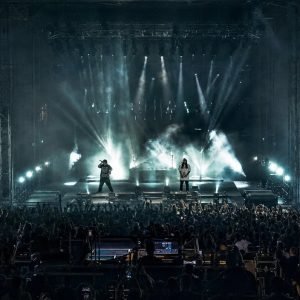
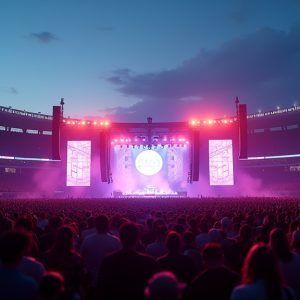
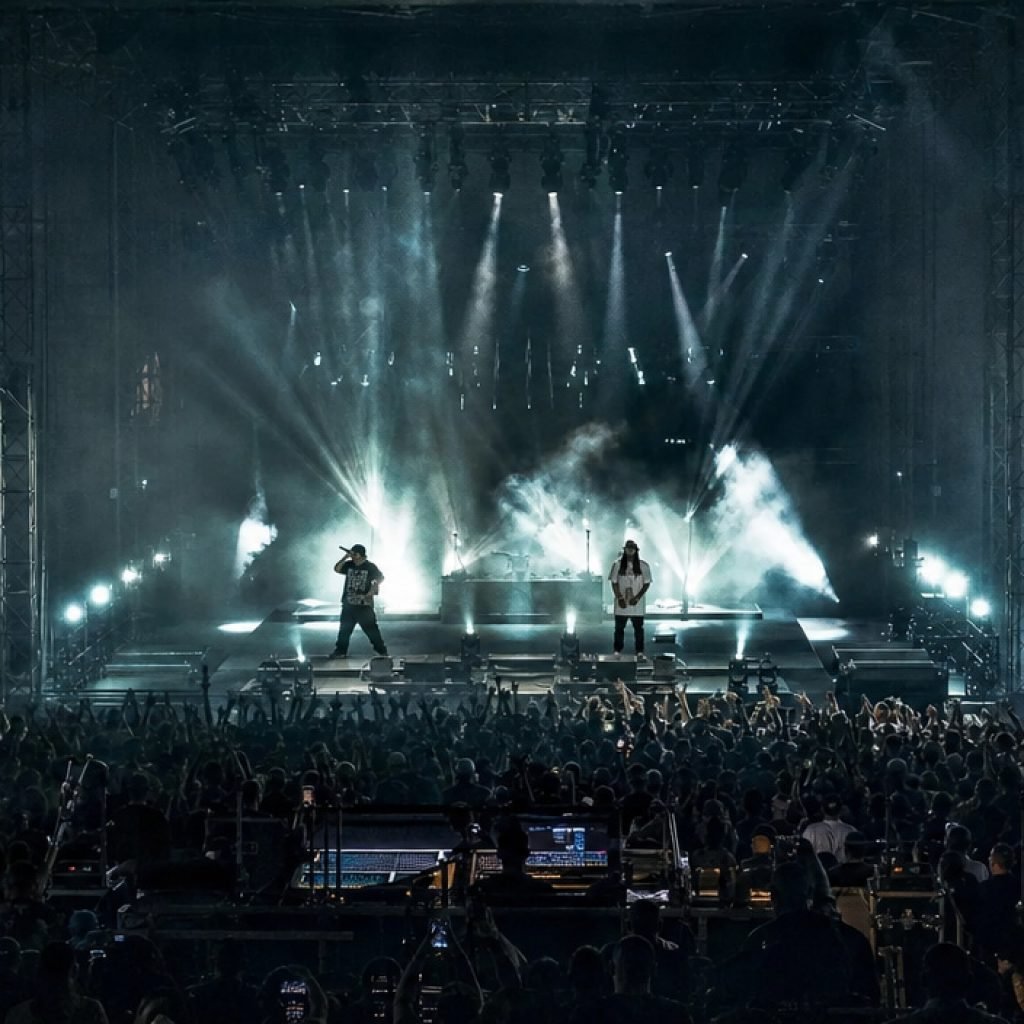
The performance at the Glen Helen Amphitheater serves as a microcosm for the tour’s broader success. Situated in the heart of Southern California, the venue’s sheer scale provided the necessary canvas for the group’s high-production, high-intensity aesthetic. The logistical feat of bringing such a diverse lineup to a venue of this size—and selling it out—highlights the immense drawing power of $uicideboy$.
Inside the venue, the synergy between the performers was palpable. The transition from the high-energy rap anthems to the aggressive, driving percussion of hardcore acts created an environment that sustained high adrenaline levels throughout the night. It is this attention to pacing and atmosphere that sets the 2026 tour apart from its predecessors. Every element, from the stage lighting that mimics the cold, stark imagery of their music videos to the curated sound design, was orchestrated to immerse the audience in the world they have built over the last decade.
Digital Reach and the Cult of Personality
Behind the sold-out tickets and massive stage production lies a deep-rooted digital strategy. $uicideboy$ have mastered the art of direct-to-consumer engagement, cultivating a relationship with their fans that feels intimate despite the massive scale of their current operation. Their presence on social media is less about self-promotion and more about fostering a community where fans feel they are part of a movement. This sense of belonging is a key driver for the Grey Day phenomenon. Fans don’t just buy tickets; they buy into a collective identity.
Future Implications for Touring
Looking ahead, the success of Grey Day 2026 provides a roadmap for other independent artists. It proves that massive commercial success does not require compromising one’s creative integrity. By controlling their own narrative, building a distinct community, and pushing the boundaries of what a “rap tour” can look like, $uicideboy$ have set a new standard. As they continue to pave their own lane, the industry is forced to take notice: the traditional gatekeepers are becoming increasingly irrelevant in the face of artists who can mobilize tens of thousands of fans on their own terms. The future of touring is not just about the music—it is about the world-building, and in that regard, $uicideboy$ remain unparalleled.