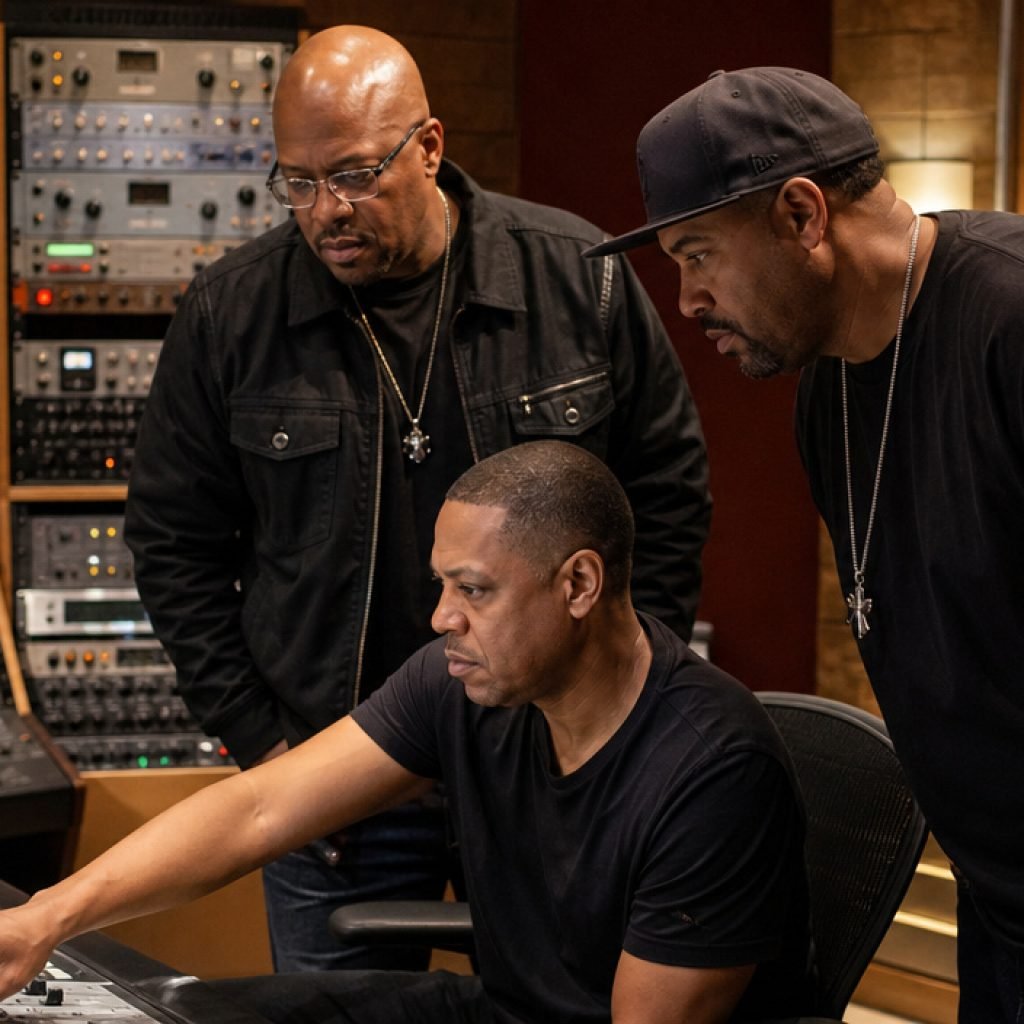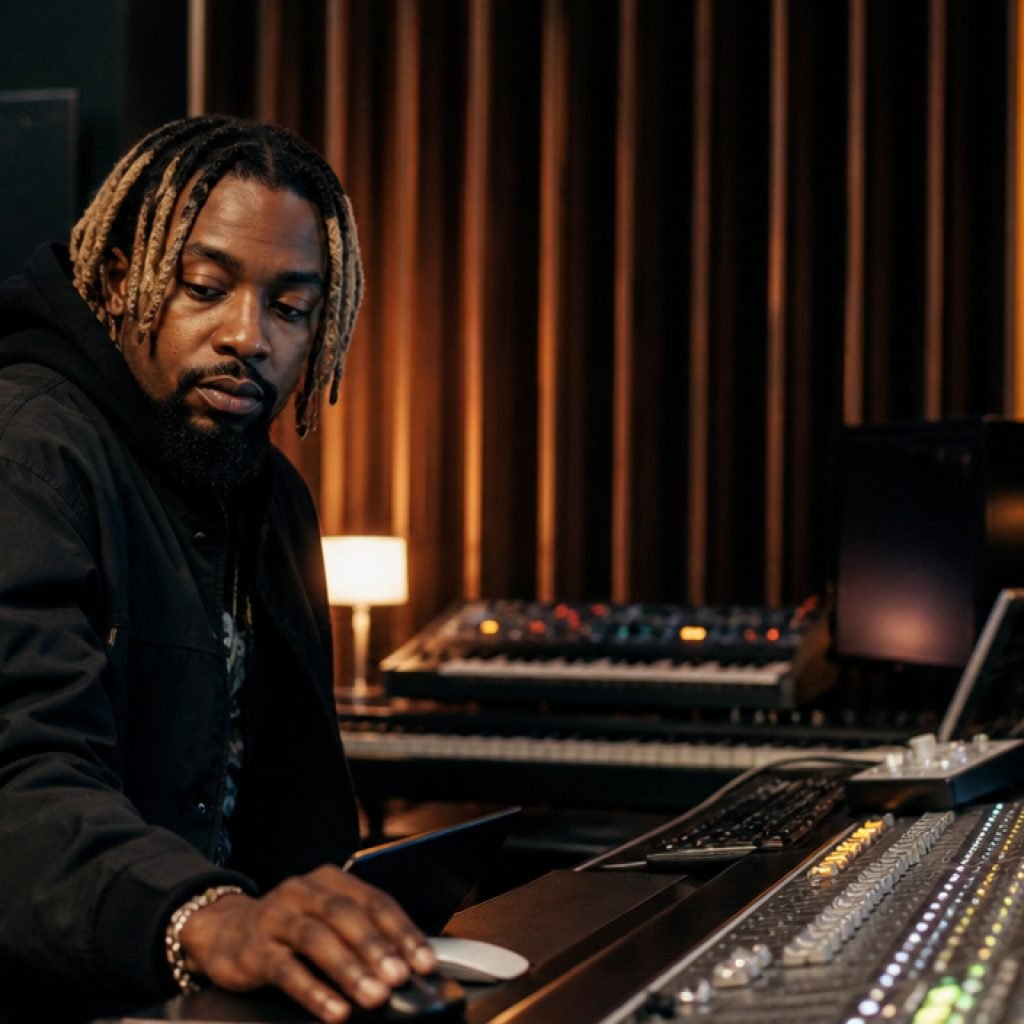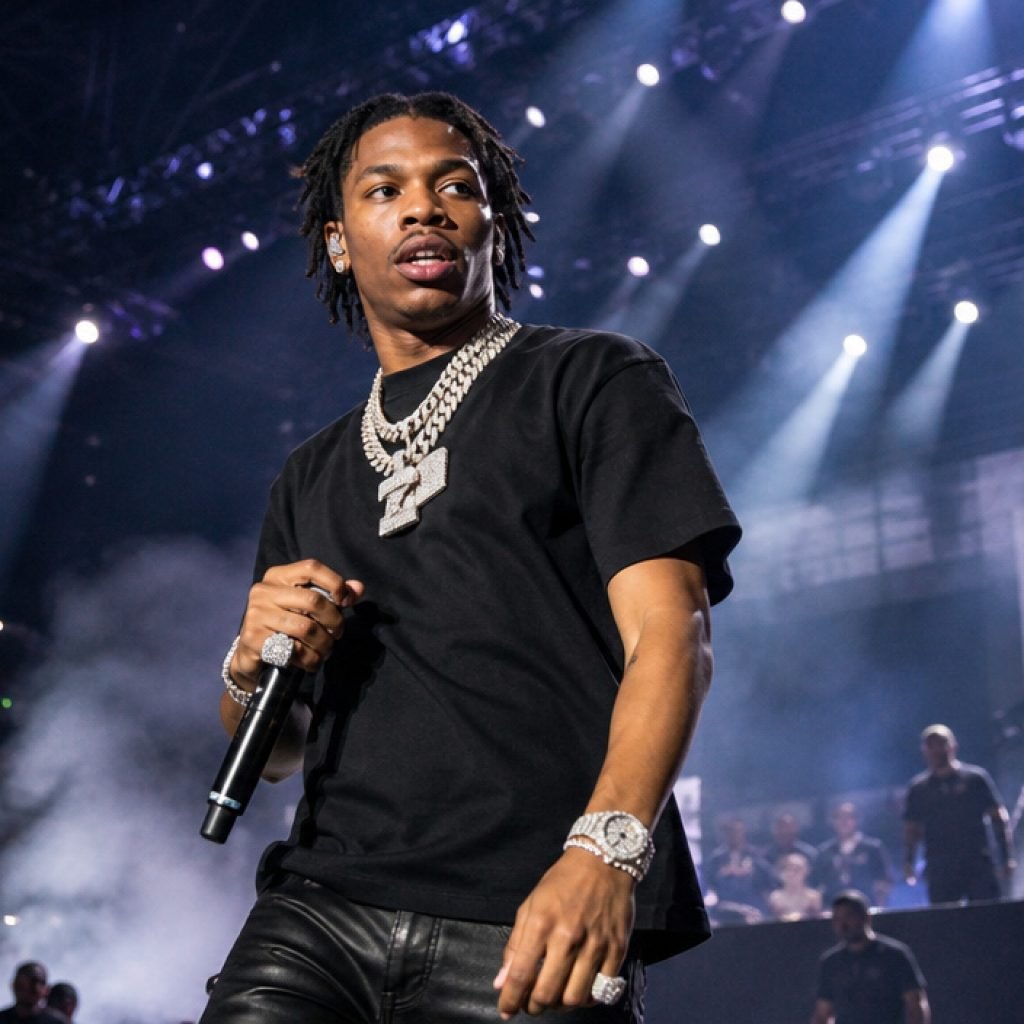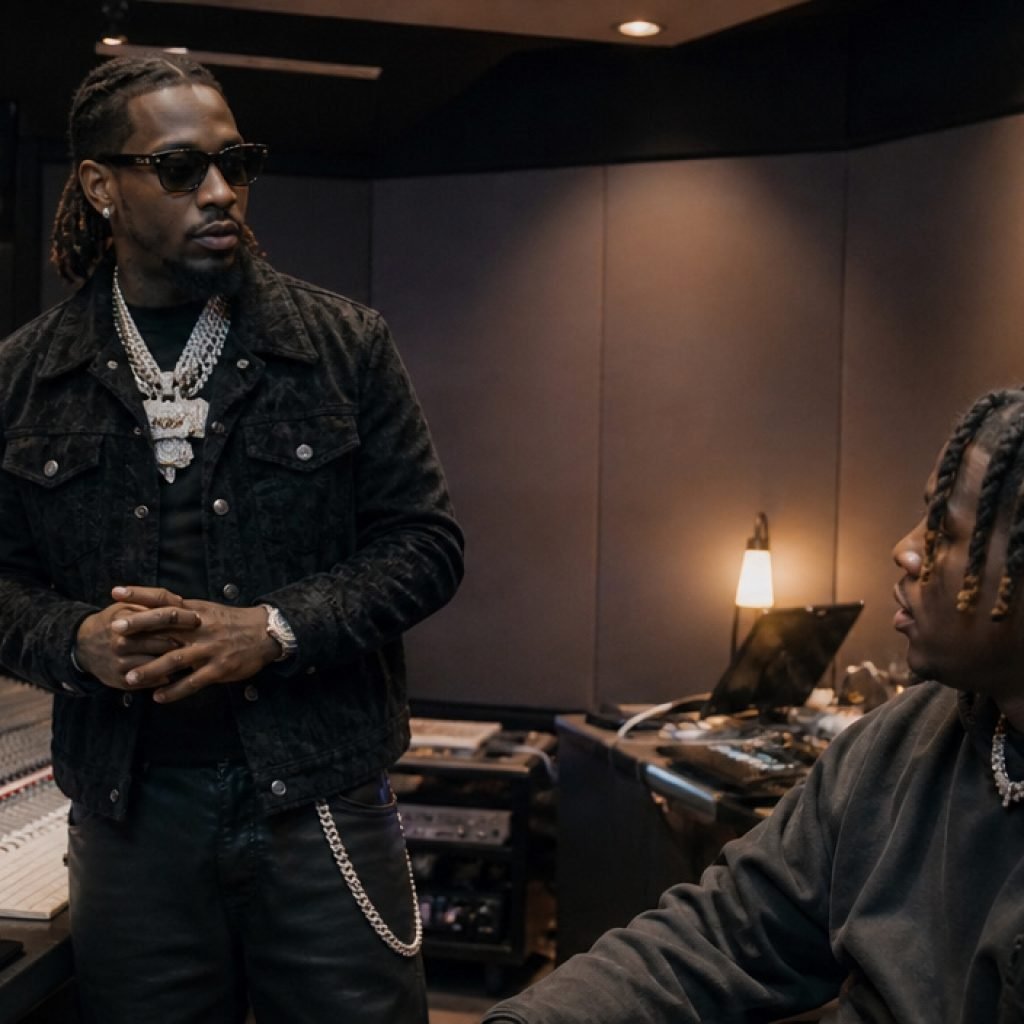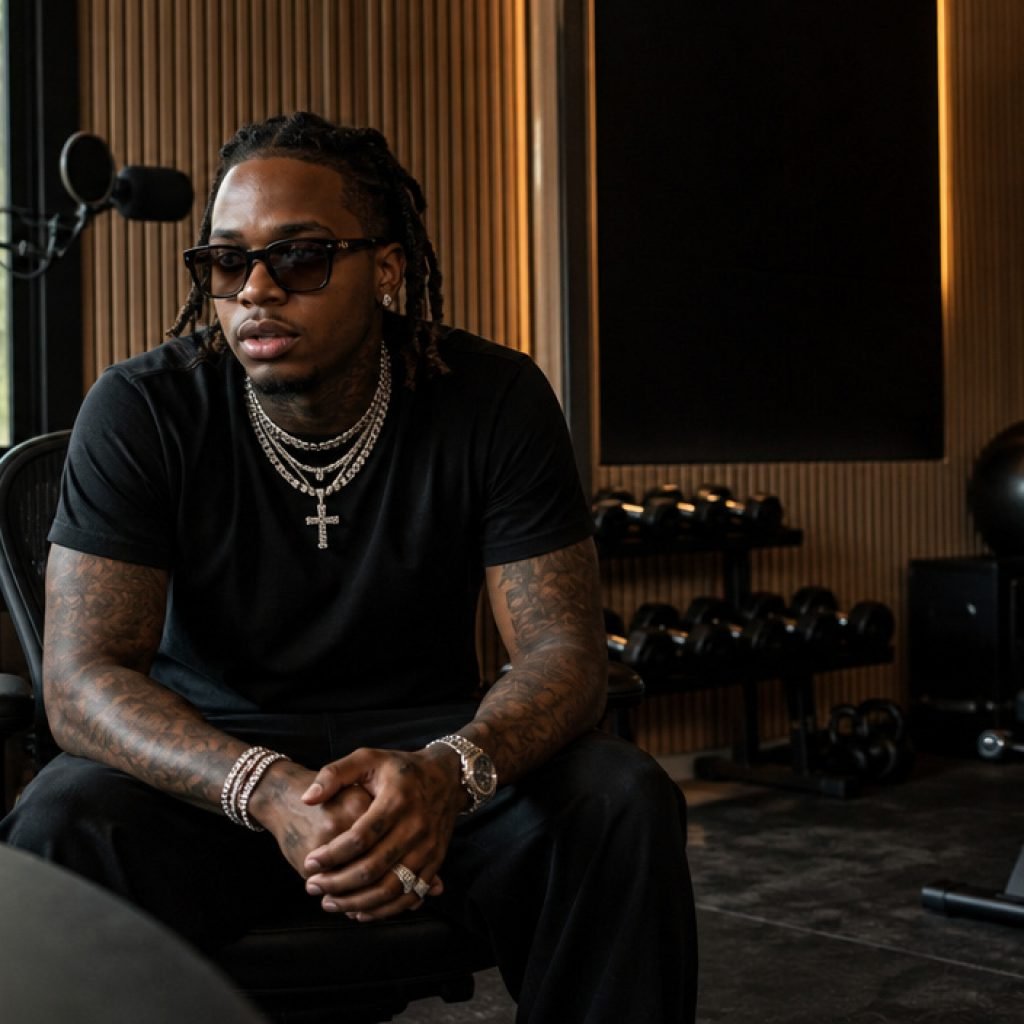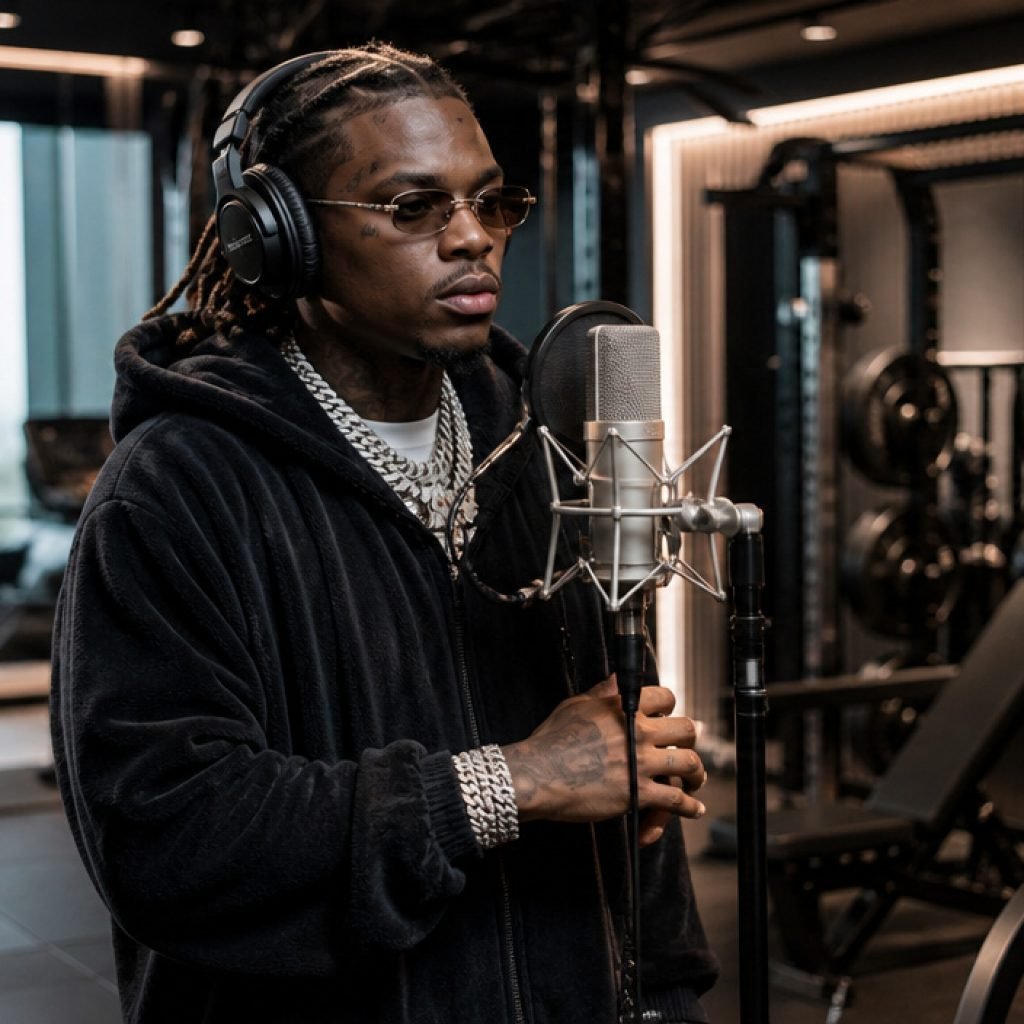
The atmosphere within the independent hip-hop scene is palpably electric this Thursday, October 9, 2026, as several major projects hit streaming services simultaneously. However, all eyes are currently fixed on the midnight release of STRIKING, the latest studio effort from the prolific and often enigmatic artist known as Ovrkast. The release arrives at a critical juncture, not only for the artist’s sonic evolution but as a flashpoint for a broader industry conversation regarding professional branding, intellectual property rights, and the autonomy of creators in the digital age. As fans parse the nuances of his new production, the ongoing discourse surrounding his recent name change continues to dominate, casting a long shadow over what is otherwise a landmark moment in his discography.
Key Highlights
The Release: Ovrkast’s STRIKING* officially arrives on all major digital platforms today, October 9, 2026, marking his first full-length project under his current branding.
- The Controversy: The drop coincides with heightened industry and public scrutiny concerning the artist’s recent stage name pivot, which has triggered debates over brand identity and legal standing.
Market Impact: As part of a crowded release calendar, STRIKING* is currently being analyzed for its potential to shift the trajectory of the “internet rap” subgenre in Q4 2026.
The Pivot: Dissecting Ovrkast’s ‘STRIKING’ and the Branding Crisis
A New Sonic Identity
For years, Ovrkast has been championed as a vanguard of the self-produced, lo-fi aesthetic that defined the mid-2020s underground. With STRIKING, however, there is a palpable shift. The production quality reflects a significant maturation; the grit of his early beat-making remains, but it is now augmented by a cinematic, almost orchestral layering that suggests a desire to break out of the “lo-fi hip-hop” pigeonhole. Critics who have had early access to the tracks report a more aggressive, drum-heavy percussion style that contrasts sharply with his previous, more ambient releases. This musical evolution appears to be a direct response to his need to redefine his footprint in a saturated marketplace.
Musically, the album functions as a statement of intent. The tracks are tighter, the transitions sharper, and the lyrical content leans heavily into themes of personal transformation and the external pressures of fame. It is, in every sense, a “striking” turn—a pun that likely serves as the thematic anchor for the project. By focusing on high-energy, high-impact production, the artist is effectively betting that the quality of the music will supersede the confusion caused by his recent rebranding.
Navigating the Moniker Crisis
It is impossible to discuss the release without addressing the elephant in the room: the stage name controversy. Over the last several months, the transition to his current moniker has been fraught with public speculation and reported industry friction. Legal analysts and music industry insiders have noted that the move was not merely a creative choice but a complex negotiation involving trademark clearances and digital legacy preservation. In the digital music era, where algorithms are tied to artist names, a change of this magnitude is a high-risk maneuver that can jeopardize years of accumulated stream counts and search engine optimization.
Sources close to the label indicate that the intensity of the pushback from certain corners of the fanbase was underestimated. The controversy has become a microcosm of a larger issue in hip-hop: the loss of “original” branding due to legal pressure, and the subsequent struggle to maintain an authentic connection with a fanbase that feels alienated by corporate-adjacent changes. Ovrkast has attempted to use this friction as fuel for his lyrics, addressing the scrutiny directly in the album’s lead singles. Whether this vulnerability resonates with the core audience or serves to further isolate him remains the most debated question on social media today.
The 2026 Hip-Hop Landscape
October 9, 2026, has been a heavy date on the industry calendar for several weeks. STRIKING drops in a field that includes high-profile mixtape releases and collaborative EPs from prominent urban artists. However, the unique narrative surrounding Ovrkast—the combination of his technical prowess as a producer and the personal drama of his rebranding—has granted him a unique “news cycle advantage.” While other artists are competing for playlists based on feature lists or viral TikTok moments, Ovrkast is competing for attention based on narrative depth.
Industry analysts are watching the first-week streaming numbers closely. If STRIKING performs well, it could set a precedent for how artists manage rebranding in the streaming era—showing that if the product is strong enough, the name on the marquee is secondary to the quality of the art. Conversely, a lukewarm reception would likely be interpreted by labels as a cautionary tale against straying from established identities, potentially stifling creative evolution for other mid-tier artists for years to come.
Secondary Angles: The Future of Independent Rap
To understand the gravity of this release, one must look at the broader economic impact of the independent sector. In 2026, the barrier to entry has never been lower, but the barrier to retention has never been higher. Ovrkast’s path, from early SoundCloud sensation to a formal album cycle with the attendant industry bureaucracy, is a textbook example of the “independent-to-corporate” pipeline.
The economic implication of his name controversy also highlights the precarious nature of intellectual property in music. We are seeing a shift where “the brand” is arguably more valuable than the songs themselves. As such, the artist’s struggle is not just a personal one—it is an economic indicator. Investors and streaming platforms are watching closely to see if the fanbase follows the artist or the algorithm. If Ovrkast can sustain his momentum despite the confusion, he will validate a new model for artist sustainability. If he fails, it may signal that in 2026, the brand is, indeed, more powerful than the artist behind it.
Finally, we must consider the artistic legacy. Ovrkast has always been an “artist’s artist.” By naming the album STRIKING, he is inviting critical assessment. He is essentially saying: “Look at me, look at the music, look at the change.” It is a bold, confrontational approach. As we listen through the project tonight, the question remains: is this the start of a new, more sustainable chapter, or a desperate attempt to recapture a spotlight that was already starting to fade? The next 48 hours of public response will provide the answer.
FAQ: People Also Ask
1. Why did Ovrkast decide to change his stage name?
While specific legal details remain private, industry reporting suggests the change was necessitated by trademark conflicts and a desire for better creative control over his brand’s digital footprint, though the move has sparked significant debate among his fanbase.
2. Is ‘STRIKING’ his first album since the controversy started?
Yes, STRIKING is the first full-length project released under his new name, acting as a major test case for his ability to retain his audience during a major rebranding effort.
3. How does this release compare to his previous work?
Unlike his earlier lo-fi-centric releases, STRIKING features more aggressive, high-fidelity production and appears to explore more complex themes regarding fame and public perception, signaling a distinct pivot in his musical direction.
4. What other artists are dropping music tonight?
October 9, 2026, is a packed release night. While STRIKING is the central focus, several other independent rappers and high-profile collaborative projects have timed their drops to coincide with this busy Q4 release window.