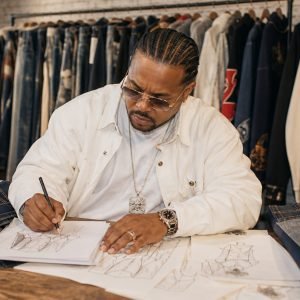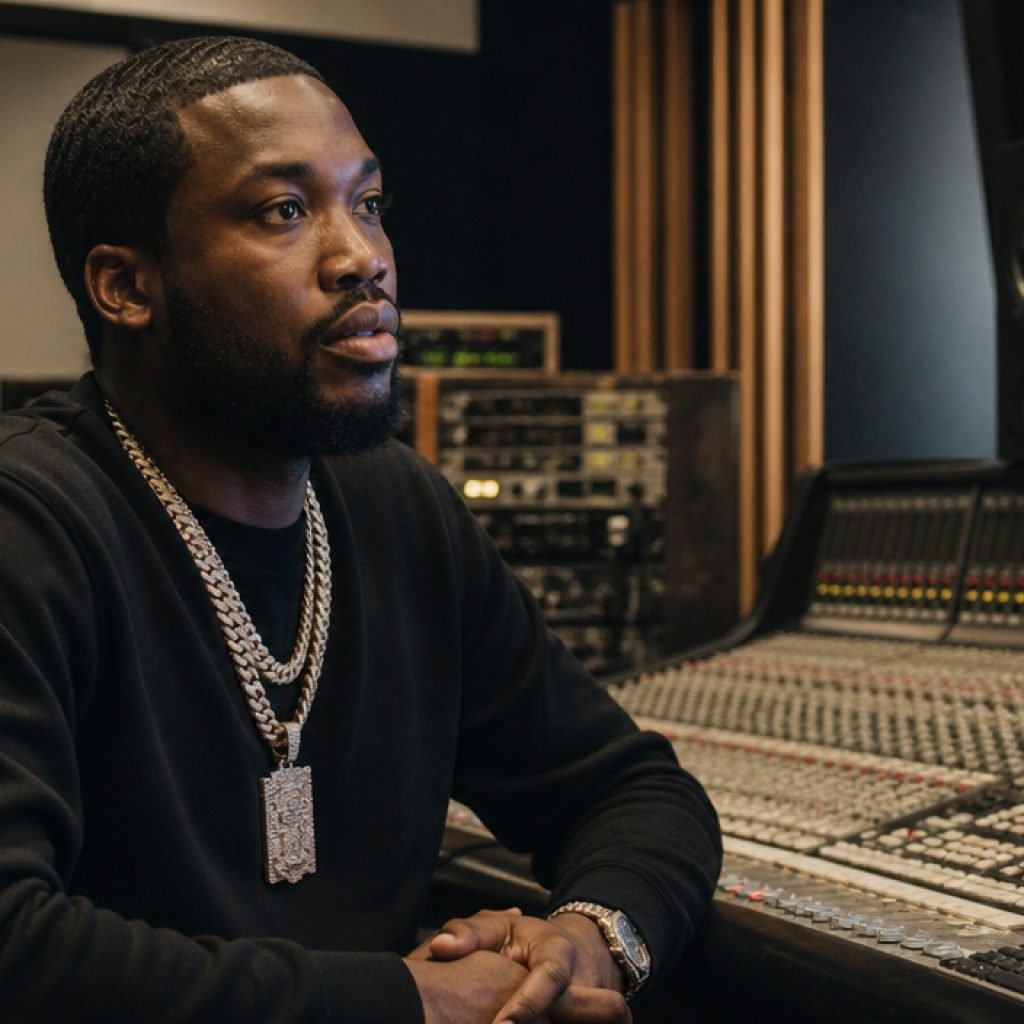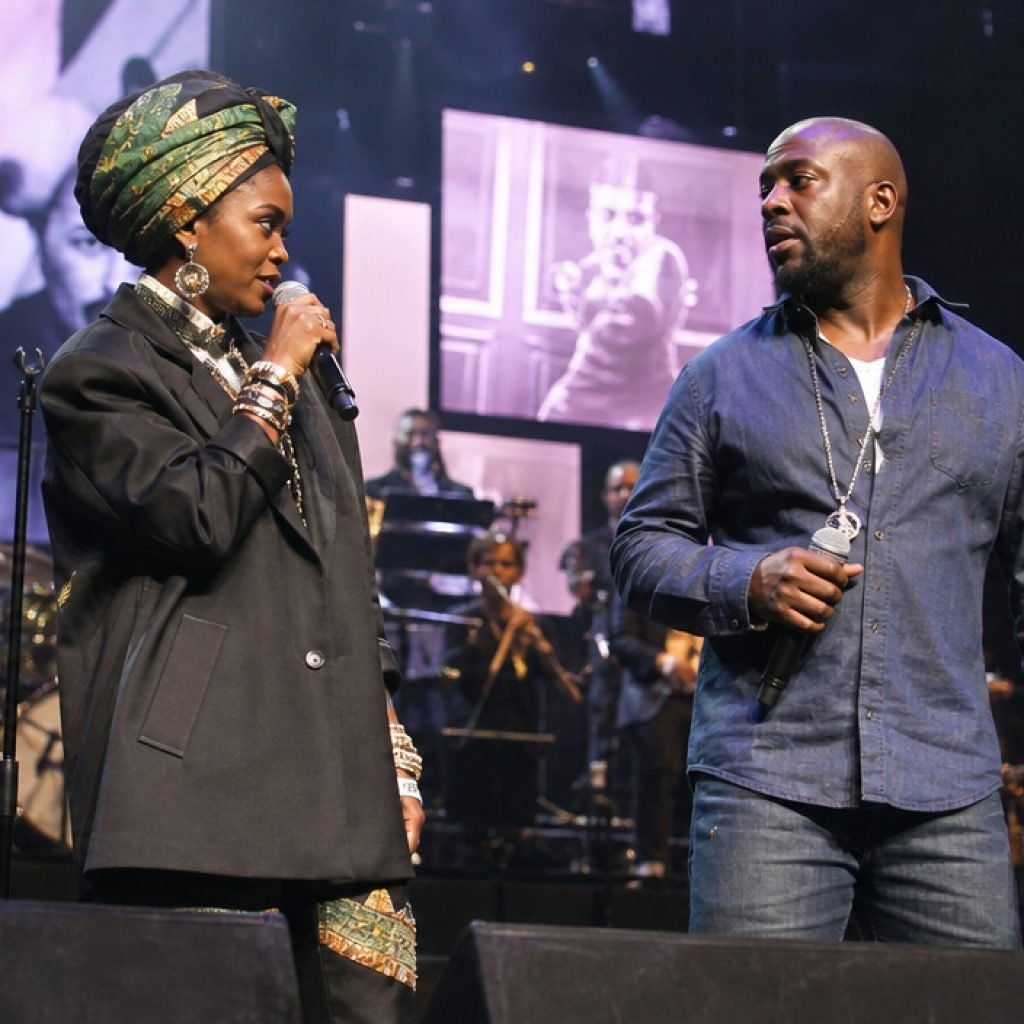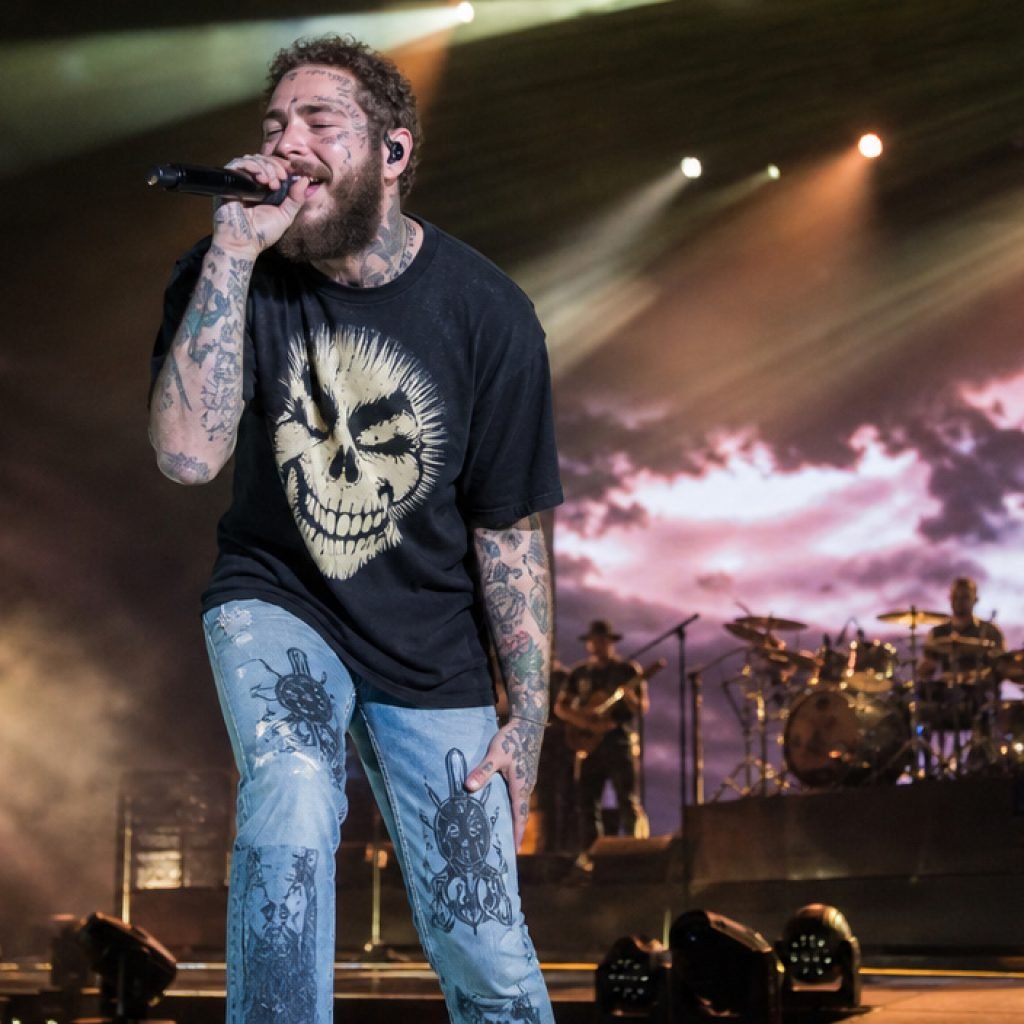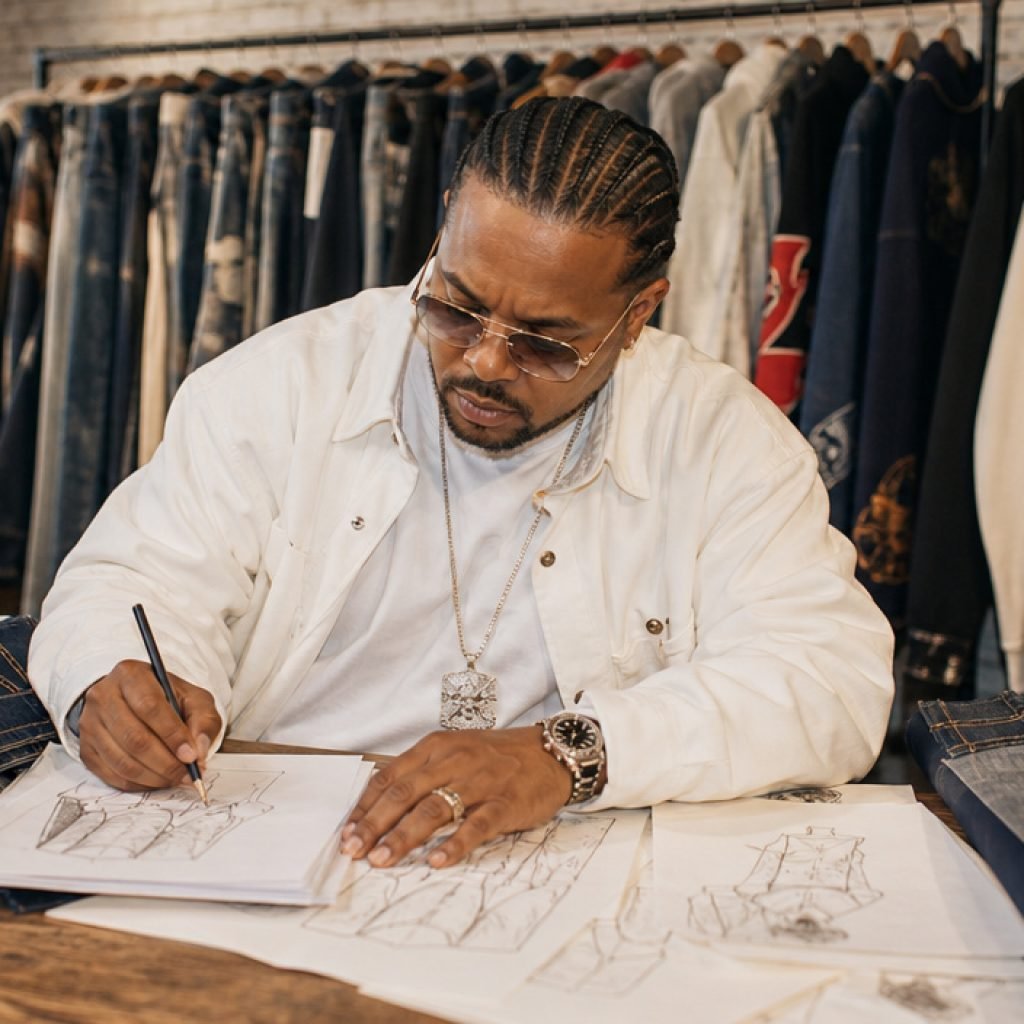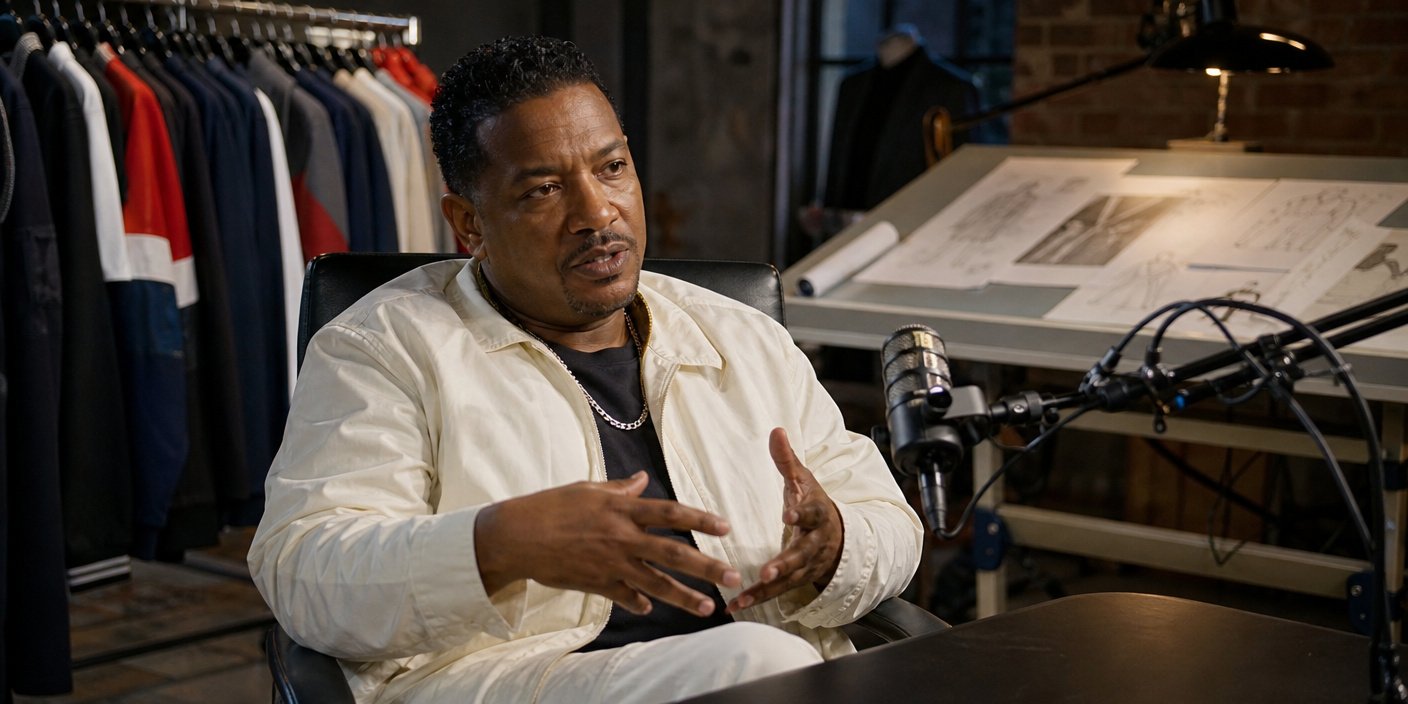
In a recent, deeply reflective interview with NPR’s A Martínez, legendary streetwear architect Karl Kani—born Carl Williams—pulled back the curtain on his extraordinary career. Often cited as the ‘Godfather of Streetwear,’ Kani described his lifelong journey not merely as a fashion designer, but as an essential partner to the explosion of hip-hop culture. His brand, established in 1989, became the visual language of an entire generation, bridging the gap between urban Brooklyn aspirations and global haute couture. This new dialogue signals a shift in Kani’s public presence, as he moves from the background of the music industry to taking his rightful place as a cultural historian of the movement he helped define.
Key Highlights
- The 1989 Genesis: Karl Kani launched his namesake brand in 1989, pivoting from a small Brooklyn startup to a global powerhouse that defined the 90s aesthetic.
- Music as a Blueprint: Kani describes his designs as a ‘marriage to the music,’ intentionally creating clothing that resonated with the rhythm, swagger, and storytelling of hip-hop artists.
- The A-List Roster: The brand famously dressed hip-hop royalty including Tupac Shakur, The Notorious B.I.G., Aaliyah, and even non-music icons like Mike Tyson, cementing its status in pop culture.
- Cultural Archiving: Kani is now transitioning from active design to storytelling, viewing his own life and the rise of his brand as a necessary record of Black excellence in fashion.
The Threads of Culture: How Kani Defined an Era
For decades, the name Karl Kani was synonymous with success in the hip-hop community. To wear Kani was to signal that you had arrived. But as Kani explained to A Martínez, this wasn’t an accidental convergence of fashion and sound. It was calculated. Kani understood that the burgeoning hip-hop movement needed a visual identity that matched the bold, unapologetic, and innovative nature of the music being produced in the late 80s and early 90s.
The Brooklyn Roots and the Birth of a Legacy
Long before the runways of Milan or the global distribution deals, there was Brooklyn. Carl Williams, the man who would become Karl Kani, began with a singular vision: to create clothes that fit the ‘hip-hop lifestyle.’ The standard fashion industry at the time largely ignored the urban demographic, or worse, caricatured it. Kani identified this void and filled it with signature baggy cuts, vibrant color-blocking, and distinct branding that felt authentic to the streets.
His approach was grassroots. He didn’t wait for permission; he went directly to the influencers of the time—the DJs, the rappers, and the video directors. By positioning his clothing inside the music videos and album photoshoots that were beamed into millions of living rooms, Kani bypassed traditional retail gatekeepers. He effectively turned music videos into the most effective fashion advertising campaigns of the 20th century.
A Marriage to the Music: Styling the Titans
Kani’s insight regarding the ‘marriage’ of fashion and music is perhaps his most enduring legacy. He realized early on that hip-hop was not just a genre; it was a lifestyle, a philosophy, and a political stance. He famously became the go-to designer for icons like 2Pac and Aaliyah.
Consider the cultural impact of Tupac Shakur wearing Kani’s designs. It wasn’t just about the fabric; it was about the silhouette of power. Kani’s designs allowed these artists to maintain a sense of ‘street’ authenticity while achieving mainstream, global celebrity status. The clothes provided a armor of sorts, a way to project confidence in an industry that was often predatory. This relationship wasn’t one-sided. The artists gave Kani credibility, and Kani gave the artists a professional polish that allowed them to be taken seriously on a global stage.
The Evolution from Designer to Cultural Historian
Now, in this latest chapter of his career, Kani is embracing the role of the narrator. His recent discussions, including the NPR spot, reveal a man who is acutely aware of the historical weight of his work. He isn’t just selling clothes anymore; he is curating a memory.
Economic analysts point to this shift as a smart brand management strategy, but for Kani, it feels more personal. By telling his own story, he is reclaiming the narrative of hip-hop fashion from revisionist history that often seeks to sanitize or institutionalize the movement. He highlights the grit, the late nights, the business failures, and the overwhelming successes that defined the early days of streetwear. This is crucial for younger generations who view ‘streetwear’ as a multi-billion dollar corporate industry but may lack the context of its rebellious, DIY origins.
Secondary Angles: Analyzing the Kani Phenomenon
To fully understand the Karl Kani legacy, we must look at three distinct facets of his influence:
1. The Economic Impact on Streetwear: Kani paved the way for the current ‘hype’ culture. Before there was Supreme or Off-White, there was Kani. He proved that high-margin streetwear could be built directly on cultural capital rather than traditional luxury prestige.
2. The Historical Record: Kani serves as a primary source for the 90s hip-hop era. His accounts of working with artists like 2Pac provide insights into their off-camera personalities, which is invaluable for music historians and sociologists studying the period.
3. The Sustainability of a Brand: In an industry defined by fast-fashion cycles, Kani’s longevity is an anomaly. His ability to reinvent the brand for a new generation while maintaining the core identity of his original vision offers a masterclass in brand resilience.
FAQ: People Also Ask
Q: How did Karl Kani get his start?
A: Karl Kani, born Carl Williams, started his journey in Brooklyn, New York. He famously launched his brand in 1989, seeking to create clothing that reflected the hip-hop culture he lived in, which he felt was ignored by mainstream fashion designers.
Q: Why is Karl Kani called the ‘Godfather of Streetwear’?
A: He earned this title by being one of the first designers to successfully monetize the intersection of hip-hop music and fashion. By outfitting legends like 2Pac and Aaliyah in music videos, he transformed hip-hop style into a global fashion phenomenon.
Q: What was the main takeaway from his NPR interview with A Martínez?
A: The core takeaway was Kani’s reframing of his career as a ‘marriage to the music.’ He emphasized that his success was deeply intertwined with the growth of hip-hop, and he is now dedicated to telling that story from his own perspective rather than letting others define his legacy.
Q: Is the Karl Kani brand still active today?
A: Yes, the brand remains active and has experienced a resurgence in popularity as 90s fashion trends have returned to the mainstream. Kani continues to influence the brand’s direction and legacy.