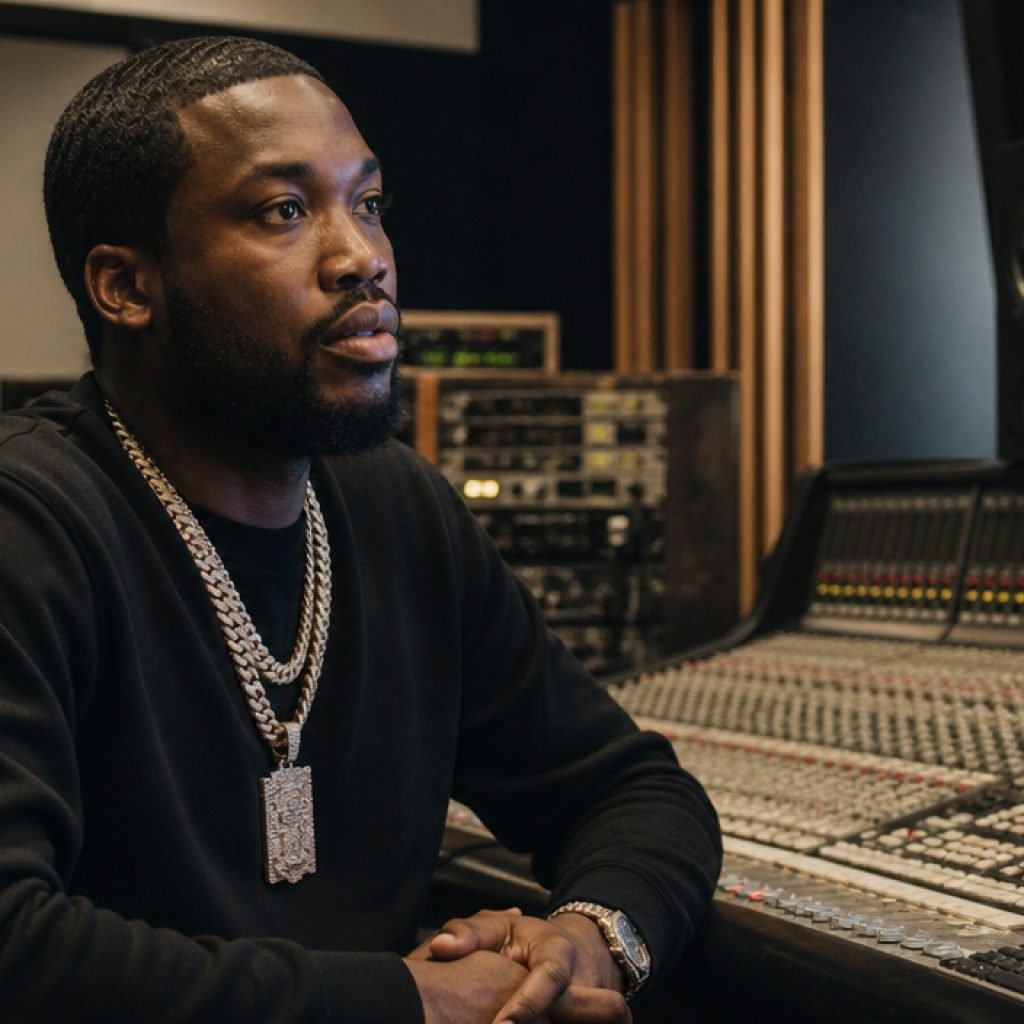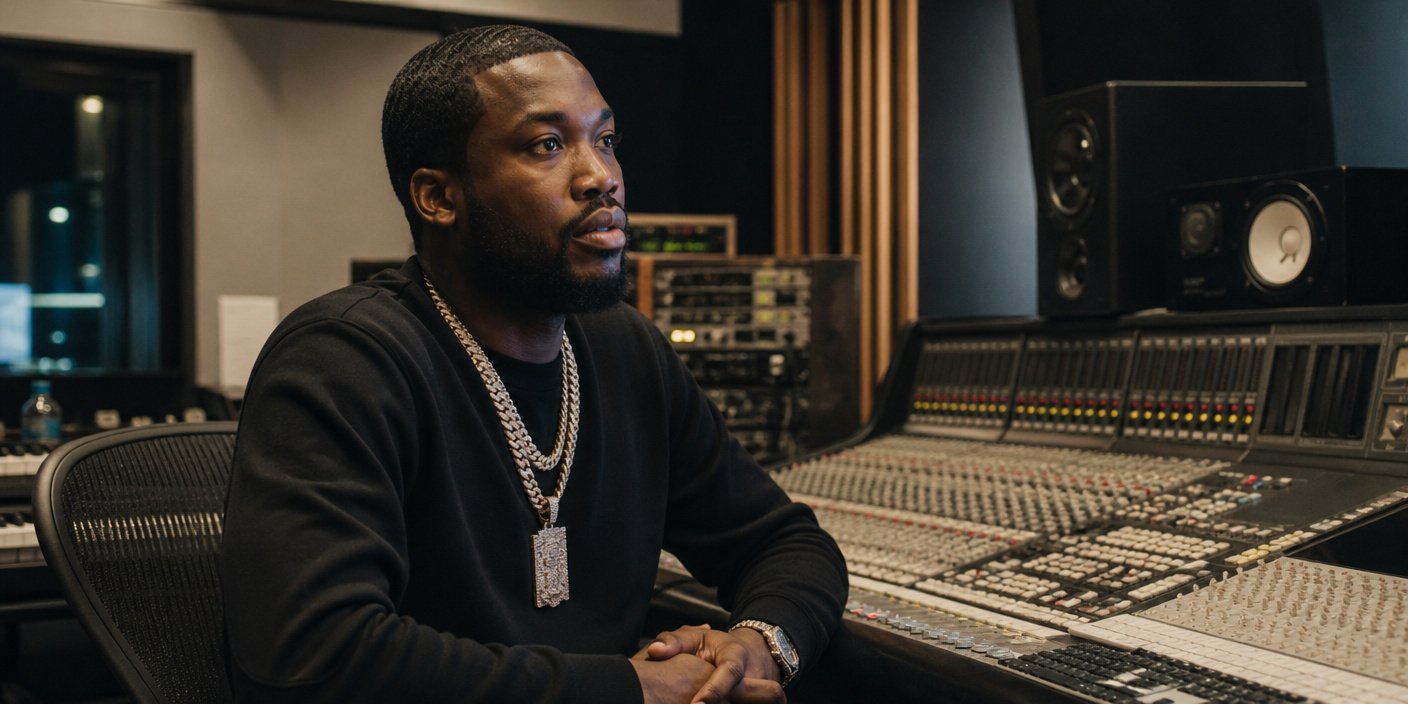
In a series of pointed industry critiques, Philadelphia-born rapper and entrepreneur Meek Mill has issued a rallying cry for the hip-hop community to reclaim its agency. His public statements emphasize a need for a shift away from traditional, label-controlled infrastructure toward a model of self-sufficiency. Central to his argument is the implementation of artist-owned platforms and the creation of a standalone hip-hop award show, a move he suggests is necessary to bypass the systemic failures he perceives within the current Grammy nomination process and global streaming payout structures.
Key Highlights
- Demand for Autonomy: Meek Mill is actively advocating for the music industry to shift toward artist-owned platforms to ensure creators retain greater control over their intellectual property and revenue streams.
- Award Show Reform: The rapper has publicly called for an independent hip-hop award show, arguing that existing institutions, specifically the Grammy Awards, often fail to represent the genre’s cultural nuance and depth.
- Streaming & Discovery Critiques: Mill has raised concerns regarding how current streaming payout models and algorithmic discovery tools stifle independent growth and limit equitable compensation for artists.
The Push for Structural Reform in Hip-Hop
For decades, the relationship between artists and the music industry has been defined by a contract-heavy, label-first dynamic. Meek Mill’s recent advocacy highlights a growing impatience with this status quo. By calling for artist-owned platforms, the rapper is not merely proposing a new distribution channel; he is challenging the fundamental economic architecture of the music business. Currently, the landscape is dominated by a handful of DSPs (Digital Service Providers) and major labels that dictate the terms of access, visibility, and, most crucially, compensation.
Rethinking the Value of Cultural Capital
The hip-hop genre, while globally dominant in terms of consumption and streaming volume, is often treated as a peripheral participant in its own financial success. Meek Mill’s criticism touches on the ‘streaming payout structure,’ which has long been a point of contention among creators. Artists frequently argue that the ‘per-stream’ royalty rates do not equate to the actual cultural value generated by their music. When artists rely entirely on third-party platforms for distribution, they lose the data ownership and direct-to-fan connection necessary to build long-term sustainability.
By proposing artist-owned platforms, Mill is echoing a broader movement within the creator economy: the transition from ‘rented’ audiences on social media and streaming services to ‘owned’ communities. This shift would theoretically allow artists to dictate their own monetization strategies, bypass middle-men, and preserve a higher percentage of the revenue generated by their catalogs.
The Grammy Controversy and the Case for Separation
The tension between the hip-hop community and the Recording Academy is long-standing. Critics, including Mill, argue that the Grammy nomination process frequently overlooks the cultural impact of hip-hop projects in favor of mainstream accessibility or legacy recognition. This disconnect has led to calls for an independent, genre-specific award show—a move reminiscent of the historical impact of the Soul Train Music Awards or the BET Awards, which were created specifically because mainstream platforms failed to provide equitable coverage to Black artists.
Establishing a new awards ceremony would provide more than just trophies; it would offer a platform to curate, highlight, and validate the specific cultural shifts within the genre. For an industry that currently moves the needle on everything from fashion to language, the ability to control its own narrative of excellence is increasingly viewed as a necessity rather than a preference.
Algorithmic Discovery vs. Organic Curation
A critical, often overlooked component of Mill’s critique involves ‘discovery tools’ and playlist placement. In the current streaming environment, the algorithm serves as the primary gatekeeper. If an artist does not land on a major editorial playlist, their chances of breaking through to a mass audience are significantly diminished. Mill contends that these algorithmic preferences are not always aligned with merit or cultural relevance, but rather with corporate partnerships and commercial safety. This creates a feedback loop where established artists or label-backed acts are consistently amplified, while independent creators struggle to gain meaningful traction.
Moving toward decentralized discovery tools or community-vetted curation could theoretically democratize visibility, allowing music to be discovered based on its artistic merit and audience connection rather than corporate curation.
Economic and Industry Implications
To understand the viability of Mill’s proposals, one must look at the economic footprint of the genre. Hip-hop is the most consumed genre in the United States, yet it frequently receives less equitable treatment in terms of corporate board representation and backend royalty structures. If artists were to successfully migrate to independent, owned platforms, it would represent a massive capital flight from traditional labels to the artists themselves. This, however, presents a significant challenge: the infrastructure costs of running a streaming platform are immense. Spotify and Apple Music invest billions in server maintenance, licensing, and UI/UX development. A truly ‘artist-owned’ platform would require a collective effort, potentially involving a consortium of top-tier artists, private equity, and independent tech developers to match the user experience that listeners currently expect.
Furthermore, the fragmentation of streaming platforms could be a double-edged sword. While ownership is a powerful tool, exclusivity—fragmenting music across multiple proprietary platforms—risks alienating the casual listener who prefers a unified library experience.
FAQ: People Also Ask
Q: Why is Meek Mill calling for a separate hip-hop award show?
A: Meek Mill argues that existing mainstream institutions, like the Grammys, do not adequately understand or represent the cultural impact and artistic standards of hip-hop, leading to a disconnect between the genre’s popularity and its recognition.
Q: What are ‘artist-owned platforms’ in this context?
A: These are proposed distribution channels or streaming services where artists themselves hold equity, data control, and decision-making power, rather than relying on third-party corporations that take a significant percentage of revenue and own user data.
Q: How do current discovery tools hurt independent artists?
A: Current discovery tools often rely heavily on algorithmic playlisting controlled by streaming giants. This can marginalize independent artists who lack the corporate backing required to secure top-tier playlist placements, limiting their reach to new audiences.
Q: Is a hip-hop-exclusive award show historically precedented?
A: Yes, historically, shows like the Soul Train Music Awards and the BET Awards were established because mainstream award shows often overlooked Black artists and hip-hop contributions, proving that separate, community-led recognition is a viable model.