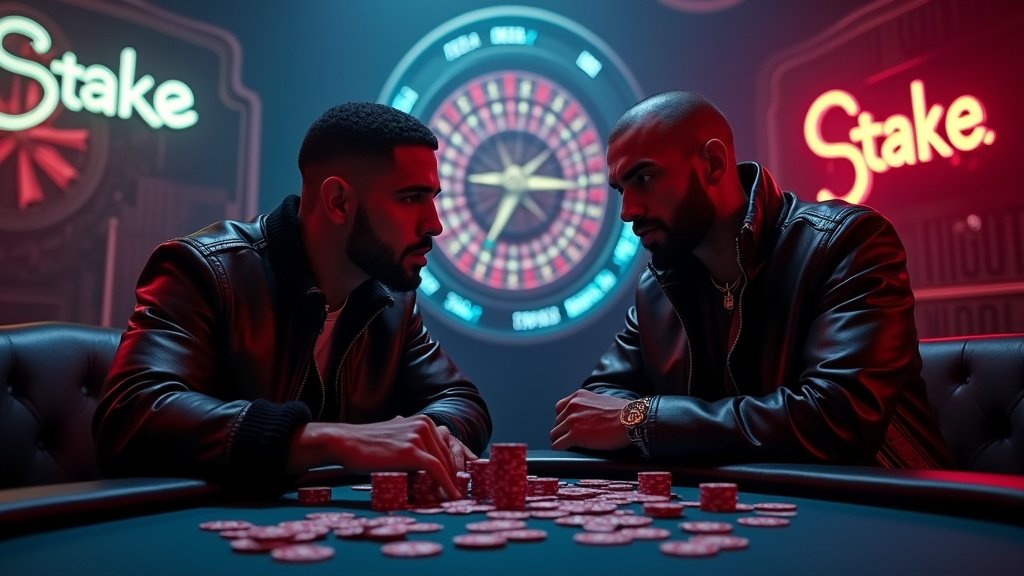
A major class-action lawsuit has been filed, directly naming global music superstar Drake, prominent streamer Adin Ross, and the online casino and sports betting platform Stake, in connection with the Drake Adin Ross Lawsuit, accusing them of promoting illegal online gambling through deceptive and fraudulent practices. The suit, filed on October 27 in Jackson County Circuit Court in Missouri, alleges that the defendants misled consumers, particularly vulnerable young audiences, by disguising Stake’s operations as a harmless social casino while facilitating real-money gambling. This Drake Adin Ross Lawsuit brings significant attention to influencer marketing practices within the gambling sphere.
Core Allegations of the Drake Adin Ross Lawsuit
The lawsuit, brought forth by Missouri resident Justin Killham, claims that Drake and Adin Ross, who are paid millions annually to promote Stake.com, engaged in “deceptive, fraudulent and unfair” practices that violate Missouri gambling law. A central accusation is that the celebrities misrepresented their gambling activities on livestreams, leading viewers to believe they were wagering their own money. In reality, the suit alleges, the funds used for these high-stakes demonstrations were often provided by Stake itself, creating a false impression of personal risk and glamorizing online betting. Plaintiff Justin Killham states he lost money on Stake.us as a direct result of these alleged “wrongful trade practices” related to the Drake Adin Ross Lawsuit.
Stake.us: A “Virtual Clone” of Stake.com
The legal action specifically targets Stake.us, described in the complaint as a “virtual clone” of Stake.com, which was allegedly rebranded to deceive Missouri regulators and consumers into believing it offered harmless gameplay rather than an unlawful gambling platform. Stake.us employs a dual-currency system, using “gold coins” for entertainment alongside “Stake Cash” tokens. The lawsuit argues that these “Stake Cash” tokens can be wagered on casino-style games and redeemed for real money, clearly functioning as a vehicle for real-money gambling, hidden behind a “superficial disguise of social gaming.” This model has drawn scrutiny nationwide, with California recently outlawing it, highlighting the broader issues surrounding Adin Ross gambling. This Drake Adin Ross Lawsuit is a prime example of these concerns.
The Role of Drake and Adin Ross in the Drake Adin Ross Lawsuit
Drake, a global hip-hop icon, and Adin Ross, a well-known streamer, are central figures in the Drake Adin Ross Lawsuit due to their lucrative promotional partnerships with Stake. The suit alleges that Stake pays them millions of dollars annually to promote its services through livestreams and social media posts. Killham’s complaint contends that Drake’s role as an “unofficial mascot” for Stake has “glamorized gambling to millions of impressionable fans,” many of whom treat his betting habits as authoritative. The marketing strategy, particularly through these influencers, is accused of targeting younger audiences and those susceptible to gambling addiction, exposing Missouri consumers to potential “financial ruin, psychological distress, and gambling addiction.” The Drake Adin Ross Lawsuit aims to hold them accountable.
Background and Broader Context of the Drake Adin Ross Lawsuit
Stake.com, founded in 2017 by Edward Craven and Bijan Tehrani, operates from Curaçao and is known for its aggressive marketing, including sponsorships of sports teams and partnerships with high-profile celebrities. The platform facilitates gambling using cryptocurrency, a method that has raised regulatory concerns in various jurisdictions. The current lawsuit is not the first legal challenge for Stake.us; the platform has faced similar lawsuits in other states, including Alabama and Illinois, with each claiming the “social casino” model functions as illegal online gambling via redeemable tokens. In August, Drake himself had a public falling out with Stake, accusing the company of blocking withdrawals and closing his account on Kick, a streaming service owned by Stake’s co-founders. This incident adds a layer of complexity to Drake’s ongoing relationship with the platform, and its connection to the Drake Adin Ross Lawsuit is undeniable. This is a significant Drake gambling lawsuit.
Separately, Drake’s recent legal battle against Universal Music Group over Kendrick Lamar’s diss track “Not Like Us” was dismissed by a federal judge in early October 2025. The judge ruled that the lyrics constituted non-actionable opinion within the context of a rap battle, and Drake’s legal team has stated their intent to appeal this decision. This prior dismissal does not appear to directly impact the current Drake Adin Ross Lawsuit concerning Stake and illegal online gambling.
Implications and Future Outlook of the Drake Adin Ross Lawsuit
This class-action lawsuit could have significant implications for influencer-backed gambling promotions and the broader online gaming industry. It challenges the distinction between free play and real-money gambling, particularly when promoted by celebrities, and is a key focus of the Drake Adin Ross Lawsuit. Legal experts suggest that the case could set a precedent for how platforms and facilitators of sweepstakes casinos are held liable. Neither Drake, Adin Ross, nor Stake have publicly commented on the Drake Adin Ross Lawsuit at this time. The outcome will likely hinge on the court’s interpretation of Stake.us’s dual-currency system and the extent to which the defendants’ promotions are deemed deceptive under Missouri gambling law. The lawsuit seeks damages, restitution, and an injunction to halt Stake’s operations in Missouri, demanding accountability for alleged gambling losses suffered by class members. The case is one of the first state-level consumer actions to directly name Drake and Adin Ross as co-defendants in the context of illegal gambling activities, and it could pave the way for similar challenges across other U.S. states where Stake.us operates, making the Drake Adin Ross Lawsuit a landmark case.