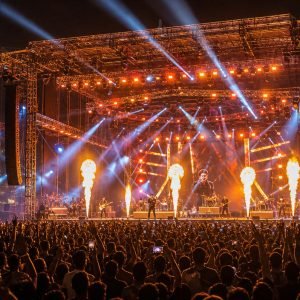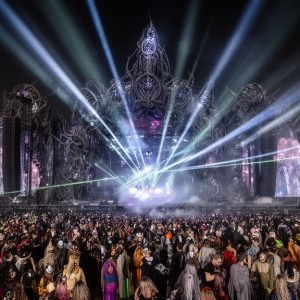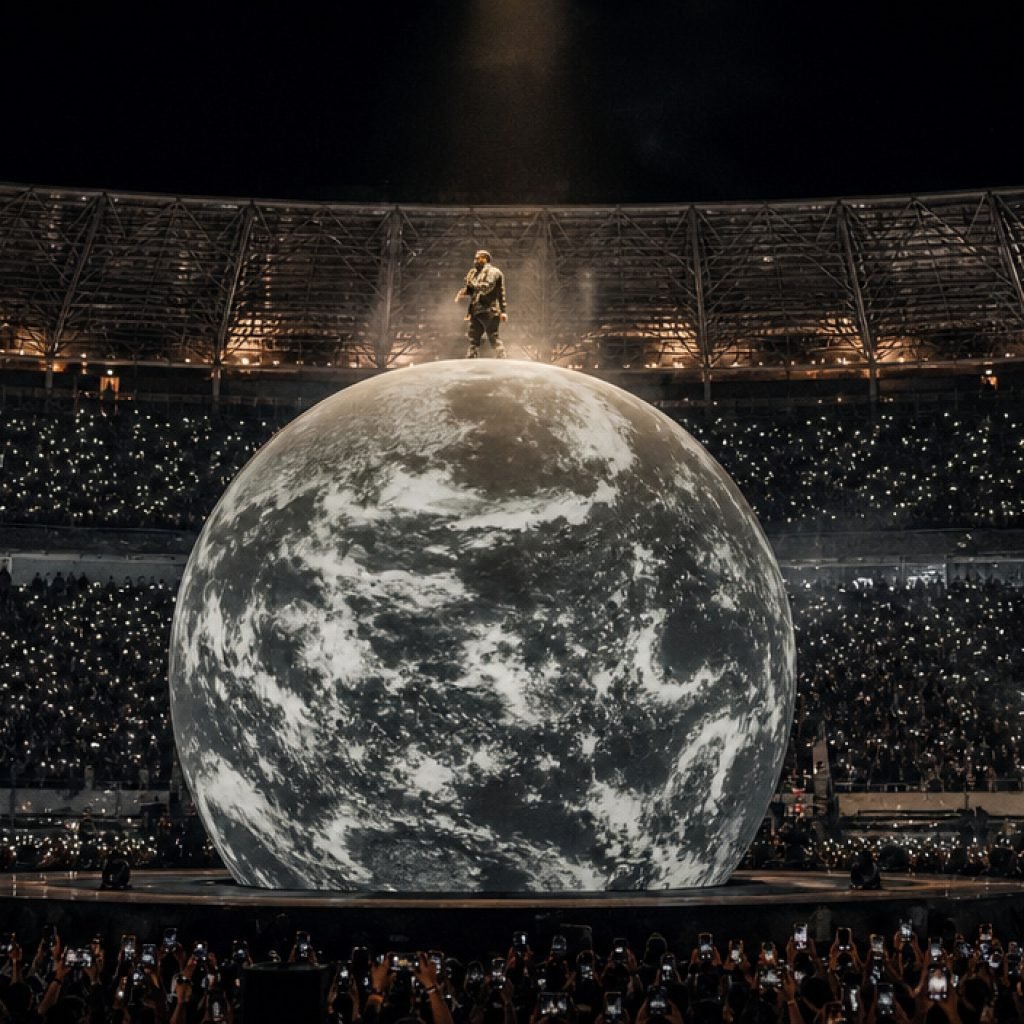
The intersection of urban culture and residential tranquility has reached a boiling point in Dallas, Texas. Following the Breakaway Music Festival at Fair Park, held on April 10 and 11, 2026, the city found itself at the center of a noise pollution crisis that resonated miles beyond the venue’s borders. The event, while successful in attendance and energy, triggered a wave of complaints from residents in East Dallas and Lakewood, who reported that the music was so loud it rattled walls and interrupted lives well into the night. This friction between a landmark entertainment venue and the surrounding community has forced city officials to move rapidly, instituting a suite of new, rigorous protocols that could serve as a model for cities balancing the demands of event-driven tourism with the preservation of residential peace.
Key Highlights
- The Catalyst: The Breakaway Music Festival featured a temporary stage setup that lacked the acoustic dampening of permanent structures, leading to sound travel across miles due to specific stage orientation and low cloud cover.
- Immediate Regulatory Response: The Dallas Park and Recreation Department and City Council implemented new mandates requiring all future event stages at Fair Park to face inward, utilizing the Cotton Bowl and Coliseum to mitigate sound projection.
- Accountability Measures: New protocols now demand real-time decibel monitoring, the presence of code enforcement at live events, and the introduction of strict fines for operators who breach noise limits.
- Balancing Act: The crisis highlights the delicate challenge Dallas faces in maintaining Fair Park as a premier cultural hub while safeguarding the quality of life for long-term residents in historic neighborhoods.
The Anatomy of the Fair Park Acoustic Crisis
The controversy surrounding the Breakaway Music Festival was not merely a case of “too loud.” It was a perfect storm of environmental factors and suboptimal infrastructure planning. The core of the issue lay in the placement of the festival’s temporary stages. Unlike the permanent, purpose-built Dos Equis Pavilion—which is engineered to contain sound—the temporary setup for Breakaway was oriented toward open space, devoid of barriers or acoustic deflection structures.
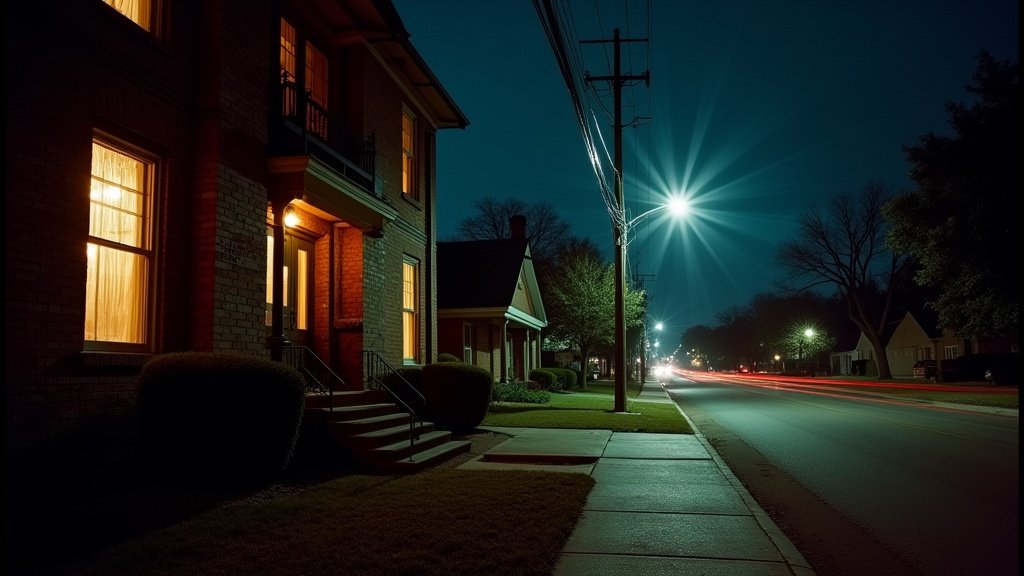
When sound waves are left unchecked in an open-air environment, they behave in unpredictable ways. This effect was compounded by specific meteorological conditions on the nights of April 10 and 11. Low cloud cover acted as an acoustic ceiling, effectively trapping the low-frequency bass and sound waves and reflecting them back toward the ground. This atmospheric phenomenon allowed the vibration of the festival to bypass the immediate vicinity and travel directly into quiet residential areas in East Dallas, miles away from the park. For many residents, the experience was disorienting; they could feel the, ‘thump’ of the bass through their floors and walls, leading many to initially suspect that the noise was originating from a neighbor’s property rather than a major venue several miles away.
The Shift from Reactive to Proactive Policy
The outcry was swift and organized, with residents flooding social media and local government channels with accounts of the disruption. Dallas City Council member Adam Bazaldua, who represents the Fair Park district, and the Dallas Park and Recreation Department, led by Director John Jenkins, were quick to acknowledge the failures.
What makes this response notable is the speed at which policy shifted from explanation to enforcement. Rather than offering platitudes, the city introduced structural mandates. The most critical directive is that future stages in Fair Park will no longer be permitted to face outward. They must be oriented inward toward the park’s interior, leveraging existing, massive masonry structures like the Cotton Bowl and the Fair Park Coliseum to serve as natural sound barriers. This architectural approach to noise management—using the built environment to do the heavy lifting—is a standard that urban planners have long advocated but is frequently overlooked in favor of maximizing festival grounds footprint.
The Economic and Cultural Tension
Critics of the ‘live and let live’ attitude often point to the economic necessity of these events. Fair Park is a cornerstone of Dallas culture and tourism, generating significant revenue for the city. Festivals like Breakaway bring visitors, boost local business, and establish Dallas as a destination for contemporary music. However, this crisis has forced a re-evaluation of the ‘cost of doing business.’
If the city allows event organizers to maximize profits at the expense of residential livability, it risks eroding the community support necessary for Fair Park’s long-term sustainability. The new protocols represent a pivot toward a more ‘neighbor-centric’ operational philosophy. By requiring decibel limits tied to contractual fines, the city is signaling that the right to host an event does not supersede the right of a resident to inhabit their home without artificial disruption. This creates a more transparent framework: event organizers now know that their permit is contingent upon acoustic discipline. If they exceed thresholds, the financial penalties will be steep, creating a strong market incentive to invest in better sound engineering and stage placement technology.
Future Implications for Event Management
As Dallas prepares for major international events, including the upcoming FIFA World Cup Fan Fest, the lessons from the Breakaway noise controversy are timely. The city has proven that it can pivot quickly when confronted with evidence of failure. The challenge, however, will be consistency.
Fair Park is an aging, complex campus. Unlike a modern, purpose-built stadium, it requires a surgical approach to sound management. Each event organizer must now be treated as a guest who must adhere to the house rules of the surrounding neighborhood. This means that for every concert, there must be a ‘sound plan’ submitted and approved, similar to how traffic plans are submitted for public events. Code enforcement officials are now empowered to monitor these levels in real-time, essentially acting as the referee for the volume levels. This is a significant evolution for municipal management of public-private partnerships in entertainment. It transforms the relationship between the city, the vendor, and the neighbor from one of conflict to one of managed cooperation. If successfully executed, this could reduce the frequency of noise complaints, improve relations between Fair Park and the neighborhoods, and potentially serve as a template for other major cities struggling with the encroachment of urban residential development on legacy entertainment venues.
FAQ: People Also Ask
Why was the music at Fair Park heard miles away in East Dallas?
The combination of the stage facing open land rather than structures, and the presence of low cloud cover, allowed sound waves to travel much further than normal, effectively trapping and reflecting the bass frequencies deep into residential neighborhoods.
What are the new rules for concerts at Fair Park?
New protocols mandate that stages must be oriented toward the interior of the park to use structures like the Cotton Bowl for sound absorption. Additionally, all events now require real-time decibel monitoring, adherence to strict city noise codes, and code enforcement presence to ensure compliance, with fines established for violations.
How will this impact future large-scale events at Fair Park?
Organizers will now face more stringent permitting processes, including the mandatory submission of acoustic mitigation plans. With the upcoming FIFA World Cup Fan Fest, city officials are already coordinating at higher levels to ensure that crowd control and noise do not disrupt neighboring communities.
Is this the end of loud music festivals in Dallas?
No. City officials, including Park and Recreation leadership, have stated that live music is a valuable cultural asset. The goal is not to eliminate events, but to regulate them so that they can coexist with the residential areas that surround the historic park.