In the landscape of 2026’s independent music scene, few releases have managed to bridge the gap between abstract academic concepts and the visceral urgency of street-level groove quite like Wes Carroll’s latest EP, The Capitalocene. Released under the moniker Wes Carroll Confabulation, this four-track collection is not merely an exercise in musical fusion but a pointed, lyrical interrogation of the systems defining our current epoch. Carroll, a fixture of the Victoria music scene and a faculty member at the Victoria Conservatory of Music, has long flirted with the intersections of jazz, hip-hop, and folk. Here, however, he seems to have arrived at a synthesis that feels both mature and dangerous.
Key Highlights
- Genre-Fluidity: The EP seamlessly blends hip-hop rhymes, modern jazz instrumentation, and roots-music textures, avoiding the pitfalls of generic crossover attempts.
- Thematic Depth: Carroll tackles the ‘Capitalocene’—the geological epoch defined by human-driven capital systems—with lyrics that balance cynicism, hope, and social responsibility.
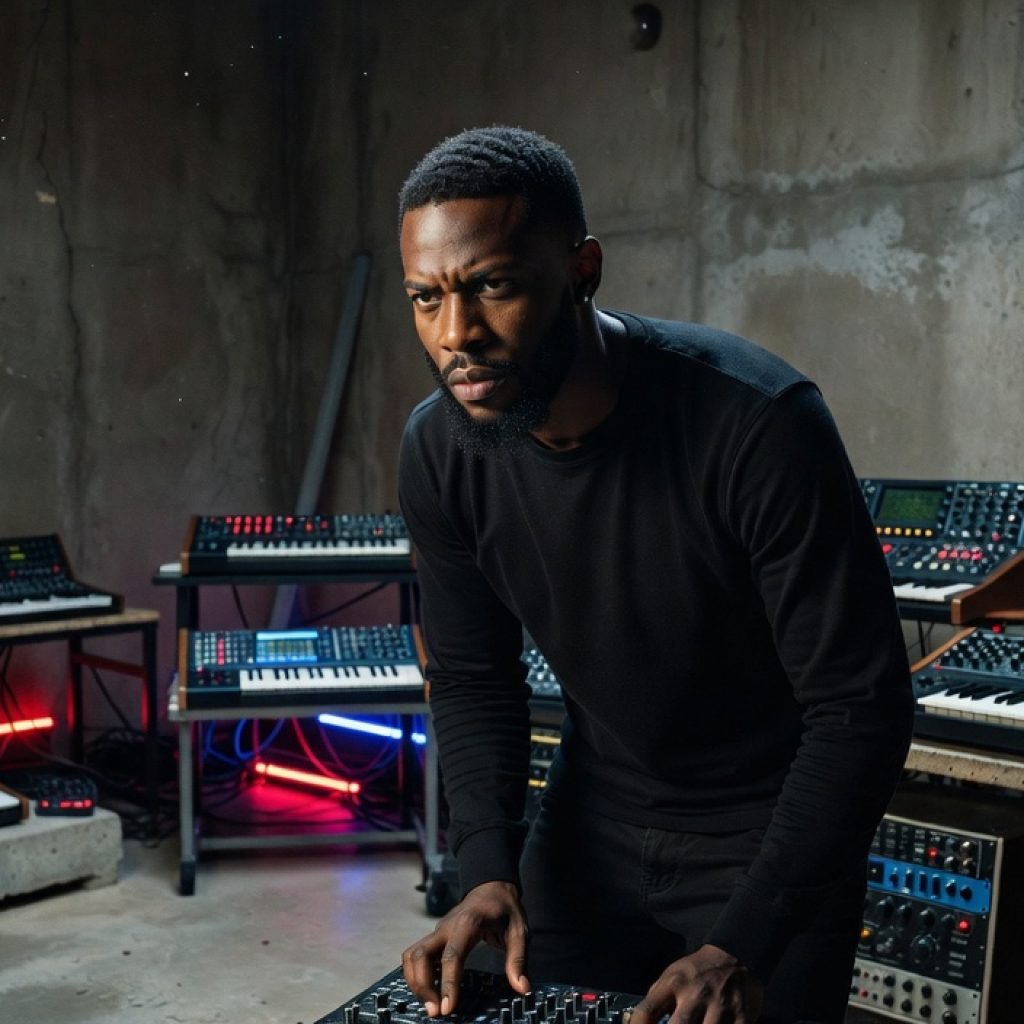
- Production Excellence: The arrangements feature distinctive elements, including vibraphones, slide guitars, and a ‘Confabulation’ rhythm section that emphasizes spontaneity and improvisational flair.
- Standout Tracks: The title track “Capitalocene” offers a shape-shifting rhythm, while “Apolitical” serves as the EP’s emotional and structural anchor, displaying high-stakes urgency.
The Sonic Architecture of Modern Anxiety
The title The Capitalocene is more than just a nod to sociological theory; it is a declaration of intent. By naming his project after the concept—which posits that the current climate crisis and environmental degradation are driven by the logic of capital accumulation—Carroll places his music in a direct conversation with the pressing crises of the 21st century. But unlike many politically charged projects that rely on didacticism, Carroll’s work relies on the feel. He understands that if you want a message to land, you must first build a groove that hooks the listener.
Where Jazz Meets Hip-Hop: The Confabulation Sound
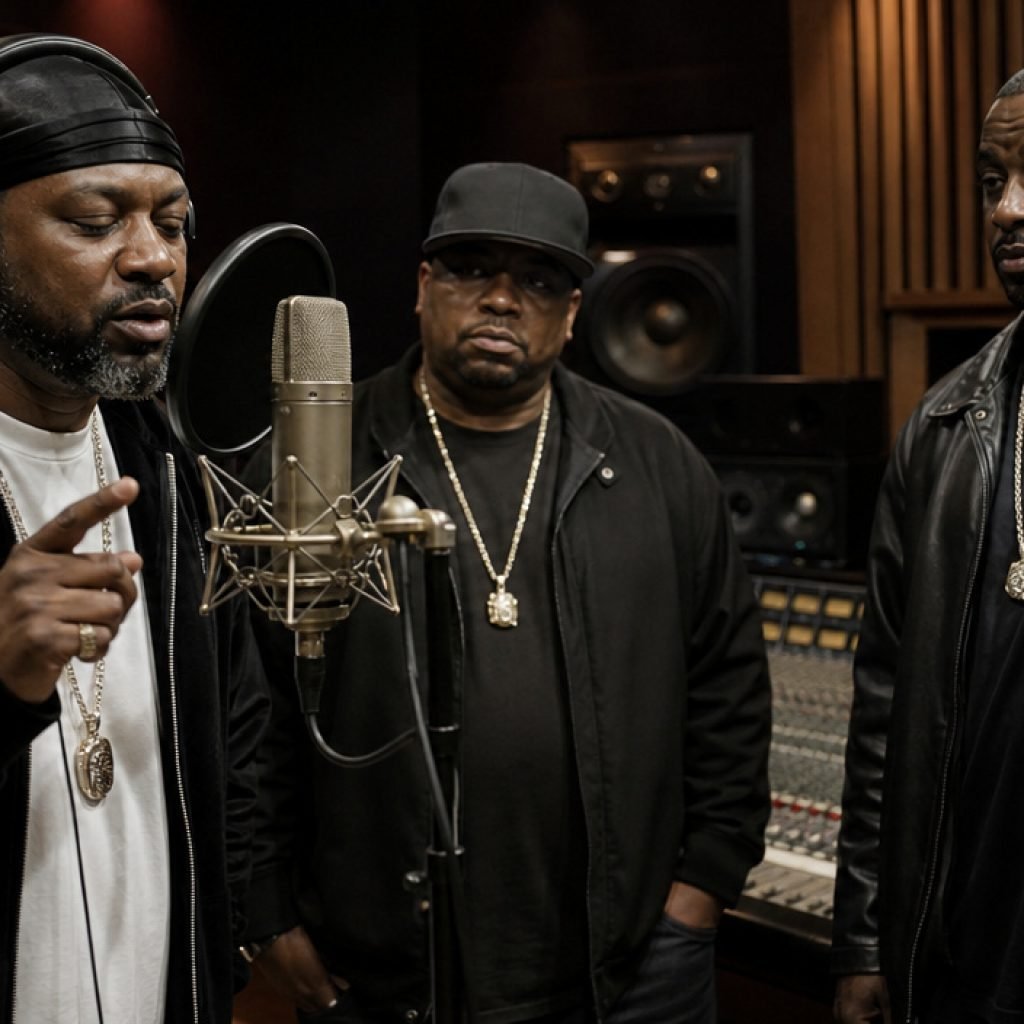
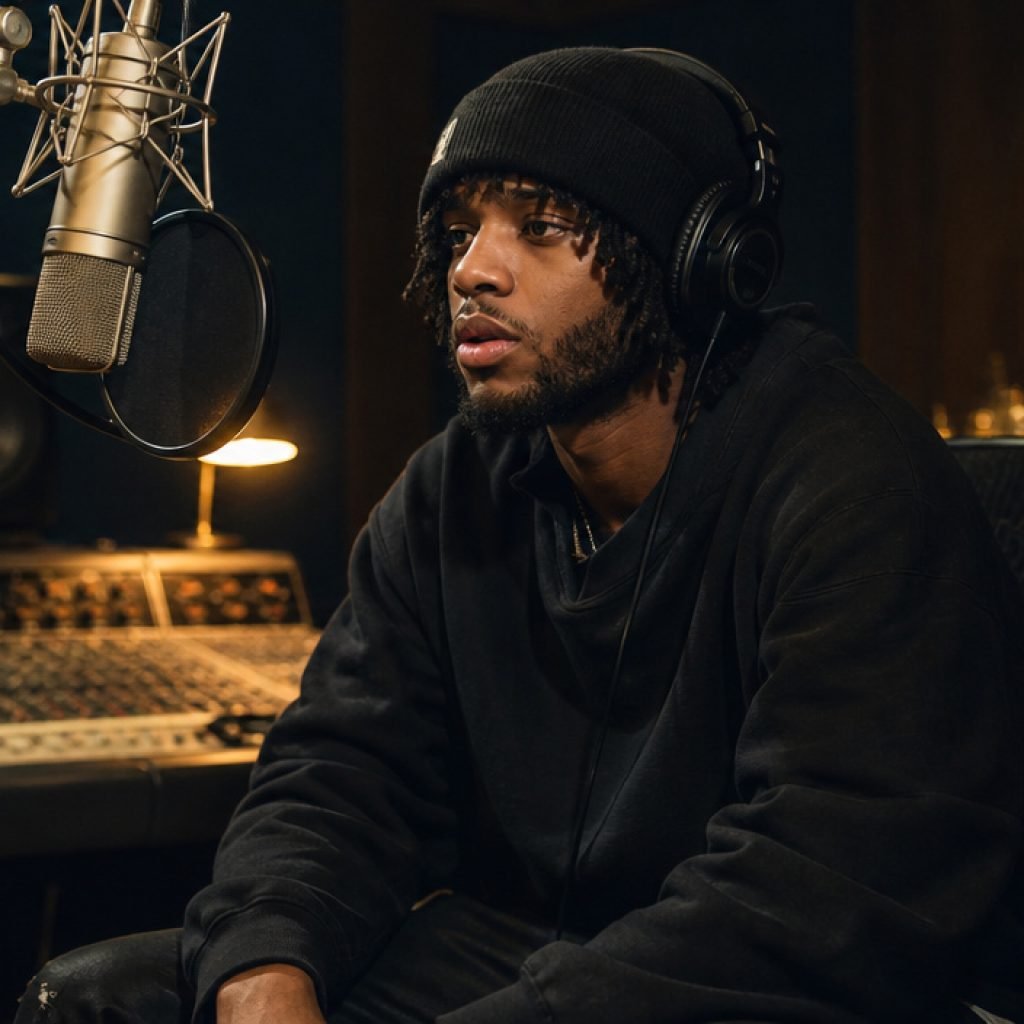
The Wes Carroll Confabulation has always functioned as a tight-knit unit, but on this EP, there is a newfound economy of sound. The musicianship here is dense yet airy, providing space for Carroll’s voice—a malleable instrument that slips effortlessly between a rap flow and soulful crooning—to occupy the center stage. The integration of vibraphones is particularly effective; they add a metallic, shimmering layer of atmosphere that cuts through the thumping basslines. This instrumentation evokes a late-night, low-lit environment, reminiscent of the underground jazz clubs where the band cut its teeth, yet the pulse is unequivocally modern, borrowing from the syncopated, lo-fi hip-hop aesthetics that have defined the current decade.
Thematic Resonance: Beyond the Protest Song
There is a unique challenge in writing ‘protest music’ in an era of digital saturation. How do you cut through the noise? Carroll’s approach is surprisingly intimate. He isn’t shouting from a podium; he’s whispering the uncomfortable truths in your ear. On tracks like “It’s Our Turn,” the focus shifts from grand geopolitical shifts to the micro-level—ancestry, personal responsibility, and the quiet act of resistance. The lyrics avoid becoming a checklist of grievances. Instead, they frame the ‘Capitalocene’ as a shared experience, a collective burden that we are all navigating in real-time. By exploring themes like the rising cost of living alongside quirky romantic detours, Carroll maintains a human connection that keeps the music grounded even when the subject matter aims for the cosmos.
Track Analysis: Controlled Chaos and Cohesion
The EP kicks off with the title track, which acts as the mission statement for the project. The song operates with a restless energy, utilizing a double-time jazz section that feels like a machine accelerating toward a precipice. It is a bold start that warns the listener they are in for a ride. The pivot to “It’s Our Turn” provides a necessary exhale, introducing folk textures that soften the edges of the EP’s overall tension. The mid-EP transition is smooth, showcasing the band’s ability to manage dynamic shifts with ease.
The real centerpiece, however, is “Apolitical.” This track is where the EP’s simmering frustration finally boils over. The production here is tighter, the rhythm section more aggressive. It is a song about untapped capacity and the danger of apathy in a system designed to encourage it. The vibraphone usage here is particularly evocative, creating a sense of instability that perfectly mirrors the lyrical frustration. The closing track, “All Aboutt,” serves as the release—a more expansive, hopeful conclusion that suggests, even within the constraints of the Capitalocene, there is room for human connection.
The Future of Conscious Jazz
What sets this EP apart from the sea of independent releases is its commitment to craftsmanship. Carroll’s pedigree—his Master’s degree in jazz performance and his work at the Victoria Conservatory—is evident in the harmonic complexity of the arrangements. He treats his compositions like living organisms, allowing them to breathe and evolve. This is not ‘background music.’ It demands active listening. As the industry continues to fracture into niche micro-genres, projects like The Capitalocene prove that there is still a vital space for music that is both technically sophisticated and culturally resonant.
FAQ: People Also Ask
What is ‘The Capitalocene’ referring to in Wes Carroll’s music?
‘The Capitalocene’ is a term used by environmental historians and sociologists to describe the current geological epoch where human activity—specifically capitalist economic systems—is the dominant force impacting the Earth’s systems and climate. Wes Carroll uses this as a thematic lens to explore modern existence, inequality, and resistance.
How does this EP differ from previous Wes Carroll Confabulation albums?
While previous albums like ‘Helium’ leaned heavily into expressive pop and jazz-fusion, The Capitalocene EP moves into darker, more experimental territory. It introduces more ambient slide guitar, sharper hip-hop-influenced lyrical flow, and a more focused thematic narrative centered on social and systemic critiques.
Where can I listen to Wes Carroll’s latest project?
The Capitalocene is available on major streaming platforms. Fans are also encouraged to check out the band’s live performances and residency updates via their official website, as the band is known for its improvisational approach to their studio recordings.
What is the ‘Confabulation’ element in the band name?
The name refers to the collective group of musicians that join Carroll on stage and in the studio. It emphasizes the band’s focus on spontaneity and the ‘confabulation’ of musical styles—essentially, a conversation between different genres and influences.