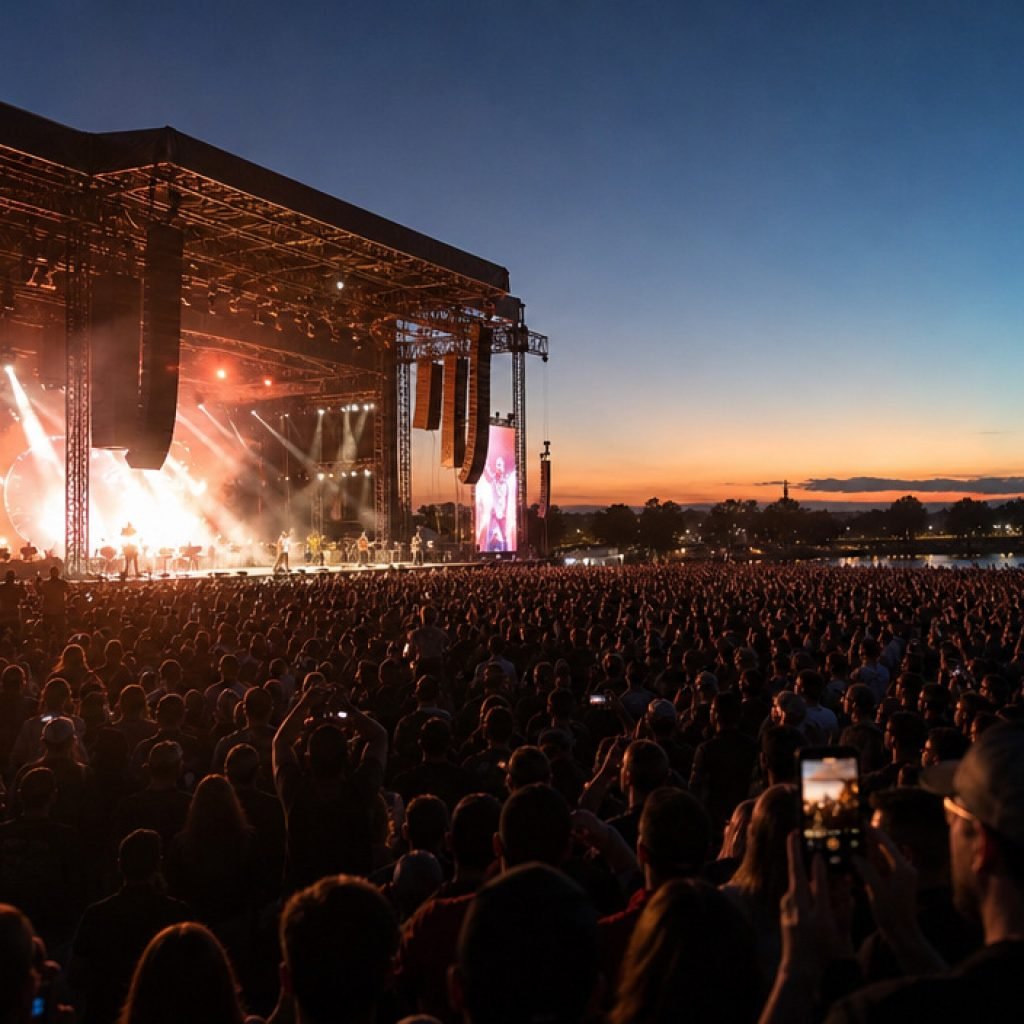
The National Hip-Hop Museum is set to mark the 53rd Birthday of Hip Hop with a monumental event in Baltimore on August 9, 2026. This celebration serves as a vital bridge between the genre’s origins in 1973 and its status as a global cultural juggernaut in 2026. By bringing together foundational pioneers and contemporary artists, the museum aims to contextualize the artistic evolution of the culture for a new generation while honoring the architects of the sound. The event is scheduled to feature a curated mix of live performances, educational panels, and interactive segments, highlighting the genre’s enduring impact on music, language, and fashion.
Key Highlights
- Event Date and Location: The National Hip-Hop Museum hosts the celebration on August 9, 2026, in Baltimore, Maryland.
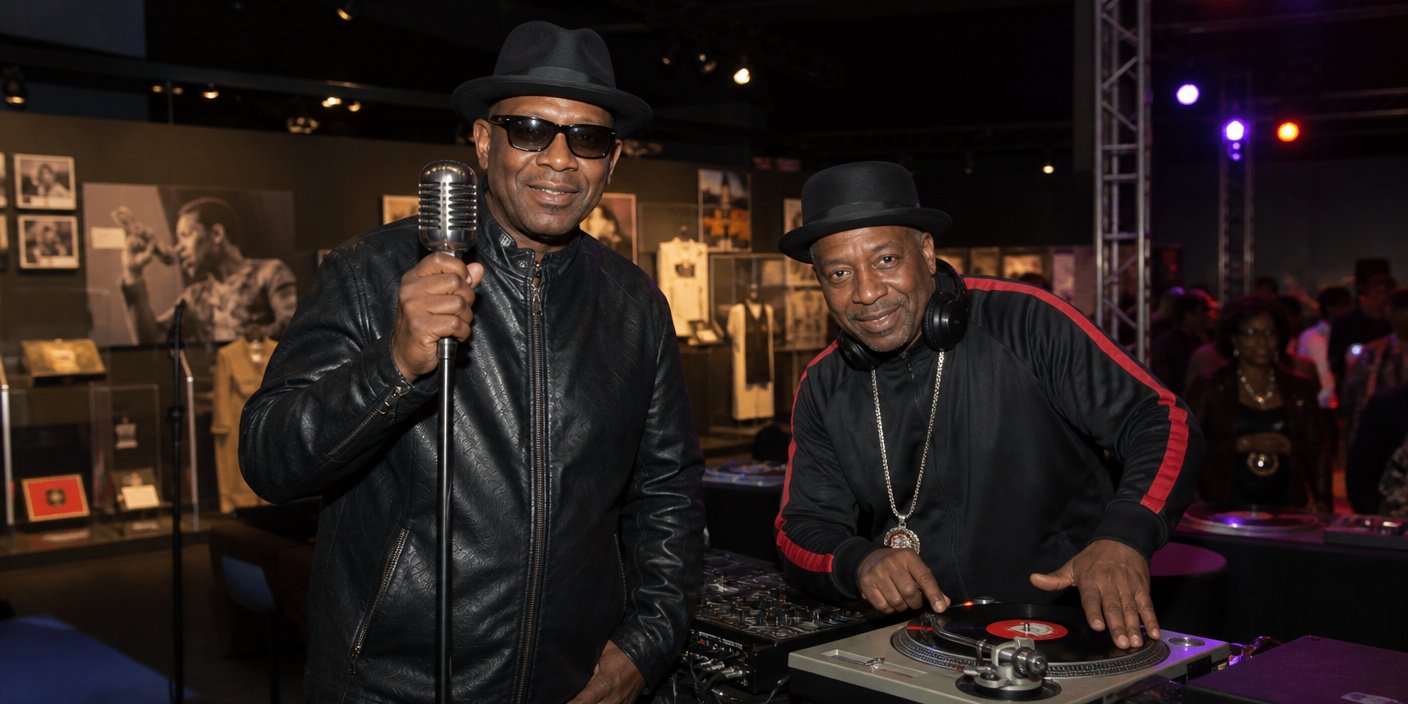
- Legendary Guests: The lineup includes seminal figures such as Master Gee of The Sugar Hill Gang and the innovator Grand Wizard Theodore.
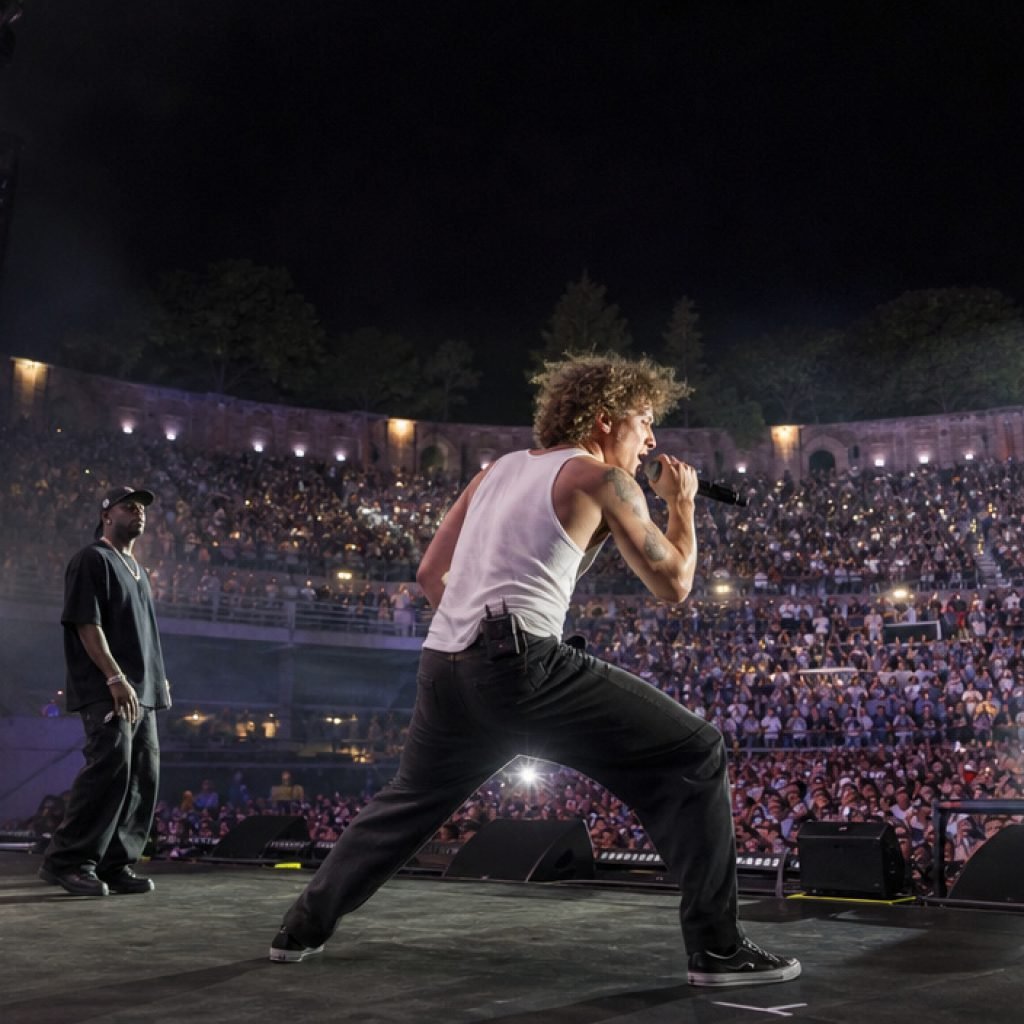
- Live Programming: The event will feature a live podcast, intimate book signings, and a highly anticipated performance by the hip-hop group INI.
- Cultural Impact: A comprehensive look at the 1973–2026 timeline, emphasizing preservation and the transition from street-level movement to institutionalized art form.
Honoring the Roots: The 53rd Birthday of Hip Hop
The 53rd anniversary of Hip Hop is not merely a birthday; it is an academic and cultural reckoning. In an era where digital consumption often obscures the roots of musical innovation, the National Hip-Hop Museum’s decision to convene in Baltimore underscores the necessity of physical spaces for cultural preservation. Since its inception in 1973, often traced back to Clive “DJ Kool Herc” Campbell’s back-to-school jam at 1520 Sedgwick Avenue, Hip Hop has mutated into the dominant cultural force of the modern age. The 2026 event seeks to dissect this trajectory, looking back at over five decades of lyrical complexity, production innovation, and social commentary.
The Architects of the Sound: Master Gee and Grand Wizard Theodore
Central to the narrative of the Baltimore celebration are the invited guests, whose contributions are inextricably linked to the commercial and stylistic development of the genre. Master Gee, a pivotal member of The Sugar Hill Gang, brings the weight of early recorded Hip Hop history. His role in “Rapper’s Delight”—the first Hip Hop single to achieve mainstream commercial success—cannot be overstated. He serves as a living testament to the moment Hip Hop transitioned from an oral, performance-based tradition to a recorded industry.
Equally significant is the presence of Grand Wizard Theodore. Credited with the invention of the “scratch” technique, Theodore represents the technical brilliance required at the genesis of the culture. His presence at the museum’s event is a masterclass for attendees, offering a rare glimpse into the tactile science of turntablism before the advent of digital production. The inclusion of INI, a group deeply associated with the high-fidelity soundscapes of producer Pete Rock, provides a stylistic counterpoint, representing the golden era of lyricism that flourished decades after Theodore’s initial breakthroughs.
Baltimore: An Emergent Hub for Cultural Discourse
Selecting Baltimore as the host city for this anniversary is a strategic move that reflects the shifting geography of Hip Hop discourse. While New York City remains the undisputed cradle of the movement, the National Hip-Hop Museum’s outreach acknowledges that the culture is no longer confined to the boroughs of its birth. Baltimore, with its rich, often gritty, and profoundly influential musical heritage, provides an appropriate backdrop for this dialogue. The city’s history of soul, R&B, and local Hip Hop production offers a resonant frequency for the museum’s mission to foster regional conversations that elevate the broader national understanding of the art form.
Institutional Preservation in the Digital Age
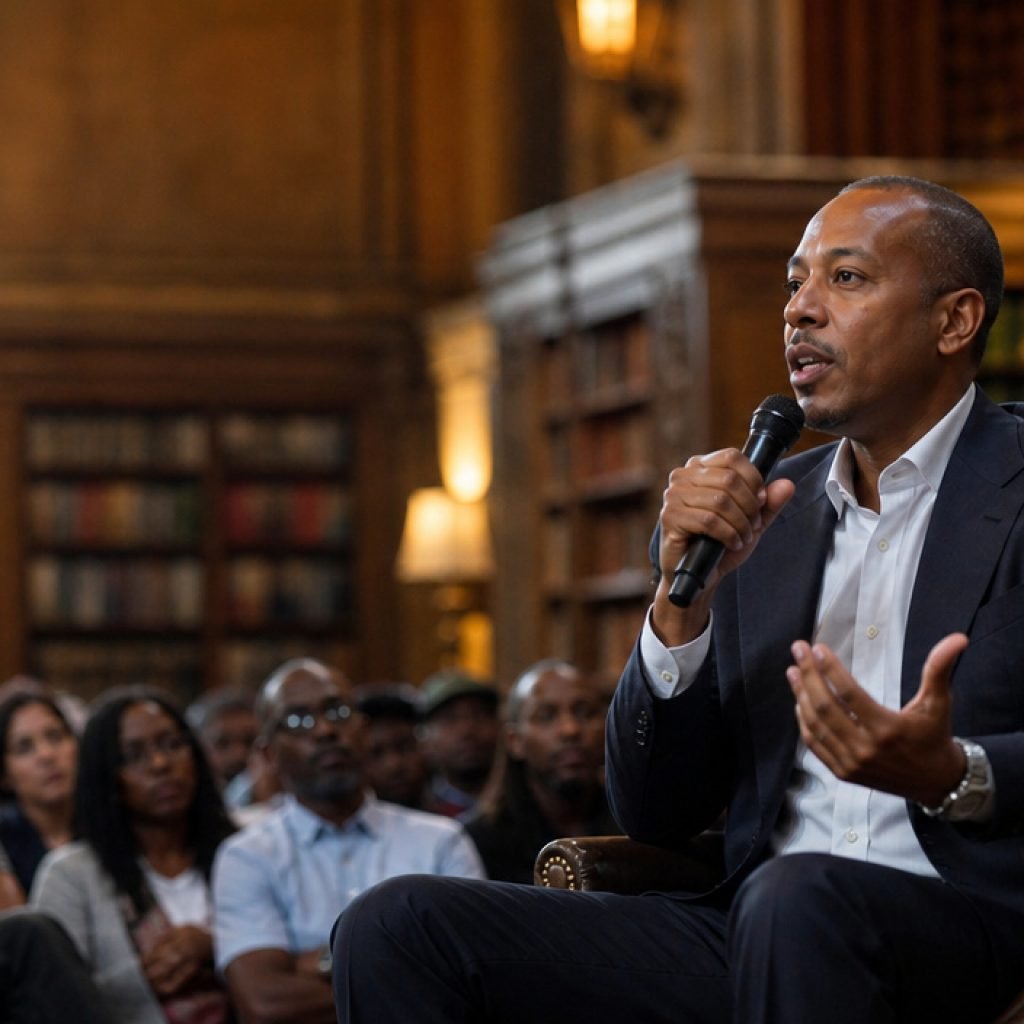
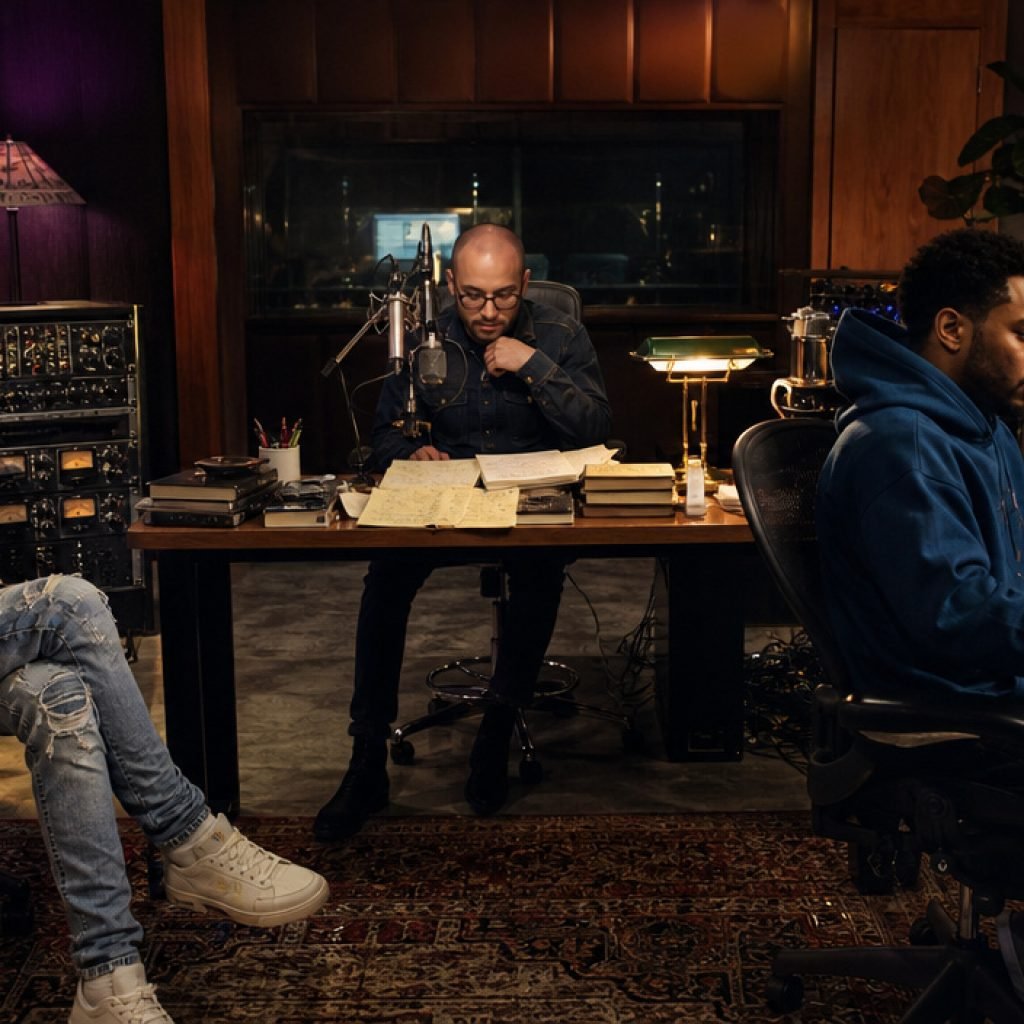
The event is structured around more than just music; it incorporates a live podcast and book signings, signaling a shift toward the “museumification” of Hip Hop. As we move further from 1973, the role of archives becomes critical. The National Hip-Hop Museum operates as a repository for the ephemera—the flyers, the vinyl, the clothes—that otherwise vanish. By facilitating book signings and live podcasts, the museum transforms the 53rd-anniversary celebration into a lecture hall, ensuring that the oral histories of pioneers like Master Gee and Grand Wizard Theodore are formally cataloged, recorded, and preserved for future researchers.
This approach counters the transient nature of modern music consumption. By placing Hip Hop in a museum context, the organizers are asserting that the genre requires the same level of intellectual rigor as jazz, classical, or rock music. The inclusion of INI in the performance roster is particularly telling here; they represent the preservation of the craft, keeping the boom-bap aesthetic alive as a valid, artistic pursuit in the face of evolving trends.
FAQ: People Also Ask
Q: What is the significance of the 53rd anniversary?
A: The 53rd anniversary marks a specific institutional milestone, highlighting the survival and growth of the culture from its 1973 origins through 2026, allowing the National Hip-Hop Museum to curate reflections on over half a century of artistic evolution.
Q: Who are the key figures appearing at the event?
A: The event features Master Gee (from The Sugar Hill Gang), known for early commercial success, and Grand Wizard Theodore, the inventor of the scratch technique, alongside a performance by the group INI.
Q: Why is the National Hip-Hop Museum holding this event in Baltimore?
A: Hosting the event in Baltimore decentralizes the conversation, acknowledging that Hip Hop is a national and global movement that requires active engagement in diverse cultural hubs beyond its birthplace.
Q: What can attendees expect beyond live music?
A: Beyond the live performance by INI, the event includes intellectual programming such as a live podcast recording and book signings, fostering an environment of education and historical preservation.