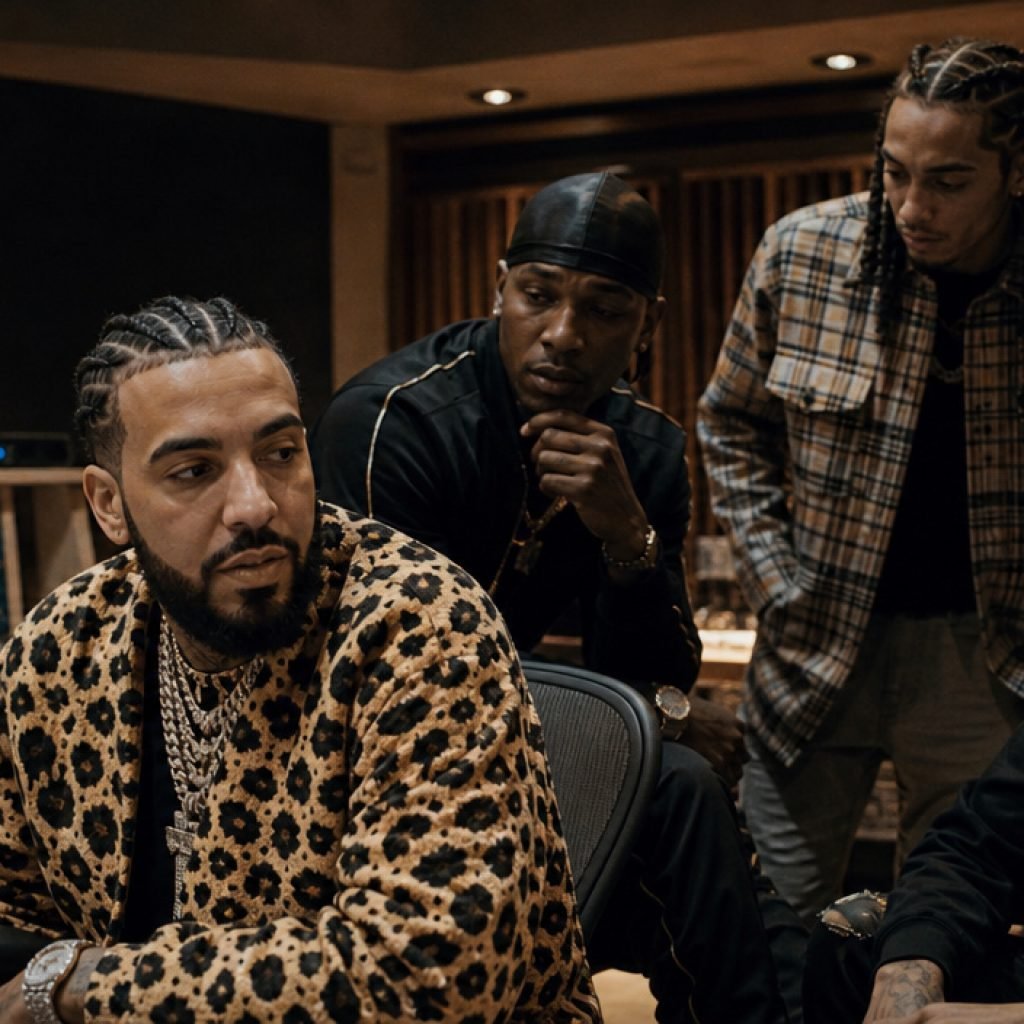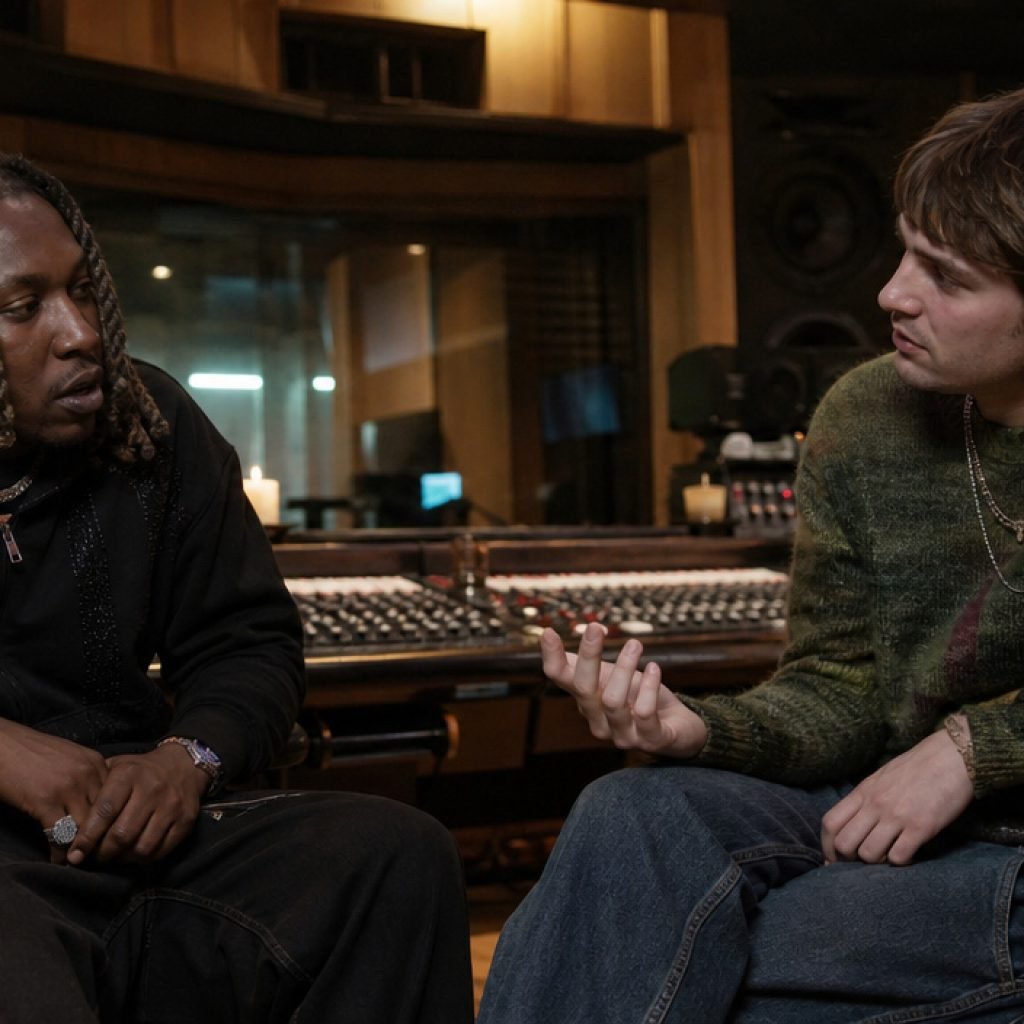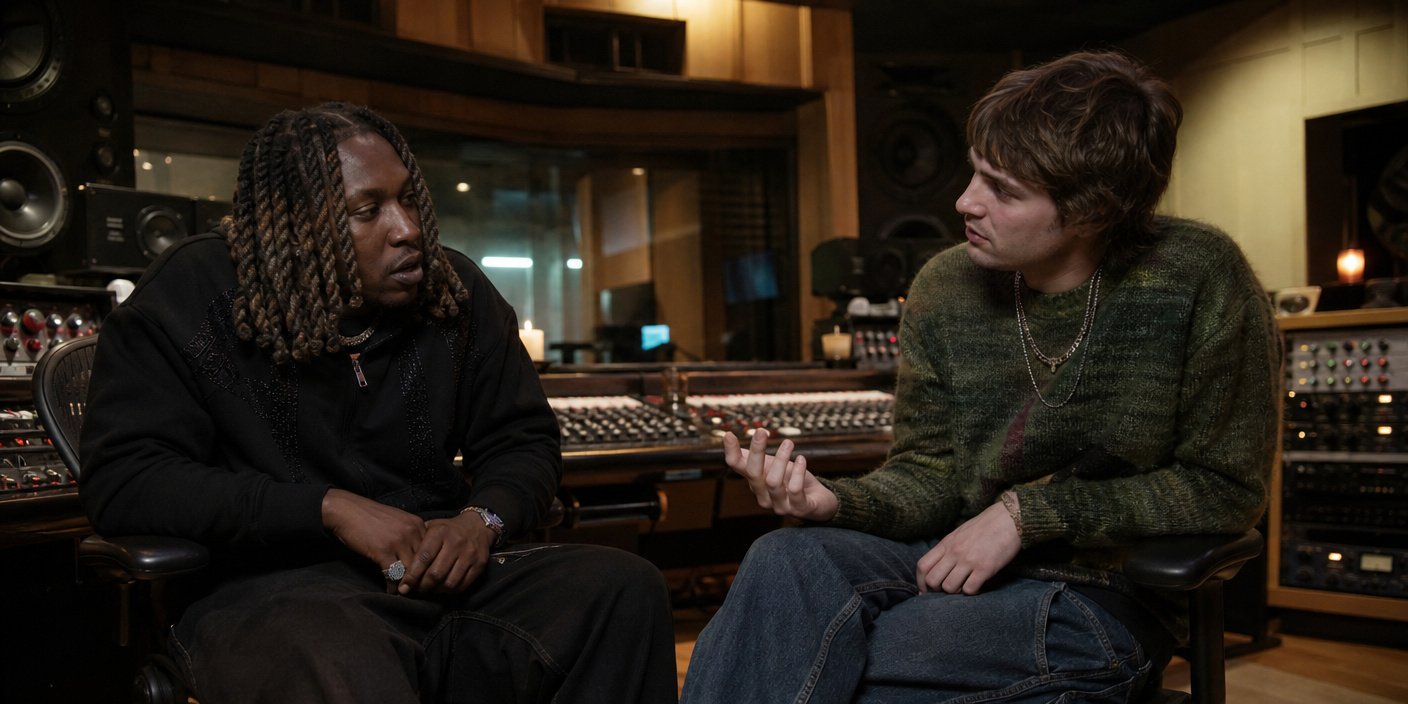
In an era where a 15-second soundbite can dictate a career’s trajectory, Don Toliver and Malcolm Todd stand as two distinct testaments to the modern musician’s struggle for relevance. In a recent, wide-ranging interview with Rolling Stone, the hip-hop powerhouse and the alternative/indie breakout star converge on a singular, pressing concern: how to preserve artistic integrity while navigating the relentless, unforgiving machinery of digital virality. This dialogue provides a rare, grounded look at the dichotomy between the industry veteran—Toliver, a Cactus Jack Records standout—and the new-guard indie artist, Todd, illustrating that whether one is headlining festivals or building a grassroots following, the psychological tax of the algorithm remains an inescapable constant.
Key Highlights
- The Virality Paradox: Both artists emphasize that while digital platforms act as necessary distribution channels, they threaten to reduce complex musical compositions into fleeting background audio.
- Creative Protection: Don Toliver reflects on his journey within Travis Scott’s Cactus Jack ecosystem, highlighting the importance of high-level curation to guard against burnout.
- Indie Scalability: Malcolm Todd discusses the challenge of maintaining authentic bedroom-pop roots while transitioning to larger stages and broader expectations.
- Art vs. Content: A shared consensus that the music industry now demands artists act as ‘content creators’ first, a shift that both artists are actively navigating to maintain longevity.
The Digital Echo Chamber: Navigating Fame and Authenticity
For the modern recording artist, the definition of ‘success’ has undergone a seismic shift. The traditional path of long-term development has been largely replaced by the rapid, chaotic volatility of viral moments. In the recent Rolling Stone feature, Don Toliver and Malcolm Todd provide a masterclass in contrasting perspectives on this transformation. Toliver, whose distinctive melodic flow and association with the Cactus Jack imprint have established him as a cornerstone of modern hip-hop, approaches fame with a cautious eye. Having witnessed the astronomical rise of collaborators like Travis Scott, Toliver understands that visibility is a double-edged sword. He notes that the pressure to constantly feed the digital machine can often starve the creative process, a sentiment that resonates deeply with the demands placed on today’s talent.
The TikTok Effect: Art vs. Content
The central tension of the interview lies in the ‘TikTok-ification’ of music production. There is an unspoken industry mandate that songs must now be engineered to ‘pop’ on social media platforms, often prioritizing hook-heavy, repetitive loops over thematic or musical depth. Malcolm Todd, representing the newer wave of indie/alternative artists, faces this dynamic from a more direct perspective. As an artist whose reach is heavily tied to organic discovery on social media, Todd describes the delicate balance required to satisfy the algorithmic appetite without diluting his artistic voice. The interview highlights a fascinating generational bridge; while their musical styles differ—Toliver’s trap-infused R&B versus Todd’s eclectic indie-pop—they are both grappling with the same question: how much of their personal identity are they willing to expose to keep the momentum going?
Don Toliver: The Cactus Jack Ecosystem
Don Toliver’s career serves as a case study in high-level brand management within music. By being part of the Cactus Jack Records collective, Toliver has managed to operate within a protective bubble. This arrangement is not merely a label affiliation; it is a strategy to control output and maintain a specific, elevated aesthetic. In the interview, Toliver discusses the discipline required to turn down the noise of fame. Even when his tracks explode on streaming platforms, he prioritizes the ‘curated rollout’—a method that values long-term reputation over short-term viral spikes. For Toliver, fame is a tool to be wielded, not a state of being to be consumed by.
Malcolm Todd: The Indie Blueprint
Conversely, Malcolm Todd’s journey highlights the pressures of rapid, indie-level acceleration. Without the insulation of a massive label infrastructure early on, Todd’s exposure is more immediate and raw. The interview touches on the anxiety of sustaining a project that caught fire organically. For Todd, the challenge is ‘scaling up’—taking the intimacy that fans connected with during his viral ascent and translating it into a sustainable, long-term career. It is an exploration of the ‘sophomore slump’ anxiety before it even begins, showcasing the high-stakes environment in which today’s young artists must operate from day one.
Protecting the Creative Core
Perhaps the most poignant part of the conversation involves their strategies for creative self-preservation. Both artists advocate for ‘digital sabbaticals’—intentional periods of silence designed to separate their personal identities from their online personas. This is not just a mental health necessity; it is a creative strategy. By retreating from the feedback loop of social media, they are able to reconnect with the core impulses that led them to create music in the first place. Whether it is Toliver refining his vocal textures in the studio or Todd experimenting with new, un-commercialized sounds in his bedroom setup, the message is clear: true longevity requires a wall between the person and the product.
FAQ: People Also Ask
1. Does the Rolling Stone feature suggest Don Toliver and Malcolm Todd will collaborate?
The interview focuses primarily on their shared philosophy regarding the music industry and fame, rather than a specific upcoming musical collaboration. However, the rapport shown between the two suggests a mutual respect for their respective creative paths.
2. How does virality impact the music production process according to the artists?
Both artists suggest that the pressure of virality forces them to be more intentional. They expressed a shared concern that ‘making music for the algorithm’ can stifle creativity, emphasizing the need to keep the actual art-making process separate from the marketing ‘content’ phase.
3. What is the main difference between their approaches to fame?
Don Toliver relies on the established structure of the Cactus Jack Records collective to curate and protect his output, whereas Malcolm Todd represents the modern indie artist who must balance organic, rapid growth with the struggle to maintain grassroots authenticity in a scaled-up environment.
4. Why is this dialogue significant to the current music industry?
It highlights the ‘mental tax’ of celebrity culture. By having a seasoned star like Toliver engage with a rising talent like Todd, the discussion exposes that no matter the level of success, the struggle to remain ‘real’ in a digital-first economy remains a constant, unifying challenge.