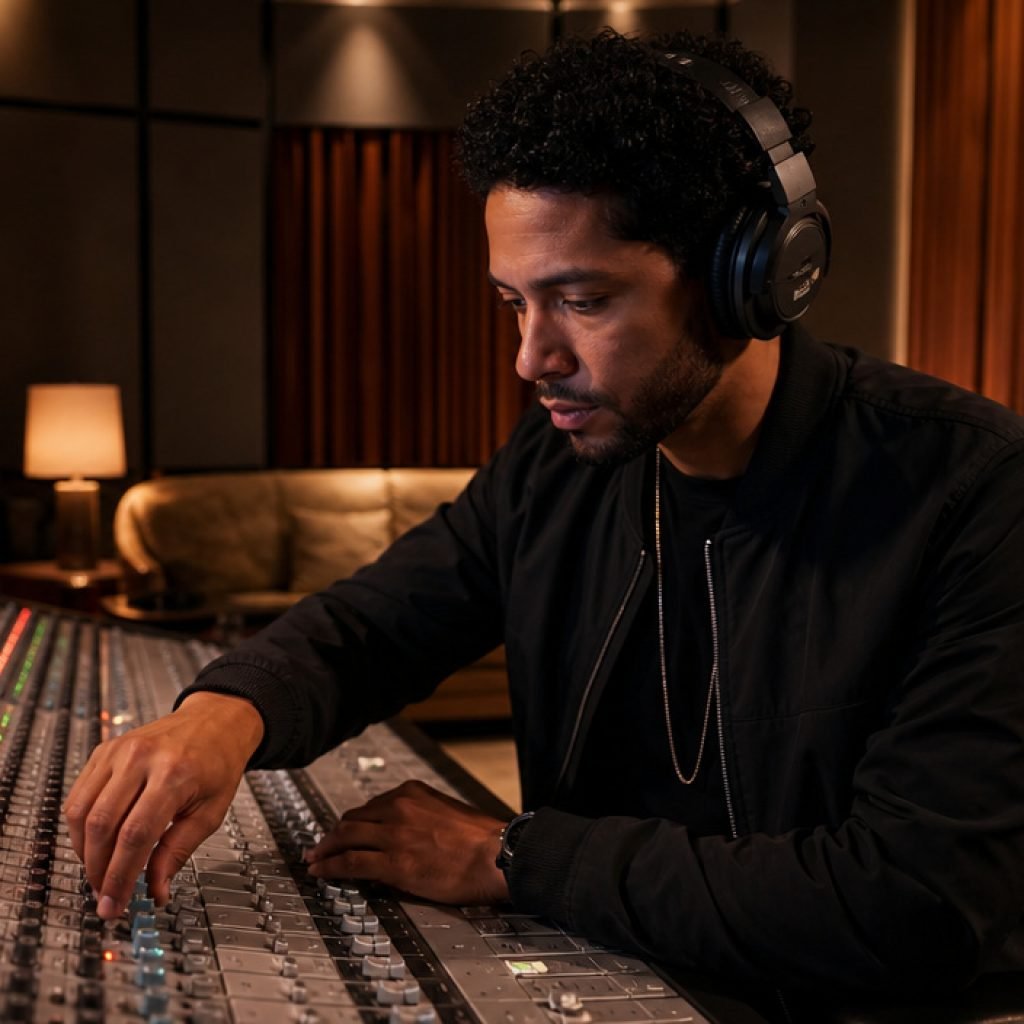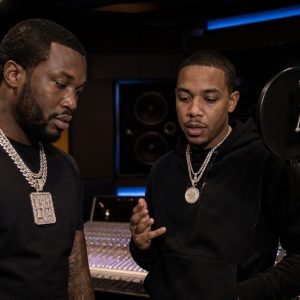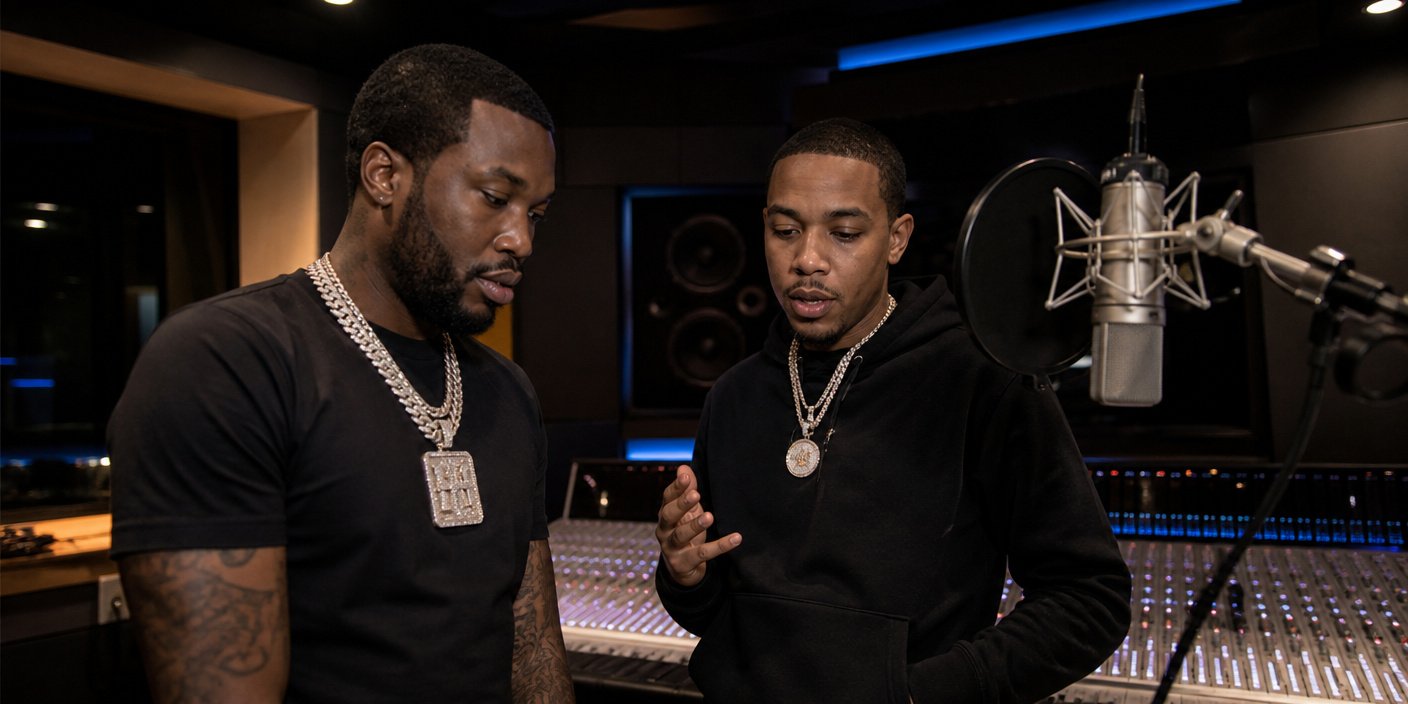
Meek Mill has officially returned to the forefront of the music conversation with his latest single, “Wanna Be Free,” featuring frequent collaborator G Herbo. The track, which has already begun to gain significant traction on streaming platforms, serves as a poignant, cinematic exploration of the journey from adversity to sustained success. By leaning into the gritty, narrative-driven style that defined both artists’ early careers, the pair delivers a composition that feels both nostalgic and distinctly modern, solidifying their positions as the preeminent voices of street-conscious hip-hop.
Key Highlights
- Dynamic Collaboration: Meek Mill and G Herbo rekindle their well-established creative chemistry, blending Meek’s relentless, high-octane delivery with G Herbo’s raw, methodical storytelling.
- Cinematic Soundscape: The production is characterized by sweeping, orchestral elements and a cinematic tempo, mirroring the gravity of the lyrical themes explored.
- Lyrical Themes: “Wanna Be Free” focuses heavily on the psychological and financial complexities of the pursuit of success, perseverance against systemic odds, and the weight of legacy.
- Strategic Release: The single marks a critical moment for Meek Mill’s ongoing artistic evolution, emphasizing quality over quantity as he continues to curate his discography through his own imprint.
The Architecture of Resilience: A Deep Dive into ‘Wanna Be Free’
In the ever-shifting landscape of modern hip-hop, where ephemeral trends often dominate the charts, Meek Mill has consistently chosen to anchor his artistry in the bedrock of authenticity. With the release of “Wanna Be Free,” the Philadelphia native demonstrates why he remains one of the most vital figures in the industry. By enlisting G Herbo, an artist who similarly built a career on the uncompromising portrayal of his reality, Meek has crafted a record that transcends the typical radio single.
The Sonic Landscape and Production Choices
The production of “Wanna Be Free” is immediately striking, characterized by an expansive, cinematic arrangement that creates a sense of space often missing in modern trap music. Unlike the frantic, beat-heavy tracks that defined the mid-2010s, this single employs a slower, more deliberate cadence. The percussion acts as a heartbeat, steady and insistent, while the melodic textures weave a tapestry of urgency and triumph. This sonic choice serves to elevate the vocal performances, ensuring that every lyric regarding the cost of ambition and the desire for true autonomy is delivered with maximum clarity.
Thematic Depth: Beyond the Hustle
Lyrically, the song navigates the complex dichotomy of “freedom.” For both Meek Mill and G Herbo, freedom is not merely the absence of incarceration or financial constraint; it is a mental state. They explore the paradox of success, where the very tools used to escape one’s environment often create new, invisible cages. This exploration of the “burden of success” is a sophisticated shift for the artists, moving away from simple braggadocio into the realm of introspective narrative. It is a dialogue between two veterans who have seen the industry change, evolved with it, and maintained their core identity through the transition.
The Philadelphia and Chicago Axis
A critical secondary angle to this release is the regional synergy between Philadelphia and Chicago. Historically, these two cities have influenced the direction of American hip-hop significantly. By joining forces, Meek and Herbo are not just collaborating; they are bridging the cultural gap between the East Coast hustle and the Drill-inspired grit of the Midwest. This collaboration underscores how regional styles have homogenized into a powerful, national dialect of struggle and achievement. The “Philly-to-Chicago” pipeline has produced some of the most enduring hits of the last decade, and “Wanna Be Free” stands as a testament to the longevity of this partnership.
Historical Context of the Collaboration
Fans of both artists will recall a string of high-profile collaborations that date back years. This history provides an essential layer of context for “Wanna Be Free.” It is not a forced studio pairing for the sake of marketing; it is a continuation of a conversation that has spanned multiple albums and projects. Their previous work often focused on the intensity of the streets, but this track suggests a maturation. It reflects the growth of two artists who have navigated legal battles, label politics, and the pressures of fame. This context enriches the listening experience, as the audience is hearing two men who have grown up in the public eye.
The Future of ‘Motivation Rap’
Finally, the track signals a potential shift in the market for “motivation rap.” In an era of digital saturation, listeners are increasingly gravitating toward songs that offer genuine substance. “Wanna Be Free” leans into the philosophy that hip-hop acts as a therapeutic vehicle for both the artist and the listener. By prioritizing the message—the need for freedom from past traumas and future pitfalls—Meek Mill and G Herbo are positioning themselves to lead a resurgence of conscious, high-stakes storytelling. The track serves as a blueprint for how legacy artists can remain relevant without sacrificing their artistic integrity or chasing the fleeting sounds of the algorithmic mainstream.
FAQ: People Also Ask
Q: What is the primary theme of the new Meek Mill and G Herbo collaboration?
A: The single, “Wanna Be Free,” focuses on themes of perseverance, the psychological journey of achieving success, and the quest for true autonomy despite systemic obstacles.
Q: Is “Wanna Be Free” part of a larger upcoming album?
A: While official announcements regarding a full-length album following this single have not been explicitly confirmed, the release of high-quality singles often signals the early stages of a larger project cycle for Meek Mill.
Q: How does this track compare to their previous collaborations?
A: Unlike their previous, more aggressive tracks, “Wanna Be Free” is marked by a more cinematic and introspective production style, reflecting the artists’ maturation and growth in their respective careers.
Q: Where can listeners stream the new single?
A: “Wanna Be Free” is available across all major digital streaming platforms, including Spotify, Apple Music, and Tidal.