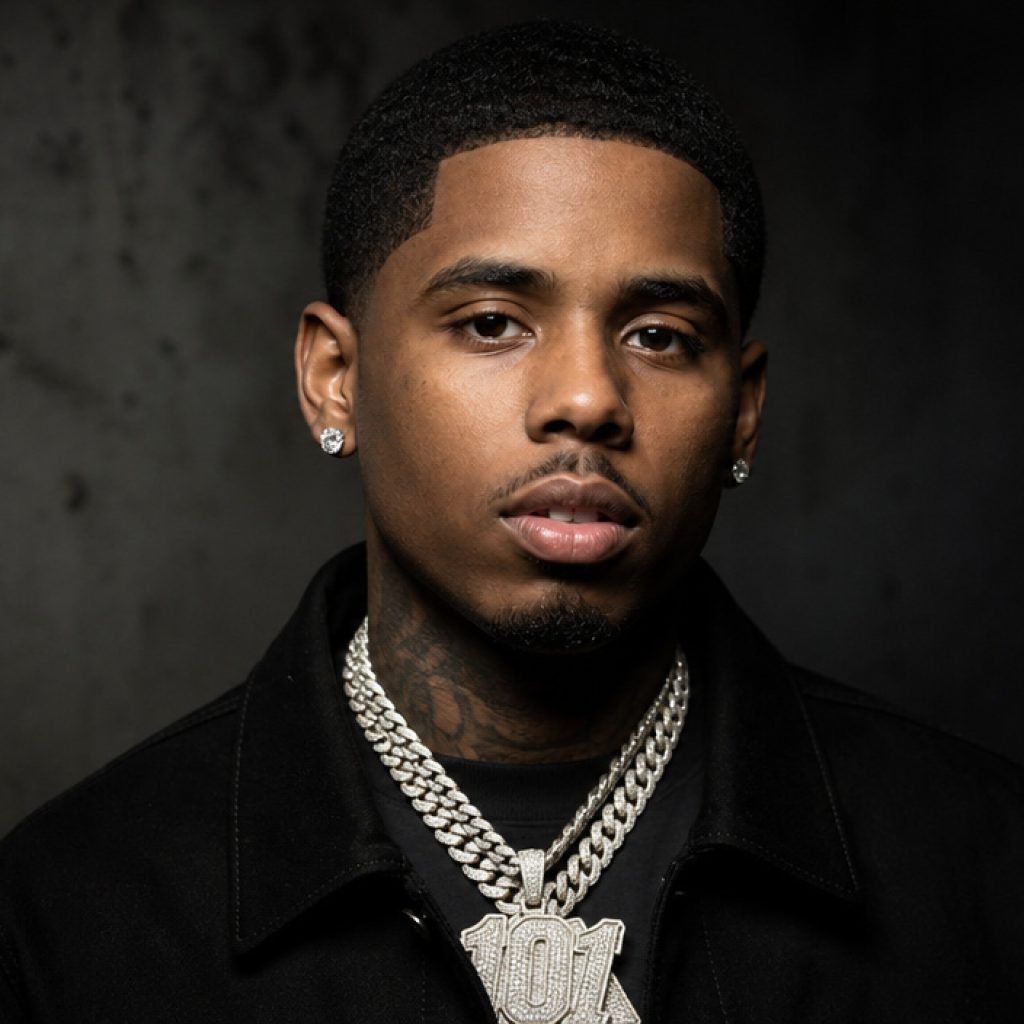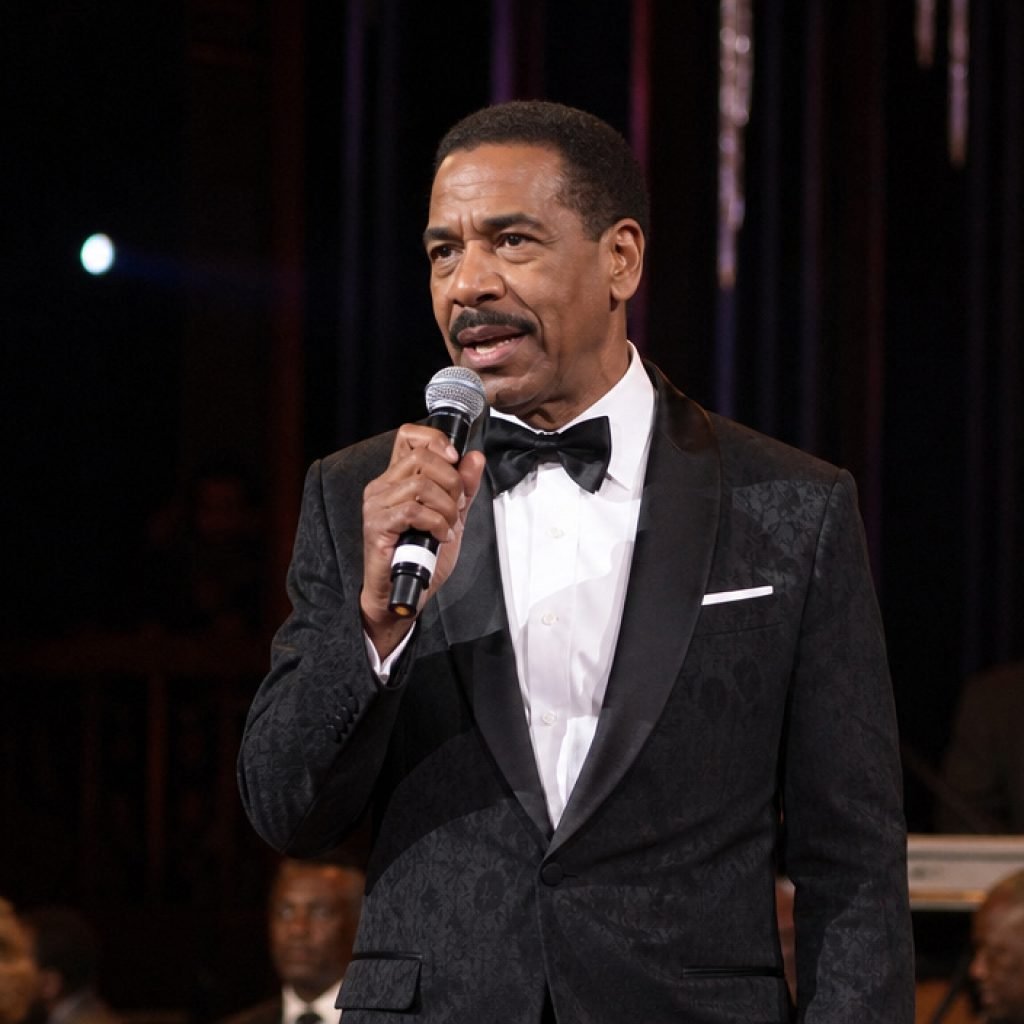
Che Noir has firmly cemented her status as one of the most vital voices in modern hip-hop with her fourth studio album, ‘It Takes a Village.’ Moving beyond the standard tropes of street rap, the Buffalo-born lyricist delivers a deeply personal, genre-defining exploration of what it means to balance the raw intensity of life in Western New York with the profound, life-altering responsibilities of motherhood. By stripping back the artifice and leaning into vulnerability, Che Noir has created a milestone in her discography that resonates far beyond the confines of the rap industry, offering a narrative of resilience and growth that is both universal and uniquely her own.
Key Highlights
- The Motherhood Lens: The album serves as a primary vehicle for exploring the intersection of parenthood and artistic pursuit, offering a mature, honest look at the dual lives of a rapper and a mother.
- Legendary Production: The project features high-profile, gritty production from Mobb Deep icon Havoc, ensuring the sonic landscape matches the intensity of the lyricism.
- Elite Lyricism: A standout collaboration with Black Thought proves Che Noir’s ability to stand toe-to-toe with hip-hop royalty, reinforcing her technical prowess.
- Buffalo Roots: The album maintains a strong, atmospheric connection to the Buffalo, NY, hip-hop scene, which has seen a massive resurgence in recent years.
Unveiling the Narrative: Motherhood as a Sonic Theme
In ‘It Takes a Village,’ Che Noir challenges the traditional archetypes often imposed on female artists within the genre. For years, hip-hop has grappled with how to reconcile the persona of the ‘hard’ emcee with the nurturing reality of parenthood. Che Noir does not see these as opposing forces; instead, she weaves them into a single, cohesive narrative. The album functions as a diary of sorts, documenting the specific, often grueling trials of raising a child while simultaneously navigating a career in a hyper-competitive, male-dominated field.
This is not a project characterized by hollow boasts or superficial displays of wealth. Instead, it is anchored by the weight of responsibility. Che Noir explores how the drive to provide for her child informs her hunger as an artist. Every bar feels calculated, not just for the sake of rhyme scheme, but to ensure that her daughter’s future is paved with the fruits of her labor. This elevates the stakes of her music. When she speaks on street life or industry politics, the subtext is always the immediate future of her family, giving her storytelling a gravity that many contemporaries lack.
The Sonic Palette: Havoc and the Architecture of Grit
To capture the tone of a life lived in the shadows and light of Buffalo, NY, Che Noir wisely tapped Havoc, one of the primary architects of the East Coast boom-bap sound. The sonic signature of ‘It Takes a Village’ is heavy, percussive, and remarkably clean. Havoc’s production is characterized by its menacing piano loops and driving, dusty drums—the perfect backdrop for Che Noir’s precise, razor-sharp delivery.
By utilizing Havoc, Che Noir aligns herself with the lineage of gritty, authentic New York storytelling. The collaboration feels like a bridge between the legendary era of 90s Queensbridge and the current, urgent wave of Buffalo hip-hop. It is a calculated decision that emphasizes the seriousness of her message. The production doesn’t demand attention through over-saturation; rather, it creates an immersive atmosphere that allows the listener to fully absorb the weight of the lyrics. In many tracks, the beat recedes just enough to let her voice take center stage, a testament to her confidence in her own songwriting ability.
The Black Thought Factor: Validation and Craft
Perhaps the most significant indicator of Che Noir’s standing in the industry is the presence of Black Thought. A pillar of The Roots and widely regarded as one of the greatest lyricists to ever touch a microphone, Black Thought’s contribution to this album is not merely a guest feature; it is an endorsement of talent. When a legend of his caliber steps onto a track with an artist, the power dynamic is often skewed, yet Che Noir manages to hold her own, matching the density and complexity of his bars.
This collaboration underscores the primary angle of the album: craftsmanship. ‘It Takes a Village’ is a testament to the idea that hip-hop is an evolving art form that requires discipline, study, and, above all, honesty. By bringing in a veteran who values the sanctity of the written word, Che Noir signals to her audience that this album is intended for those who care deeply about the technical aspects of rap. It transforms the album from a personal diary into a serious piece of literary work within the hip-hop canon.
The Future of Buffalo Hip-Hop
It is impossible to discuss this album without addressing the broader context of Buffalo’s role in modern rap. Over the last decade, the city has transformed from a regional outlier into a powerhouse of the genre. With established acts like Griselda paving the way, the sonic aesthetic of the city—dark, observational, and unapologetic—has become a national standard. Che Noir’s latest effort proves that she is not merely a beneficiary of this regional rise but a key contributor to its future. She represents a shift toward more narrative-heavy, internally focused projects. While the city’s previous reputation was built on tales of the streets, Che Noir is successfully expanding that scope to include the complexities of the domestic sphere. By grounding her lyrics in the tangible realities of parenthood, she is ensuring that the ‘Buffalo Sound’ remains relevant, evolving, and capable of profound emotional depth.
FAQ: People Also Ask
Q: Who produced ‘It Takes a Village’ by Che Noir?
A: The album features production from industry veterans, most notably Havoc of Mobb Deep, who provides the gritty, classic East Coast aesthetic that defines much of the project’s sound.
Q: Why is Black Thought’s feature on this album significant?
A: Black Thought is widely considered one of the greatest lyricists in hip-hop history. His participation serves as both a high-profile validation of Che Noir’s technical skill and an elevation of the album’s lyrical content.
Q: What are the main themes of Che Noir’s fourth album?
A: The album centers on the realities of motherhood, the challenges of balancing career and family, and reflections on life in Buffalo, NY. It moves away from generic rap themes to focus on personal growth and responsibility.
Q: How does this album fit into the current Buffalo, NY hip-hop scene?
A: ‘It Takes a Village’ expands the scope of the ‘Buffalo Sound’ by shifting the narrative focus from traditional street tales to more complex, introspective stories about motherhood and survival, proving the scene is diversifying.