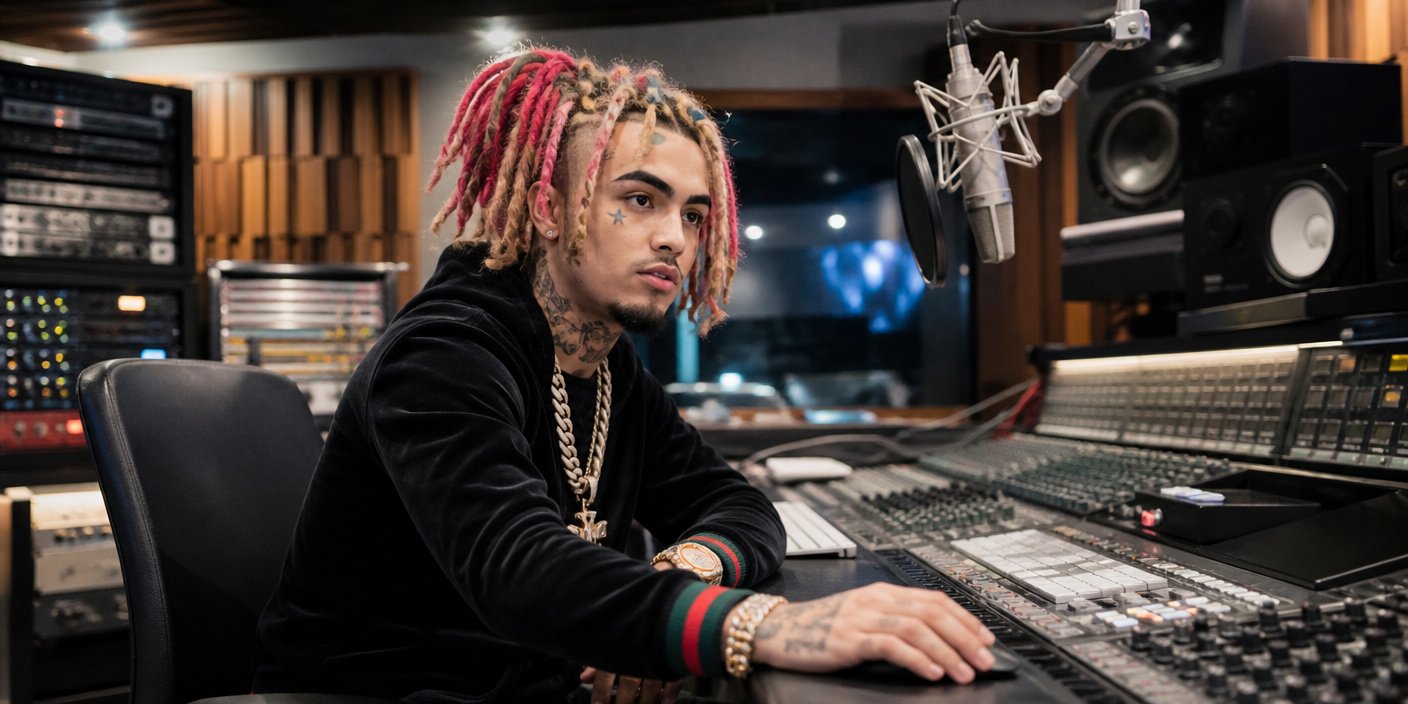
The SoundCloud Pioneer’s Strategic Resurgence
Lil Pump has officially returned to the spotlight with the release of his latest studio project, Lil Pump 3, which dropped on August 17, 2026. In an era where the shelf life of viral hip-hop stars is often dictated by the relentless churn of the algorithm, this release marks a calculated attempt to solidify his position in the genre. Arriving during the height of what industry insiders are calling the “August Takeover”—a month characterized by an aggressive density of major album drops—the project serves as a test of Pump’s staying power.
For followers of the rap game, the release date of August 17, 2026, is not merely a calendar entry; it is a strategic maneuver. By inserting his project into the middle of the month’s saturated streaming landscape, Lil Pump is signaling a willingness to compete directly with modern heavyweights. This release is pivotal for the artist, moving beyond the meme-culture origins that propelled him to stardom on SoundCloud and challenging the industry to view him as a refined studio artist.
Navigating the August Takeover
The “August Takeover” is a phenomenon that streaming platforms and digital service providers (DSPs) have observed with increasing frequency. As labels push to capitalize on the end-of-summer listening peak, the marketplace becomes flooded. For Lil Pump, navigating this environment requires more than just viral marketing; it necessitates a cohesive project that captures the attention of both legacy fans and new listeners.
The economics of the current streaming era dictate that release day performance is heavily reliant on algorithmic placement and social media momentum. Lil Pump 3 arrives as the artist attempts to pivot from the chaotic, high-energy trap that defined his early career toward a more deliberate production style. Industry analysts have noted that the 2026 release schedule has been remarkably crowded, with major entities—ranging from independent distribution networks to major labels—battling for dominance in the “Top Hip-Hop” playlists. By positioning Lil Pump 3 within this window, the artist is opting for a “sink or swim” approach, betting that the project’s sonic evolution will cut through the noise of the summer release cycle.
Evolution of Sound and Cultural Standing
The shift in Lil Pump’s approach is evident in the production choices found within Lil Pump 3. While his roots lie in the raw, unpolished energy of the SoundCloud-era explosion, the current landscape of hip-hop demands a higher degree of technical polish. The project reflects a transition, incorporating elements of experimental trap and collaborations that suggest an attempt to broaden his demographic reach. This is a crucial pivot; as the initial hype surrounding the “SoundCloud wave” of the late 2010s has receded, artists who rose during that period must now prove their utility in an evolving musical ecosystem.
Entities such as the Recording Industry Association of America (RIAA) and various independent publishing groups have tracked the declining, yet resilient, influence of this specific cohort of rappers. Lil Pump’s ability to remain culturally relevant nearly a decade after his breakthrough is a testament to the strength of his original branding. Lil Pump 3 is less about recapturing the lightning-in-a-bottle success of his debut and more about asserting his longevity as a viable commercial entity.
The Future of Independent Distribution
One of the secondary angles of this release is what it reveals about the power of independent distribution in the modern music economy. Lil Pump has navigated the industry as an artist who understands the value of direct-to-fan engagement. By dropping Lil Pump 3 independently, he retains a higher percentage of streaming revenue and maintains creative control over the rollout. This is a stark contrast to the traditional major label machine, which often prioritizes pre-release marketing campaigns over the artistic spontaneity that his fanbase expects.
Moreover, the reception of this project will likely influence how mid-tier and legacy rap stars approach their release schedules in the coming years. If the “August Takeover” strategy pays off, we may see a trend where artists bypass the conventional quarterly release cycles in favor of high-impact, short-notice drops that capitalize on specific seasonal windows. This shift underscores a broader trend in the entertainment industry: the transition from long-lead album campaigns to real-time, digital-first engagement strategies.
Impact on the 2026 Fiscal Year
Looking beyond the music, the commercial performance of Lil Pump 3 is being watched by music tech investors and streaming analysts. The project’s streaming numbers in its first week will serve as a proxy for the overall health of the “SoundCloud Rap” legacy brand. If the project demonstrates sustained listener retention, it confirms that these artists have successfully migrated from viral novelty acts to career musicians. This is vital for the sustainability of the genre, as it ensures that the foundational artists of the last decade remain active participants in the streaming ecosystem rather than fading into historical footnotes.
As the data from this release cycle matures, the industry will gain a clearer picture of how listener habits have shifted in the latter half of 2026. The success of Lil Pump 3 is, therefore, a bellwether for the entire independent rap sector.
FAQ: People Also Ask
Q: What is the significance of the August 17, 2026 release date for Lil Pump?
A: The date falls during the “August Takeover,” a period of intense competition in the music industry where high-profile releases saturate the market. Releasing on this date demonstrates the artist’s confidence and his intent to compete within a crowded, high-traffic streaming environment.
Q: How does ‘Lil Pump 3’ differ from his previous musical work?
A: Unlike his early SoundCloud-era projects that relied on raw, viral energy, Lil Pump 3 exhibits a more refined production approach, indicating an evolution toward a more mature sound intended to maintain long-term commercial relevance.
Q: Why is the ‘August Takeover’ critical for modern hip-hop artists?
A: It is a period of peak streaming activity. Artists often choose to release during this time to capitalize on high end-of-summer engagement, but it requires a strong marketing strategy to avoid getting lost in the deluge of other major releases.
Q: What does this release suggest about Lil Pump’s career longevity?
A: The release indicates a transition from a viral internet personality to a career artist. By continuing to drop studio projects like Lil Pump 3, he is actively maintaining his status in the music industry and leveraging his established brand to secure ongoing relevance in a competitive streaming market.