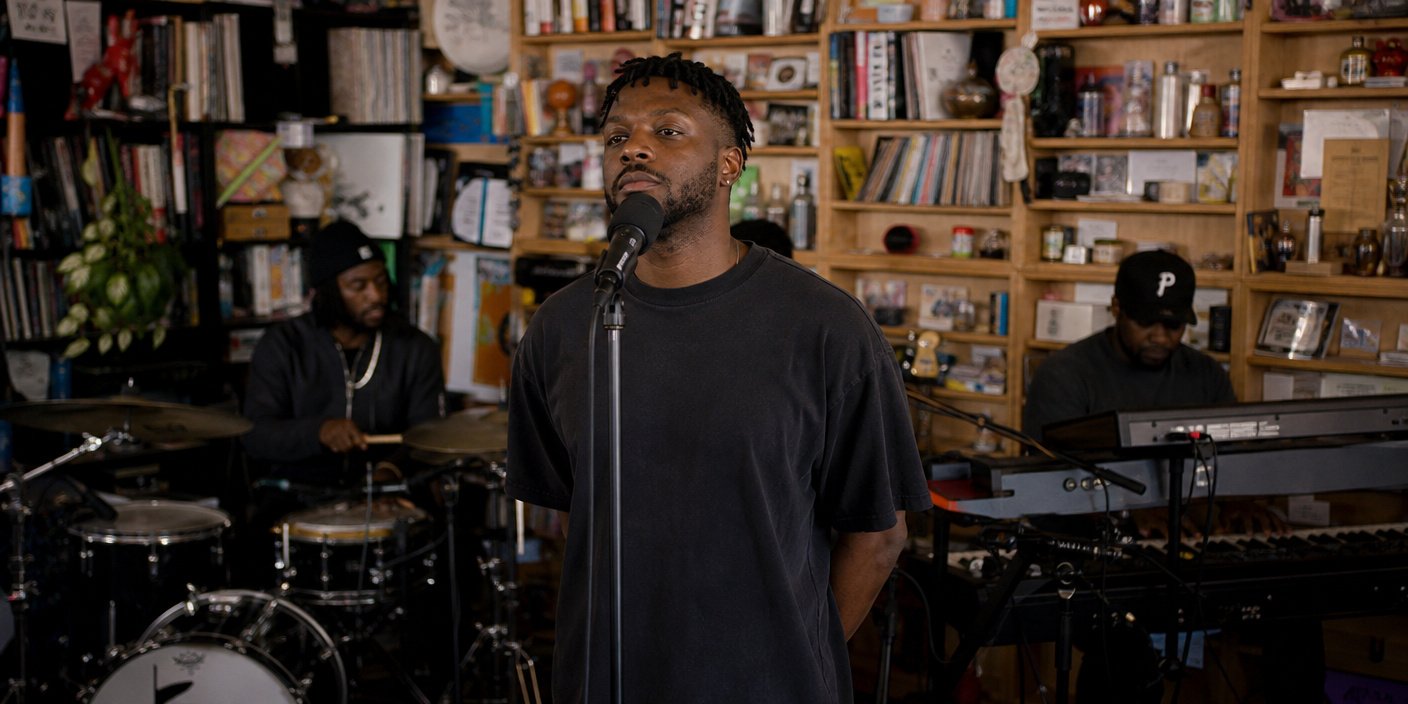
Isaiah Rashad’s appearance on NPR’s Tiny Desk Concert series stands as a definitive moment in his career, showcasing the Tennessee rapper’s transition from a studio-focused artist to a commanding live performer. Delivering a sprawling 13-song set, Rashad navigated a complex emotional landscape, weaving together nostalgic classics with the intricate, introspective tracks from his latest project, IT’S BEEN AWFUL. The performance was more than a promotional showcase; it was an exercise in vulnerability, highlighting the melodic cadence and rhythmic fluidity that have defined his decade-long journey in the industry.
Key Highlights
- Setlist Depth: A comprehensive 13-song performance that bridged the gap between his early catalog and his most recent studio work.
- Artistic Vulnerability: The set was noted for its raw, unfiltered energy, prioritizing personal storytelling over high-production theatrics.
- Live Instrumentation: The use of a full live band transformed his studio-recorded tracks, giving them new texture and improvisational depth.
- Career Milestone: The performance served as a critical turning point, solidifying his status as a premier live act in the modern hip-hop landscape.
The Evolution of Isaiah Rashad’s Live Presence
The NPR Tiny Desk platform is notoriously unforgiving. Stripped of backing tracks, elaborate light shows, and the safety net of high-fidelity studio compression, the environment demands absolute vocal clarity and genuine musicality. For Isaiah Rashad, this challenge resulted in one of his most significant career achievements. The performance highlighted a distinct evolution in his artistry, one where the focus shifted from technical rapping prowess to the emotional delivery of his lyrics.
A Journey Through the Catalog
Rashad’s decision to perform a 13-song set allowed him to paint a complete picture of his development. By juxtaposing older, fan-favorite tracks with the newer, more somber material found on IT’S BEEN AWFUL, he created a narrative arc that invited listeners into his personal growth. The transitions between the high-energy beats of his earlier records and the mid-tempo, jazz-influenced melodies of his current work were seamless, demonstrating his growth as an arranger and performer. The live instrumentation provided a warmth that complemented his melodic rapping style, making the performance feel intimate rather than performative.
The Impact of Vulnerability in Hip-Hop
In the broader context of modern hip-hop, Rashad’s focus on personal vulnerability sets him apart. While many of his peers utilize the Tiny Desk platform to showcase aggression or hyper-technical flow, Rashad chose to lean into his anxieties and life experiences. This tonal shift resonated deeply with his audience. By creating a space that felt like a living room session rather than a stadium concert, he allowed the audience to connect with the substance of his music. This approach highlights a growing trend in the genre: the move toward ‘vulnerable rap,’ where the artist’s humanity is the primary hook. Rashad has mastered the art of balancing rhythmic complexity with relatable emotional weight, a combination that has historically been the hallmark of enduring hip-hop icons.
Technical Proficiency and Band Chemistry
The role of the backing band cannot be overstated. By reimagining his studio tracks with live drums, bass, and keys, Rashad breathed new life into his discography. The percussion was tighter, the melodies more resonant, and the interplay between the rapper and his instrumentalists was organic and intuitive. This collaboration turned static recorded tracks into living, breathing arrangements that shifted and evolved in real-time. For a rapper often celebrated for his flow, this performance proved that his musicality extends far beyond the booth.
The Future of the Tiny Desk Platform
Rashad’s performance also illustrates the enduring power of the NPR Tiny Desk series as a gatekeeper of musical legitimacy. For an artist to be invited, and to execute a set of this magnitude, is a signaling event for industry insiders and fans alike. It suggests that the artist is capable of sustaining a tour, performing under pressure, and translating studio records into a live experience that adds value. As the music industry continues to digitize, these ‘unplugged’ moments remain essential for proving an artist’s staying power and technical capability. Rashad’s set will likely be cited as a benchmark for future hip-hop artists aiming to demonstrate their live chops.
FAQ: People Also Ask
Q: How many songs did Isaiah Rashad perform at his Tiny Desk concert?
A: Isaiah Rashad performed a 13-song set, providing a comprehensive retrospective of his career and his latest musical project.
Q: Why was this performance considered a turning point for Isaiah Rashad?
A: The performance was pivotal because it showcased his ability to perform his music live with deep vulnerability, proving his artistic maturity and ability to sustain a 13-song set without relying on traditional hip-hop studio production.
Q: Did Isaiah Rashad perform new music during the set?
A: Yes, the setlist was a curated mix of established fan classics and tracks from his project, IT’S BEEN AWFUL, allowing for a balanced view of his musical evolution.
Q: What makes the NPR Tiny Desk format unique for rappers?
A: The Tiny Desk format strips away backing tracks and auto-tune, forcing artists to rely on their raw vocal ability, their band’s chemistry, and their stage presence, which serves as a ‘litmus test’ for true musical capability.