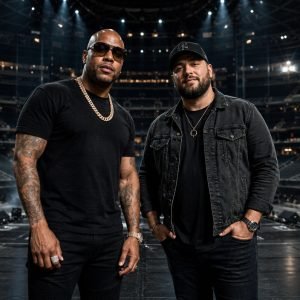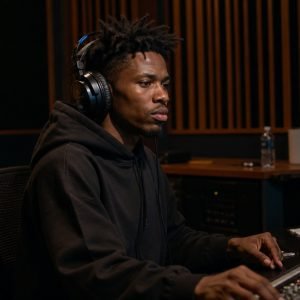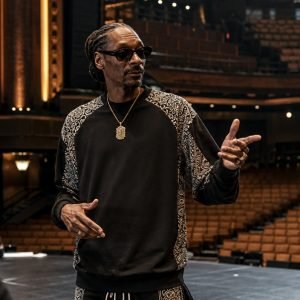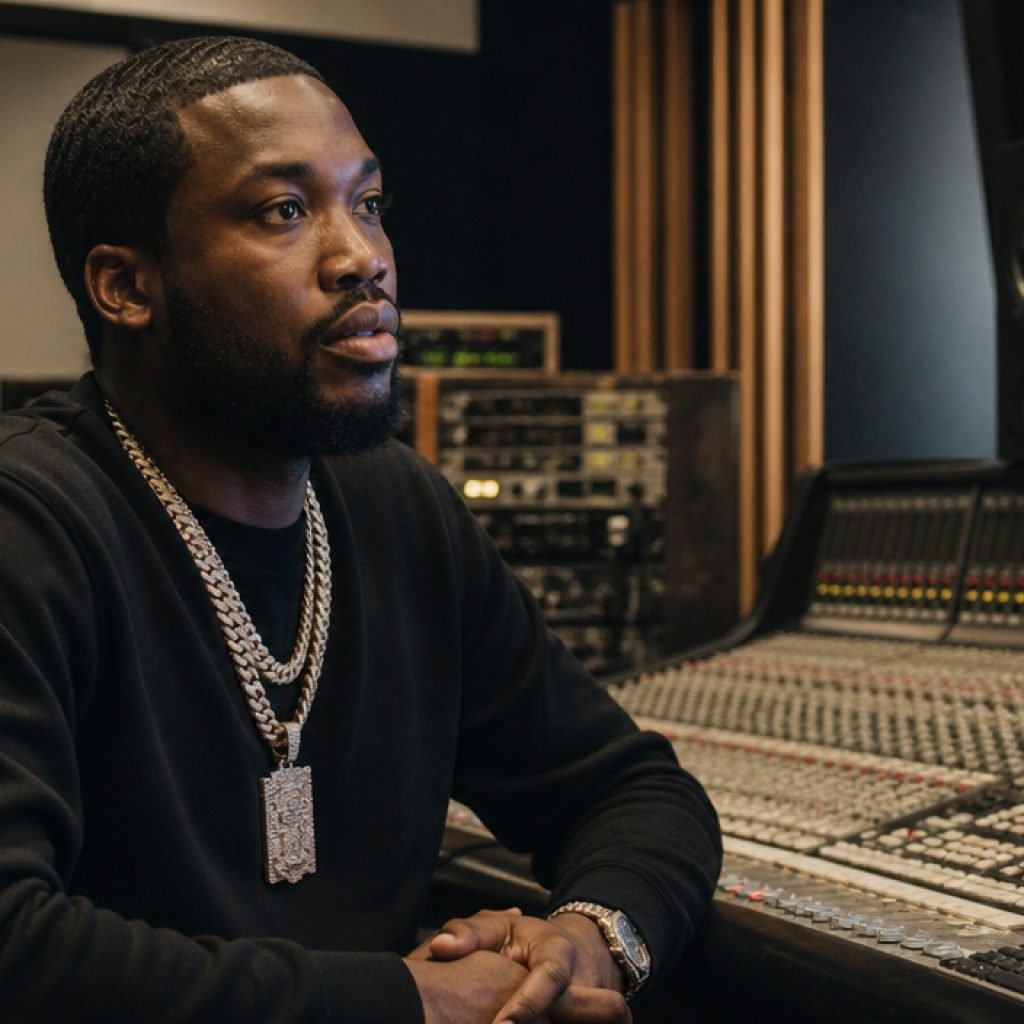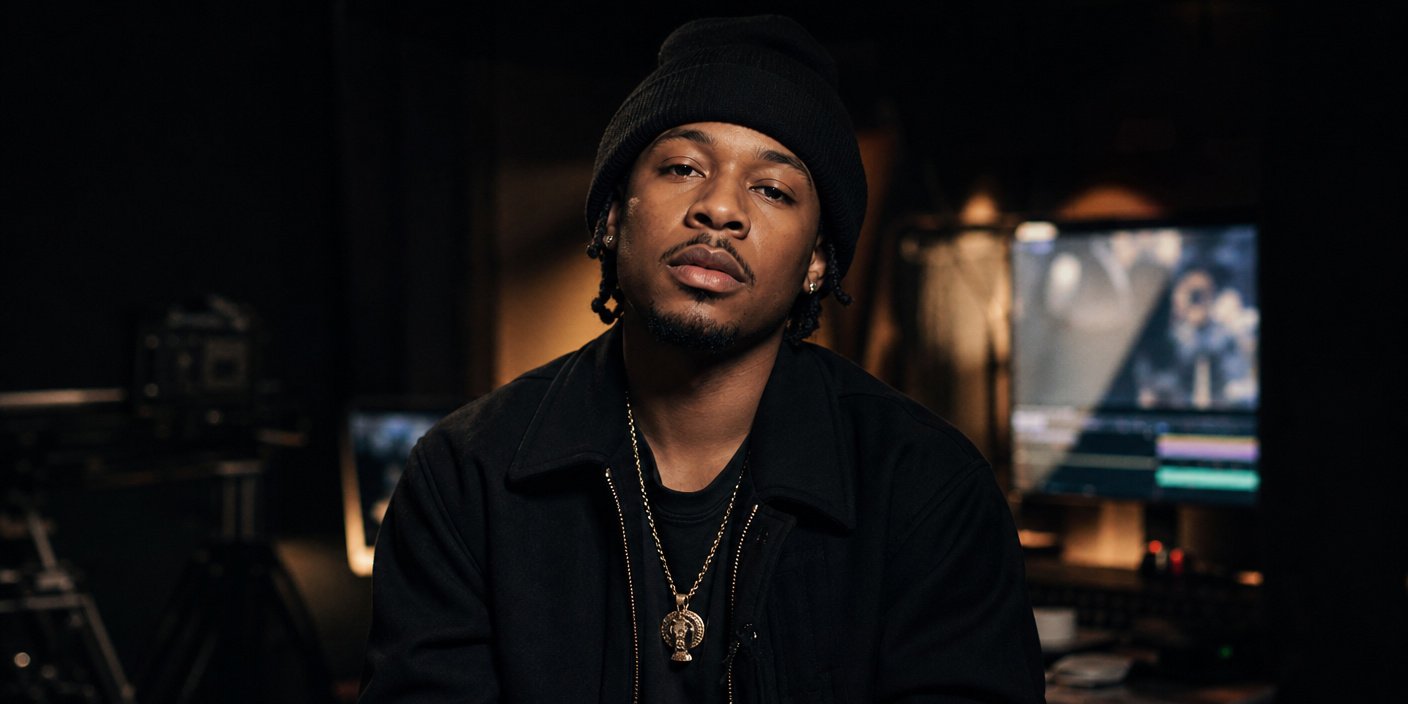
Vinny Cha$e, the influential Harlem rapper and creative director who helped shape the visual language of the 2010s New York hip-hop scene, has died at the age of 40. The tragic news was confirmed following a fatal car accident, with the announcement shared by his longtime collaborator and videographer, Kid Art. The passing marks the end of a career defined by artistic versatility, as Cha$e evolved from a charismatic frontman for the Cheers Club movement into a highly sought-after director behind the lens.
Key Highlights
- Tragic Loss: Vinny Cha$e, born Vincent Mason, passed away at age 40 due to a fatal car accident.
- Collaborator Confirmation: The news was formally announced by his close friend and videographer, Kid Art, drawing an outpouring of tributes from the industry.
- Cheers Club Legacy: Cha$e was instrumental in the rise of the Cheers Club, a collective that captured the energy and aesthetic of 2010s Harlem.
- Dual Career: Beyond his rap career, Cha$e successfully transitioned into professional music video directing, applying his unique, stylized eye to high-profile projects.
The Artistic Legacy of Vincent Mason
The cultural footprint of Vinny Cha$e, known to those closest to him as Vincent Mason, extends far beyond his recorded tracks. Emerging from the vibrant streets of Harlem, Cha$e became a central figure in a musical era that prioritized “swag”—a mixture of high-fashion sensibilities, unfiltered lyrical delivery, and an aesthetic that was unapologetically New York. His emergence with the Cheers Club was not merely a musical venture; it was a movement that encapsulated the nightlife, fashion, and hustle of an entire generation of Harlem youth.
During the early 2010s, when digital visibility began to drastically alter the trajectory of independent artists, Cha$e understood the power of the visual medium earlier than many of his peers. While many artists of his time were focused solely on the sound, Cha$e was already studying the frame. This foresight allowed him to craft a distinct visual identity that elevated the Cheers Club from an underground curiosity to a significant cultural force. His lyrics often mirrored his life: fast-paced, style-obsessed, and deeply rooted in the concrete reality of his Harlem upbringing.
Transitioning Behind the Lens
As the industry shifted, so did Cha$e’s focus. He famously pivoted from being the subject of the video to the architect of the visual experience. This transition was seamless for those who had followed his career; his music videos were always noted for their high contrast, frenetic editing, and a penchant for “dark luxury” aesthetics that echoed his personal brand. As a director, he brought a filmmaker’s sensibility to the rap world, influencing a new wave of videographers and creative directors who looked to his work for inspiration on color grading and narrative pacing.
His transition behind the camera was not a retreat, but an expansion. He utilized his connections in the hip-hop community to build a second, equally successful career, directing visuals that captured the essence of his collaborators with the same intensity he once brought to his own performances. This versatility—being able to empathize with the artist’s need for specific framing while maintaining the director’s technical rigor—made him a rare talent.
The Cultural Impact of the 2010s Harlem Sound
To understand Vinny Cha$e, one must understand the environment of 2010s Harlem. It was a time of transition, where the internet was beginning to democratize music distribution, allowing collectives like the Cheers Club to bypass traditional label structures. Cha$e and his cohorts weren’t just making rap music; they were curating a lifestyle. Their influence can be seen in the way that contemporary NY drill artists and rappers now treat their online image—as a holistic product. The “Cheers Club” aesthetic, defined by its mix of high-fashion labels, late-night studio sessions, and the unapologetic pursuit of success, set a blueprint for the modern independent creative.
A Sudden End and Industry Response
The news of the fatal car accident has sent shockwaves through the industry, specifically impacting the community of directors, producers, and musicians who considered Cha$e a mentor or a peer. Tributes from Kid Art, who worked extensively with Cha$e, highlight a man who was deeply respected not just for his output, but for his drive. In an industry known for its transience, Cha$e managed to maintain a reputation for consistent, high-quality work over a decade, adapting to new technologies and trends without ever losing the grit that made his early work so compelling.
His passing serves as a sobering reminder of the fragility of those who operate in the high-speed creative lanes of the entertainment industry. Friends and colleagues have noted that Cha$e’s energy was infectious, and his ability to see the “next big thing” in music videos before it happened was a gift that kept him relevant long after his initial rise to fame.
FAQ: People Also Ask
Who was Vinny Cha$e?
Vinny Cha$e (born Vincent Mason) was a Harlem-based rapper and creative director. He was a prominent figure in the 2010s independent hip-hop scene and a founding member of the Cheers Club collective.
What was he best known for?
He was known for his early rap career as a member of the Cheers Club and, subsequently, for his successful career as a music video director, where he developed a signature, high-contrast, and cinematic visual style.
How did he pass away?
Vinny Cha$e passed away at the age of 40 following a fatal car accident. The news was confirmed by fellow creative and videographer Kid Art.
Why is his death considered a loss for the NY music scene?
Cha$e represented a bridge between the traditional Harlem rap sound and the new era of independent, self-directed content creation. His dual success as an artist and a filmmaker provided a blueprint for many modern creatives.