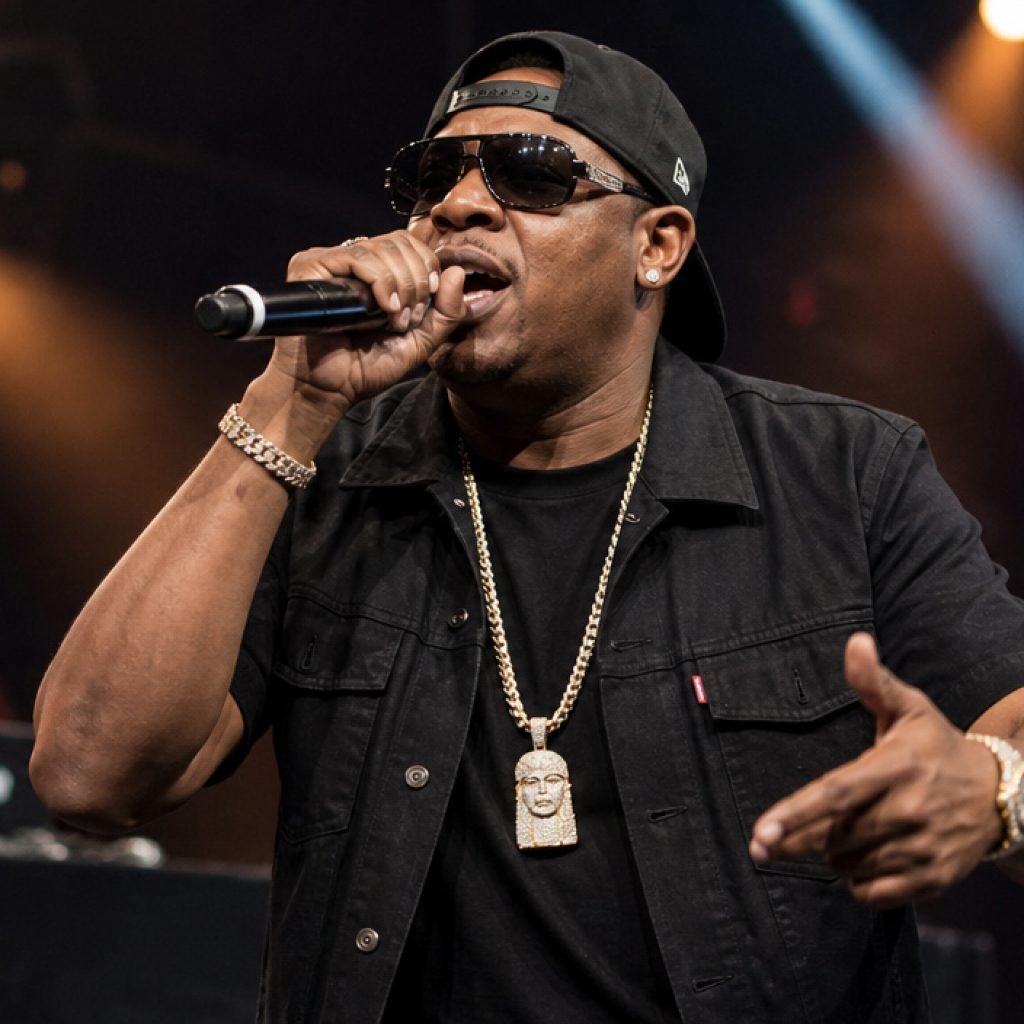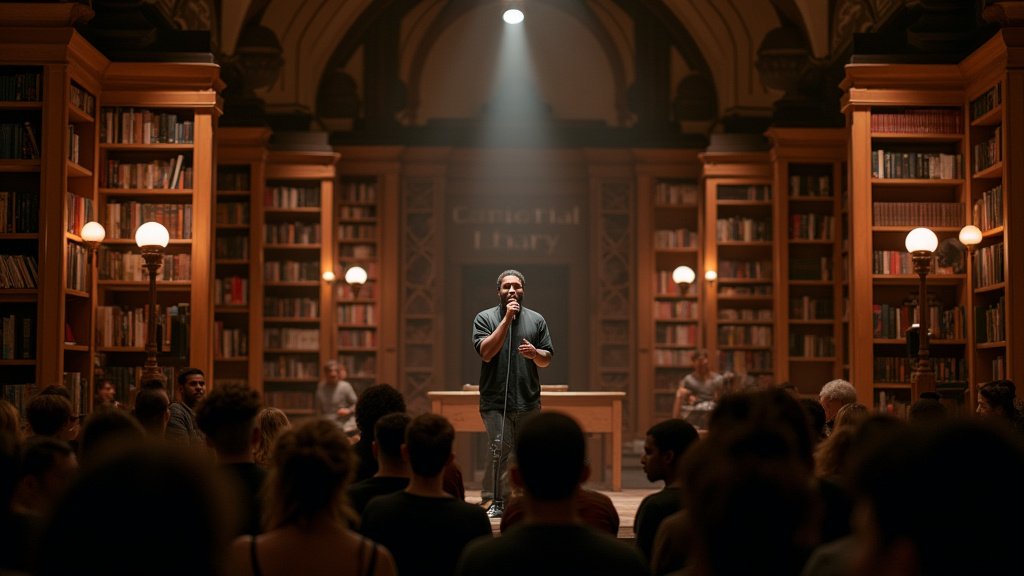
On September 3, the Milwaukee Public Library will shed its traditional role as a quiet sanctuary for literature to become a megaphone for urban unity. A diverse lineup of Milwaukee rap artists is scheduled to take the stage inside the facility, delivering a performance defined by a singular, urgent mission: ‘A message of solidarity.’ This event represents more than just a musical showcase; it is a calculated effort to bridge the gap between contemporary creative expression and civic infrastructure.
Key Highlights
- Event Date: September 3.
- Venue: Milwaukee Public Library, positioning the library as a modern community hub.
- Artistic Mission: A curated lineup of local rap artists focusing on themes of community solidarity and social cohesion.
- Strategic Intent: Utilizing non-traditional performance spaces to engage younger demographics and promote civic dialogue through hip-hop.
Synchronizing Sound and Civic Spaces: The Milwaukee Concert
The upcoming concert at the Milwaukee Public Library is part of an evolving national trend where public libraries are pivoting to become versatile ‘third spaces.’ By inviting the Milwaukee hip-hop scene into a space traditionally associated with silence and solitary study, organizers are making a deliberate statement about accessibility, community ownership, and the role of art in public discourse.
The Anatomy of Solidarity in Hip-Hop
Solidarity has long been a bedrock principle of hip-hop culture, originating from the necessity of community support in marginalized urban neighborhoods. When the Milwaukee rap community chose the library as its venue, they signaled an intent to move beyond the traditional nightclub or bar setting. This choice centers the performance on the message rather than the atmosphere of a commercial venue. The artists are stripping away the strobe lights and the alcohol-centric environment, leaving only the lyrics, the rhythm, and the audience. This creates an acoustic and intellectual intimacy that forces the listener to engage with the lyrics on a deeper, perhaps more critical level.
Repurposing the Library: A New Era for Civic Centers
Historically, libraries were designed as repositories of information. Today, they are competing with digital access points and must remain relevant by functioning as community centers. The decision to host a rap concert here is an acknowledgment that public libraries must reflect the culture of the people they serve. By providing a platform for local musicians, the Milwaukee Public Library is effectively endorsing hip-hop as a legitimate form of literacy and cultural heritage, deserving of the same space as classic literature or academic lectures.
The Local Context: Milwaukee’s Hip-Hop Renaissance
Milwaukee’s hip-hop scene has been quietly—and sometimes loudly—influencing the city’s identity for decades. From the early underground pioneers to the current generation, local artists have consistently used their platforms to discuss the realities of life in the Midwest, focusing on themes ranging from systemic economic inequality to the resilience of the local community. By securing a space like the Milwaukee Public Library for an event focused on solidarity, these artists are not just performing; they are documenting the current mood of the city. This event is a signal that the local creative economy is maturing, moving from the peripheries of the city’s nightlife into the heart of its civic institutions.
Secondary Angle 1: Bridging the Generational and Digital Divide
One of the most significant impacts of this concert will be the demographic crossover. Libraries often struggle to capture the engagement of 18-to-30-year-olds—a demographic that is, ironically, the primary driver of the local rap scene. By bringing this event to the library, the organizers are creating an organic ‘gateway’ effect. Patrons who might not otherwise visit the library will be introduced to its resources, while regular library patrons will be exposed to a vital piece of the city’s contemporary culture. This reciprocal engagement is crucial for the long-term sustainability of the library as a community pillar.
Secondary Angle 2: The Acoustic Challenge of Non-Performance Venues
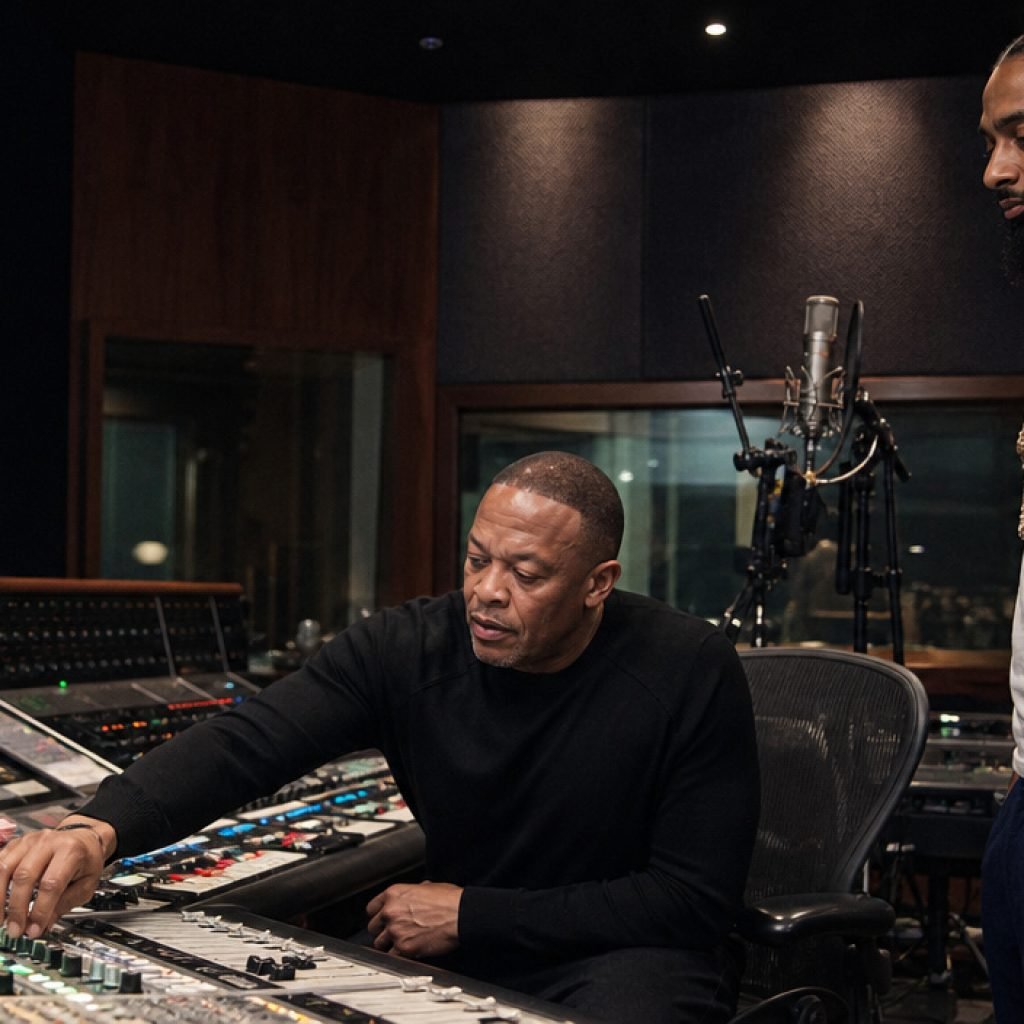
From a technical standpoint, transforming a library into a concert venue requires significant logistical planning. The acoustics of such a space—often filled with hard surfaces and high ceilings—are vastly different from a purpose-built music hall. The sound engineering required to ensure the message of solidarity is clearly heard, rather than lost in reverberation, is a testament to the professionalism of the local production crews involved. This aspect of the event highlights the hidden infrastructure of local events, where technicians and sound engineers play as much of a role in the message as the performers themselves.
Secondary Angle 3: The Library as a ‘Safe Haven’ for Discourse
In an era of polarized public discourse, the neutral ground of the library is rare. Hosting a solidarity-themed concert here provides a framework for community building that feels less threatening than a political rally and more substantial than a standard entertainment show. The library serves as a ‘neutral zone’ that allows for the free flow of ideas, protected by the institutional mandate of free access to information. This setting legitimizes the rap artists’ message, suggesting that their lyrics are worthy of the same public shelf space as the books surrounding them.
FAQ: People Also Ask
Q: Is the Milwaukee Public Library concert free for the public?
A: While specific ticketing details vary by branch and event organization, these library-hosted community events are generally designed to be accessible to the public, though early arrival is recommended due to capacity limits in library spaces.
Q: Why choose the library instead of a traditional music venue?
A: The choice of venue is intentional. It aims to reframe the library as a community hub while providing a sober, focused environment that allows the message of the rap lyrics to take center stage without the distractions of a typical nightclub atmosphere.
Q: Will this event become a recurring series in Milwaukee?
A: While this is a specific event on September 3, the success of such initiatives often leads to increased programming of this nature. If the turnout is strong, it may encourage the library system to invest further in local music performance as part of their community engagement strategy.
Q: How does this concert promote ‘solidarity’ in the city?
A: The event promotes solidarity by bringing together diverse segments of the Milwaukee population in a shared space. Hip-hop, as a genre, thrives on storytelling, and by sharing their experiences in a public forum, the artists are creating a collective narrative that emphasizes common ground and community resilience.