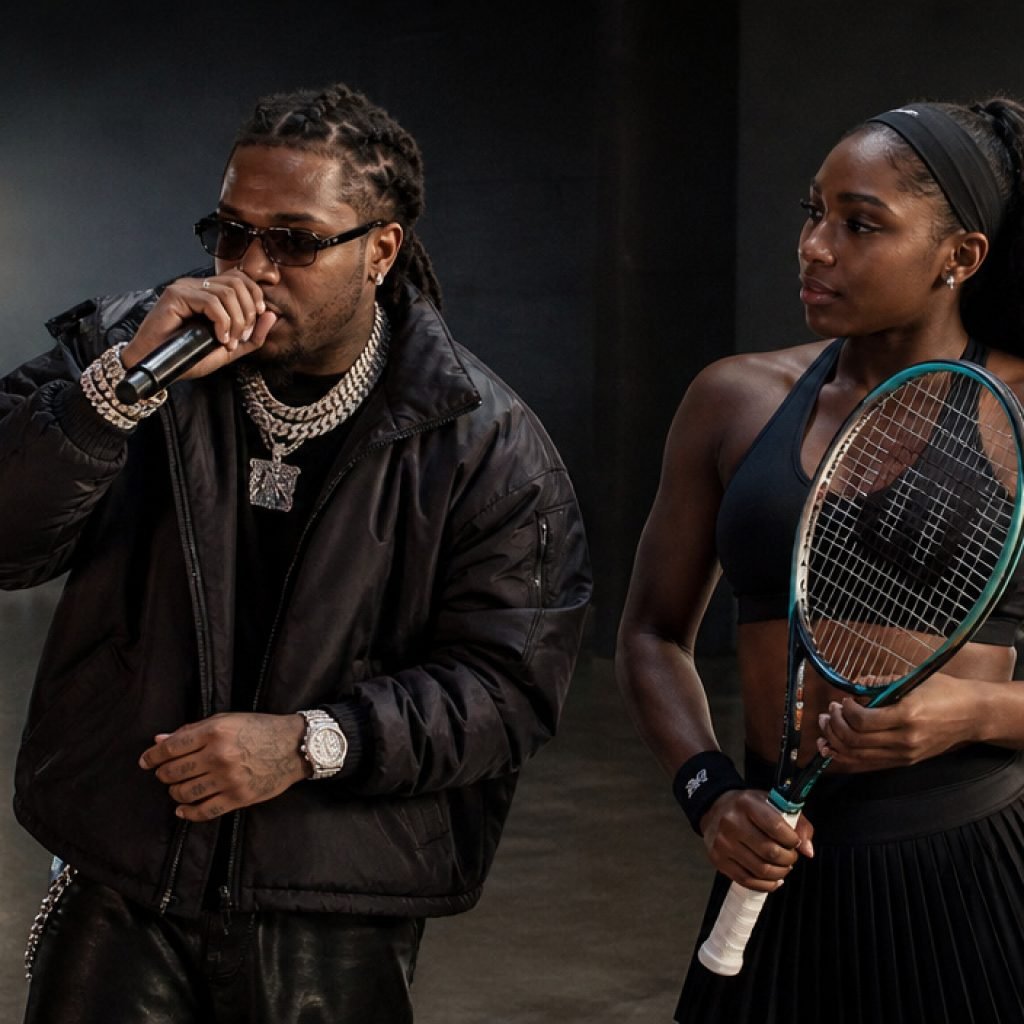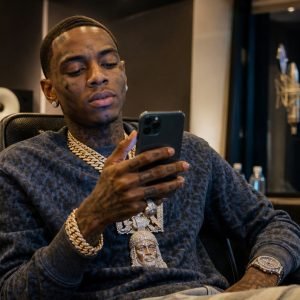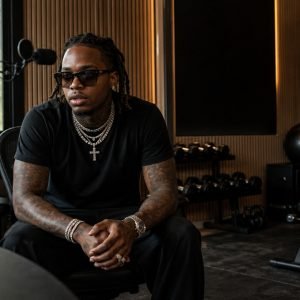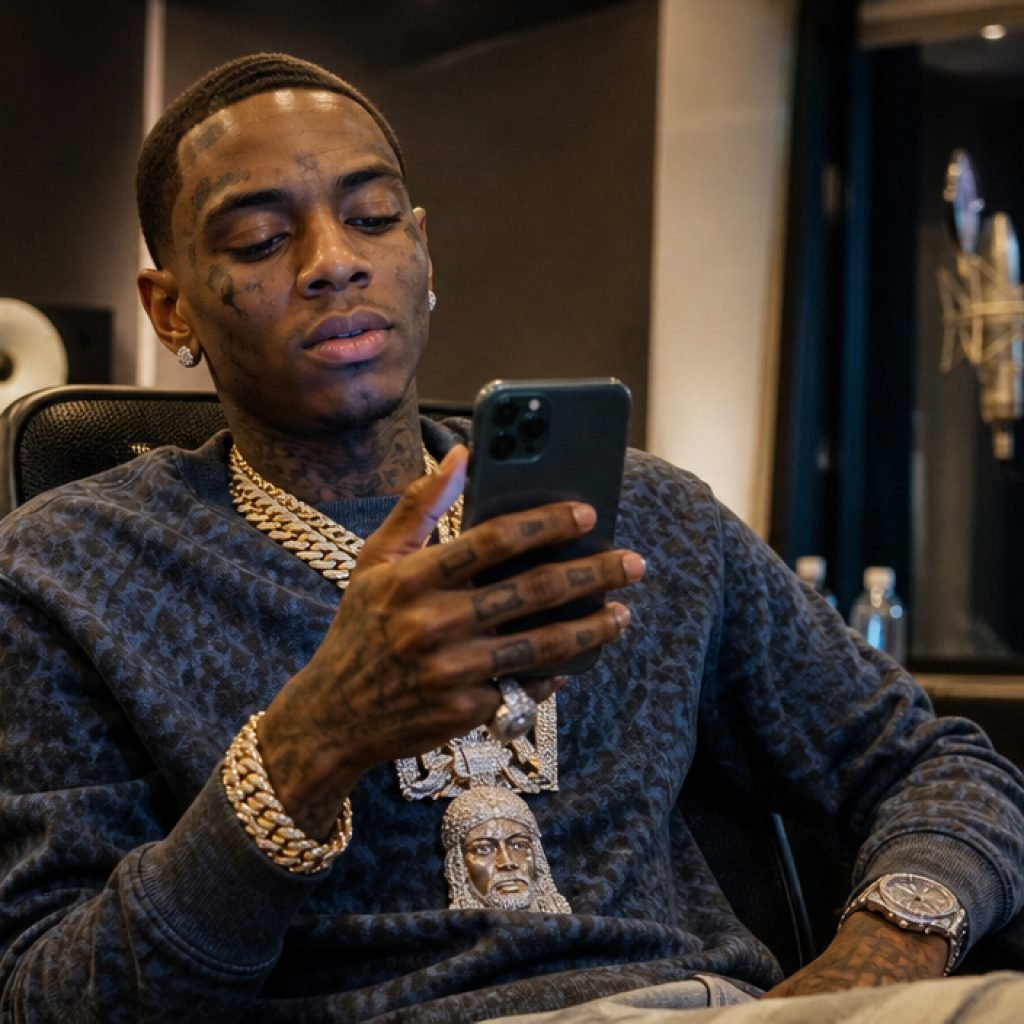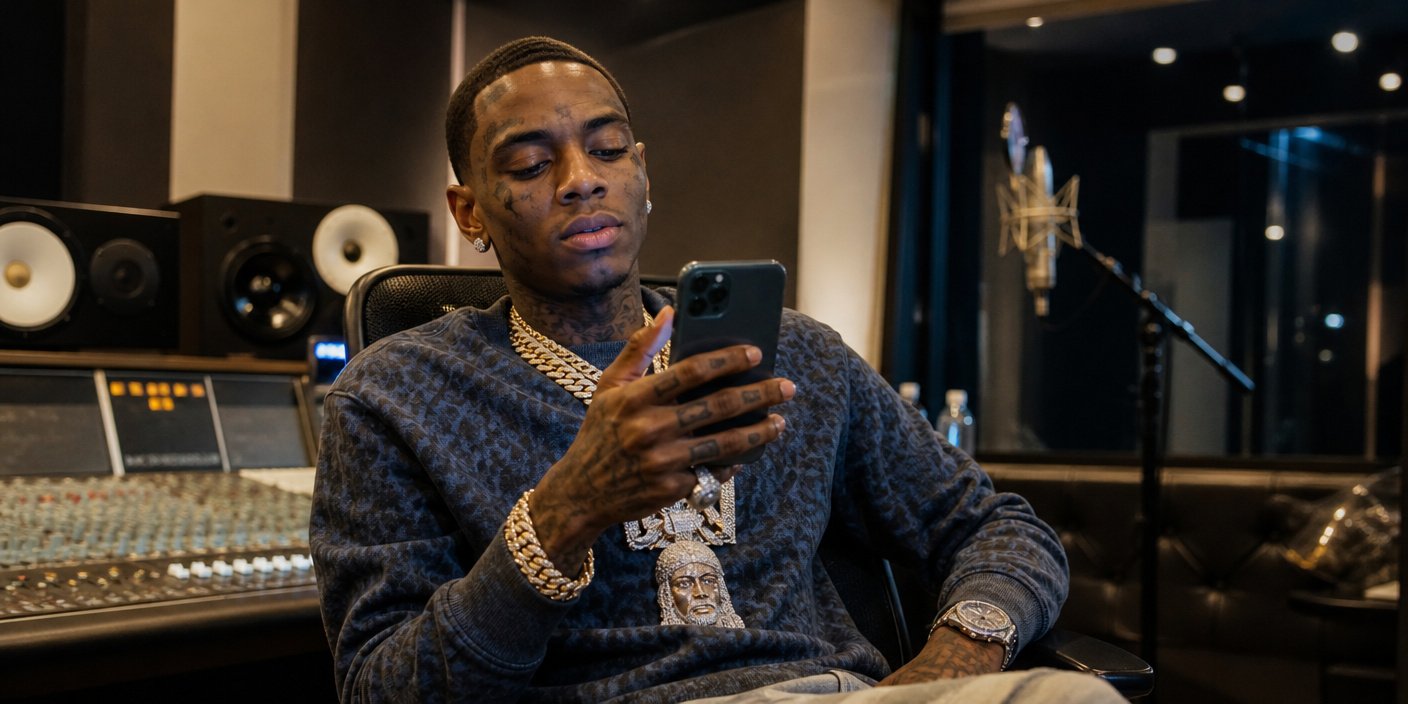
In a move that has rapidly reverberated across digital platforms, hip-hop artist and entrepreneur Soulja Boy (born DeAndre Cortez Way) has taken to Instagram to tease a potential candidacy for the United States presidency in 2028. While celebrity-led political teases are a recurring phenomenon in the American cultural zeitgeist, Soulja Boy’s announcement stands out for its stated emphasis on specific policy pillars: economic advancement, educational overhaul, and the modernization of the nation’s technological infrastructure. This announcement, delivered through the informal yet far-reaching medium of social media, forces a discussion on the intersection of modern celebrity branding and the rigorous demands of national executive office.
The Platform: Economics, Education, and Tech
Soulja Boy’s stated platform, while broad in its current iteration, identifies three core areas of focus that align with contemporary voter anxieties: the economy, education, and technology. From an economic standpoint, the rapper has consistently championed entrepreneurship and personal wealth generation, suggesting that a national economic policy under his potential administration would mirror his own ‘hustle’ culture and business-centric ethos. By framing his candidacy around these pillars, he attempts to pivot from his image as a music industry pioneer to that of a policy-focused public servant.
The educational focus, meanwhile, suggests a desire to modernize American schooling to better reflect the digital age. Given Soulja Boy’s history as an early adopter of the internet for music distribution and digital marketing, his supporters might anticipate policies that bridge the gap between traditional classroom environments and the demands of the modern, tech-driven job market. His technological focus appears designed to address the digital divide, advocating for widespread integration of technology into the national fabric—an ambitious target that, if fleshed out in detail, would require significant legislative and private sector coordination.
The Mechanics of a Viral Political Tease
To understand the gravity—or lack thereof—surrounding Soulja Boy’s announcement, one must look at the role of social media as a political testing ground. Instagram has become the new ‘smoke-filled room,’ where potential candidates gauge public reaction before investing in the arduous administrative process of official campaigning. By broadcasting his intentions to millions of followers, Soulja Boy effectively bypasses traditional media gatekeepers, generating immediate ‘earned media’ coverage.
This strategy is not new. In the past, various entertainers, including Kanye West and Waka Flocka Flame, have utilized similar digital announcements to generate headlines. However, the efficacy of these teases varies greatly. While they succeed in dominating the news cycle, they often face skepticism regarding the ‘seriousness’ of the endeavor. For Soulja Boy, the challenge lies in sustaining this momentum. Should he transition from a social media tease to a formal filing with the Federal Election Commission (FEC), the requirements for financial disclosure, organizational structure, and policy white papers would transform this from a viral marketing moment into a legitimate political challenge.
Celebrity Influence and Political Discourse
The rise of the ‘celebrity-politician’ is a defining characteristic of the 21st century. Whether through the lens of institutional experience or external disruption, voters are increasingly comfortable with figures who come from outside the traditional political pipeline. Soulja Boy’s potential run, even if considered exploratory or performative, contributes to a broader conversation about who is ‘qualified’ to seek the highest office in the land.
Critics often argue that these runs serve primarily to boost the entertainer’s brand, while proponents suggest that such figures bring a necessary, fresh perspective that challenges the status quo. If Soulja Boy were to pursue this seriously, he would face the scrutiny of institutional experts and the rigors of a modern political campaign. For now, the ‘Soulja Boy 2028’ movement remains a fascinating case study in how cultural clout is leveraged to influence public discourse, proving that in the digital era, the line between entertainment and political campaigning is increasingly blurred.
Navigating the Regulatory Landscape
Any talk of a presidential run in 2028 necessitates a conversation about the regulatory hurdles that follow a public declaration. Should Soulja Boy formalize his bid, he would be subject to the strict campaign finance laws overseen by the FEC. This would involve the creation of a campaign committee, the reporting of all contributions and expenditures, and strict adherence to election law. It is a transition from the ‘wild west’ of social media engagement to the highly regulated sphere of federal governance. His ability to navigate this administrative complexity will ultimately determine whether his 2028 ambition is viewed as a sustained campaign or merely a fleeting moment in the digital news cycle.
FAQ: People Also Ask
Is Soulja Boy actually running for President in 2028?
As of now, Soulja Boy has only teased the possibility on Instagram. There have been no official filings with the Federal Election Commission (FEC) to confirm a legal candidacy for the 2028 election cycle.
What are the main policies Soulja Boy is proposing?
His teased platform focuses on three primary pillars: economic advancement, educational reform, and the acceleration of technological infrastructure across the United States.
How have other rappers influenced political discourse?
Several rappers and entertainers have previously floated political ambitions, such as Kanye West and Waka Flocka Flame. These figures often use their massive social media followings to engage with political topics, challenging the traditional, career-politician model of running for office.
What happens if an entertainer decides to run for president?
If an individual formally pursues the presidency, they must register with the Federal Election Commission (FEC) once they have raised or spent more than $5,000 in connection with their campaign. This triggers strict financial disclosure and legal reporting requirements.