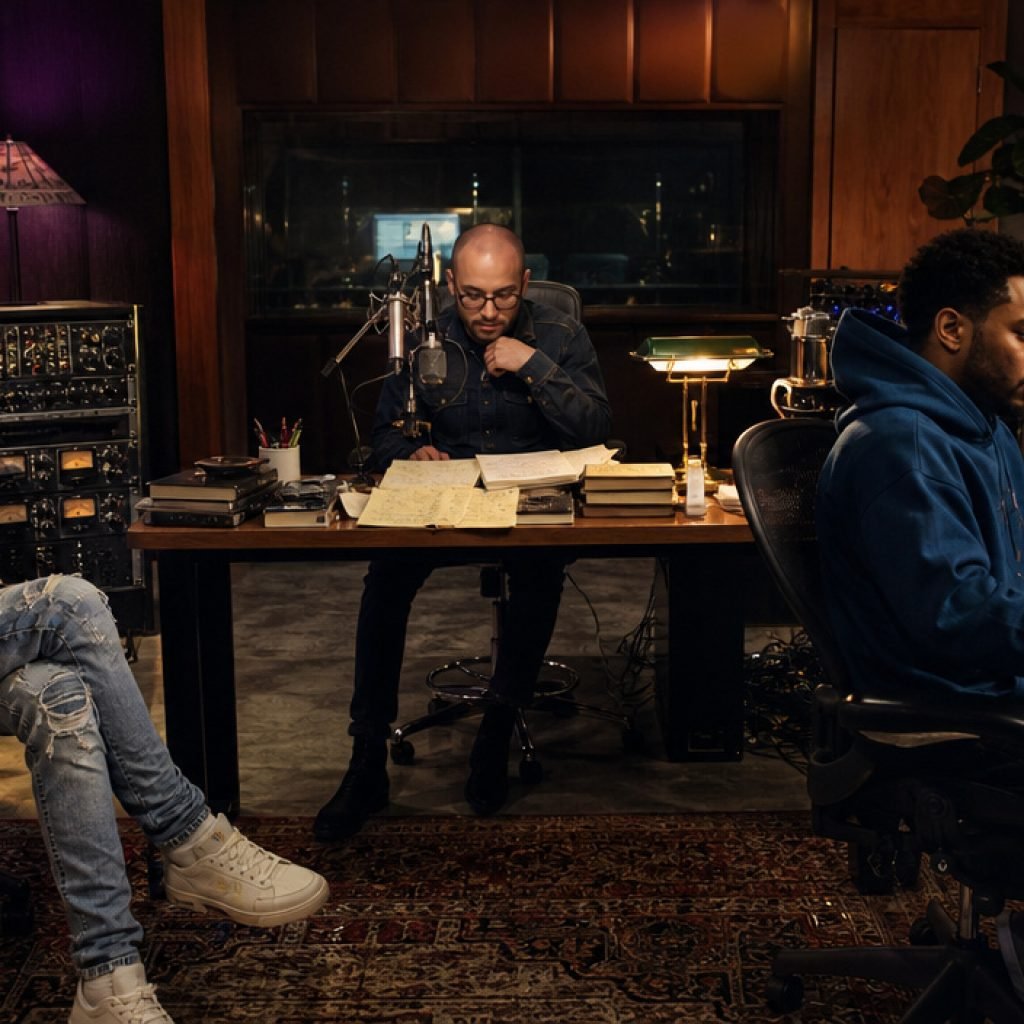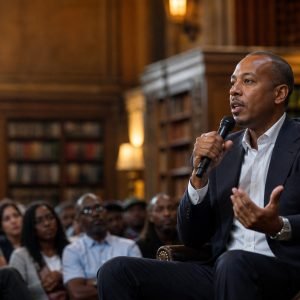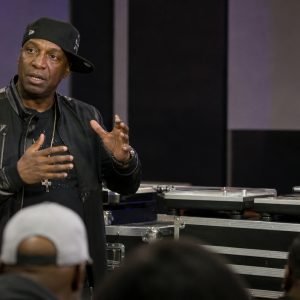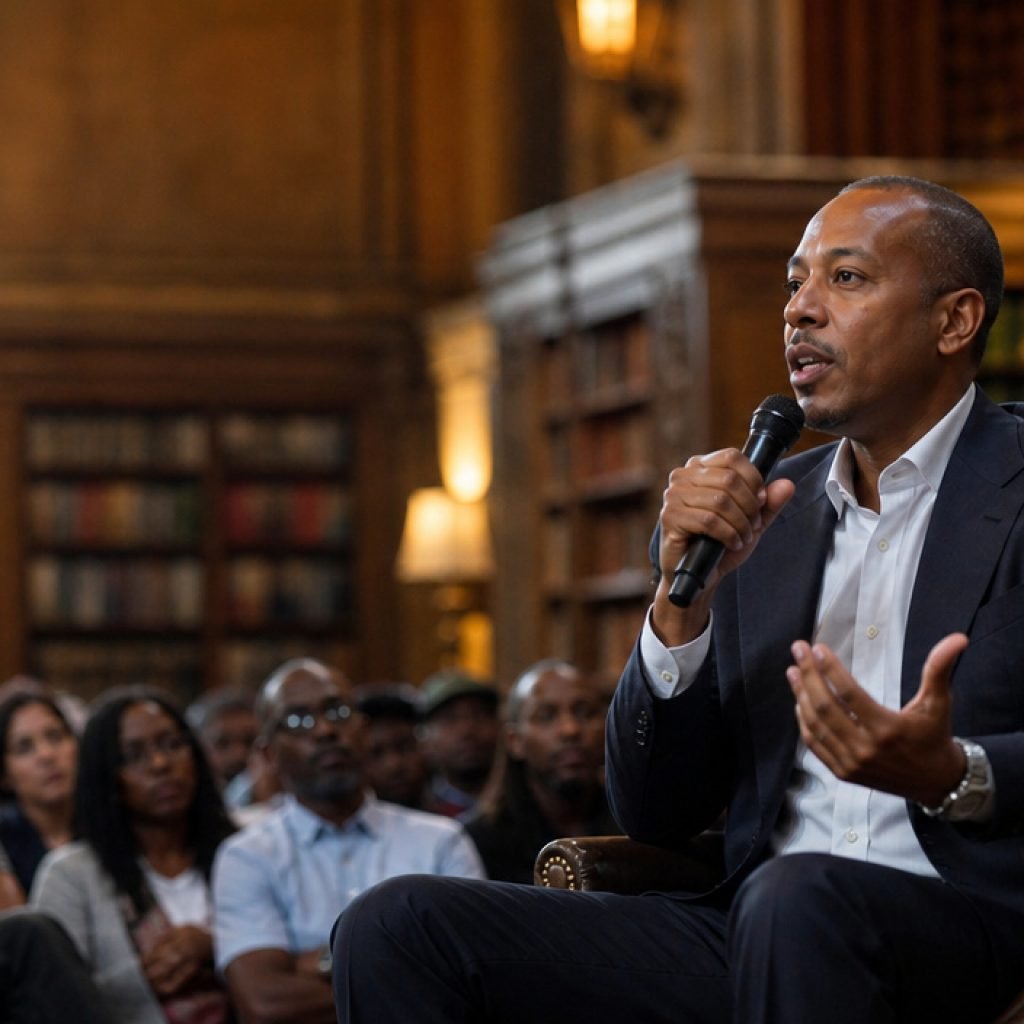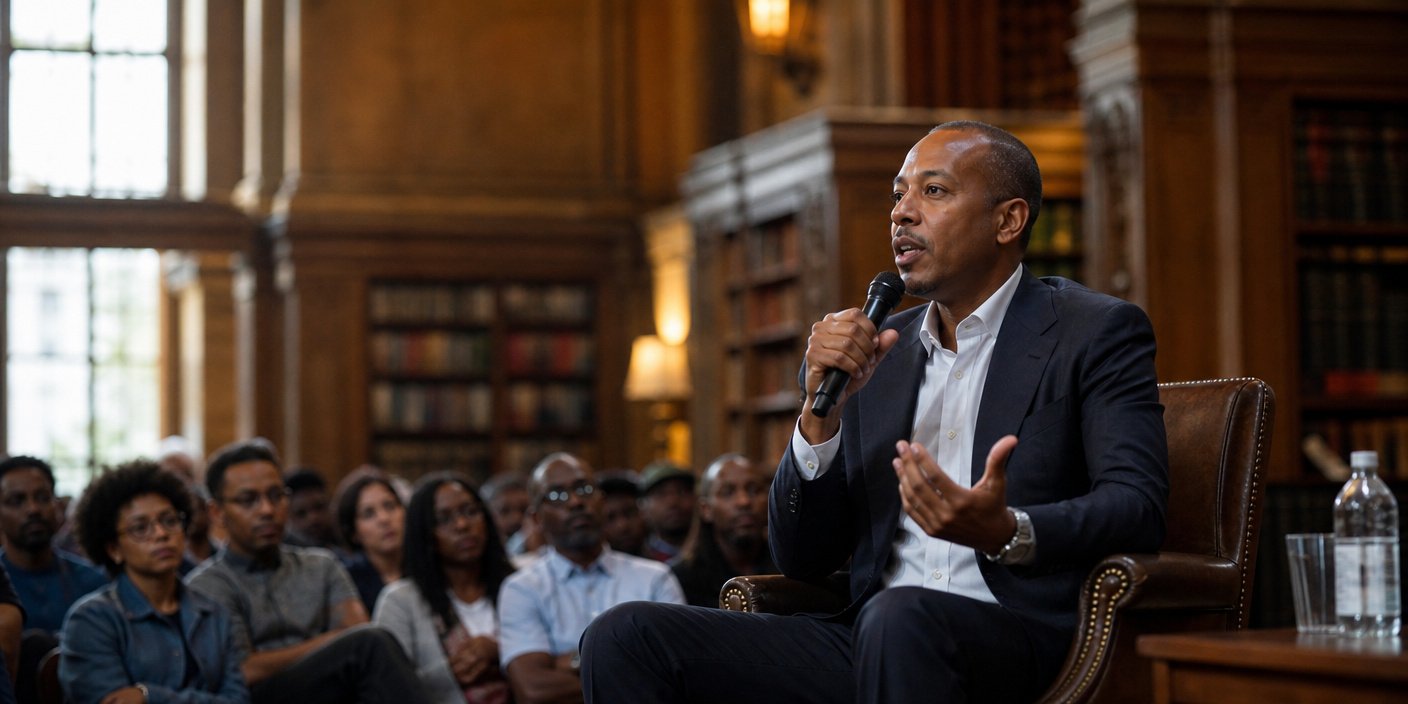
The atmosphere at the Brooklyn Central Library was thick with nostalgia and forward-thinking ambition as Shyne, born Moses Michael Levi Barrow, returned to the borough that defined his early life. For the audience gathered in the historic halls, the event served as more than just a promotional stop; it was a profound retrospective of a 30-year career that has bridged the gap between the raw, unfiltered narratives of New York City hip-hop and the structured, often high-stakes world of international politics in Belize.
A Thirty-Year Trajectory: From Street Corner to Parliament
To understand the gravity of Shyne’s current political stature, one must acknowledge the distinct phases of his professional evolution. Emerging in the late 1990s as a protégé of Sean “Diddy” Combs’ Bad Boy Records, Shyne became a household name with his self-titled 2000 debut album. However, his trajectory was abruptly diverted by legal challenges that led to nearly a decade of incarceration. During his time away, the artist underwent a fundamental transformation. Upon his release and subsequent deportation to Belize—the country of his birth—Shyne pivoted from the rap game to governance.
At the Brooklyn Central Library, he detailed how the transition from the recording booth to the floor of the Belize House of Representatives was not a departure from his core identity, but a scaling of his advocacy. Serving as the Leader of the Opposition in Belize, Shyne has utilized the same relentless focus that once propelled him to hip-hop stardom to advance legislative agendas focused on youth empowerment, infrastructure development, and education. He emphasized that the “hustle” of the music industry taught him resilience, a trait he now applies to the complexities of parliamentary procedure and national discourse.
The Global Ambassador Award: Validating a New Mission
One of the evening’s focal points was the discussion surrounding his recent receipt of the Global Ambassador Award. This honor serves as a formal recognition of his dual commitment to culture and public service. Critics and supporters alike often struggle to categorize a figure who occupies such distinct spaces, but the award serves to unify these identities. Shyne reflected on the honor, suggesting that it validates the “cultural diplomacy” he has practiced over the last decade. By leveraging his international platform, he has brought unprecedented attention to Belizean commerce and social initiatives.
He noted that the award is not merely a trophy for past achievements but a responsibility for the future. It underscores the necessity for public figures to move beyond self-interest and engage with the broader societal issues that affect their constituents. For Shyne, the award is a testament to the fact that his music career, while impactful, was perhaps the first chapter in a much larger narrative of service and civic duty.
Navigating the Future: AI Regulation and Creative Rights
As the conversation turned toward contemporary challenges, Shyne addressed the looming specter of artificial intelligence within the music industry. Drawing upon his deep-rooted knowledge of copyright, intellectual property, and creative authenticity, he positioned himself as an advocate for regulation that protects the individual artist. He argued that the current trajectory of AI-generated music threatens the livelihood of creators and the integrity of human expression.
His stance is clear: AI should be a tool that serves the artist, not a mechanism that replaces them. He called for transparent policy frameworks that mandate consent and compensation for original intellectual property. This viewpoint is particularly relevant as he continues to balance his political duties with his background as a hip-hop veteran. He challenged the industry to look at AI not through a lens of technological hype, but through the lens of human rights and economic fairness. His experience in the industry provides him with a unique vantage point—one that understands the value of the creative process and the systemic issues that artists face when their work is commodified by large-scale technological shifts.
The Legacy of the Brooklyn Hustle
Ultimately, the event at the Brooklyn Central Library wasn’t just about celebrating the past; it was about defining a legacy that transcends entertainment. Shyne’s homecoming underscored the idea that success is a continuous process of refinement. From the streets of Brooklyn to the legislative chambers of Belmopan, he has maintained a consistent thematic thread: the pursuit of agency. Whether through lyricism or policy, his life’s work remains focused on the ability of the individual to shape their environment.
As he looks toward the future, Shyne maintains that his role as a public servant is the most significant chapter of his life. He urged the next generation of creatives to recognize that their skills are transferable. The negotiation tactics, the brand building, and the storytelling prowess required in hip-hop are the exact tools needed to navigate the corridors of power. His return to Brooklyn was a circular moment of closure, yet his forward-looking rhetoric suggested that the real work—both in the music industry’s adaptation to AI and in the political landscape—has only just begun.