The Custodians of Culture
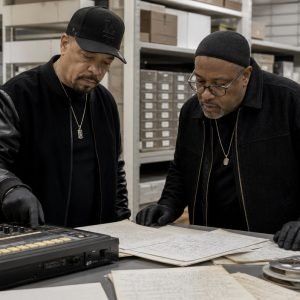
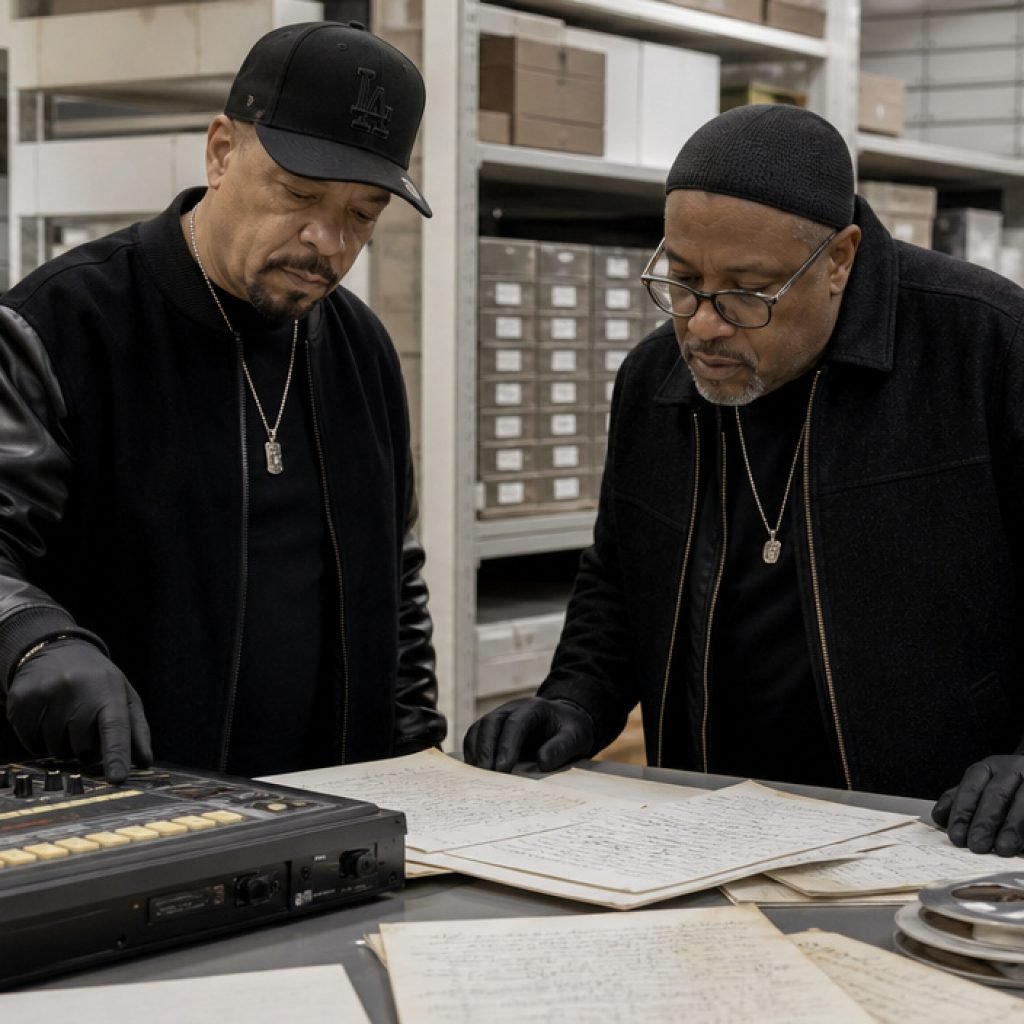
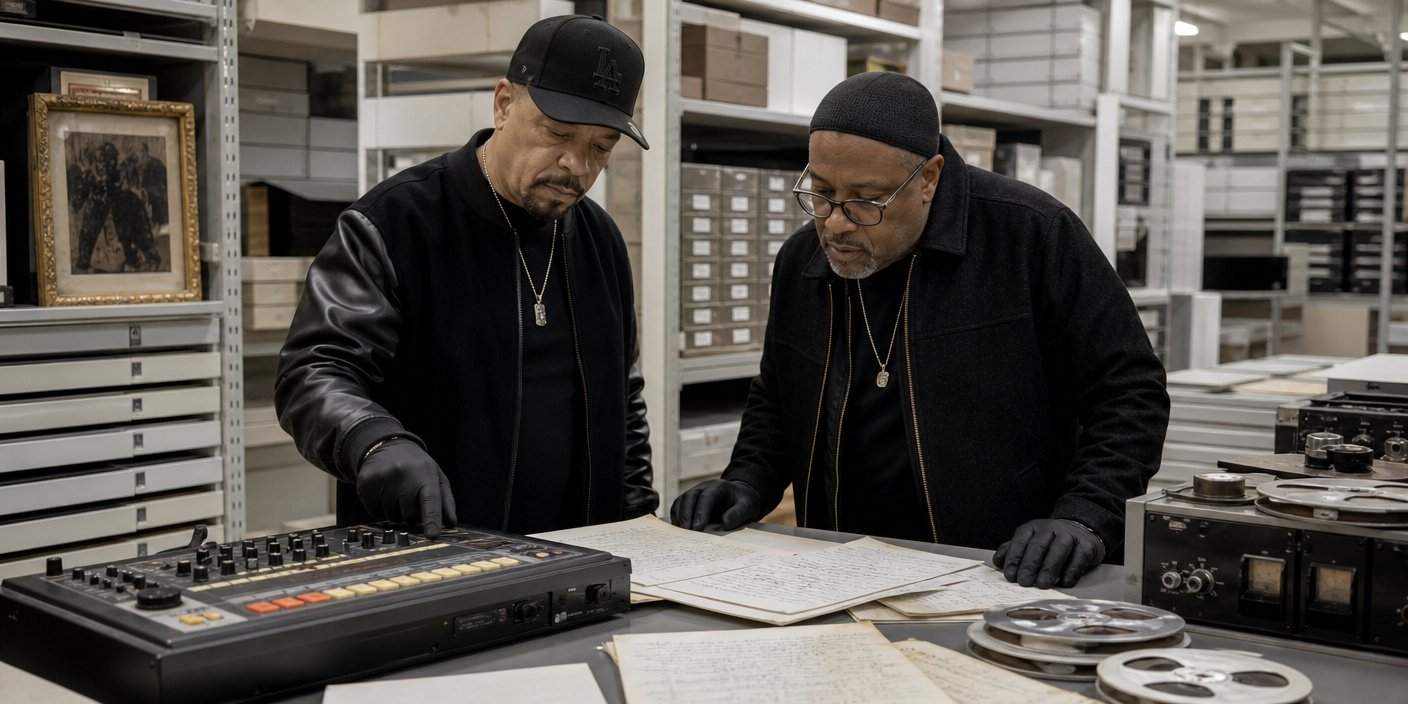
The preservation of hip-hop history has taken a monumental step forward. In a landmark announcement that bridges the gap between urban cultural movements and the elite standards of global fine art logistics, hip-hop pioneers Ice-T and DJ Afrika Islam have officially partnered with Cadogan Tate. This collaboration is designed to secure, store, and preserve the physical artifacts—ranging from original lyric sheets and vintage recording gear to early concert flyers and foundational vinyl collections—that document the meteoric rise of hip-hop from its New York boroughs origin to global dominance.
The Logistics of Legacy
For decades, hip-hop culture has thrived on energy and innovation, often at the expense of its own historical record. Important master tapes, personal correspondences, early stage equipment, and rare photographs have historically been housed in makeshift conditions, vulnerable to humidity, temperature fluctuations, and deterioration. By engaging Cadogan Tate, a firm globally recognized for handling priceless masterpieces for museums, galleries, and private collectors, Ice-T and DJ Afrika Islam are signaling a paradigm shift: hip-hop artifacts are fine art, and they deserve museum-grade stewardship.
Cadogan Tate’s involvement provides the necessary infrastructure to combat the slow decay of analog media. This includes climate-controlled storage environments specifically calibrated for magnetic tape and vintage paper, secure, insured transit for cross-country movement, and specialized packing materials that prevent chemical breakdown. For a genre built on sampling and the reuse of historical sound, the loss of source material is catastrophic; this partnership essentially acts as an insurance policy for the history of the culture.
Why This Partnership Matters Now
As hip-hop approaches its second half-century, the urgency to curate its history has reached a critical inflection point. The primary architects of the genre, such as Ice-T and DJ Afrika Islam, are taking proactive steps to ensure that their personal archives—and the broader narrative of the culture—do not end up in landfills or lost in transitions.
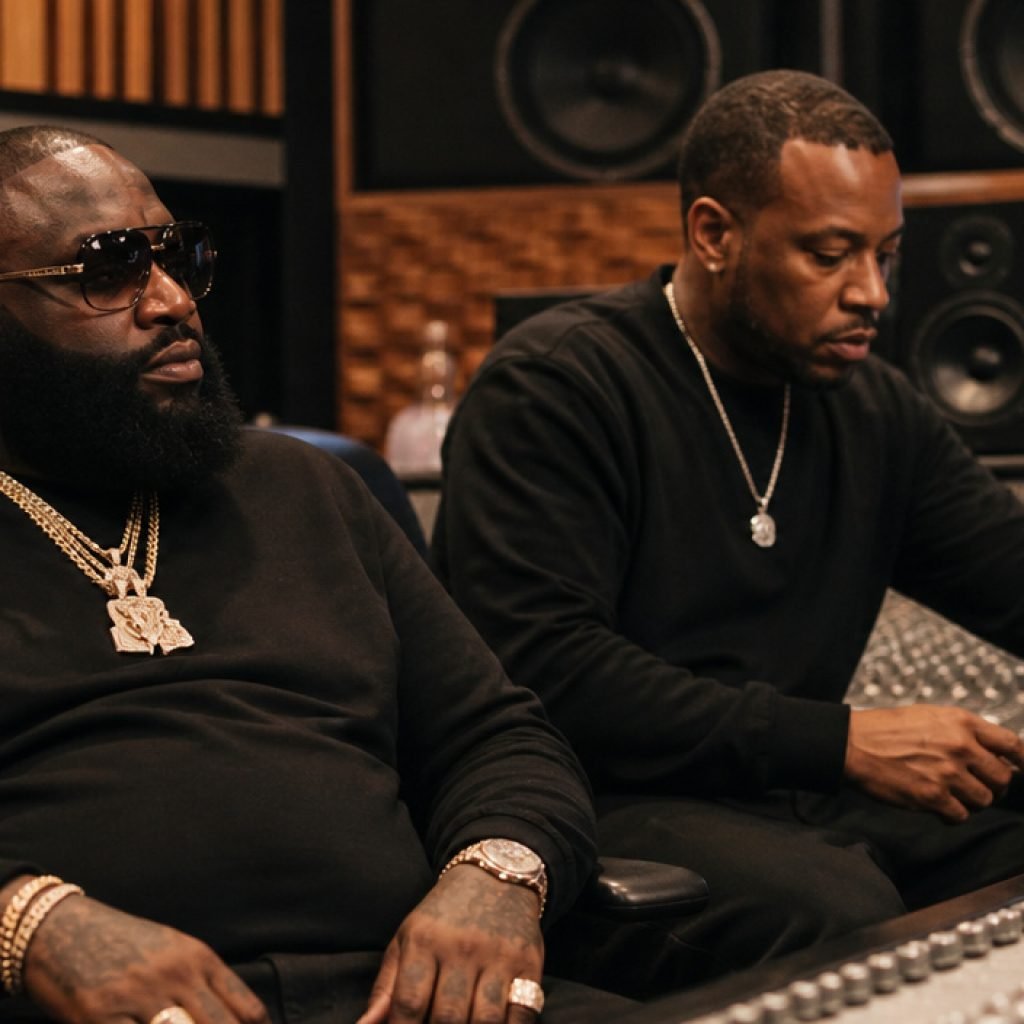
Ice-T, a cultural icon whose career spans music, acting, and reality television, has long been a vocal advocate for recognizing the legitimacy of hip-hop as a cornerstone of modern American history. DJ Afrika Islam, a pivotal figure who worked closely with Afrika Bambaataa and the Zulu Nation, possesses a wealth of knowledge and physical ephemera that traces the DNA of the sound. Together, they are not merely storing boxes; they are curating a timeline.
Strategic Preservation: A Technical Perspective
The technical challenges of preserving hip-hop archives are immense. Many early hip-hop recordings exist on aging cassette tapes, DATs (Digital Audio Tapes), and quarter-inch reel-to-reel tapes, all of which face the risk of ‘sticky shed syndrome’ and oxide shedding. The partnership with Cadogan Tate extends beyond physical storage into the logistics of ‘future-proofing.’
This involves a rigorous custodial chain of custody. Every item in the archive will be cataloged with the same metadata and tracking precision used for 17th-century paintings. This process allows researchers, museums, and documentarians to locate, verify, and potentially exhibit these items in the future with full provenance. In an era where digital information is fleeting, the physical ‘hard copy’ remains the ultimate authentication of truth.
The Cultural and Economic Value
From an economic standpoint, the market for hip-hop memorabilia is currently experiencing a rapid valuation increase. Items that were once considered disposable trash are now fetching significant sums at auction houses like Sotheby’s and Christie’s. However, the value of this collaboration is more cultural than monetary. By partnering with a firm known for safeguarding the world’s most valuable tangible assets, Ice-T and DJ Afrika Islam are cementing hip-hop’s place in the canon of significant historical arts.
This move sets a blueprint for other artists of the era. It suggests a future where hip-hop stars act as their own historians, taking charge of their legacies rather than leaving them to the haphazard process of time. It effectively turns the ‘artist’s archive’ into an institutional-grade entity.
FAQ: People Also Ask
Q: Why is Cadogan Tate involved in hip-hop preservation?
A: Cadogan Tate is a global leader in fine art logistics, known for handling museum-quality, high-value assets. Their expertise in climate control, secure transit, and professional cataloging makes them uniquely qualified to preserve delicate, aging hip-hop artifacts that require specific environmental conditions to prevent degradation.
Q: What kind of items are Ice-T and DJ Afrika Islam preserving?
A: The archive includes, but is not limited to, original handwritten lyric manuscripts, vintage recording equipment like drum machines (808s) and synthesizers, early promotional flyers, master tapes, and rare photographs that track the development of the genre from its inception.
Q: How does this change the historical narrative of hip-hop?
A: By applying professional, institutional archival standards to these items, the partnership ensures that the history of hip-hop is backed by concrete, verifiable documentation. It transforms ‘oral history’ into an accessible, physical historical record that can be studied and displayed for future generations.
Q: Will this archive be accessible to the public?
A: While the primary focus of this phase of the partnership is on secure storage and preservation, the meticulous cataloging process creates the potential for future curation, exhibitions, and educational opportunities regarding the foundations of hip-hop culture.