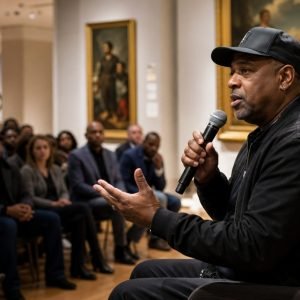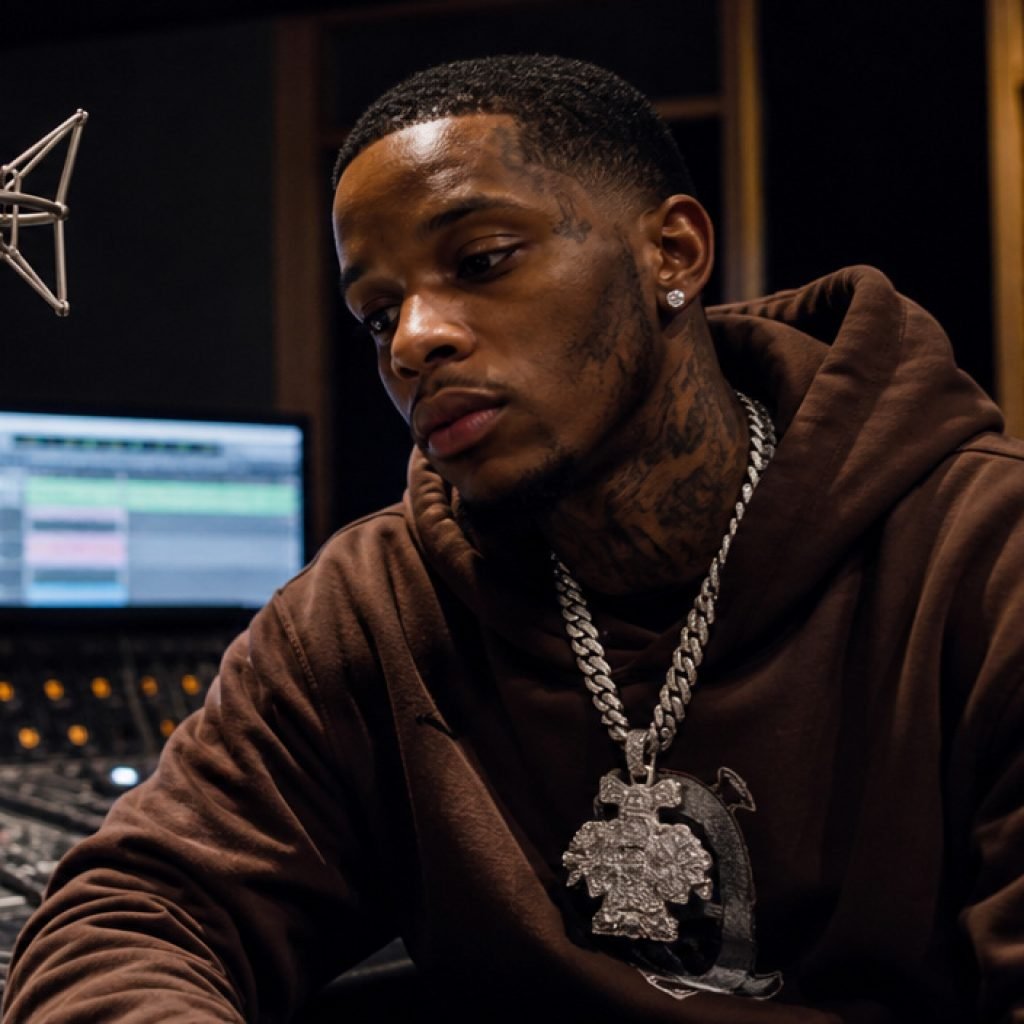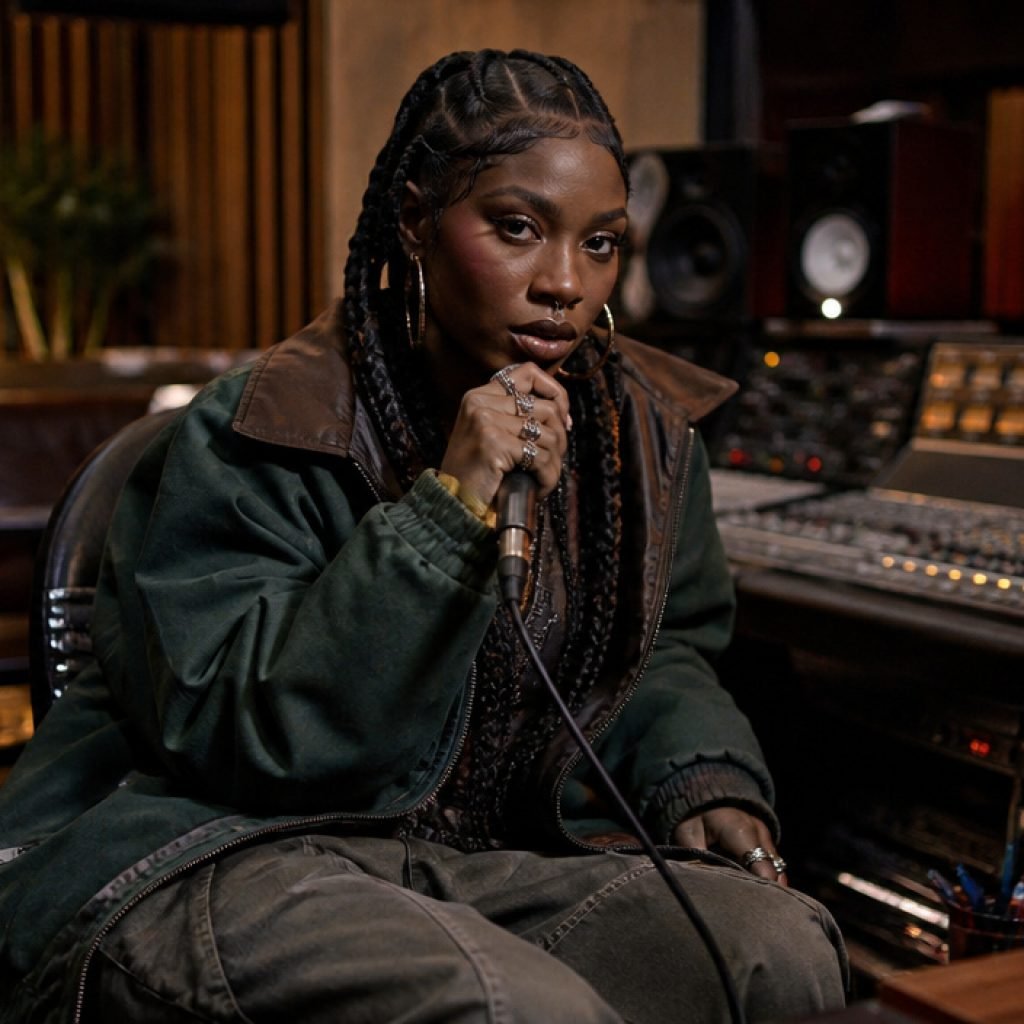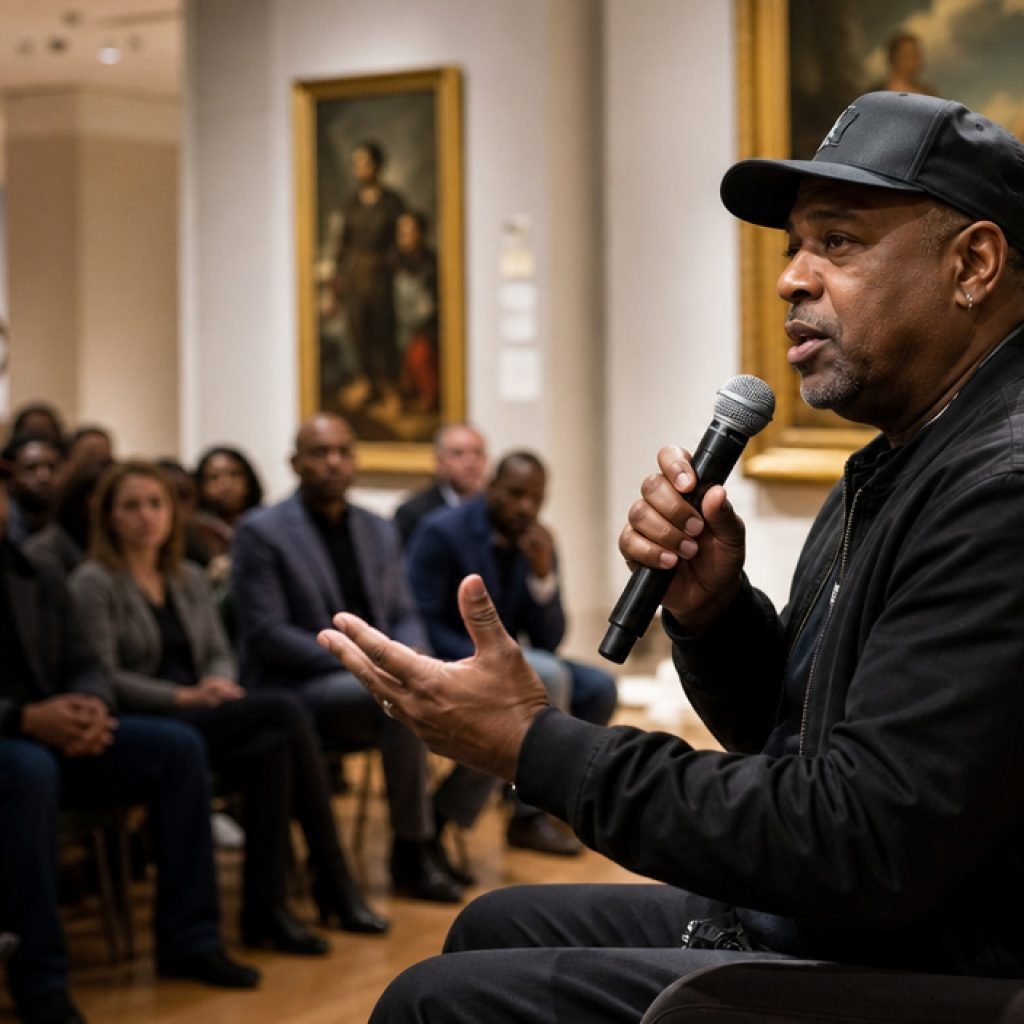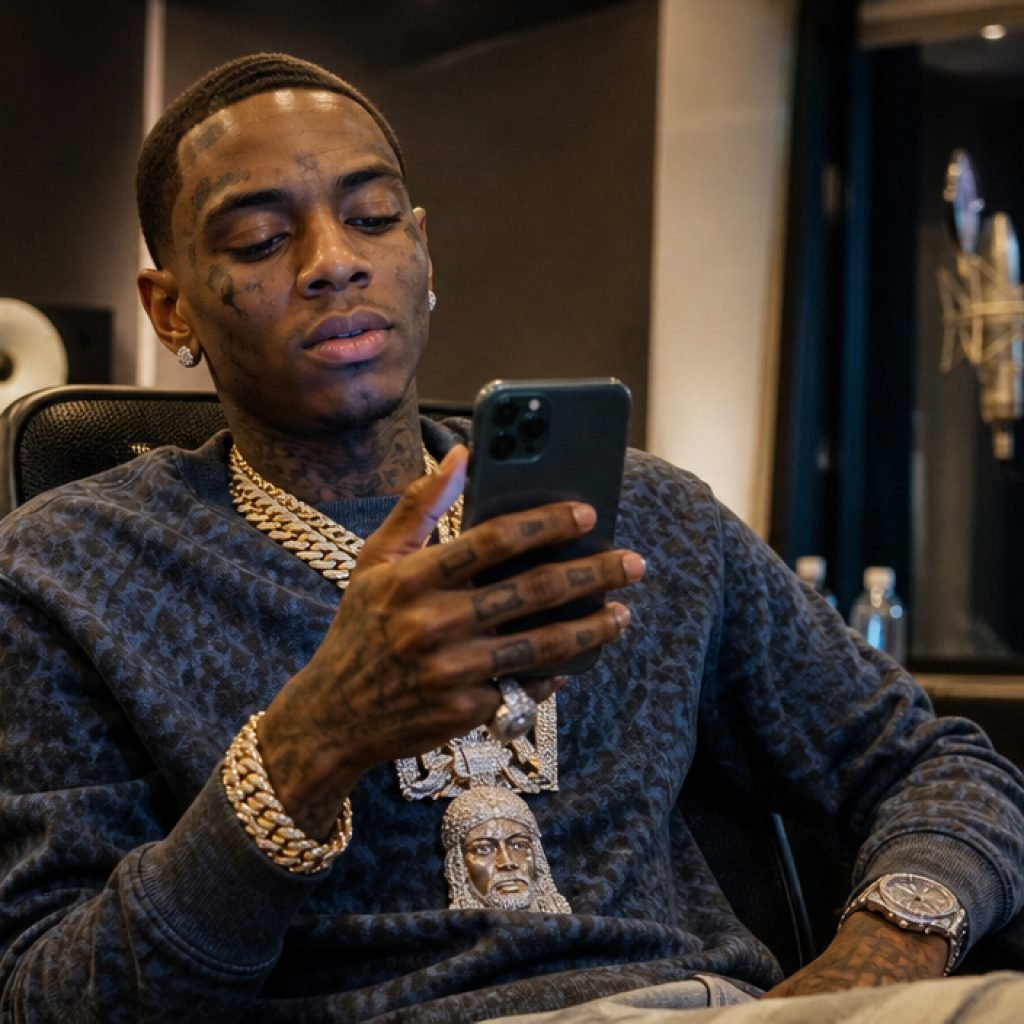
The Delaware Art Museum is preparing to host a landmark event that bridges the gap between urban culture and institutional fine art: the Hip-Hop Cultural Summit. Scheduled for October 17, 2026, the summit promises a comprehensive deep dive into the genre’s legacy as a potent vehicle for social change. Central to the programming is the participation of hip-hop legend and activist Chuck D, the co-founder of Public Enemy, whose career has long been defined by the ethos of “art as activism.”
Key Highlights
- Featured Icon: Chuck D, Rock & Roll Hall of Fame inductee and legendary lyricist, will headline the day’s discussions.
- Date & Location: The summit takes place on October 17, 2026, at the Delaware Art Museum.
- Multifaceted Programming: Attendees can expect a blend of competitive MC battles, professional DJ sets, and critical educational panels.
- Core Theme: The summit explores hip-hop not just as a musical genre, but as a critical, journalistic lens for viewing societal and political issues.
The Architecture of Advocacy: Hip-Hop’s Institutional Shift
The decision by the Delaware Art Museum to host a Hip-Hop Cultural Summit on October 17, 2026, signals a seismic shift in how cultural institutions curate their legacies. By placing hip-hop within the hallowed halls of a traditional art museum, the organizers are effectively validating the art form as a sophisticated, intellectual, and revolutionary discourse. This is not merely a concert; it is an academic and cultural appraisal of a movement that changed the course of global music and political engagement.
Chuck D as the Intellectual Anchor
Chuck D’s inclusion is the cornerstone of this event’s credibility. As the voice behind seminal albums like It Takes a Nation of Millions to Hold Us Back and Fear of a Black Planet, Chuck D has consistently utilized his platform to advocate for civil rights, media literacy, and economic justice. His philosophy that “rap is the CNN of the streets” perfectly encapsulates the summit’s central thesis: that hip-hop is a primary source document for understanding the lived experience of marginalized communities.
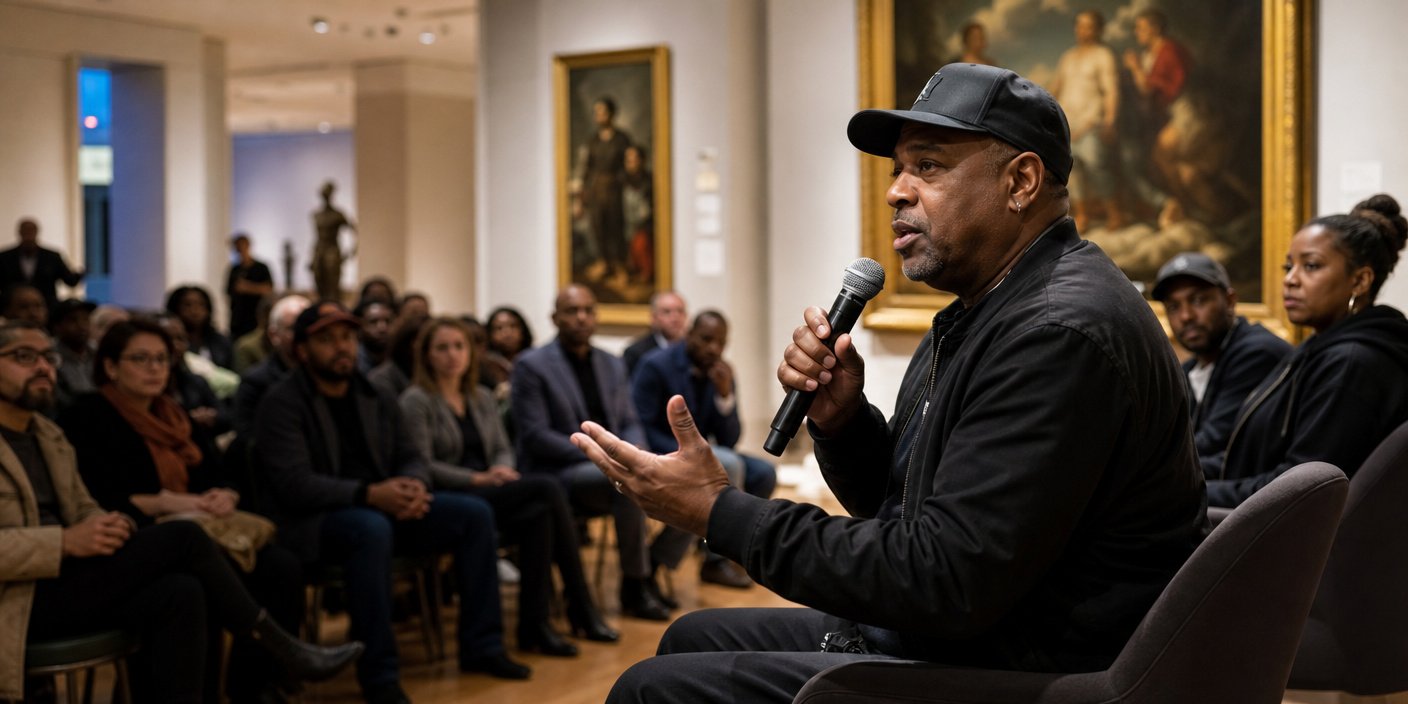
At the summit, Chuck D is expected to facilitate panel discussions that trace the lineage of protest music. Attendees will likely gain insights into how the rhythmic and lyrical techniques of the 1980s and 90s laid the groundwork for the modern digital activism that currently permeates social media discourse. This session will be a pivotal moment for educators, students, and hip-hop historians alike.
The Museum as a Community Catalyst
Integrating hip-hop culture—characterized by high-energy DJ sets and spontaneous MC battles—into the controlled environment of an art museum creates a unique friction. This is intentional. By inviting the community into the space, the Delaware Art Museum is democratizing access to institutional culture. The event will showcase the technical prowess of local and regional DJs, providing a stage for the fundamental elements of the culture: scratching, blending, and beat-making. These performances serve as a live, interactive counterpoint to the static, historical exhibits typically found in the museum, effectively “waking up” the space through sound and kinetic energy.
Secondary Angles: A Tri-Partite Analysis
1. The Economic Impact of Cultural Tourism
Hosting an event of this caliber, featuring a globally recognized icon like Chuck D, provides a significant boost to local cultural tourism. Such summits act as economic engines, drawing visitors from across the Tri-State area who might otherwise not engage with the Delaware Art Museum’s permanent collections. This underscores the necessity for museums to diversify programming to remain relevant in a post-digital landscape.
2. Historical Preservation of Oral Histories
The educational panels at the summit represent a vital act of archiving. Unlike traditional art, which often relies on physical objects, hip-hop history is largely oral and ephemeral. The summit’s focus on panels and live performances captures this history in real-time, creating a collaborative record of the culture that is essential for future generations of musicologists.
3. The Future of ‘Art as Activism’
Perhaps most importantly, the summit seeks to inspire the next generation. By teaching young attendees how to use music as a mechanism for change, the event transforms passive consumption into active participation. The theme of “art as activism” is not merely historical reflection; it is a curriculum for future grassroots organizers who view their creative output as a tool for political advocacy.
FAQ: People Also Ask
Is the Hip-Hop Cultural Summit open to the public?
Yes, the summit at the Delaware Art Museum on October 17, 2026, is open to the public. Organizers recommend booking tickets in advance, as the appearance of a legend like Chuck D is expected to draw capacity crowds from across the region.
Why is the Delaware Art Museum hosting a hip-hop event?
The museum aims to foster cross-disciplinary engagement. By examining hip-hop as a form of cultural expression alongside visual arts, the museum creates a comprehensive dialogue about American history, identity, and the power of art to catalyze social change.
What can attendees expect from the educational panels?
The panels will feature industry veterans, scholars, and activists—led by Chuck D—discussing the evolution of hip-hop, its role as a political news source, and the technical development of DJing and MCing. These discussions are designed to be both accessible to newcomers and deeply insightful for seasoned hip-hop heads.